
TABLE OF CONTENTS
- >1. What Is Knife Blade Heat Treatment?
- >2. How Does Heat Treatment Affect Knife Performance?
- >3. How to Heat Treat a Knife Blade Properly
- >4. Why Steel Type Matters in Knife Manufacturing
- >5. What Makes a Quality Kitchen Knife?
- >6. Discover the imarku TS Series: Updated Knife Designs for Everyday Cooking
- >7. How to Maintain Your Kitchen Knife After Purchase
- >Frequently Asked Questions
- >Choose a Kitchen Knife Designed for Your Cooking Needs
What makes a kitchen knife sharp, durable, and reliable? While blade shape and sharpening are important, the quality of the steel and its heat treatment also play a major role. A knife may have an attractive design, but its actual cutting performance depends on how the blade is manufactured and finished.
If you have ever wondered how to heat treat a knife blade properly, the process involves more than simply heating metal and cooling it down. Professional knife heat treatment requires carefully controlled temperatures, appropriate cooling methods, and precise tempering procedures. These steps help develop the hardness, toughness, and wear resistance needed for different cutting applications.
Understanding this process can also help you become a more informed knife buyer. In this guide, we will explain how knife heat treatment works, why steel properties matter, and what to consider when choosing a quality kitchen knife for everyday cooking.
1. What Is Knife Blade Heat Treatment?
Heat treatment is a controlled manufacturing process that changes the internal structure and mechanical properties of steel through carefully managed heating and cooling cycles.
For knife blades, the objective is to develop a suitable balance of hardness, toughness, and wear resistance. These properties influence how a knife maintains its edge, responds to cutting pressure, and performs during repeated use.
Steel contains iron and carbon, along with additional alloying elements depending on its composition. When steel is heated to a specific temperature range and cooled under controlled conditions, its internal structure can change significantly.
However, making a knife as hard as possible is not necessarily the goal. Excessive hardness without sufficient toughness can make a blade more vulnerable to chipping or cracking. Proper heat treatment aims to produce properties that match the intended use of the knife.
2. How Does Heat Treatment Affect Knife Performance?
Heat treatment influences several important characteristics of a knife blade. Understanding them can help you evaluate different knives beyond their appearance or advertised sharpness.
Hardness and Edge Retention
Hardness describes a material's resistance to localized deformation, such as indentation. In a kitchen knife, appropriate hardness helps the cutting edge resist deformation during normal use.
A properly treated blade may maintain its edge longer under suitable cutting conditions. However, edge retention also depends on steel composition, blade geometry, sharpening quality, and the type of materials being cut.
This is why a hardness rating should never be the only factor when comparing kitchen knives.
Toughness and Durability
Toughness refers to a material's ability to absorb energy and resist fracture. Kitchen knives need enough toughness to handle ordinary cutting stresses without easily chipping or breaking.
A knife that is extremely hard but lacks adequate toughness may be unsuitable for certain kitchen tasks. A practical balance is important, especially for home cooks who use their knives frequently.
Wear Resistance
Wear resistance describes how well a material withstands gradual material loss caused by friction and repeated use.
Some steel compositions offer greater wear resistance, which can help a blade retain its cutting characteristics during use. However, highly wear-resistant steels may also require more effort to sharpen. The best choice depends on the user's priorities and maintenance preferences.
3. How to Heat Treat a Knife Blade Properly
Professional knife heat treatment generally involves several stages. The exact procedure depends on the steel grade, blade dimensions, alloy composition, and desired mechanical properties.
Step 1: Identify the Steel Grade
Before selecting a heat treatment procedure, the exact steel grade must be identified. Carbon steels, stainless steels, and high-alloy tool steels can require significantly different processing conditions.
Steel manufacturers typically provide technical data sheets containing recommended heat treatment parameters. These specifications should be used instead of applying a general temperature range to every blade.
Step 2: Prepare the Blade
The blade is prepared according to the manufacturing process. This may involve machining, grinding, removing surface contamination, and inspecting the steel for visible defects.
Blade geometry matters because thin sections and uneven thicknesses may respond differently during heating and cooling. Proper preparation helps reduce the risk of distortion and other manufacturing problems.
Step 3: Heat the Steel
The blade is heated to the temperature specified for its particular steel grade. For many hardenable steels, this stage involves reaching an austenitizing temperature so the desired metallurgical transformation can occur.
Temperature control is critical. Insufficient heating may prevent the steel from reaching the intended condition, while excessive heat or unnecessary holding time can cause grain growth and negatively affect performance.
Professional manufacturing uses appropriate furnaces and temperature-monitoring equipment to maintain consistent conditions.
Step 4: Quench the Blade
Quenching is the controlled cooling stage following the heating process. Depending on the steel, cooling may involve oil, air, gas, or another specified medium.
The correct cooling method helps produce the intended hardened microstructure. Using an unsuitable quenching method can result in incomplete hardening, distortion, or cracking.
Step 5: Temper the Blade
After hardening, many knife steels require tempering. This involves reheating the blade to a controlled temperature below the original hardening range, holding it according to the specified schedule, and cooling it as directed.
Tempering helps reduce brittleness and develop a more practical balance between hardness and toughness. Depending on the steel grade, manufacturers may use multiple tempering cycles.
Step 6: Inspect the Finished Blade
Once heat treatment is complete, the blade should be inspected and tested using appropriate quality-control methods.
Manufacturers may measure hardness using standardized testing equipment, inspect blade straightness, and check for visible defects. Additional metallurgical testing may be used when necessary.
These checks help verify that the blade meets its intended manufacturing specifications.
4. Why Steel Type Matters in Knife Manufacturing
Not every type of steel behaves the same way during heat treatment. Steel composition affects the temperatures, cooling methods, and processing conditions needed to develop the desired properties.
Carbon Steel
Carbon steel is commonly used in knife manufacturing because suitable grades can achieve high hardness and useful cutting performance.
Different carbon steel grades have different heat treatment requirements. Some can be relatively straightforward to process, while others require more precise temperature and cooling control.
Carbon steel knives may also require careful drying and storage because some grades are more susceptible to corrosion.
Stainless Steel
Stainless steel contains sufficient chromium to provide improved corrosion resistance, although the actual protection depends on the specific alloy and its condition.
Many knife-grade stainless steels contain additional alloying elements that influence hardness, wear resistance, and heat treatment behavior. Some require particularly precise processing conditions.
High-Alloy Steel
High-alloy steels are designed for demanding applications and may provide a combination of hardness, toughness, and wear resistance.
Their more complex compositions can require specialized heating, cooling, and tempering procedures. This is one reason professional manufacturing and material-specific technical guidance are important.
5. What Makes a Quality Kitchen Knife?
Understanding heat treatment is useful, but most home cooks are not purchasing raw steel or manufacturing their own blades. They are looking for a finished knife that performs reliably during everyday cooking.
When evaluating a kitchen knife, consider several factors together rather than focusing on one specification.
Blade Design and Cutting Geometry
The shape, thickness, and edge geometry of a blade affect how it moves through different ingredients. A chef's knife is suitable for many everyday preparation tasks, while specialized blade shapes are designed for particular cutting applications.
Choose a blade that matches the foods you prepare most often. The right design can make chopping, slicing, and other kitchen tasks more comfortable.
Steel Composition and Manufacturing Quality
Steel composition influences corrosion resistance, wear resistance, and heat treatment requirements. Look for clear product information about blade material rather than relying on vague claims.
Manufacturing quality also matters. Consistent blade finishing, suitable geometry, and reliable construction contribute to the overall user experience.
Hardness and Toughness Balance
If a manufacturer provides a Rockwell hardness rating, consider it alongside the intended use of the knife. Higher hardness can support edge retention, but it does not automatically mean the blade is better.
For everyday cooking, a balanced combination of cutting performance, durability, and maintenance requirements is often more useful than pursuing the highest possible hardness number.
Handle Comfort and Control
A kitchen knife should feel comfortable and secure in your hand. Handle shape, material, balance, and overall construction can influence how easily you control the knife during repeated cutting tasks.
Even a high-performance blade may not be the right choice if its handle feels uncomfortable during everyday use.
6. Discover the imarku TS Series: Updated Knife Designs for Everyday Cooking
Learning about knife steel and heat treatment can help you understand what goes into a quality blade. But when it comes to choosing a kitchen knife, the overall design and how it fits your cooking habits matter just as much.
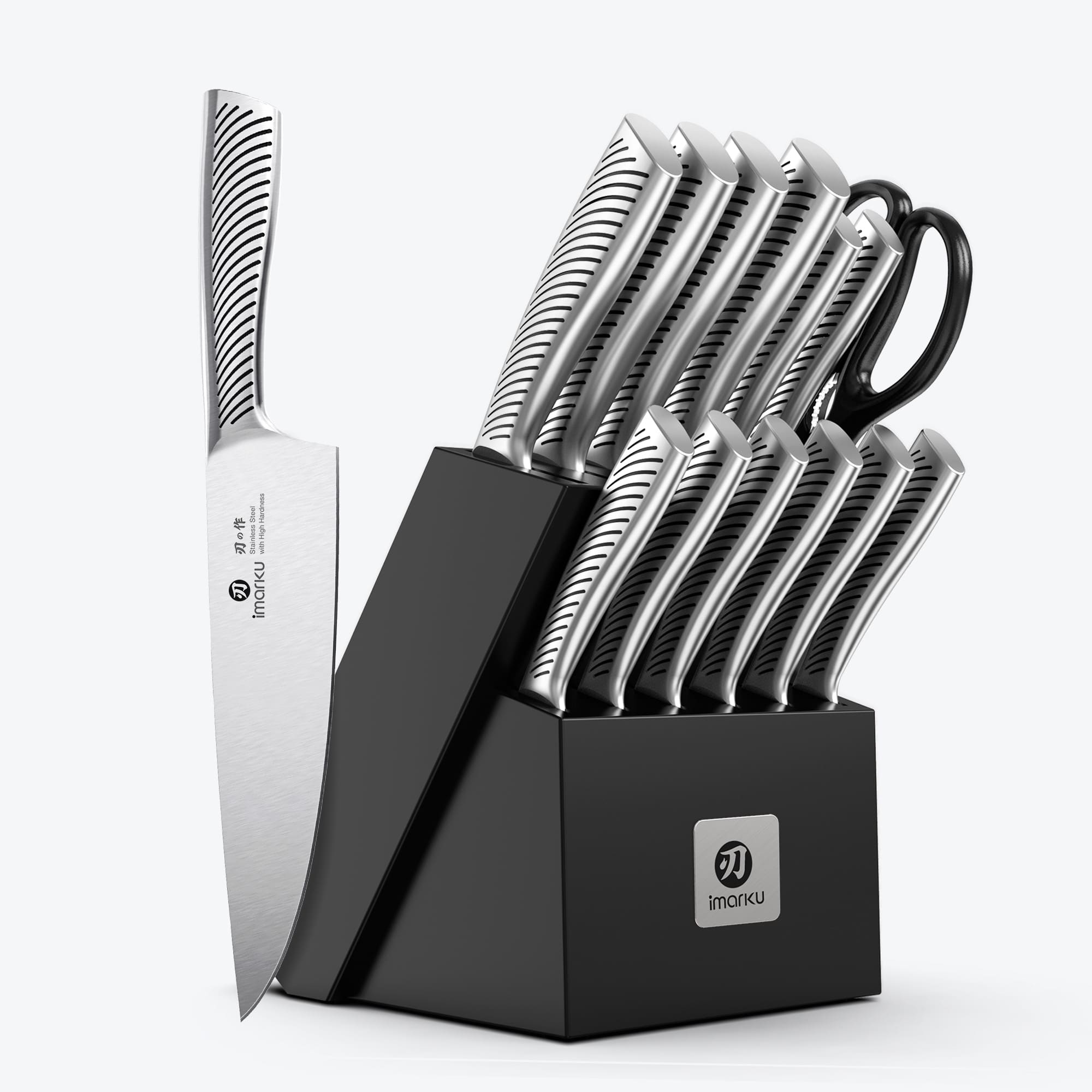
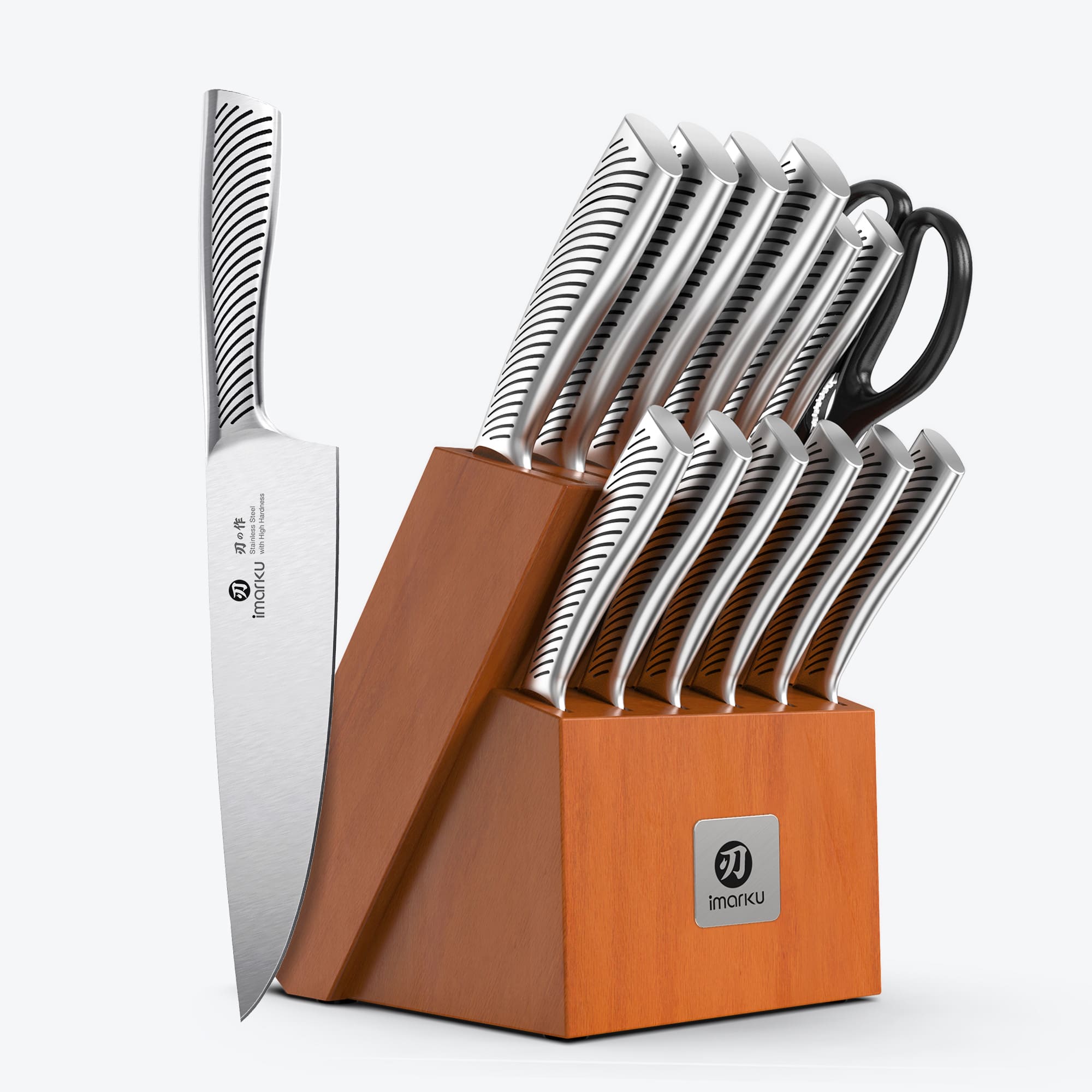
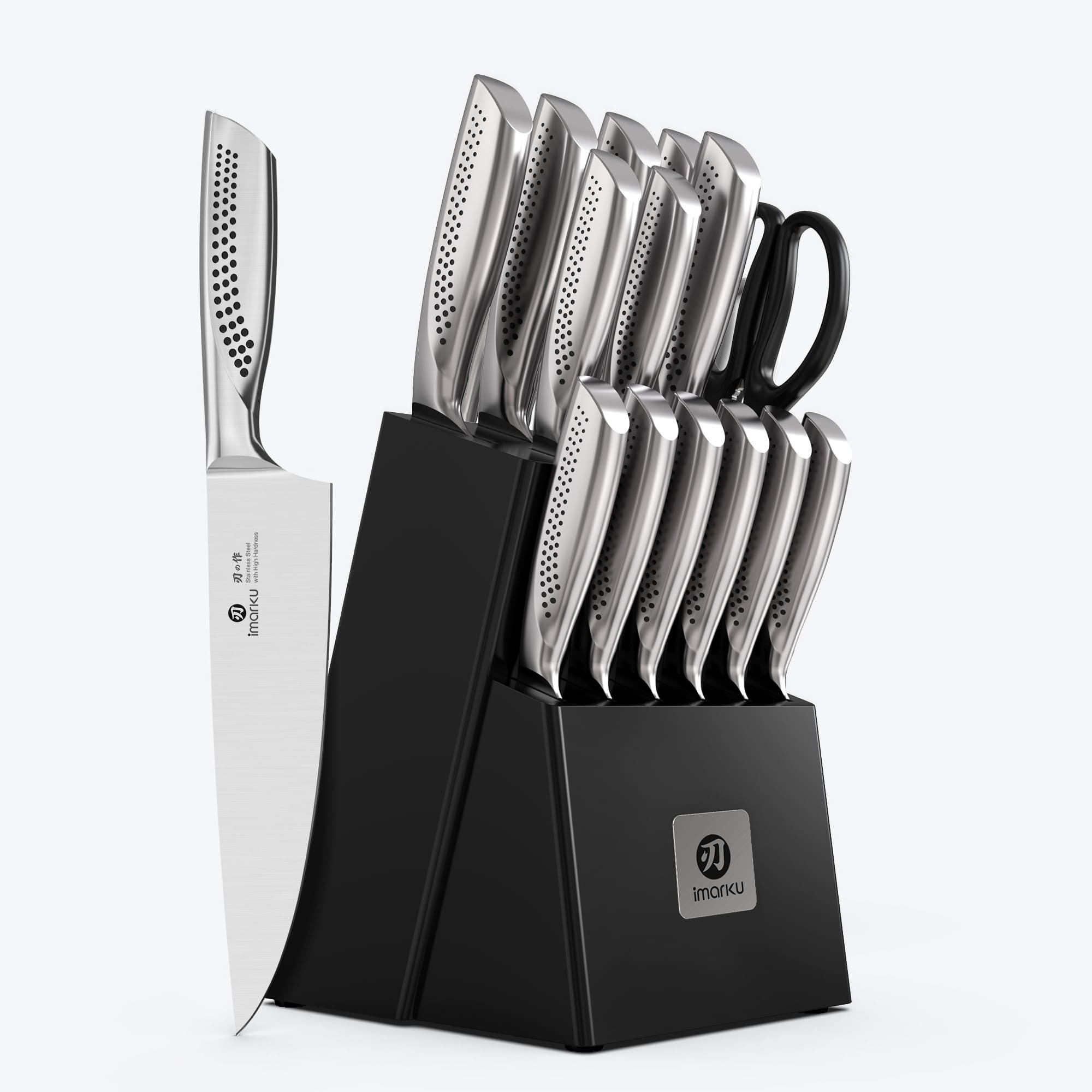
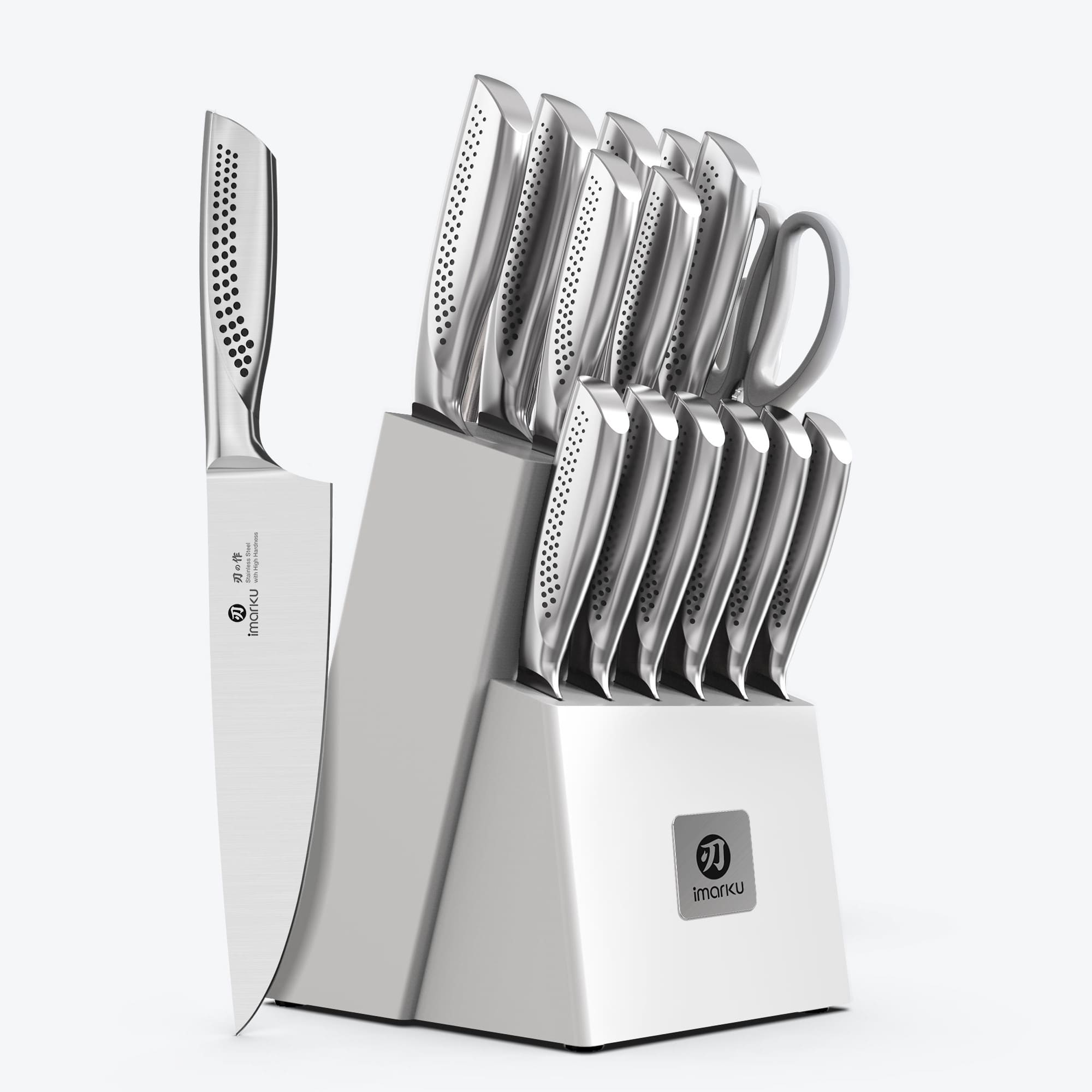
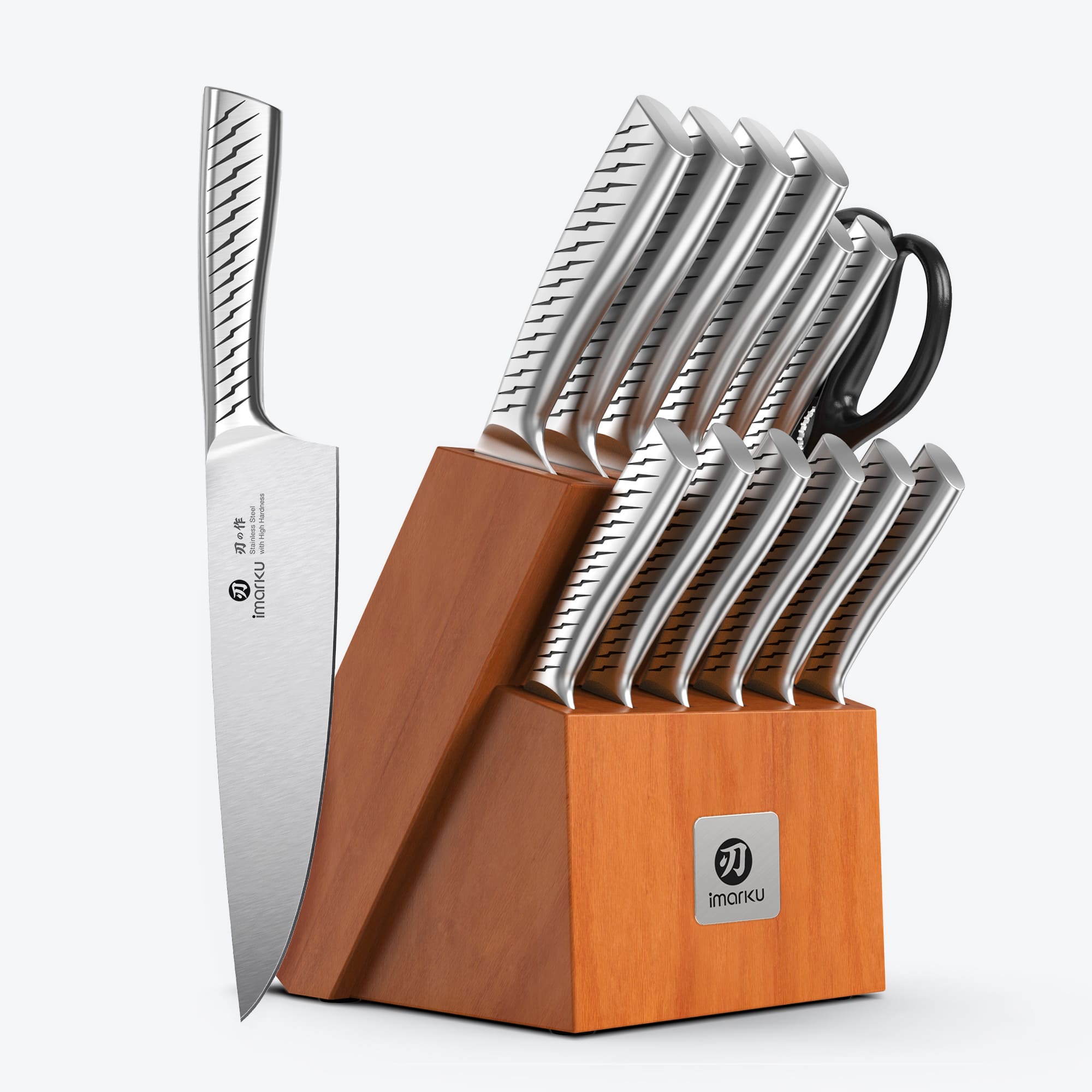
The imarku TS Series is worth exploring if you are looking for updated knife designs for everyday food preparation. The series includes new design developments, offering home cooks additional options when choosing knives for different kitchen tasks.

For example, the TS02 introduces a new knife shape, while the TS Series also includes updated design details across its product range. When comparing individual models, take time to review the specific blade shape, steel information, handle design, and product specifications.
Rather than choosing a knife based on one technical number, consider how it will perform in your kitchen. Think about the ingredients you prepare, the cutting tasks you perform most often, and how much time you want to spend on maintenance.
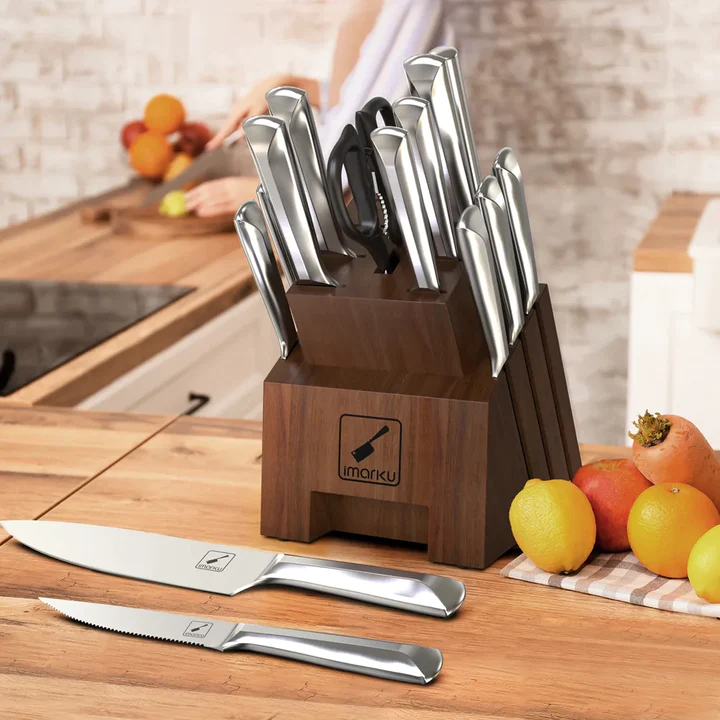
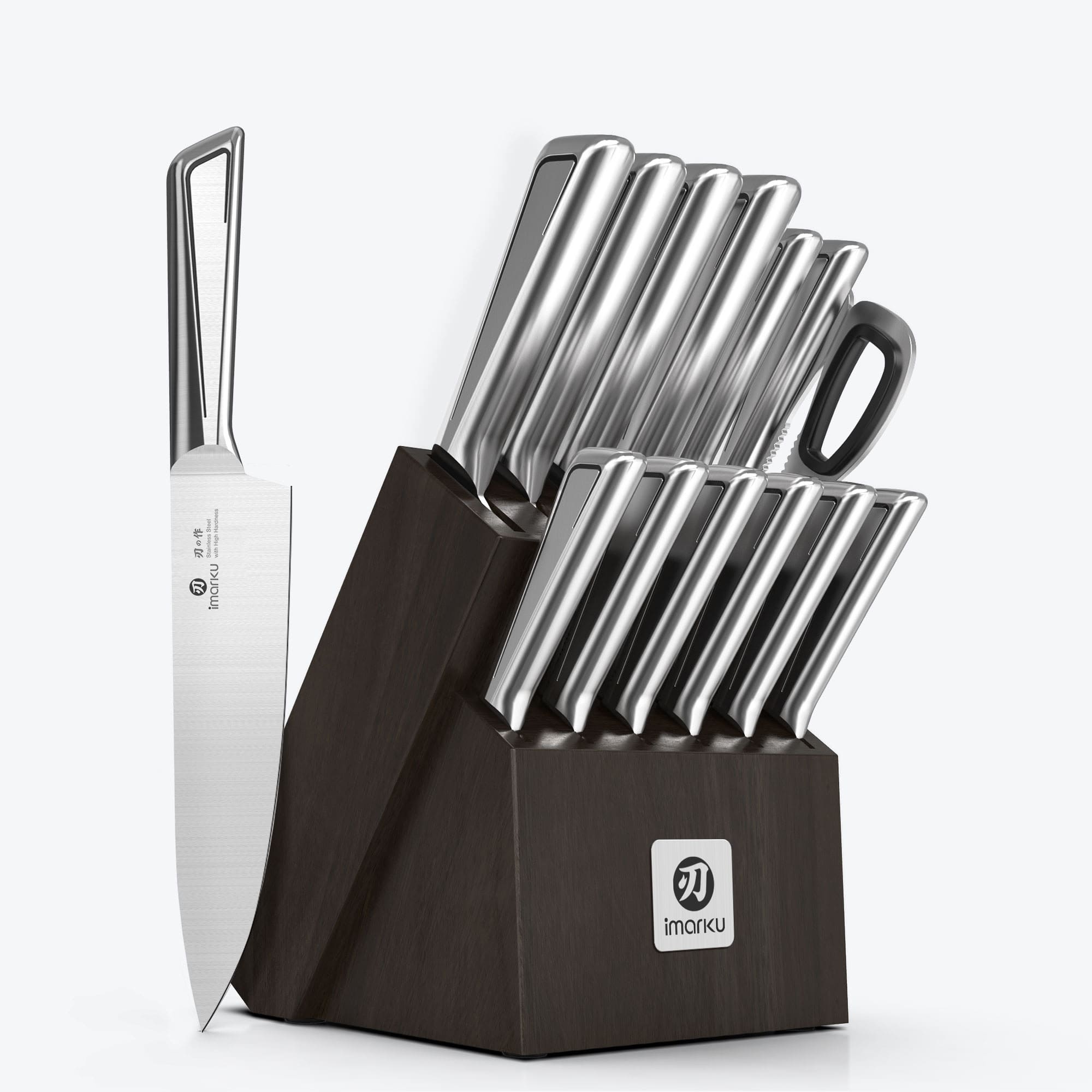
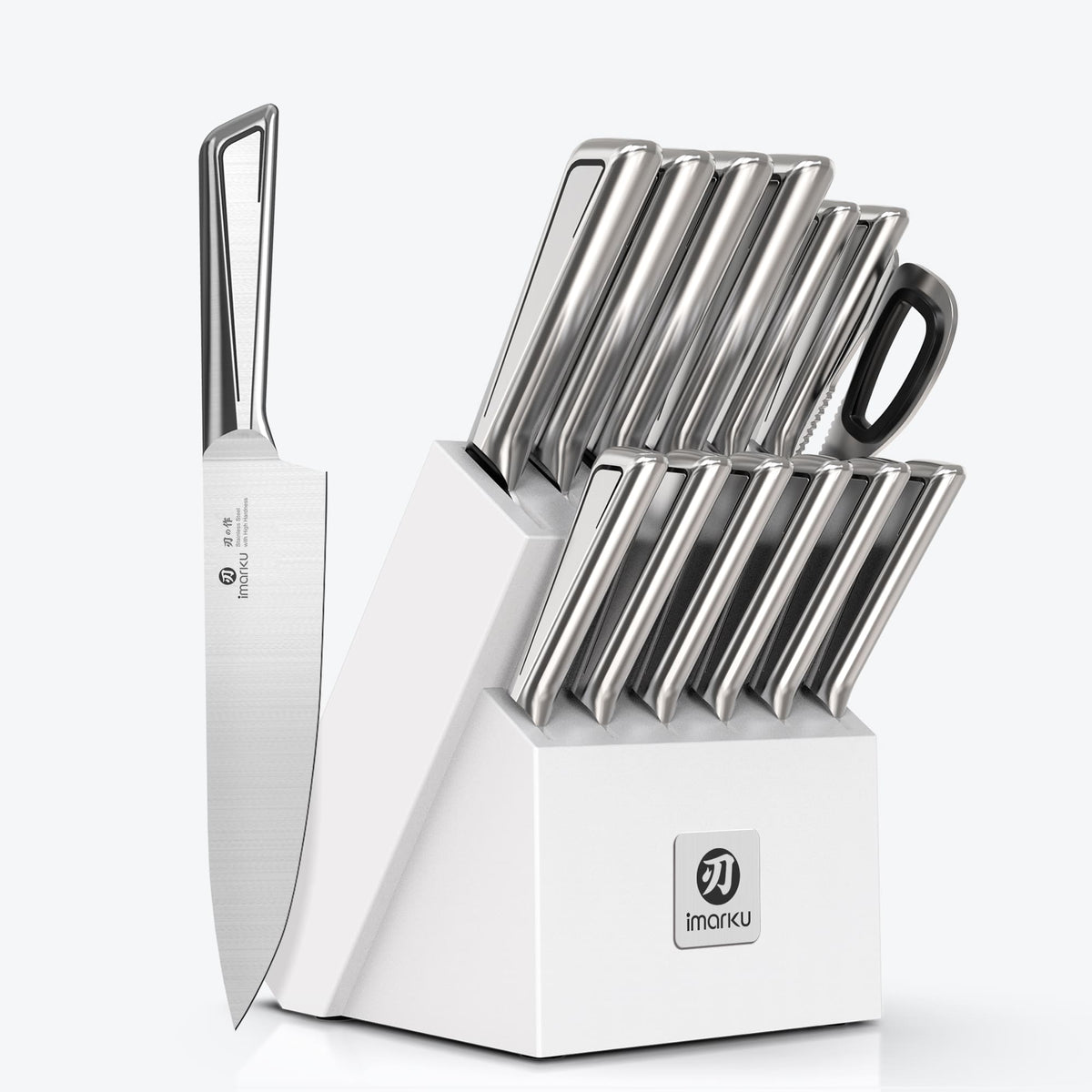
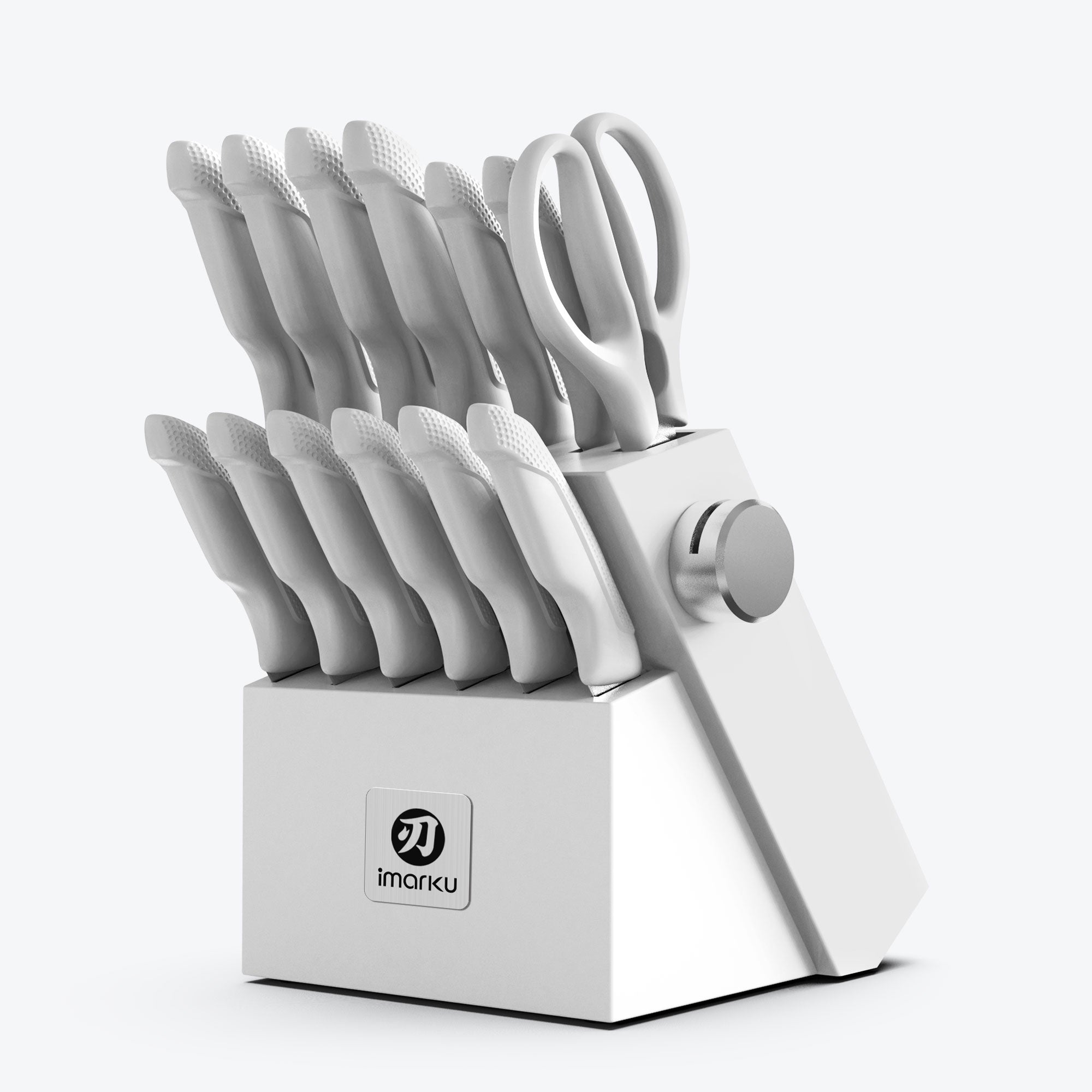
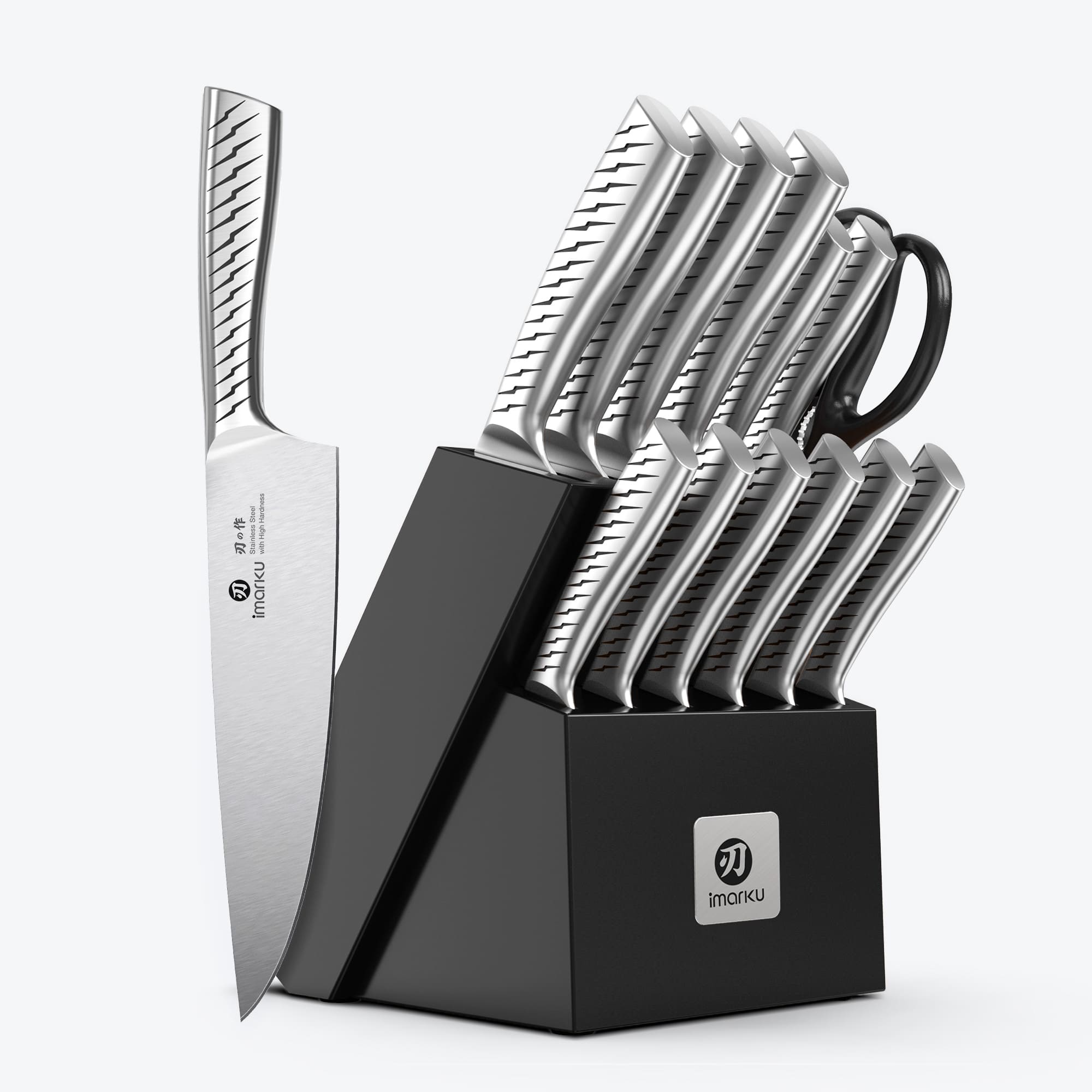
Explore the imarku kitchen knives collection to see available designs, or browse the imarku knife sets collection if you want multiple knives for different preparation needs.
7. How to Maintain Your Kitchen Knife After Purchase
Even a professionally manufactured knife needs proper care. Good maintenance helps preserve the blade's condition and supports consistent performance over time.
Clean the Knife After Use
Wash your knife after food preparation using dish soap and water. If it has contacted raw meat, poultry, seafood, or potentially contaminated surfaces, follow appropriate cleaning and sanitizing procedures before using it again.
Dry It Thoroughly
After washing, dry the knife according to the manufacturer's care instructions. Avoid leaving it wet in a sink or storing it with food residue on the blade.
Use the Knife for Its Intended Purpose
Do not use a regular kitchen knife to cut frozen foods, bones, or other materials beyond its intended application. Doing so can damage the edge or create unnecessary stress on the blade.
Sharpen When Necessary
Regular sharpening helps restore cutting performance when the edge becomes dull. Use a suitable sharpening method and follow the manufacturer's recommendations for the particular knife.
Store It Safely
Use a knife block, protective sheath, or suitable magnetic holder to protect the blade. Proper storage also helps prevent accidental contact with other utensils and keeps your kitchen organized.
Frequently Asked Questions
How to heat treat a knife blade properly?
Professional heat treatment generally involves identifying the steel grade, preparing the blade, heating it according to the steel manufacturer's specifications, quenching it using the appropriate method, tempering it, and inspecting the finished blade. Exact temperatures and schedules vary by steel type.
Does heat treatment make a knife sharper?
Heat treatment does not directly sharpen the blade. It develops the mechanical properties of the steel, while sharpening and edge finishing create the actual cutting edge.
Why is tempering important after quenching?
Quenching can leave hardened steel relatively brittle. Tempering helps reduce brittleness and develops a more practical balance of hardness and toughness.
Does higher Rockwell hardness mean a better kitchen knife?
Not necessarily. Higher hardness can help a blade resist edge deformation, but toughness, steel composition, blade geometry, and intended use are also important.
Can I heat treat a knife blade at home?
Some experienced knife makers perform heat treatment at home, but it requires appropriate equipment, steel knowledge, temperature control, and safety precautions. For most home cooks, purchasing a professionally manufactured kitchen knife is a more practical option.
Choose a Kitchen Knife Designed for Your Cooking Needs
Heat treatment is an important part of knife manufacturing because it helps establish the properties needed for cutting performance and durability. However, the quality of a kitchen knife also depends on steel selection, blade geometry, construction, handle design, and proper maintenance.
For everyday cooks, the best approach is to understand these factors and choose a knife that matches the way they prepare food. You do not need to become a knife maker to make a more informed purchasing decision.
Ready to explore updated kitchen knife designs? Discover the imarku TS Series and kitchen knife collection and find a knife that fits your cooking routine. Choose the right tool, maintain it properly, and enjoy a more comfortable kitchen experience.



Leave a comment
All comments are moderated before being published.
This site is protected by hCaptcha and the hCaptcha Privacy Policy and Terms of Service apply.