
TABLE OF CONTENTS
- >1. When Must a Knife Be Cleaned and Sanitized?
- >2. Cleaning vs. Sanitizing: Understanding the Difference
- >3. How to Properly Clean and Sanitize a Kitchen Knife
- >4. Common Kitchen Knife Cleaning Mistakes
- >5. How to Choose a Kitchen Knife That Is Easy to Maintain
- >6. Discover imarku TS Series Kitchen Knives
- >Frequently Asked Questions
- >Make Every Meal Easier with the Right Kitchen Knife
A kitchen knife is one of the most frequently used tools in everyday cooking. From slicing fresh vegetables and preparing chicken to cutting fruit and serving bread, a single knife can come into contact with many different ingredients throughout the day. But how often should you clean it, and when is sanitizing necessary?
Knowing when a knife must be cleaned and sanitized is an important part of food safety. A knife that has touched raw meat, poultry, seafood, or an unclean surface can transfer unwanted microorganisms to other ingredients. This is particularly concerning when preparing foods that will be eaten without another cooking step.
In this guide, we will explain when to clean and sanitize kitchen knives, how to do it properly, common mistakes to avoid, and what to consider when choosing a reliable knife for everyday cooking.
1. When Must a Knife Be Cleaned and Sanitized?
A knife should be cleaned and sanitized whenever it may have become contaminated or when changing food preparation tasks could cause cross-contamination. The most important situations include handling raw animal products, switching to ready-to-eat ingredients, and contacting dirty surfaces.
After Cutting Raw Meat, Poultry, or Seafood
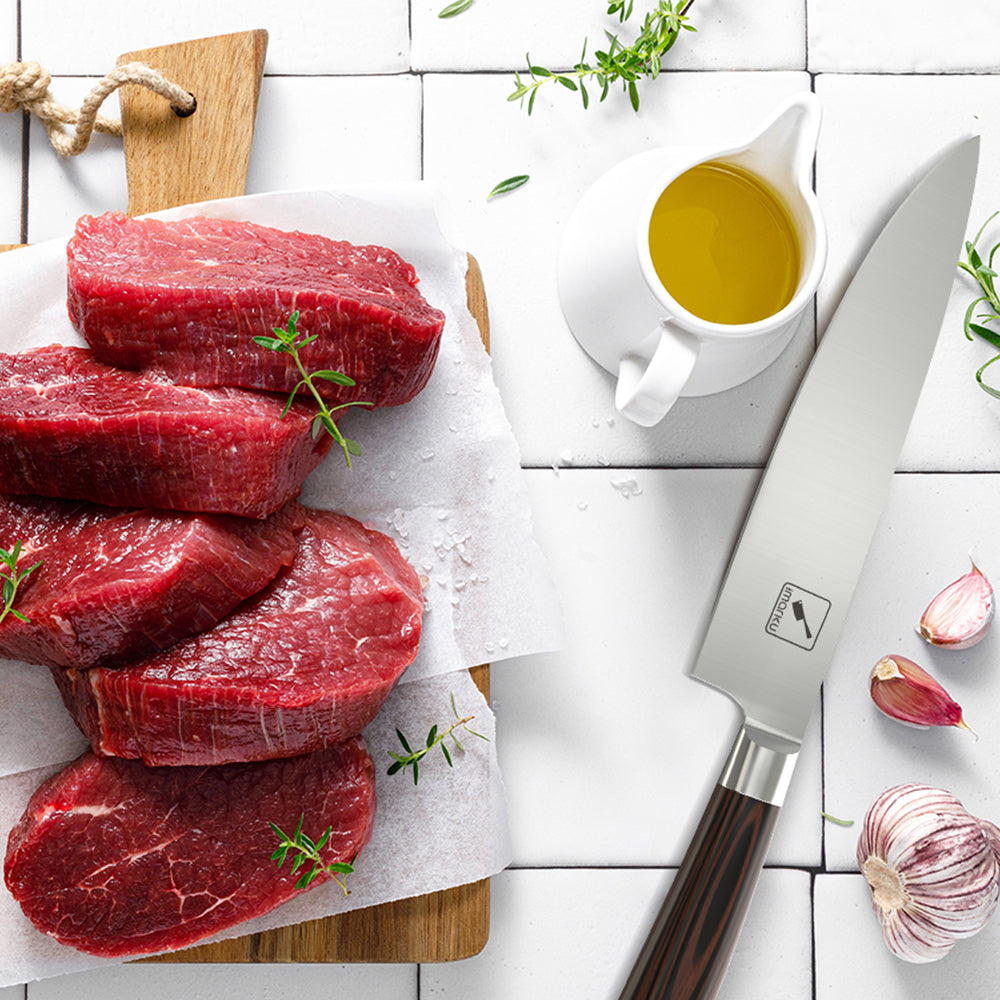
Raw meat, poultry, and seafood may contain harmful microorganisms. When a knife cuts through these ingredients, microorganisms can remain on the blade, handle, or other surfaces touched during preparation.
For example, after cutting raw chicken, do not immediately use the same unwashed knife to slice tomatoes or cucumbers for a salad. Wash and sanitize the knife before using it for another food preparation task.
Simply wiping the blade with a kitchen towel is not an adequate replacement for proper cleaning and sanitizing. Food residue and microorganisms may remain even when the blade looks clean.
Before Preparing Ready-to-Eat Foods
Ready-to-eat foods are ingredients that will be consumed without another cooking step designed to reduce harmful microorganisms. Examples include fresh fruit, salads, bread, cooked vegetables, and prepared sandwiches.
If a knife has previously touched raw meat or seafood, it must be properly cleaned and sanitized before being used on these foods. This helps prevent cross-contamination and reduces the chance of transferring microorganisms from one ingredient to another.
When Switching Between Different Food Preparation Tasks
Using one knife for several ingredients is convenient, but the blade must be cleaned and sanitized when a change in ingredients or preparation conditions creates a contamination risk.
This is particularly important when moving between raw animal products and vegetables or other foods that will be eaten without further cooking. In commercial kitchens, food-contact equipment must also follow applicable food safety procedures.
After Contact with an Unclean Surface
A knife can become contaminated even if it has not touched raw meat. It might fall onto an unclean countertop, touch a dirty cutting board, or come into contact with an unwashed hand.
If the blade or handle touches a potentially contaminated surface, clean and sanitize the knife before using it again. When you are unsure whether a knife is safe to use, taking the time to clean it properly is the better choice.
2. Cleaning vs. Sanitizing: Understanding the Difference
Cleaning and sanitizing are two different steps in kitchen hygiene. Both are important, but they serve different purposes.
What Does Cleaning Do?
Cleaning removes visible food particles, grease, dirt, and other residue from a knife. It generally involves water, dish soap, and physical washing with a suitable sponge or cleaning tool.
For example, washing a chef's knife after slicing raw chicken helps remove food residue from the blade and handle. However, cleaning alone does not necessarily reduce microorganisms to the level required for food safety.
What Does Sanitizing Do?
Sanitizing reduces microorganisms on an already-clean food-contact surface to a level considered safe under applicable food safety standards.
For kitchen knives, use an appropriate food-contact surface sanitizer and follow the manufacturer's instructions carefully. Pay attention to dilution, contact time, and whether rinsing or air-drying is required.
The key difference: Cleaning removes dirt and food residue, while sanitizing reduces microorganisms. A knife should be cleaned before it is sanitized.
3. How to Properly Clean and Sanitize a Kitchen Knife
Maintaining a clean knife does not need to be complicated. A consistent routine helps remove food residue, reduce contamination risks, and keep your kitchen tools in good condition.
Step 1: Remove Food Residue
Start by removing visible food particles from the blade. Use running water to loosen residue, paying attention to the blade heel, spine, and area near the handle.
Always handle the knife carefully. Keep your fingers away from the cutting edge, and never leave a sharp knife hidden under soapy water in a sink.
Step 2: Wash with Dish Soap
Apply dish soap and use a non-abrasive sponge to wash both sides of the blade and the handle. Use controlled movements and avoid pushing your hand toward the sharp edge.
Do not overlook the handle. Food residue and contamination can transfer from hands to the handle during preparation. Textured areas and the connection between the blade and handle should also receive attention.
Step 3: Rinse Thoroughly
Rinse the entire knife under clean running water to remove soap and loosened debris. Make sure no detergent remains before proceeding to the sanitizing step.
Step 4: Sanitize When Required
Use a sanitizer specifically approved for food-contact surfaces. Follow its instructions for the correct concentration, contact time, and drying or rinsing requirements.
Do not assume that every household disinfectant is suitable for kitchen knives. Some products are not intended for surfaces that come into direct contact with food.
Step 5: Dry and Store Properly
Follow the sanitizer's instructions for drying. Once the knife is ready to be stored, keep it in a clean and dry location, such as a suitable knife block, protective sheath, or magnetic knife holder.
Proper drying also helps reduce water spots and corrosion, depending on the blade material. Avoid leaving a knife wet in the sink or storing it while food residue remains on the surface.
4. Common Kitchen Knife Cleaning Mistakes
Even people who regularly clean their kitchens can overlook small details when maintaining their knives. Avoid these common mistakes to improve your food preparation routine.
Using the Same Unwashed Knife for Different Foods
A chef's knife is versatile, but it should not move directly from raw chicken to fresh vegetables without proper cleaning and sanitizing. Separate cutting boards and knives can also help organize food preparation safely.
Only Wiping the Blade with a Towel
Wiping may remove some visible residue, but it does not replace washing and sanitizing. A clean-looking blade is not necessarily free from harmful microorganisms.
Ignoring the Handle
The handle is frequently touched during cooking and can become contaminated through contact with hands, ingredients, and preparation surfaces. Clean the entire knife rather than focusing only on the cutting edge.
Using the Wrong Cleaning Products
Not all household cleaning products are suitable for food-contact equipment. Choose an appropriate sanitizer and follow its instructions. Avoid using harsh chemicals that could damage the blade or handle.
Storing Knives While They Are Wet
Moisture and food residue can affect knife condition over time. Always follow the manufacturer's care instructions and make sure the knife is properly dried before storage.
5. How to Choose a Kitchen Knife That Is Easy to Maintain
Cleaning habits are important, but choosing practical kitchen tools can also make everyday maintenance easier. A good kitchen knife should fit your cooking needs, feel comfortable in your hand, and be simple to care for after use.
Consider the Handle Design
A comfortable handle provides a secure grip and makes everyday cutting tasks easier to manage. Look for a design that feels balanced and comfortable during repeated use.
Understand the Blade Material
Different blade materials have different maintenance requirements. Some steels offer greater corrosion resistance, while others may require more careful drying and storage. Always check the manufacturer's specifications and care recommendations.
Look for Practical Blade Construction
A well-designed knife should be easy to inspect and clean. Pay attention to the overall construction, including the connection between the blade and handle, where food residue could collect.
Choose the Right Knife for Your Cooking Style
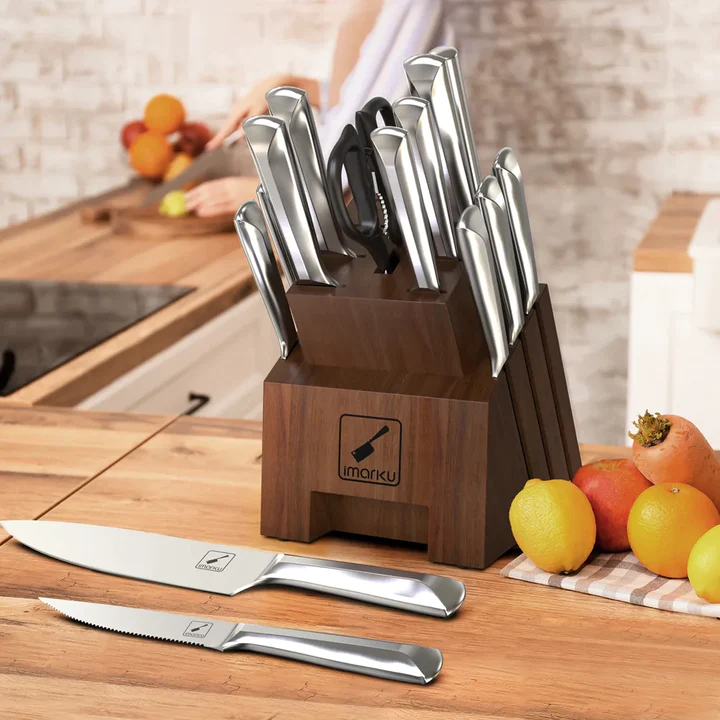
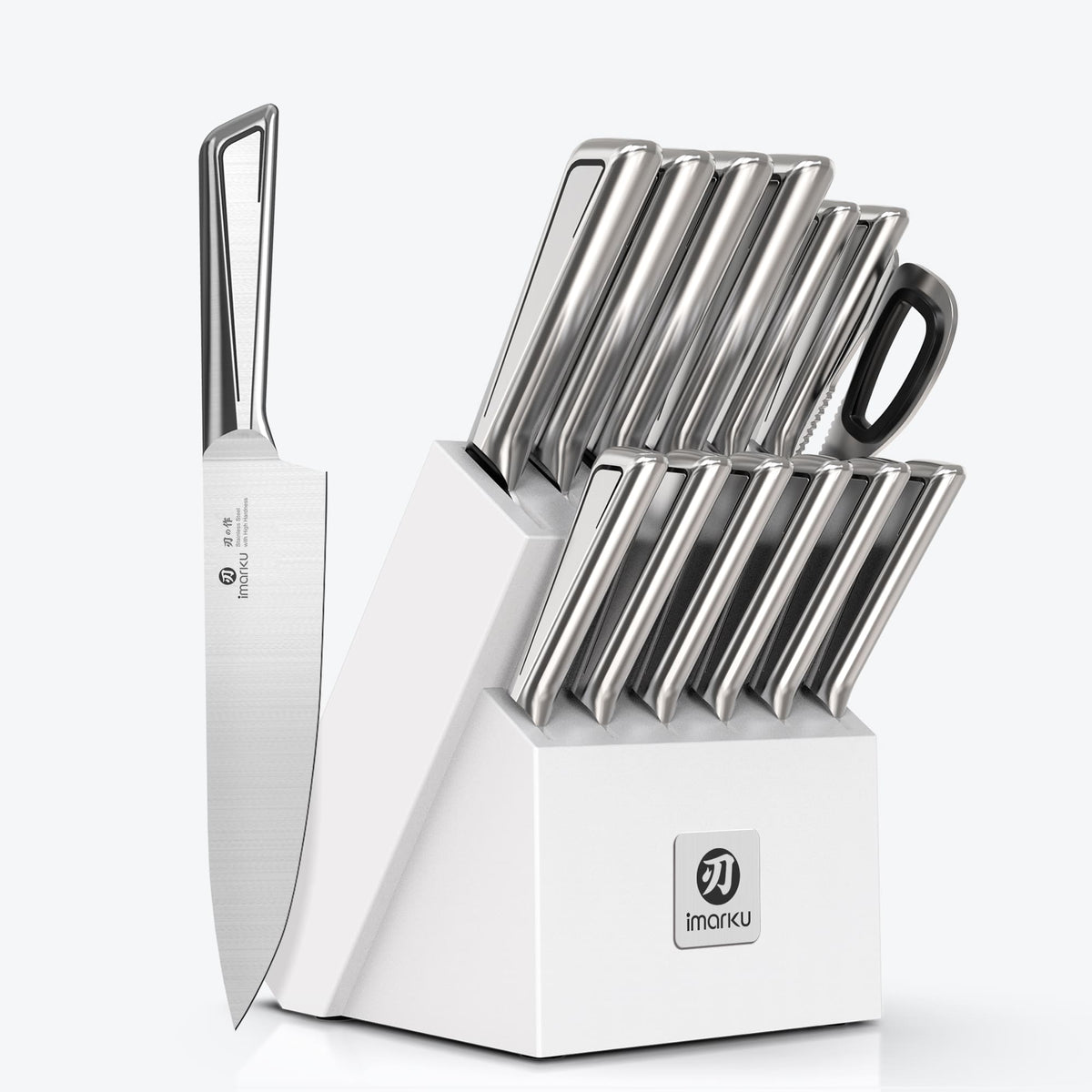
A chef's knife is useful for many everyday tasks, including chopping vegetables, slicing boneless meat, and preparing ingredients. A knife set may offer additional blade options for bread, fruit, and more specialized preparation.
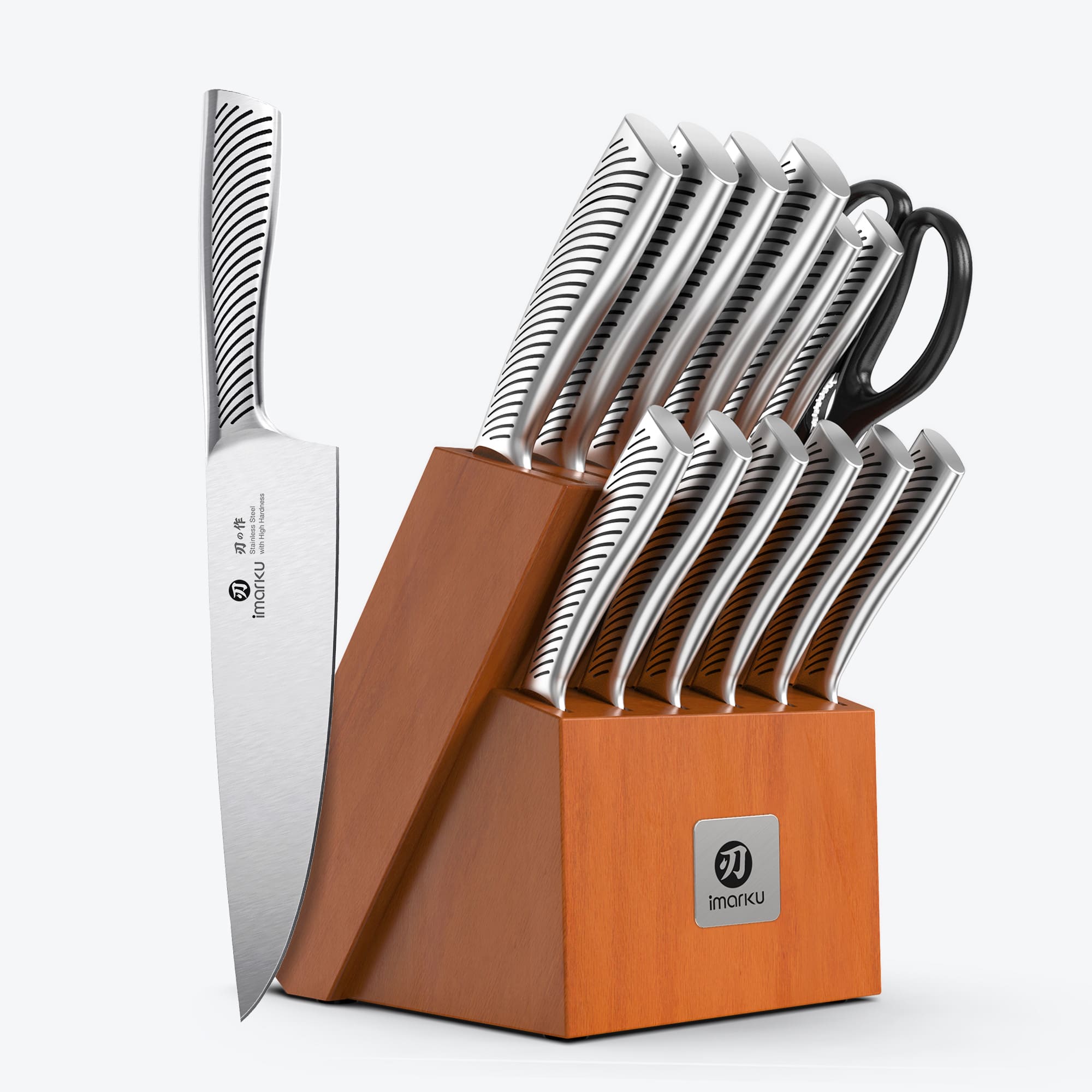
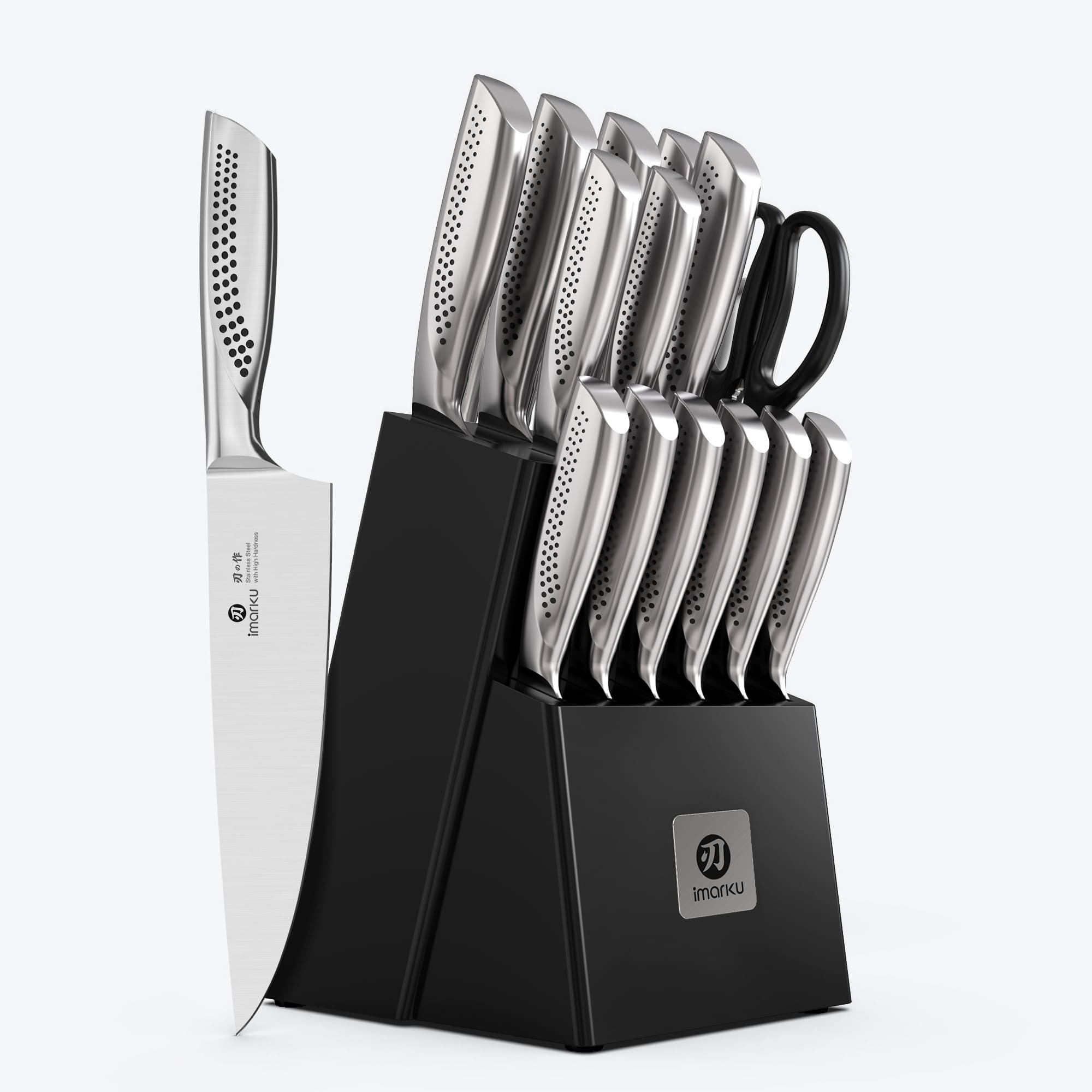
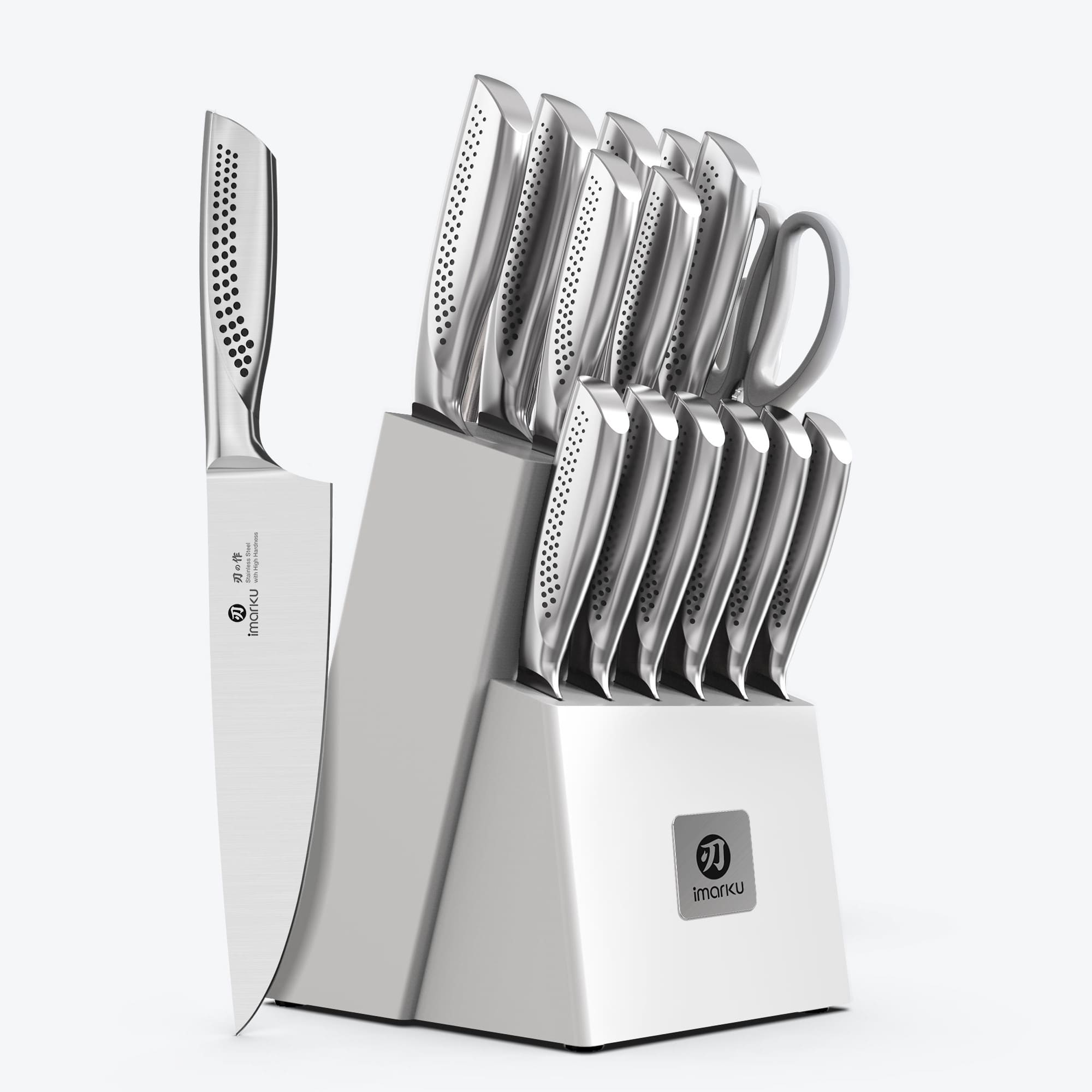
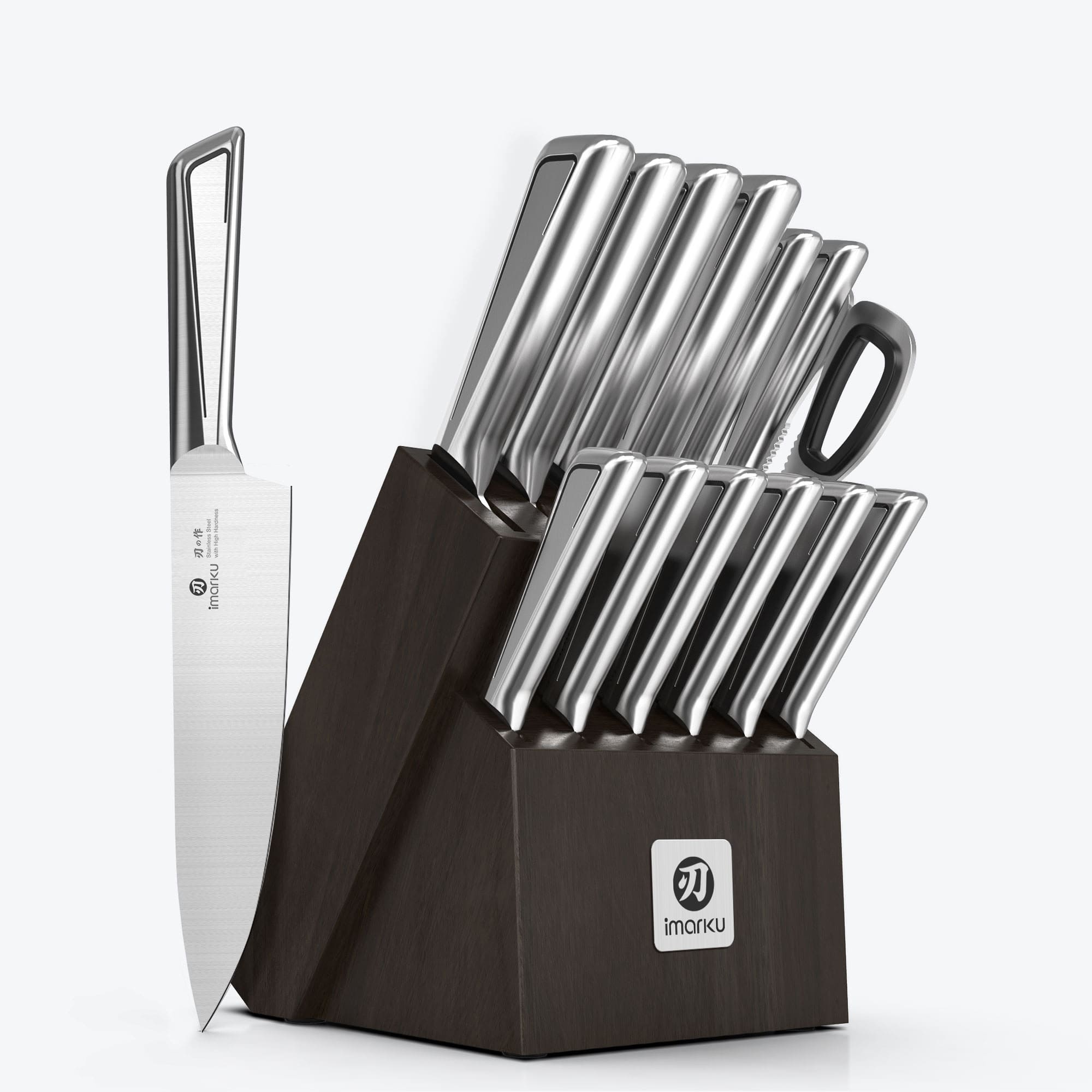
6. Discover imarku TS Series Kitchen Knives
Once you understand how to care for your kitchen knives, the next step is choosing tools that suit the way you cook. A reliable everyday knife should combine practical design, comfortable handling, and cutting performance that matches your kitchen routine.
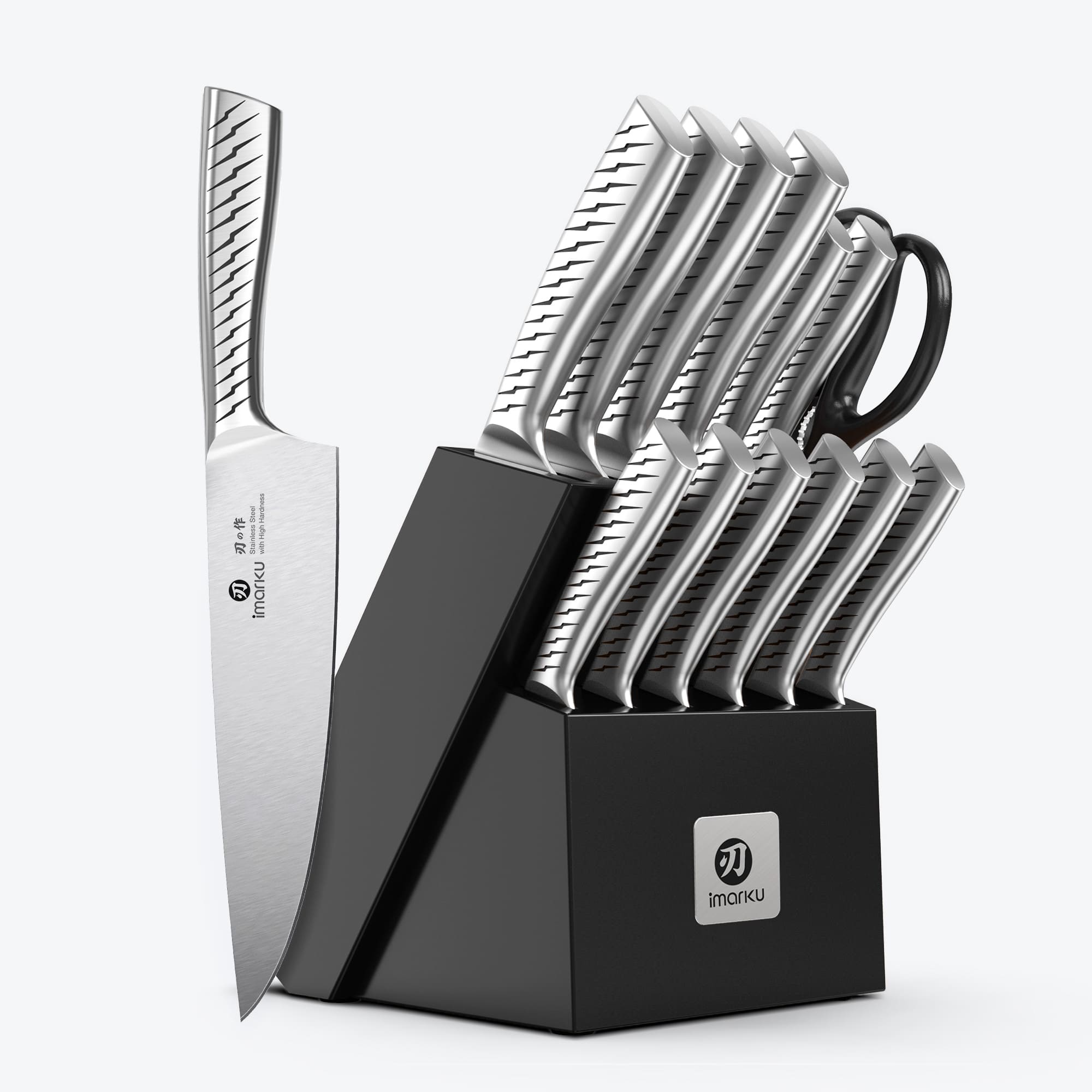
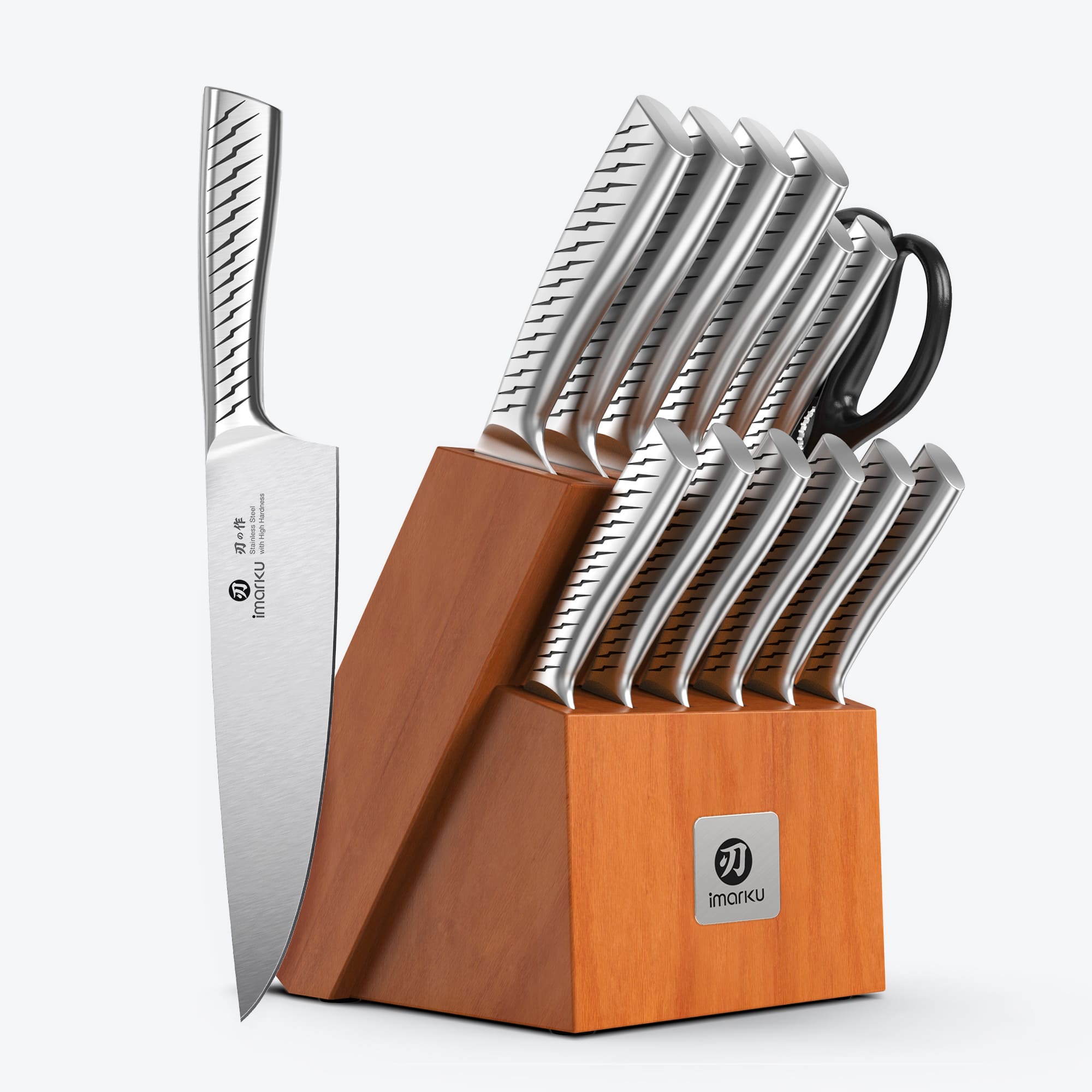
The imarku TS Series is worth exploring if you are looking for kitchen knives with updated designs. The series includes new design developments, giving home cooks more options when choosing knives for everyday food preparation.
When comparing TS Series models, consider the knife shape, intended cutting tasks, handle design, and the care instructions for the specific product. Choosing a knife that matches your cooking habits can make meal preparation more convenient.
Remember that even a well-made knife needs proper care. Clean it after use, sanitize it when food safety requires it, dry it correctly, and store it in a suitable place. Good maintenance helps you get more consistent use from your kitchen tools.
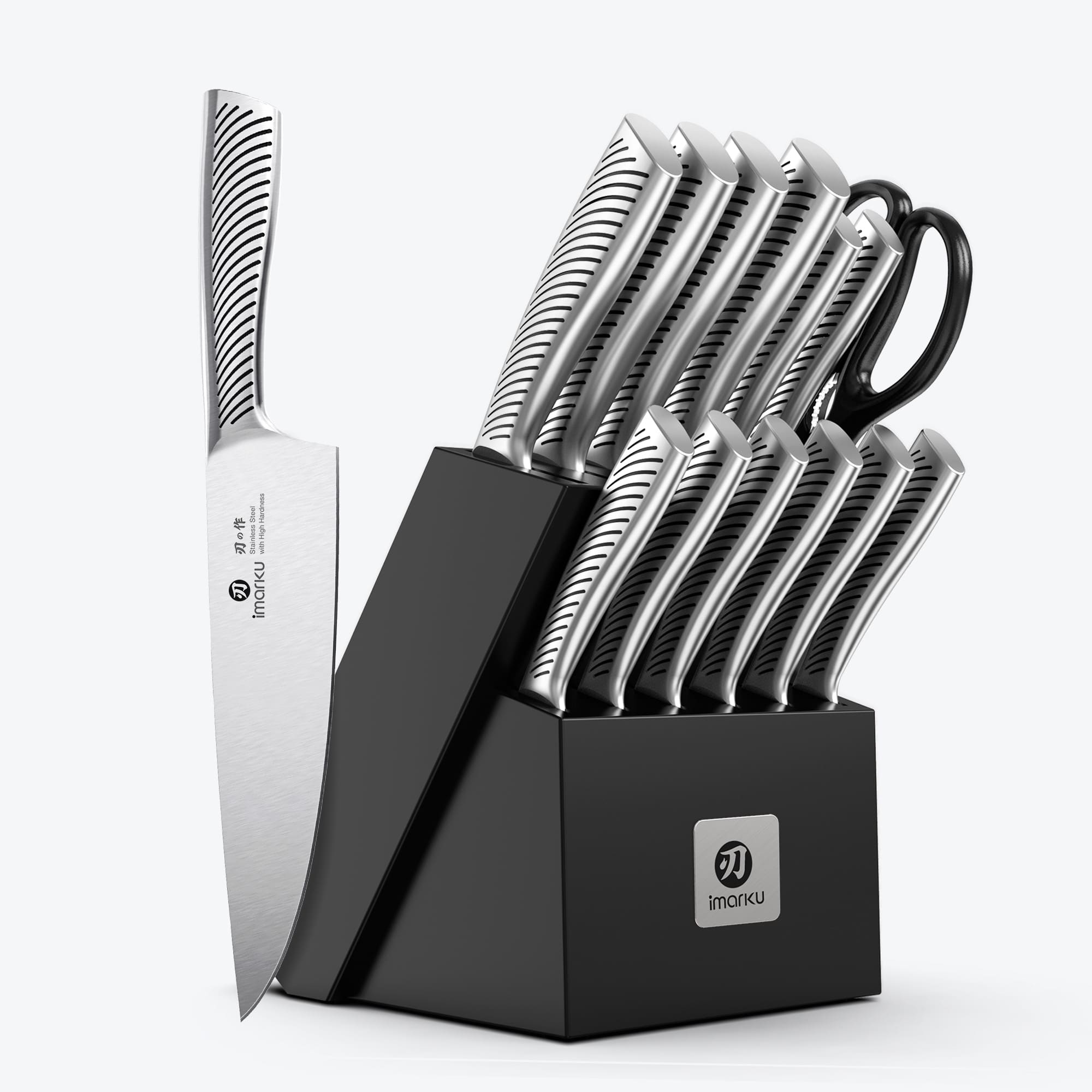
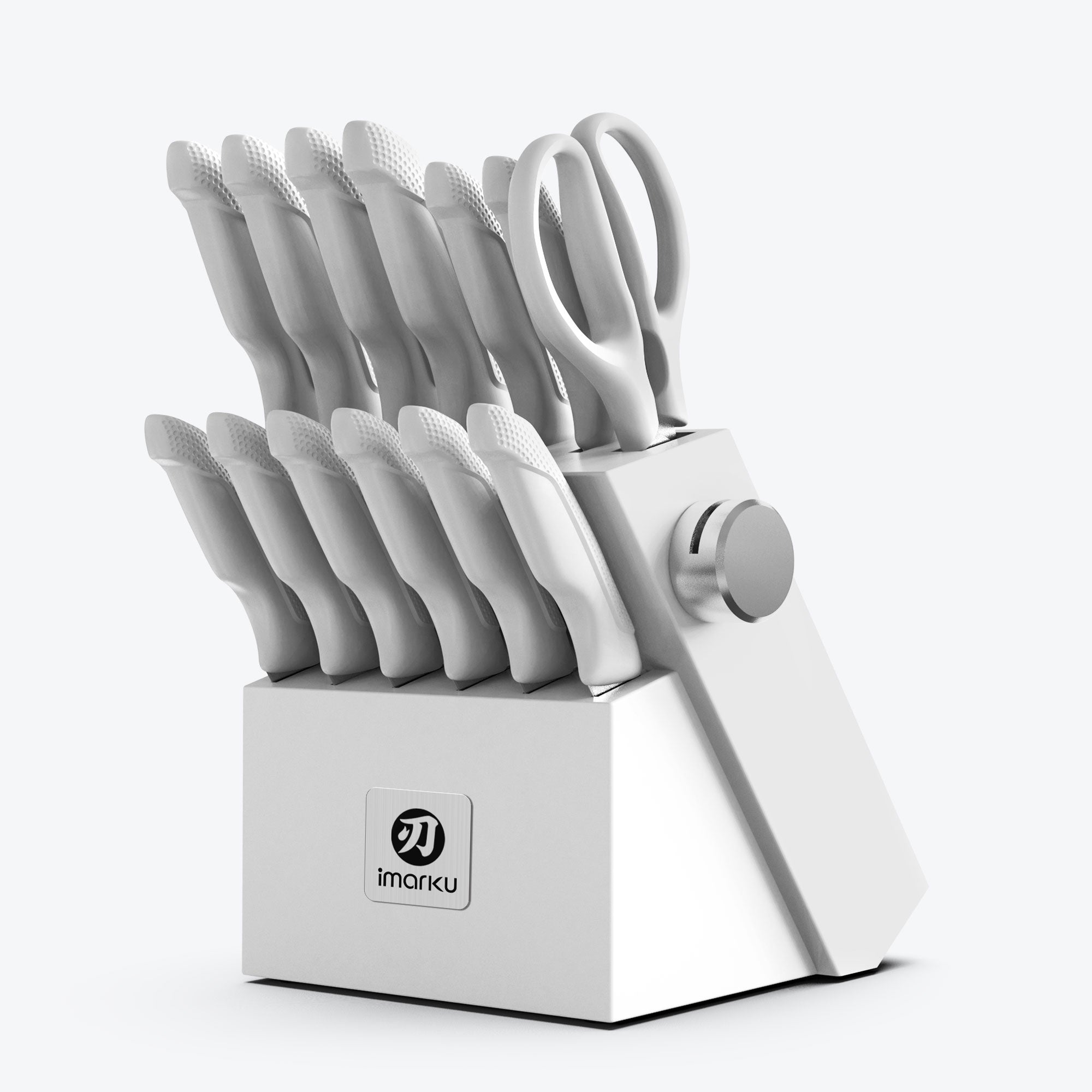
Explore the imarku kitchen knives collection to discover individual knives, or browse imarku knife sets if you want multiple tools for different kitchen tasks.
Frequently Asked Questions
When must a knife be cleaned and sanitized?
A knife should be cleaned and sanitized after handling raw meat, poultry, or seafood, before switching to ready-to-eat foods when contamination is possible, and whenever it touches an unclean surface. Follow the food safety requirements applicable to your kitchen.
Is washing a knife with dish soap enough?
Dish soap and water remove food residue and help clean the knife. However, cleaning is not the same as sanitizing. When sanitizing is required, use an appropriate food-contact surface sanitizer after cleaning.
Can I use the same knife for raw chicken and vegetables?
Yes, provided the knife is properly cleaned and sanitized before it is used on vegetables, particularly those that will be eaten raw. Using separate knives and cutting boards can also help prevent cross-contamination.
Should kitchen knives be washed after every use?
Kitchen knives should be cleaned after use so that food residue does not remain on the blade or handle. Whether sanitizing is also required depends on what the knife touched and the applicable food safety procedures.
How should I store a kitchen knife after cleaning?
Dry the knife according to its care instructions and store it in a clean, dry knife block, protective sheath, or suitable magnetic holder. Keep the blade protected from moisture and contact with dirty utensils.
Make Every Meal Easier with the Right Kitchen Knife
A clean kitchen is built on consistent habits. Knowing when to clean and sanitize your knife helps reduce cross-contamination risks and keeps food preparation more organized. Choosing a practical, well-designed knife also makes everyday cooking more enjoyable.
If you are ready to upgrade your kitchen tools, explore the imarku TS Series and kitchen knife collection. Find a knife that fits your cooking style, take care of it properly, and make every meal preparation a little easier.




Leave a comment
All comments are moderated before being published.
This site is protected by hCaptcha and the hCaptcha Privacy Policy and Terms of Service apply.