Filters
6 products

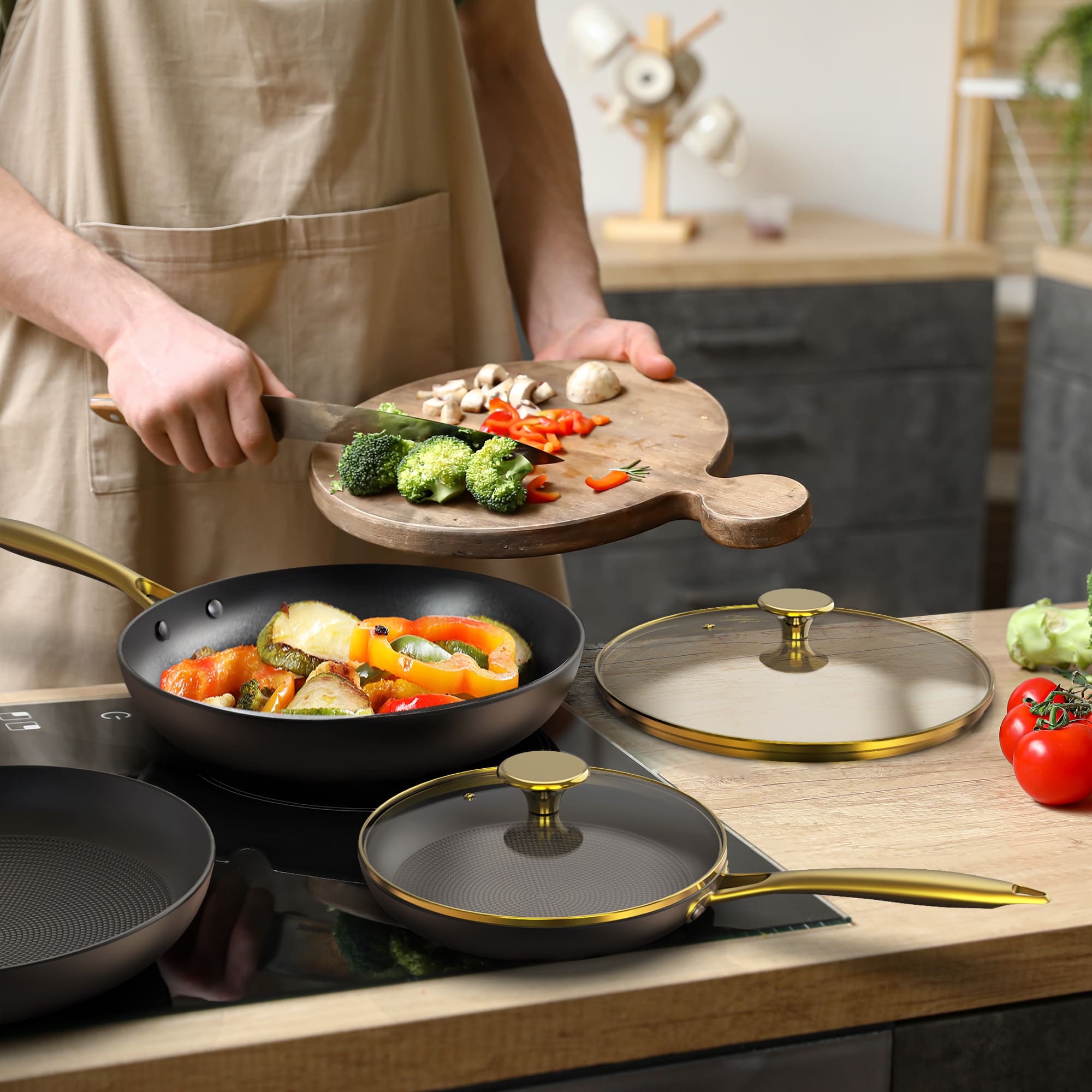
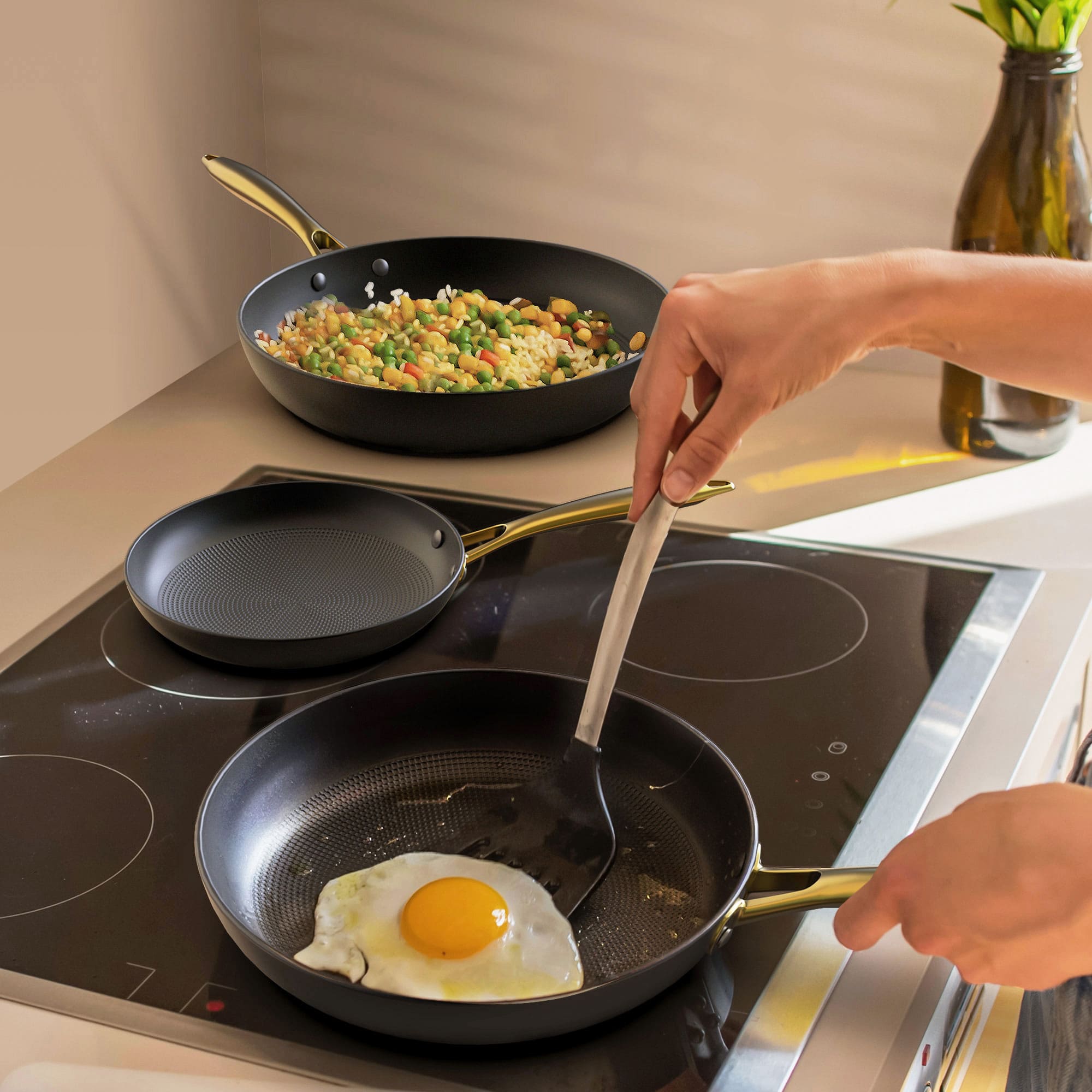
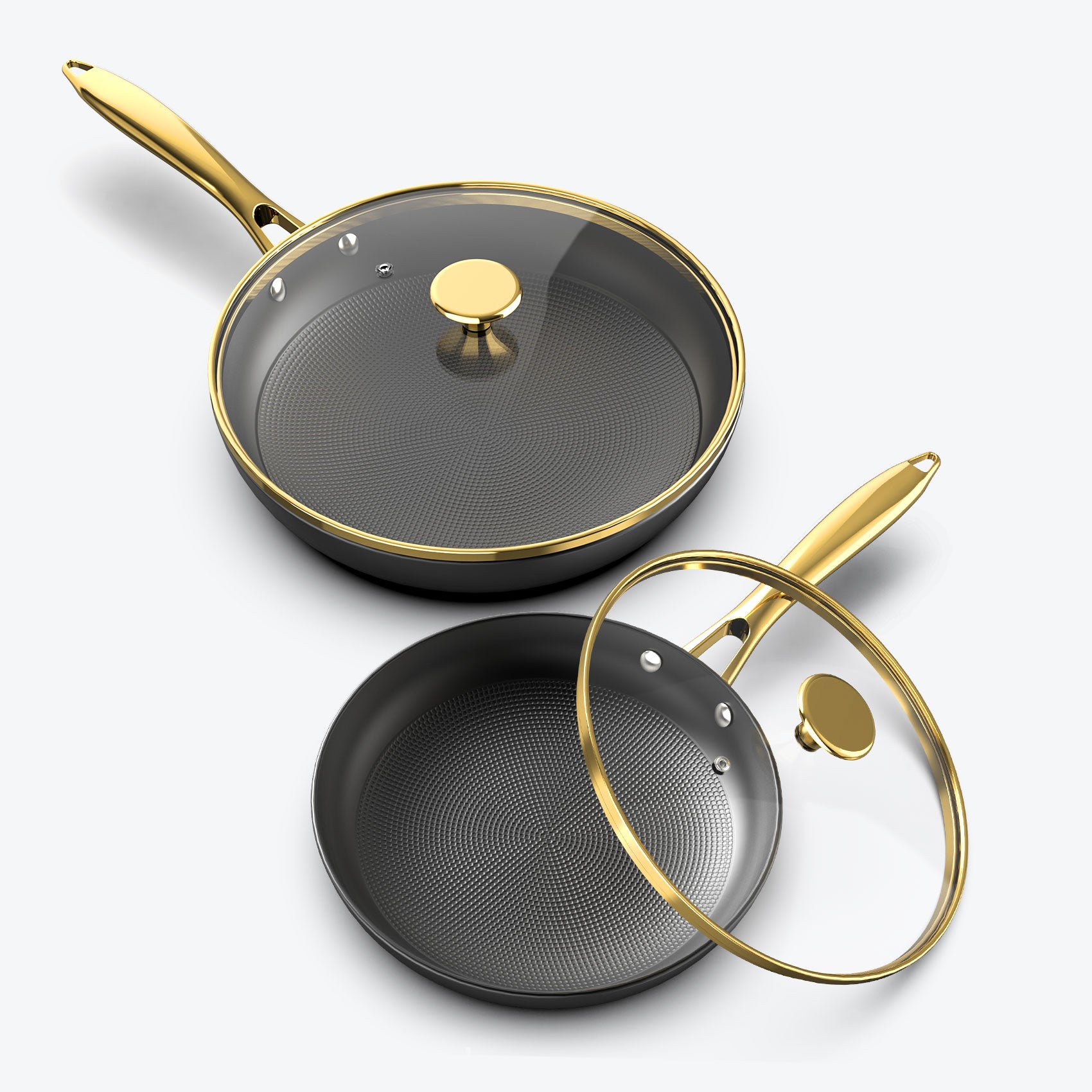
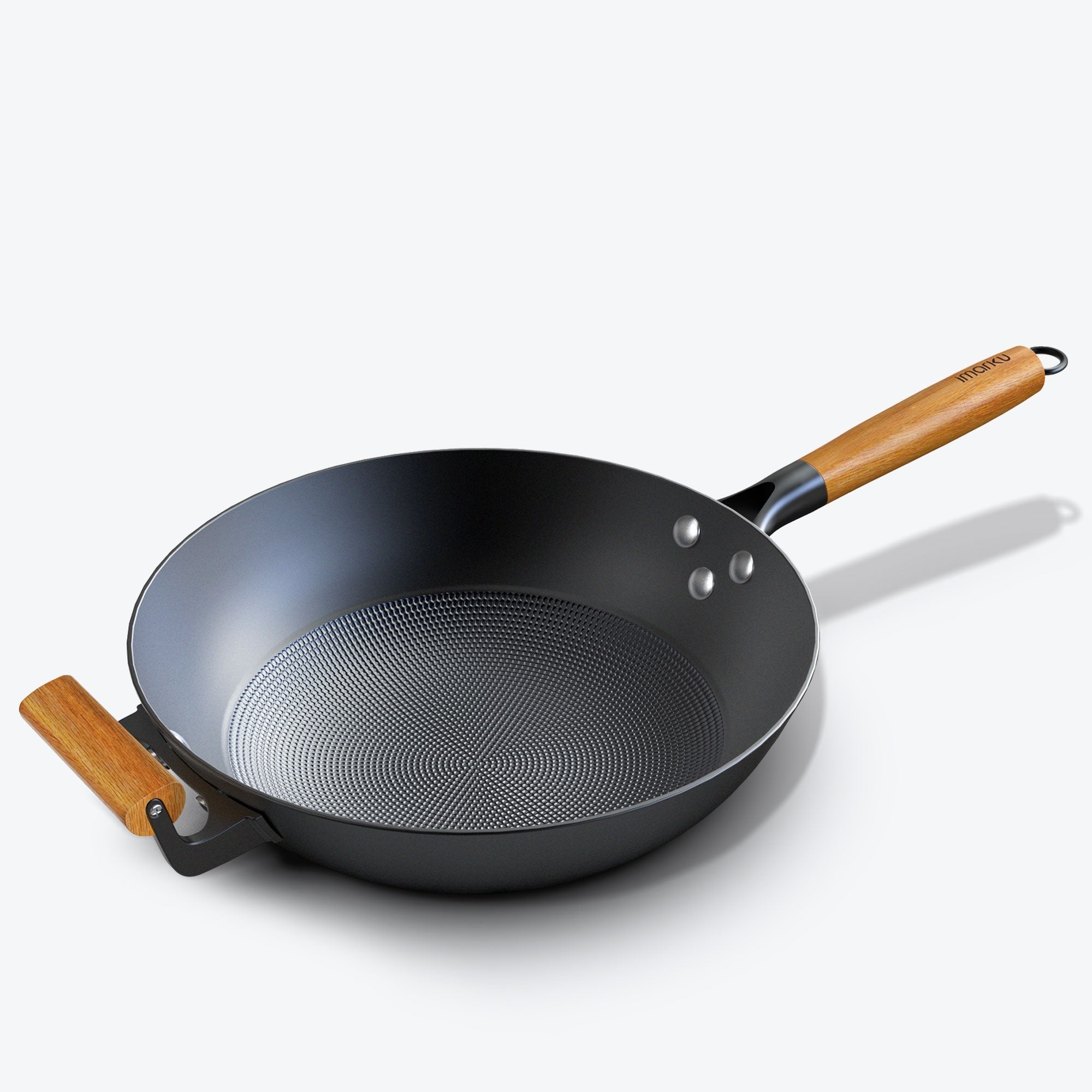
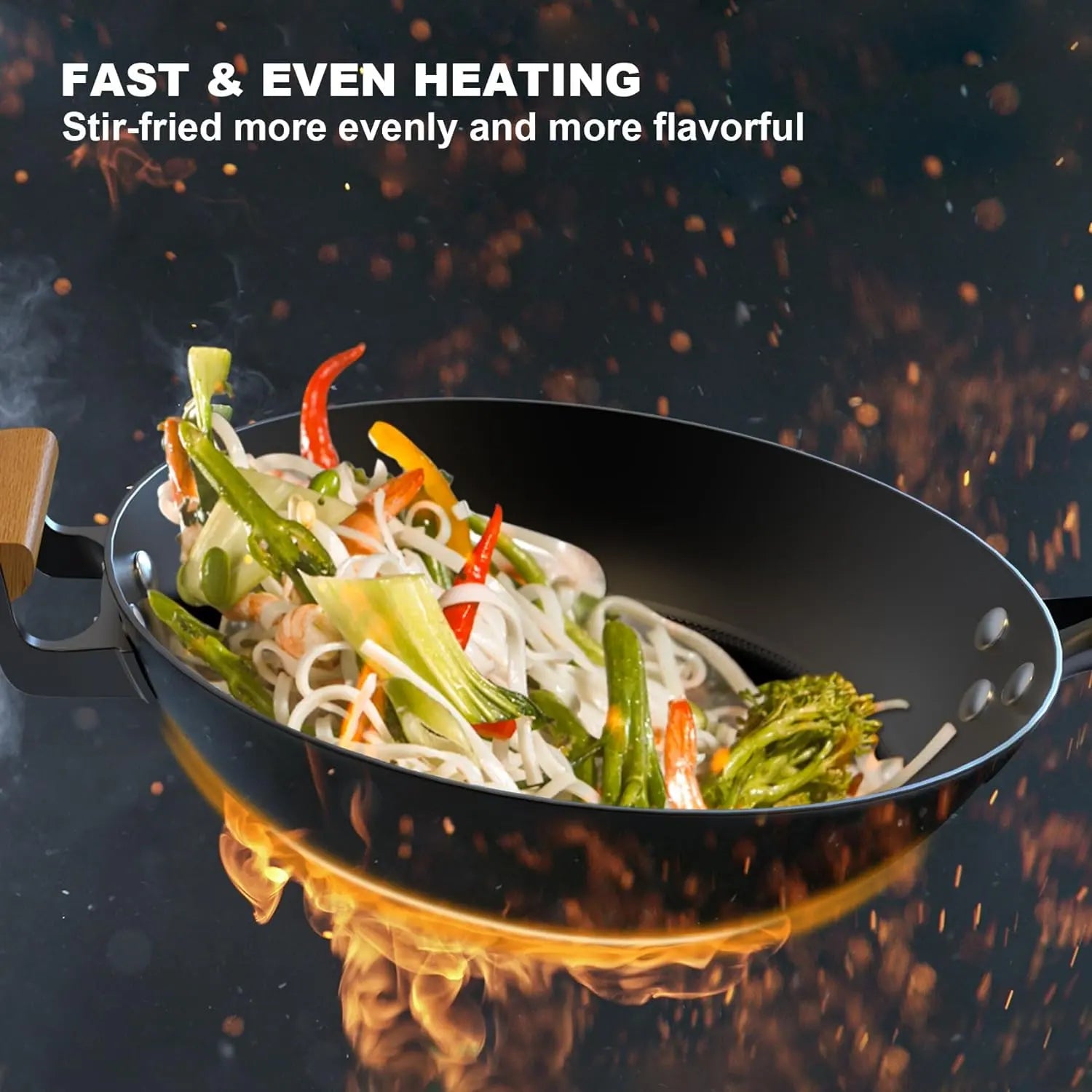
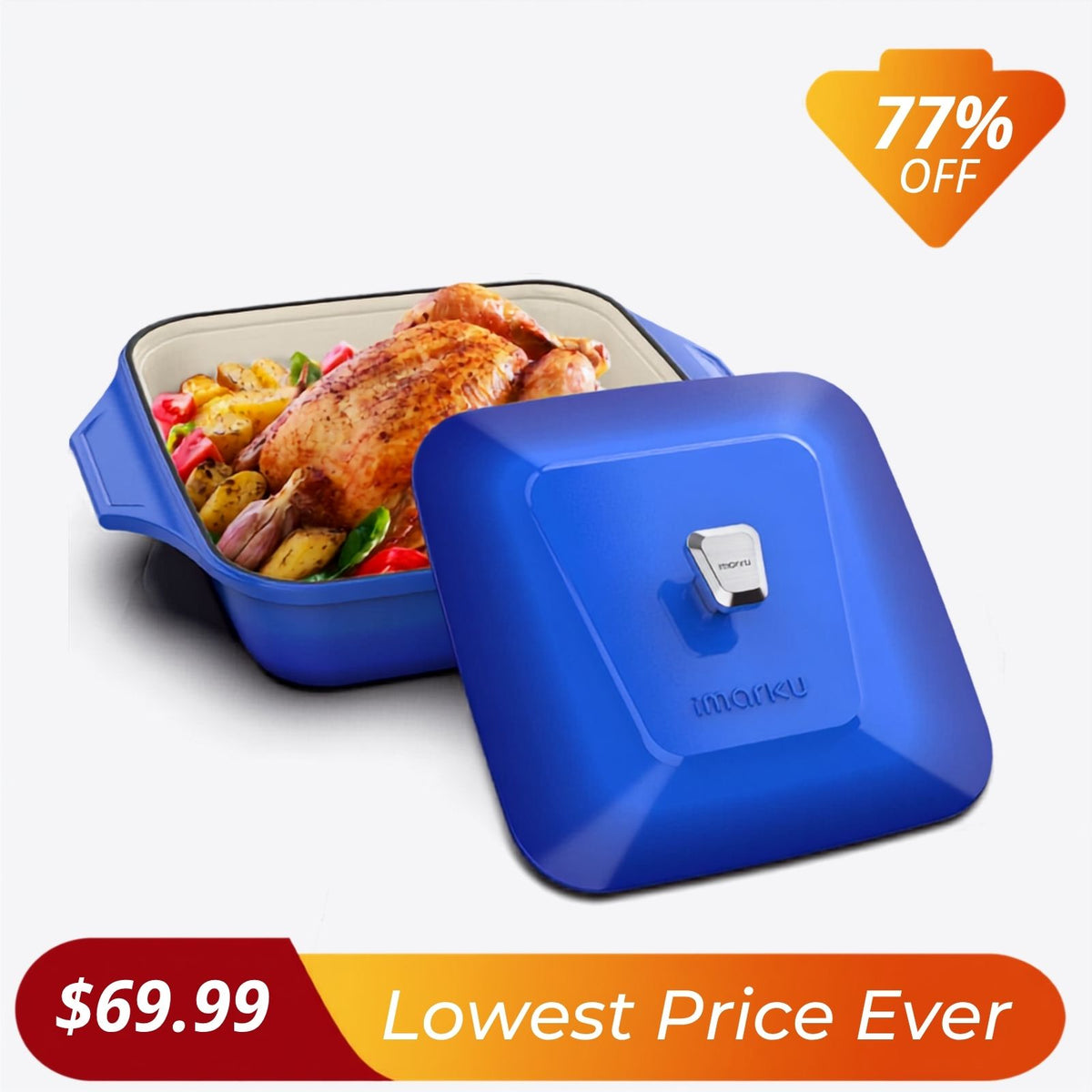

Cast iron is a durable metal made from iron and carbon, known for its excellent heat retention, even heating, and long-lasting performance. It’s widely used in skillets, Dutch ovens, and cookware that can handle high heat for searing, frying, baking, and roasting.
To season cast iron, coat the pan with a thin layer of oil, wipe off the excess, and bake it to create a natural non stick layer. Seasoning protects the skillet from rust and improves food release with every use.
The best temperature for seasoning cast iron is 400–450°F (205–230°C). Bake the oiled pan upside down for about an hour, then let it cool in the oven. This creates a strong, durable seasoning layer.
Enameled cast iron is cast iron coated with a smooth porcelain enamel layer. It does not require seasoning, resists rust, and is easier to clean than raw cast iron. It is perfect for soups, stews, braising, and everyday cooking.
To remove rust, start by sprinkling coarse salt on the surface or soaking the skillet in a vinegar-and-water solution (1:1 ratio) for a short period to loosen the rust. Then scrub thoroughly with steel wool or a stiff brush until the rust is gone. Rinse, dry completely, and re-season the skillet to rebuild its protective coating.
Clean a cast iron skillet by washing it with warm water and a scrub brush. Avoid soaking. Dry it immediately and apply a thin layer of oil to protect the seasoning. For stuck-on food, use salt scrub or heat the pan slightly to loosen debris.
With proper care, high-quality non stick pans typically last 2–5 years. To extend their lifespan, avoid metal utensils, extreme heat, or abrasive cleaners.
Absolutely. Cast iron skillets work on gas, electric, ceramic, induction, and even open-flame and campfire cooking. Their unmatched versatility is why they remain a top choice for professional chefs and home cooks.
Cast iron skillets are the best choice for searing steaks, browning meats, and oven finishing because they withstand extreme heat and retain temperature better than aluminum or stainless steel pans. This results in better browning and restaurant-quality crusts.
High-quality cast iron skillets made with PFOA-free coatings are safe for everyday cooking when used properly. Avoid overheating empty pans, and cook on medium to low heat to preserve the coating and ensure long-lasting performance.
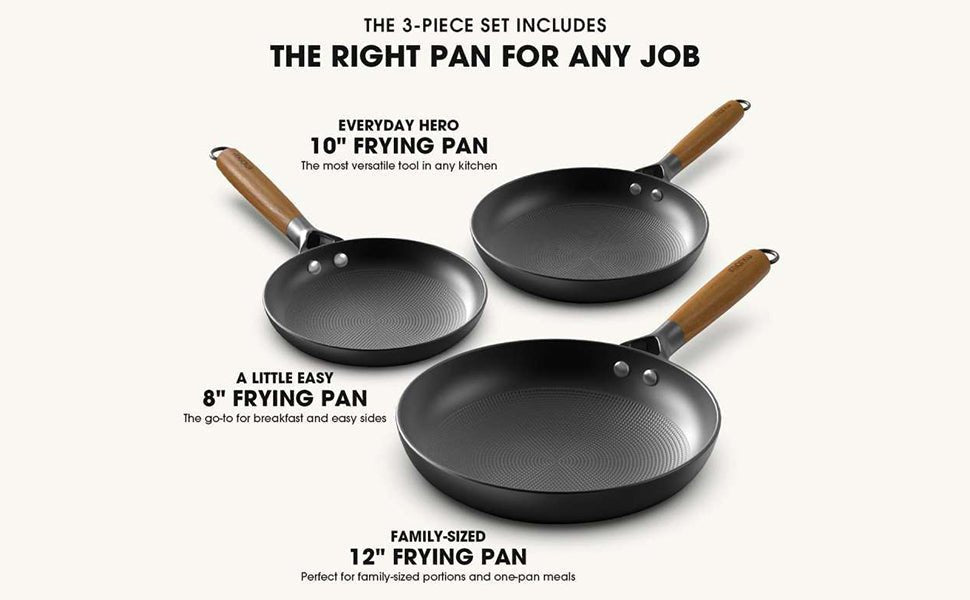
An In-Depth Look at the Imarku Cast Iron Honeycomb Nonstick Pan Set
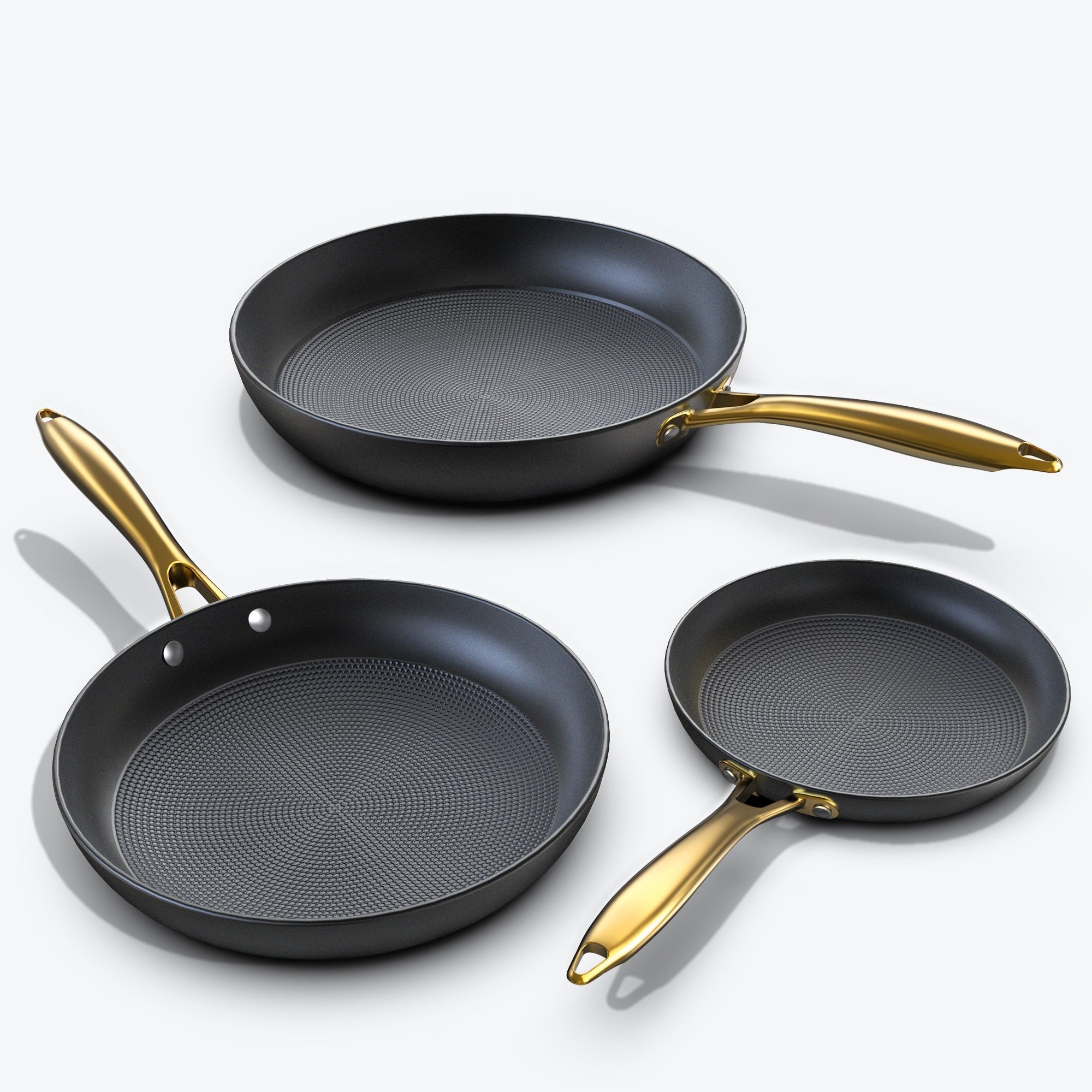
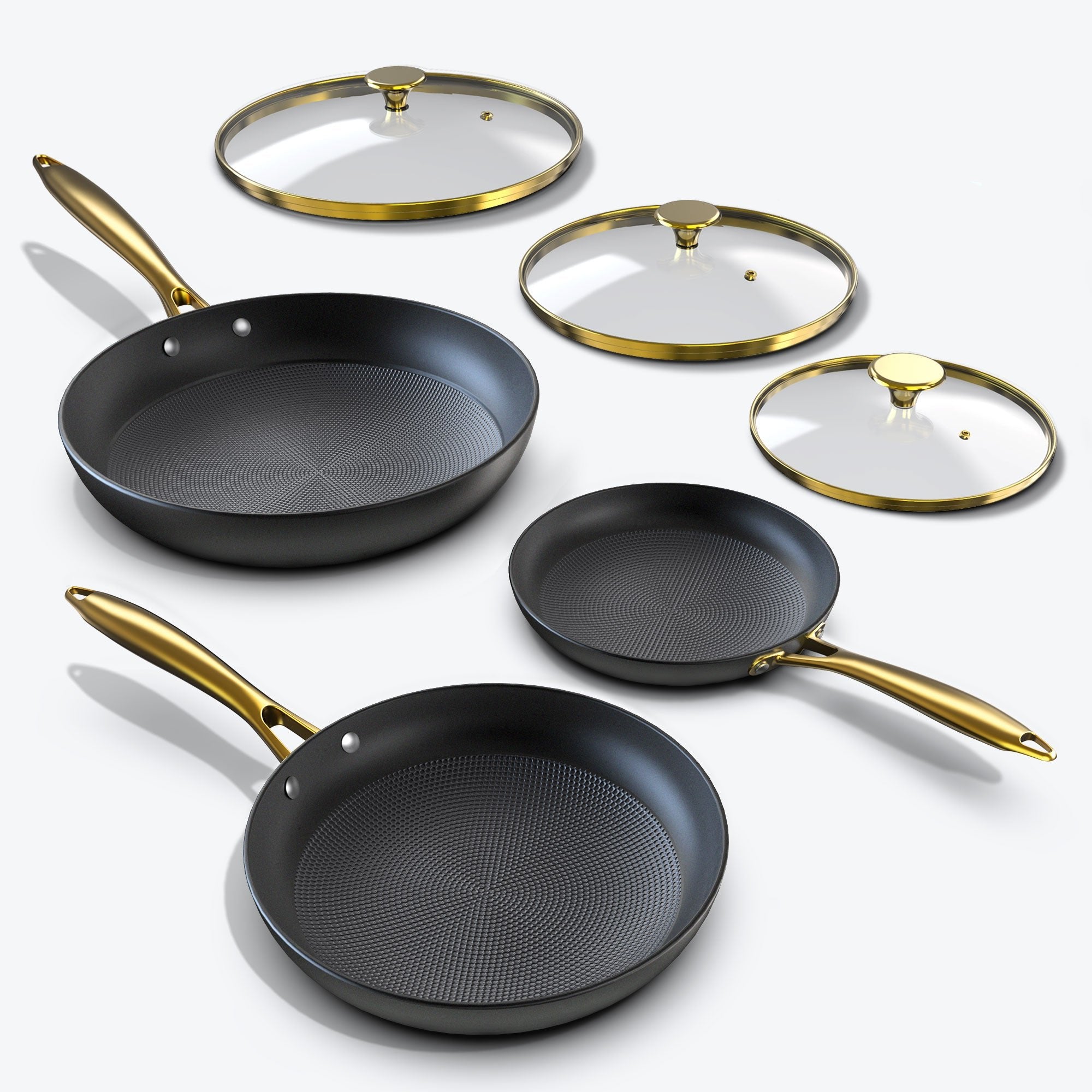
Introduction I’m not a professional chef, but I prepare breakfast daily and cook occasionally, so I was thrilled to receive the three-piece set of imarku Cast Iron Honeycomb Nonstick Skillets for r...
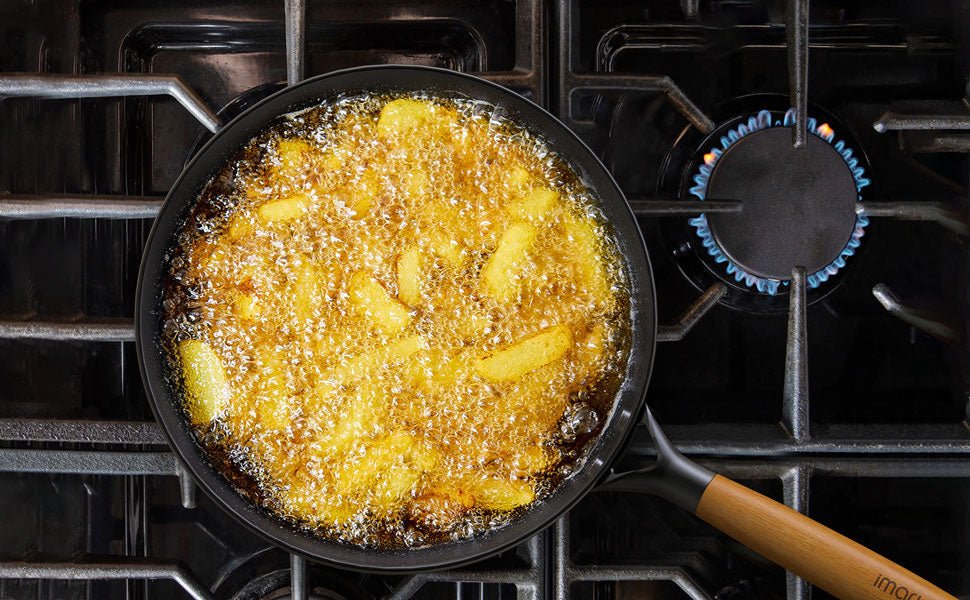
What are the best foods to cook in a cast iron pan?
Introduction A cast iron skillet is an extremely versatile kitchen tool that is loved by home cooks and professional chefs alike. It can be used for a variety of cooking methods, including frying, ...
Ceramic Cookware VS Stainless Steel (Pros and Cons)
You're contemplating between stainless steel and ceramic cookware but are unsure which to choose. Each option has advantages and disadvantages. You will therefore learn about the benefits and drawb...
imarku's santoku knife makes meal prep quicker and fun and no longer a tedious and necessary chore.

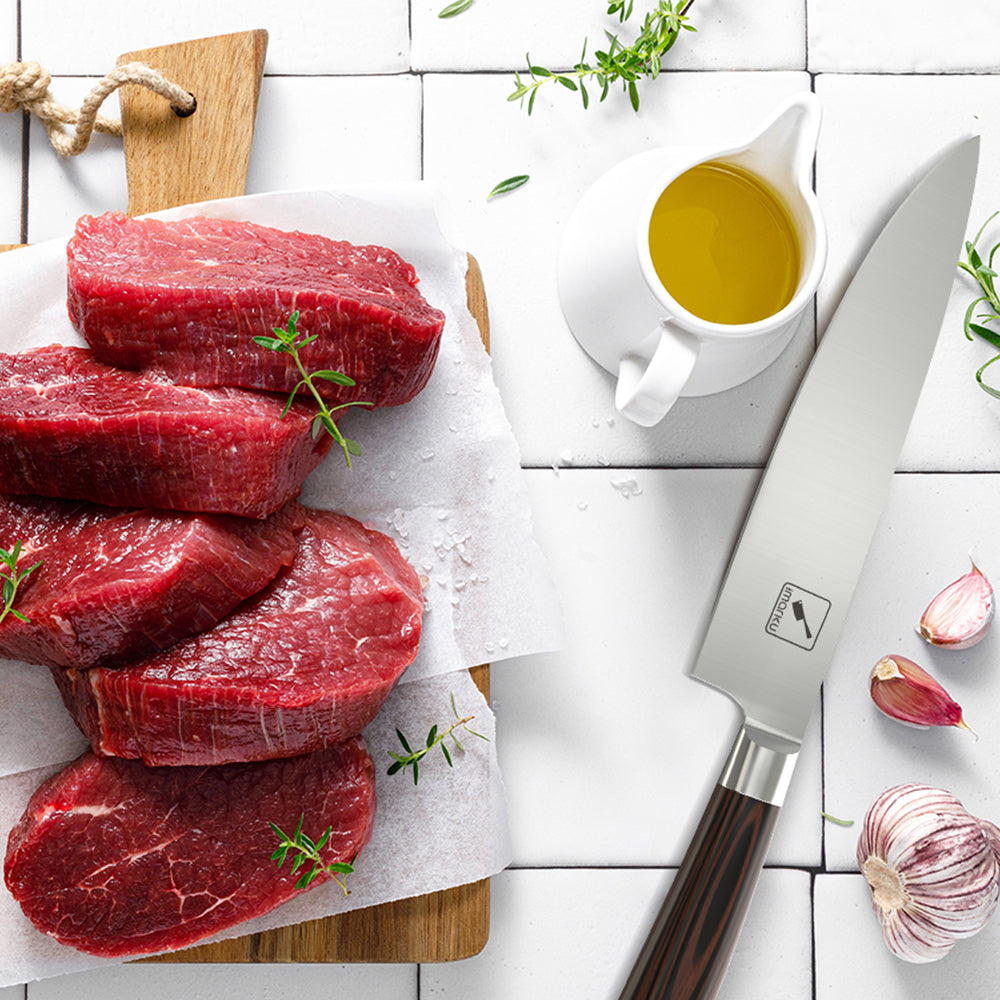
Every home chef should always have this highly-rated and all-purpose imarku chef's knife on hand.

The Imarku stands out for its sharpness, comfort, and flexibility, making it my top choice.

That's one thing you won't have to worry about with the affordable but ultra-slick Imarku Chef's Knife.

The handle minimizes fatigue and finger aches, while the chrome blade is anti-corrosion and anti-tarnish.