
A great knife can completely change how cooking feels. Faster prep, cleaner cuts, less fatigue, and more confidence all begin with the right blade. Whether you cook every night or only on weekends, choosing from the top kitchen knives available today helps you work safer, faster, and more efficiently.
Many buyers focus only on looks or brand names, but true performance depends on steel quality, balance, blade geometry, edge retention, and handle comfort. Some cooks need a chef knife for versatility, while others prefer flat-edge kitchen blades for vegetables that make clean chopping easier.
In this guide, we break down five practical knife styles worth owning in 2026, explain what each does best, and help you choose the smartest option for your kitchen.
What Makes a Great Kitchen Knife?

Not every expensive knife is worth buying. The best kitchen knives usually combine these features:
1. Balanced Feel
A knife should feel stable and controlled. Too heavy causes fatigue, while too light can feel weak.
2. Quality Steel
Popular materials include VG10 steel, German steel, and high-carbon stainless steel. Better steel improves edge retention and corrosion resistance.
3. Ergonomic Handle
An ergonomic handle helps reduce hand strain during longer prep sessions.
4. Purpose-Driven Shape
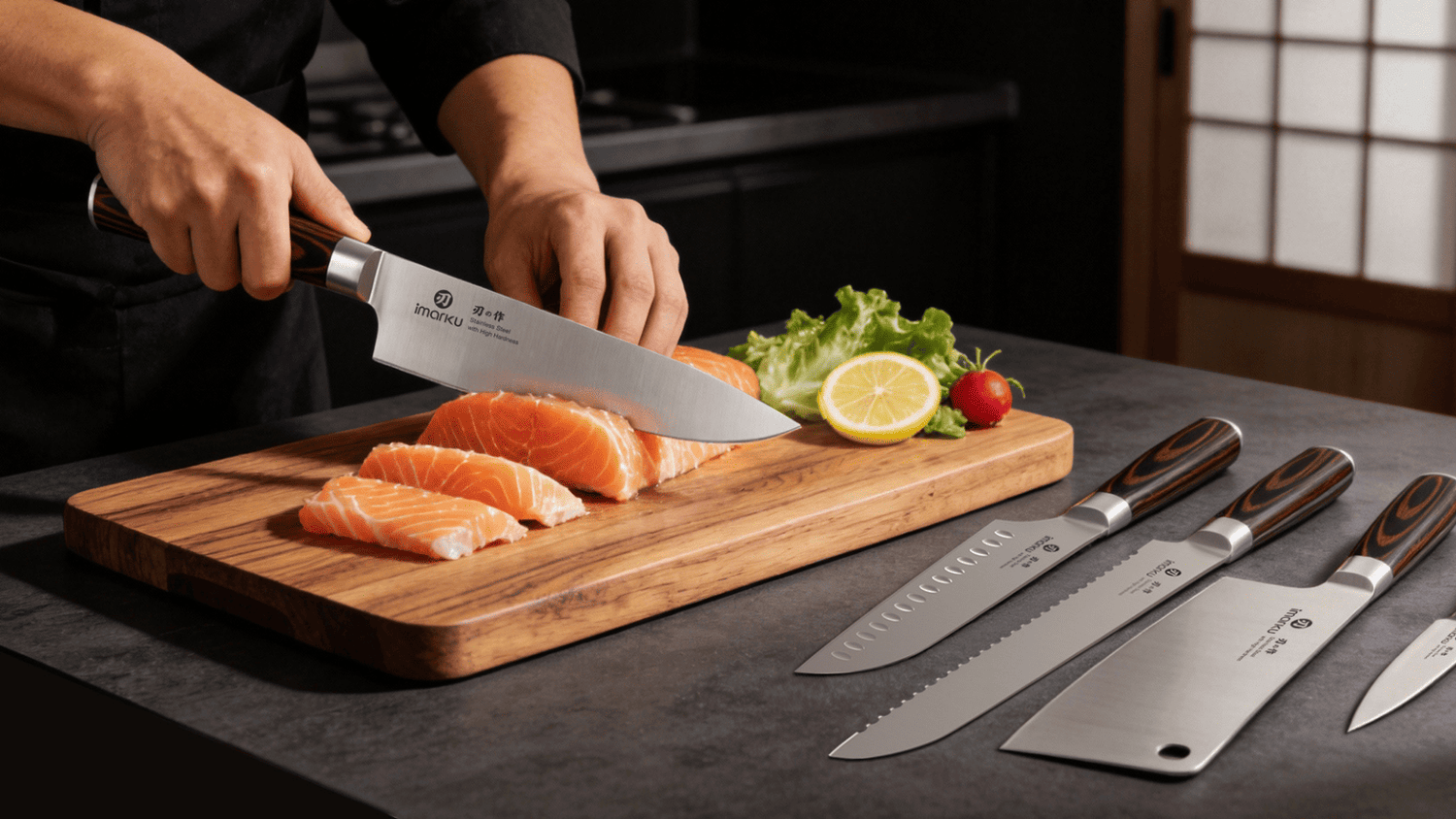
Blade shape matters. A chef knife rocks smoothly, a santoku slices efficiently, and a paring knife handles detail work.
5. Easy Maintenance
Even premium blades need regular honing and safe storage. Many home cooks improve longevity by learning smart knife care and safety tips.
5 Top Kitchen Knives Worth Buying
1. Imarku Chef Knife – The Most Versatile Everyday Blade

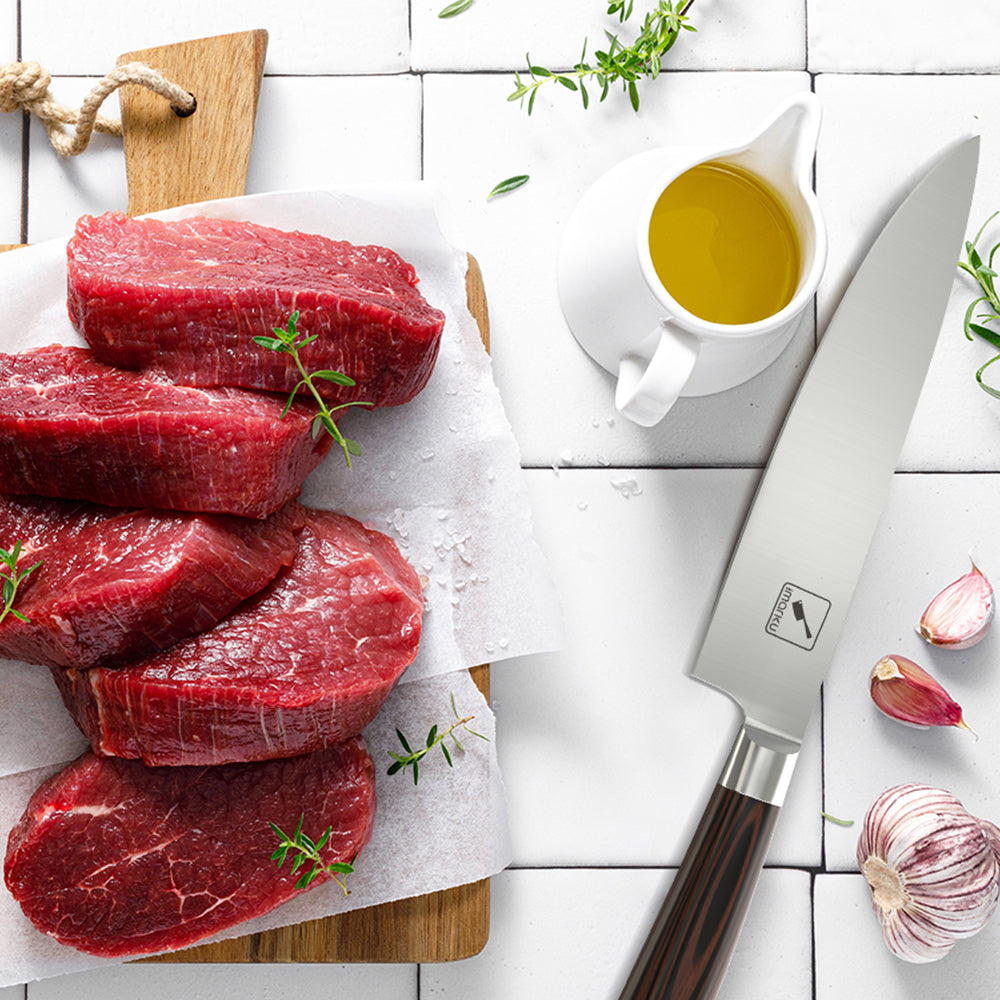
If you buy only one knife, start with a chef knife. Usually 8 to 10 inches long, it handles vegetables, herbs, meats, garlic, and fruit with ease.
- Excellent all-purpose performance
- Curved edge supports rocking cuts
- Strong enough for dense ingredients
Many households begin with premium kitchen knives for daily cooking because one quality chef knife covers most tasks.
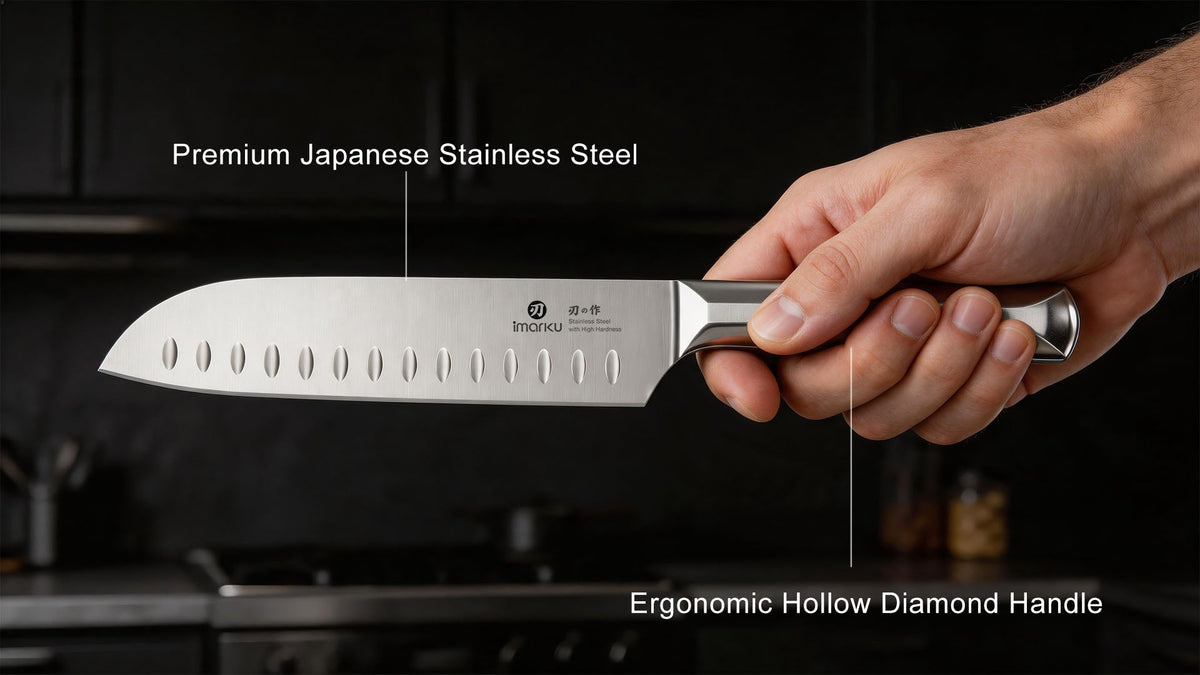
2. Imarku Santoku Knife – Fast and Efficient Precision

The santoku became popular worldwide for its compact feel and clean slicing ability. It works especially well for vegetables, boneless proteins, and herbs.
- Lighter and more agile than some chef knives
- Excellent push-cutting performance
- Comfortable for smaller hands
Before buying, many shoppers compare trusted Japanese brands worth knowing to understand build quality and steel options.
3. Imarku Nakiri Style Knife – Best for Vegetables

For cooks who prep vegetables often, many prefer Japanese-style vegetable cutters for faster, cleaner chopping. The flat edge makes full contact with the cutting board, reducing incomplete cuts.
- Perfect for onions, carrots, cabbage, herbs
- Fast up-and-down chopping motion
- Clean and precise vegetable prep
Home cooks wanting cleaner produce prep often explore high quality kitchen knives for clean slicing.
4. Imarku Bread Knife – Essential for Crusty Foods

A serrated bread knife is one of the most overlooked kitchen tools. It slices sourdough, pastries, tomatoes, and soft cakes without crushing them.
- Ideal for crusty loaves
- Great for tomatoes and delicate foods
- Useful beyond bread alone
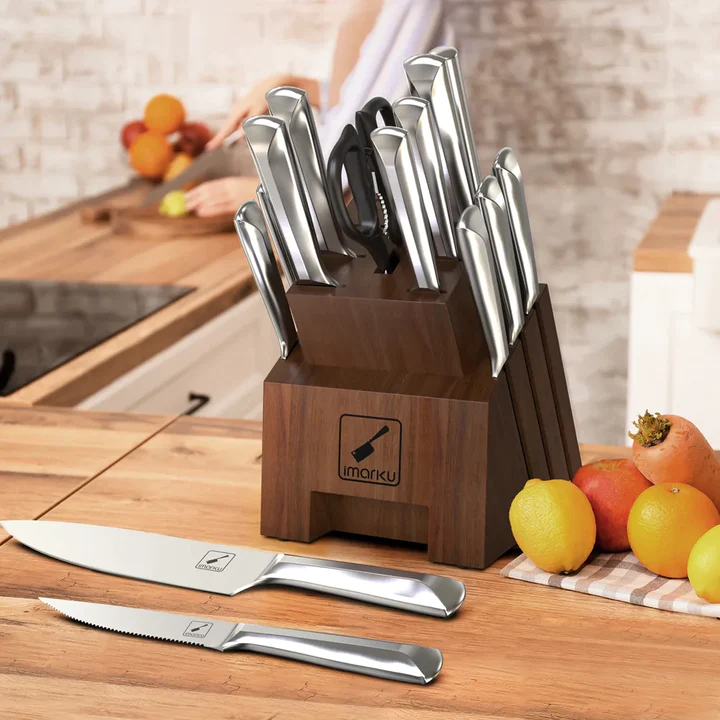
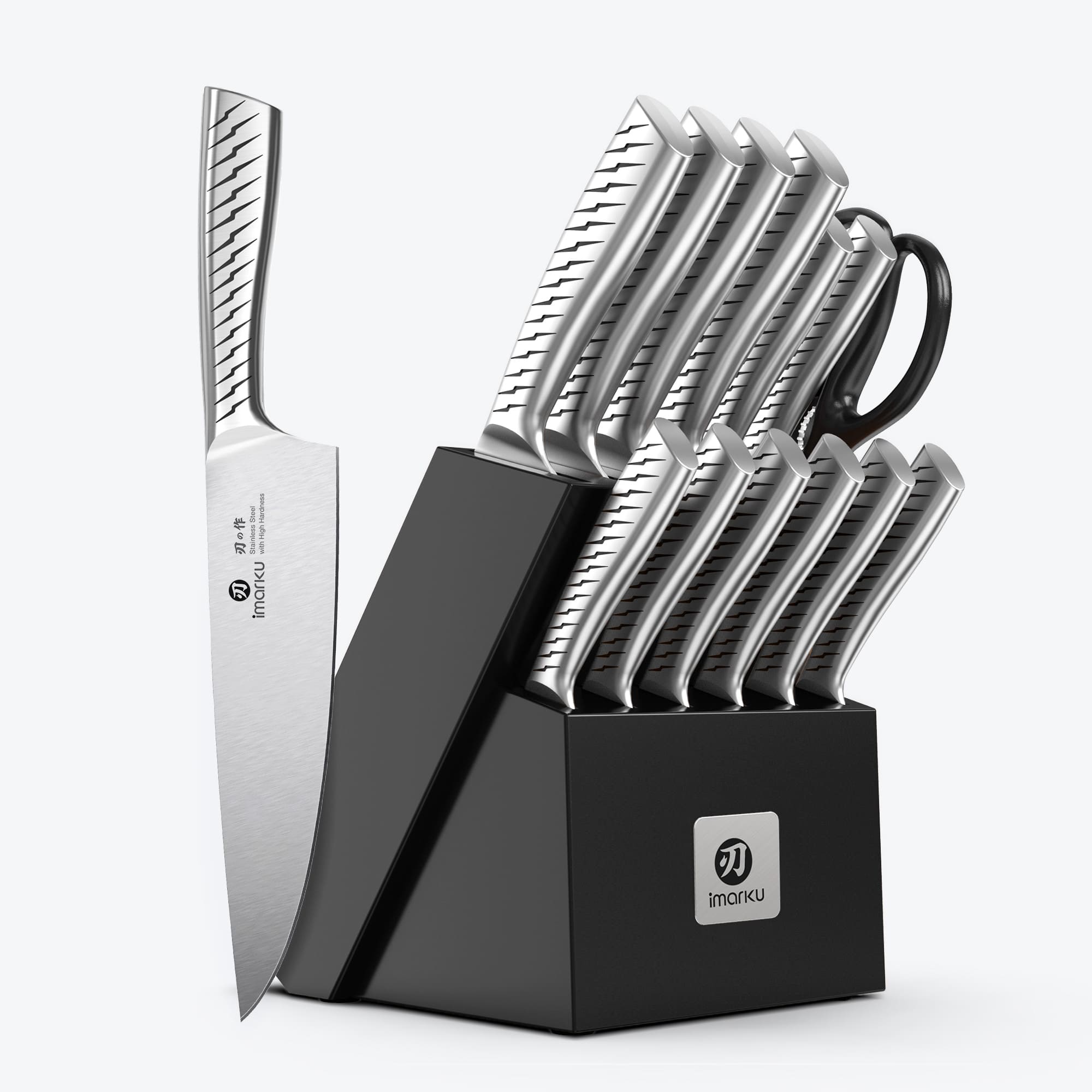
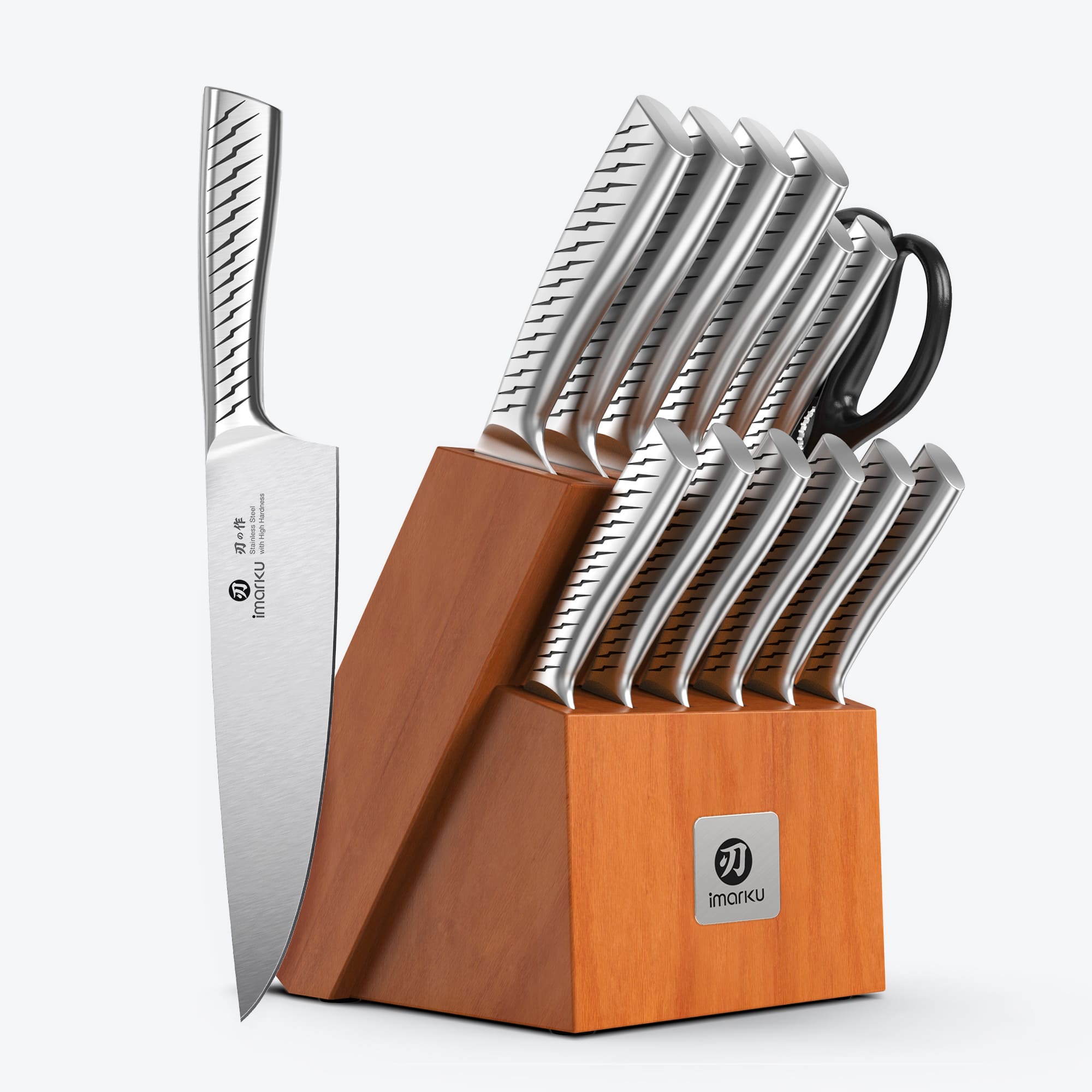
Many kitchens add this style through a versatile knife set for home kitchens.
5. Imarku Paring Knife – Small Blade, Big Value

The paring knife handles tasks larger knives cannot: peeling fruit, trimming vegetables, deveining shrimp, and decorative cuts.
- Excellent fingertip control
- Safer for detailed work
- Affordable and highly useful
Many buyers upgrading their setup choose chef-ready cutting tools that include a quality paring knife.
Which Knife Is Best for Vegetables, Meat, and Everyday Cooking?
Best for Vegetables
Choose a nakiri or other vegetable-focused kitchen knives.
Best for Meat
Choose a chef knife with enough length and strength for portioning proteins.
Best for Daily Cooking
Choose a chef knife or santoku depending on your cutting style.
Best for Bread and Tomatoes
Choose a serrated bread knife.
Best for Precision Work
Choose a paring knife.
If seafood is part of your routine, many cooks also research top options for seafood prep.
How to Choose the Right Knife Set
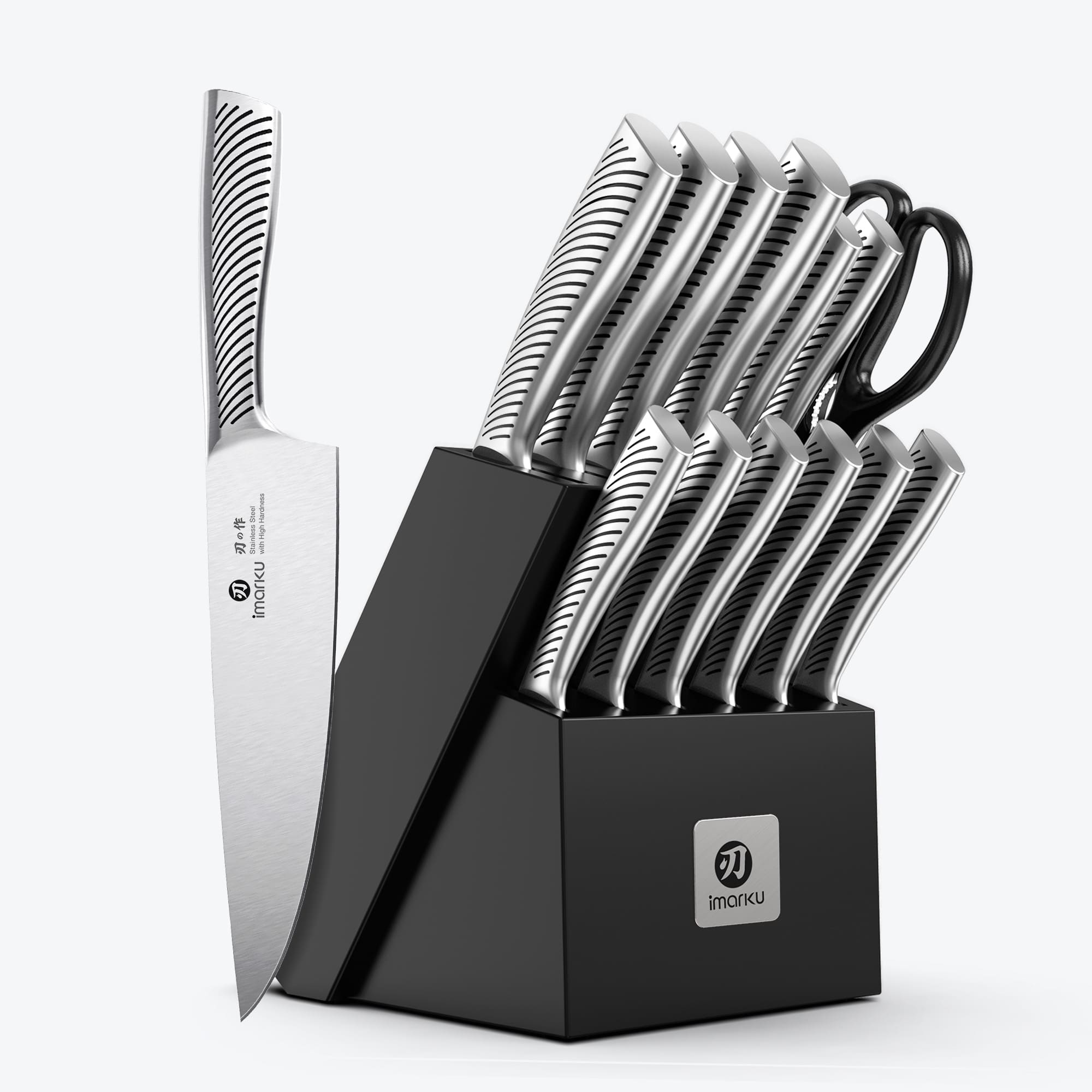
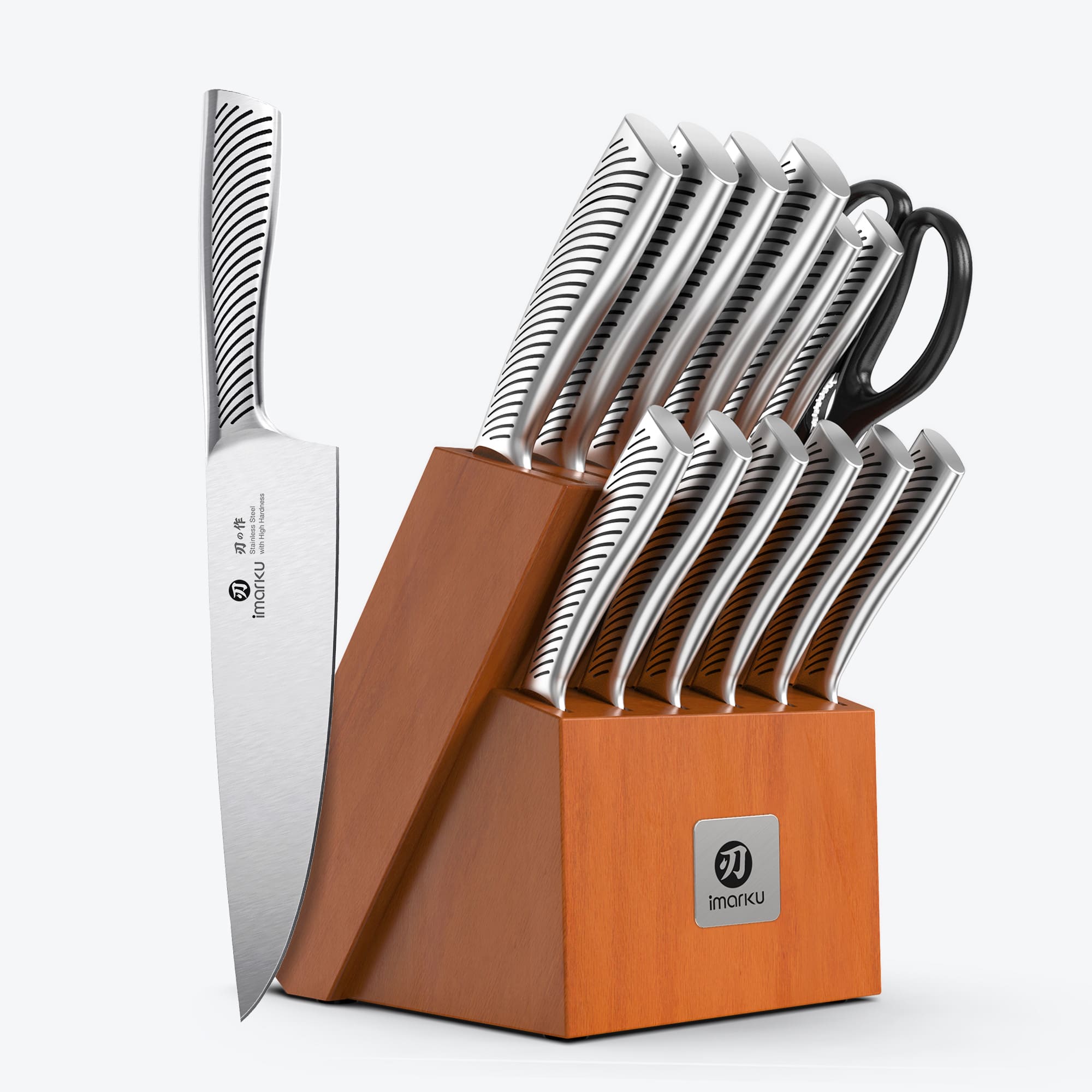
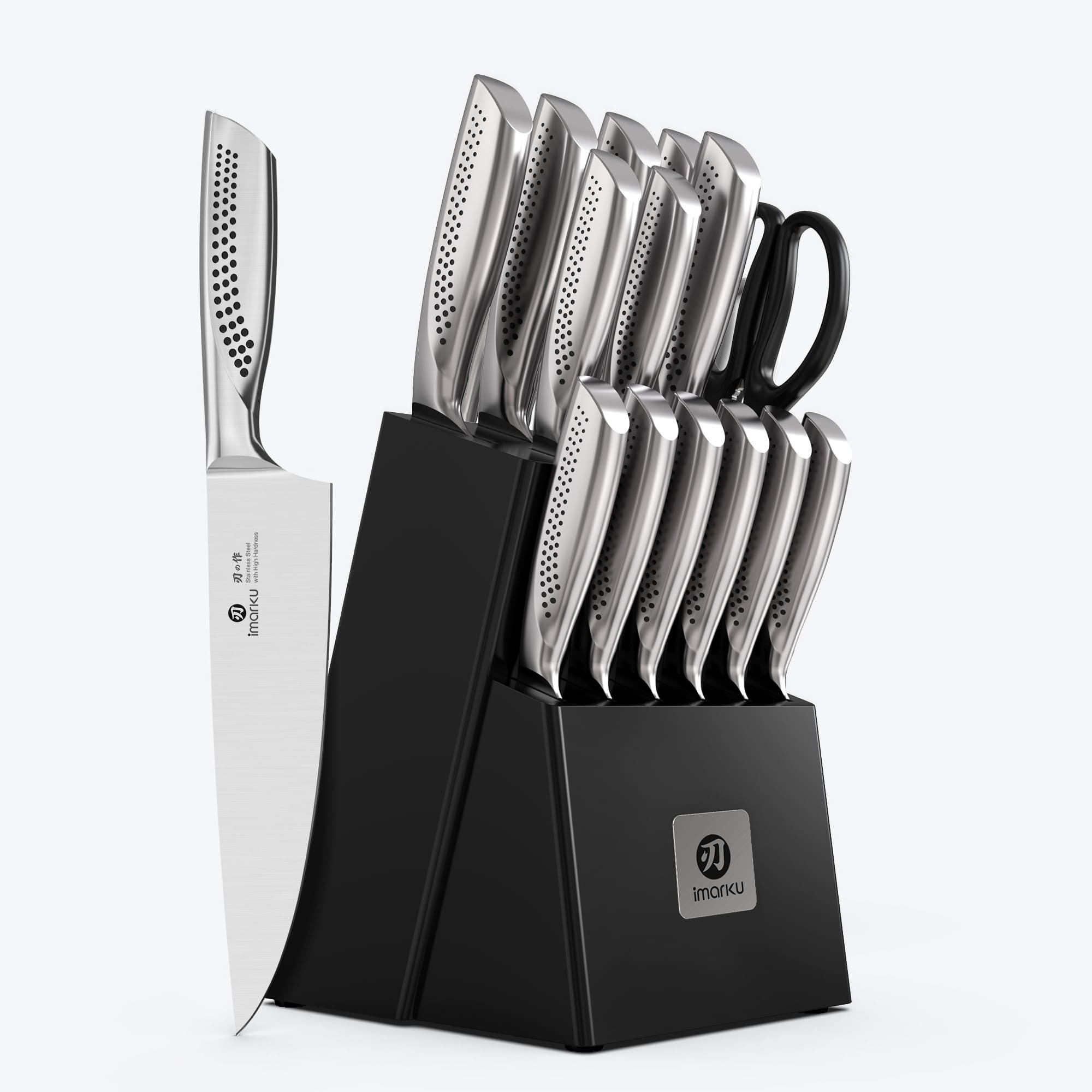
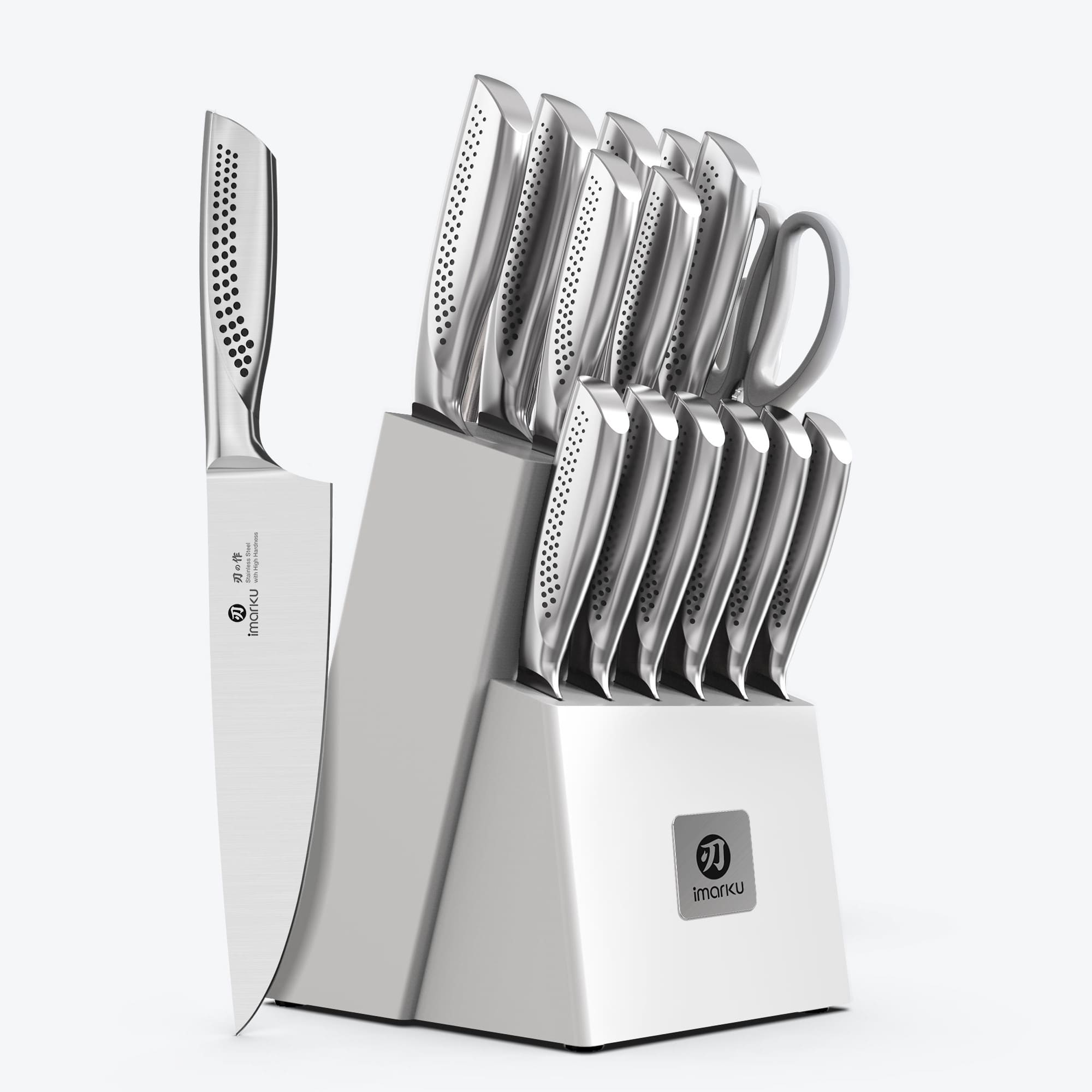
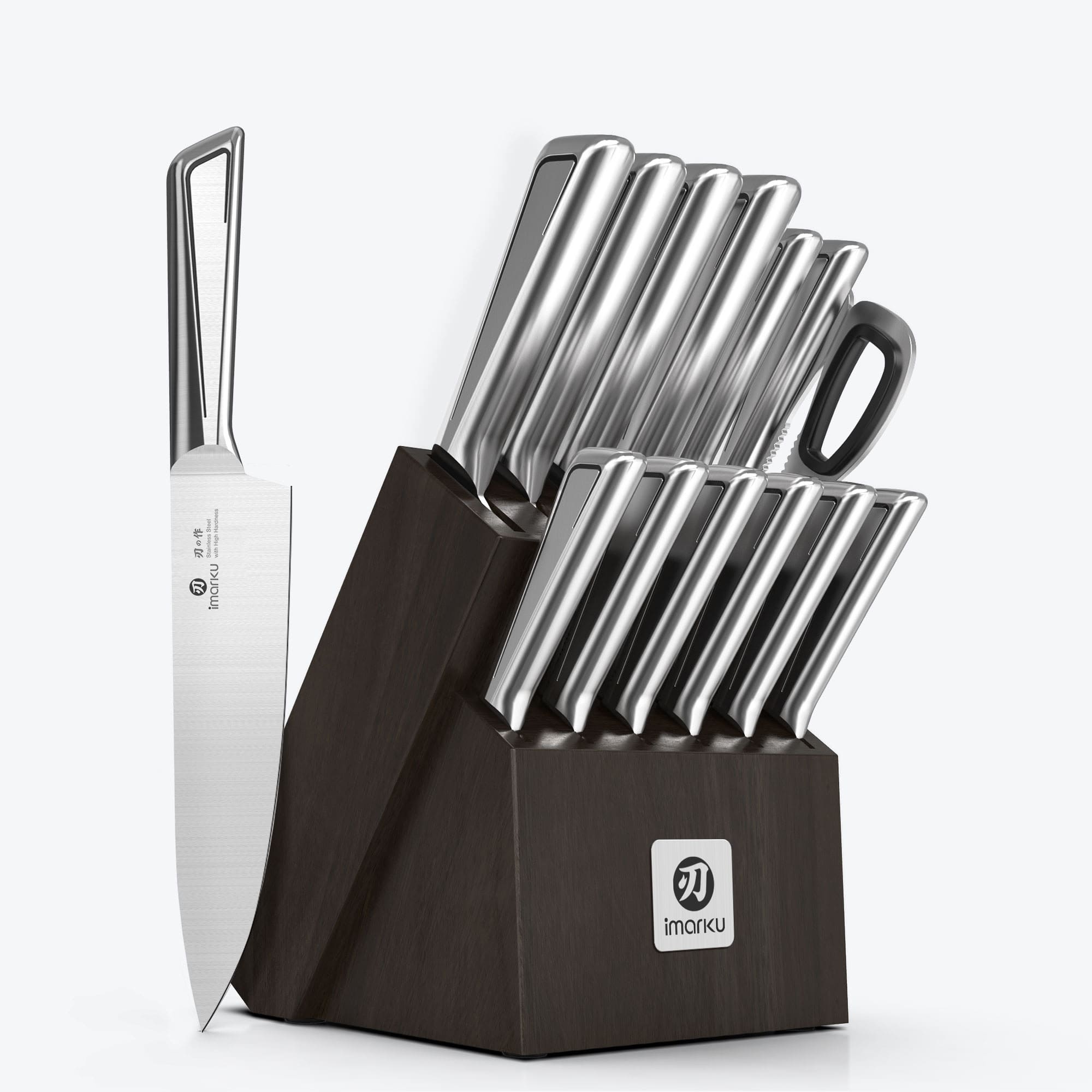
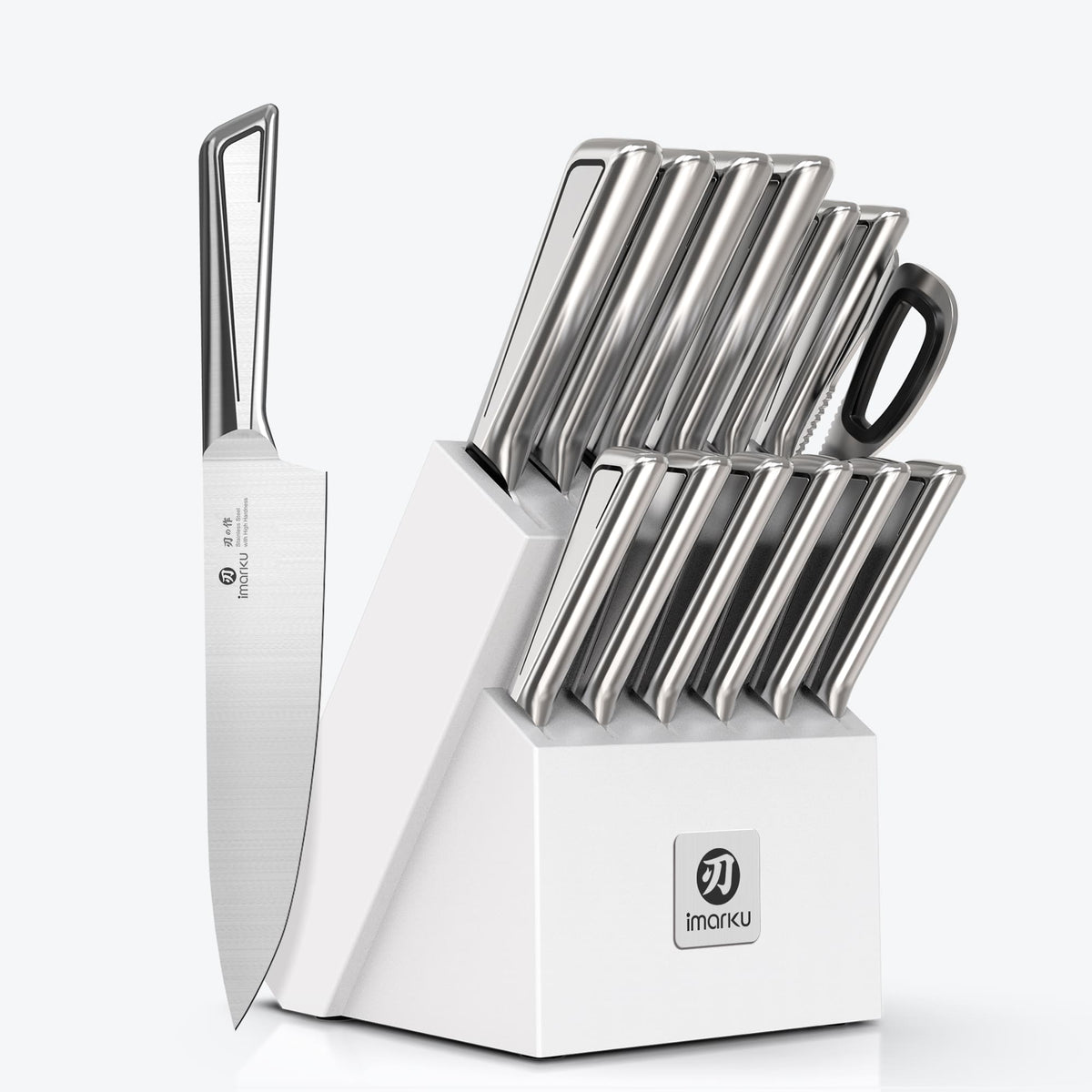
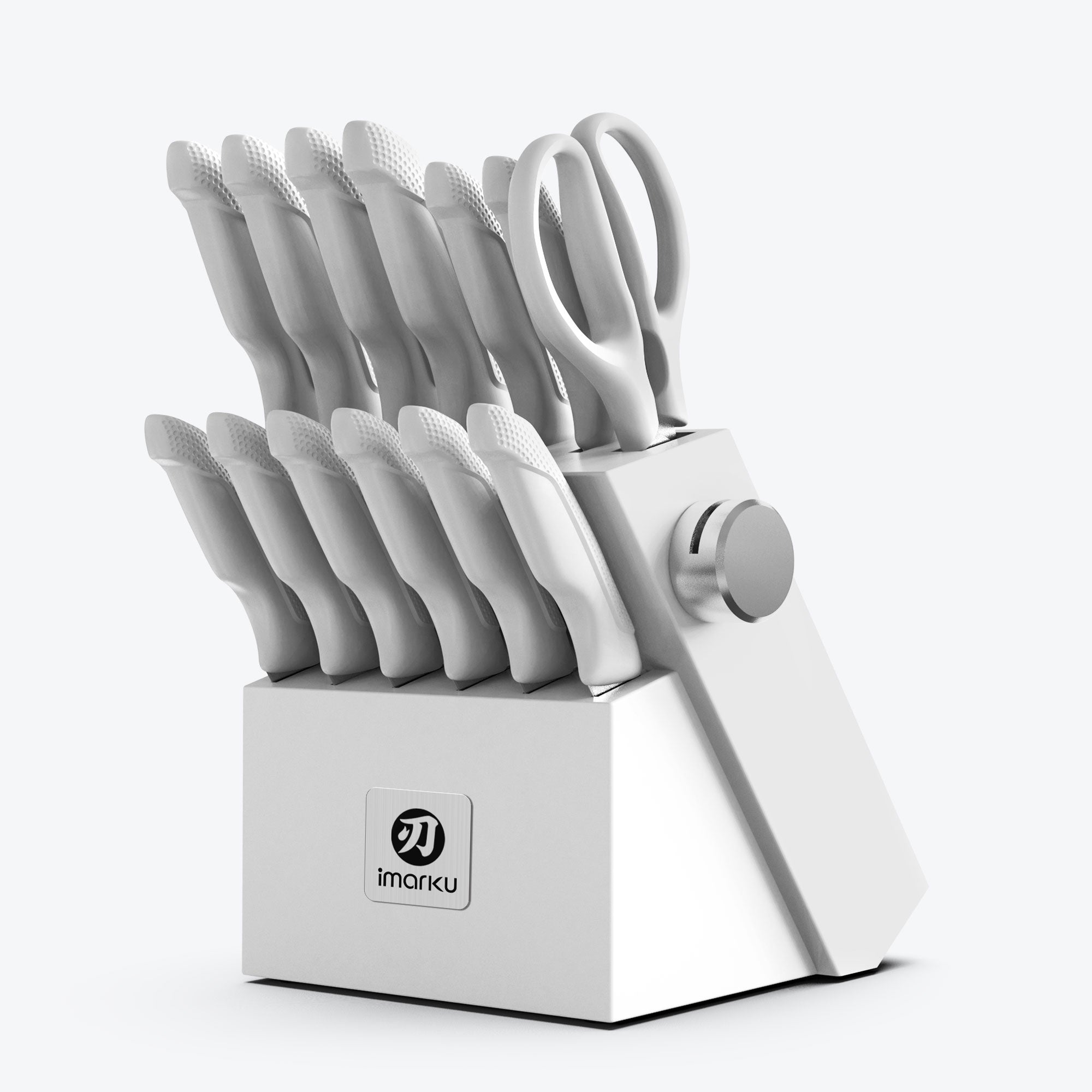
Buying individual knives works well for experienced cooks, but many homes save money with complete knife essentials for cooking.
Choose a knife set if you need:
- Multiple knife types at once
- Better overall value
- Matching storage block
- A practical gift option
Look for full tang construction, durable steel, ergonomic handles, and useful everyday blade sizes.
Final Verdict
The best knife depends on what you cook most often.
- Chef Knife – best overall versatility
- Santoku – best for fast slicing
- Nakiri – best for vegetables
- Bread Knife – best for crusty foods
- Paring Knife – best for precision tasks
For most homes, a chef knife plus paring knife and bread knife creates the smartest starting setup. If you cook heavily with vegetables, adding durable kitchen blades for meal prep can dramatically speed up prep time.
In 2026, smart buyers are not chasing hype. They are choosing the right knife for the right job—and cooking better because of it.



Leave a comment
All comments are moderated before being published.
This site is protected by hCaptcha and the hCaptcha Privacy Policy and Terms of Service apply.