
TABLE OF CONTENTS
- >Most People Don’t Need a “Big Set”
- >How Real Home Cooking Actually Feels
- >Different People Buy Knife Sets for Very Different Reasons
- >What Actually Makes a Knife Set Worth the Money
- >Handle Feel: Why People Keep Talking About Pakkawood
- >Why Japanese-Style Knives Feel Different
- >When Knife Sets Are Bought as Gifts
- >Manufacturing Questions People Ask
- >Final Thought: What “Best Knife Set” Really Means
Let’s be honest—most knife sets look better in photos than they feel in real kitchens.
Shiny blocks, perfectly aligned handles, and a full lineup of knives make it feel like you’re getting a “complete professional system.”
But what usually happens after a few weeks is much simpler: one or two knives do almost everything, and the rest slowly disappear into the background of your kitchen.
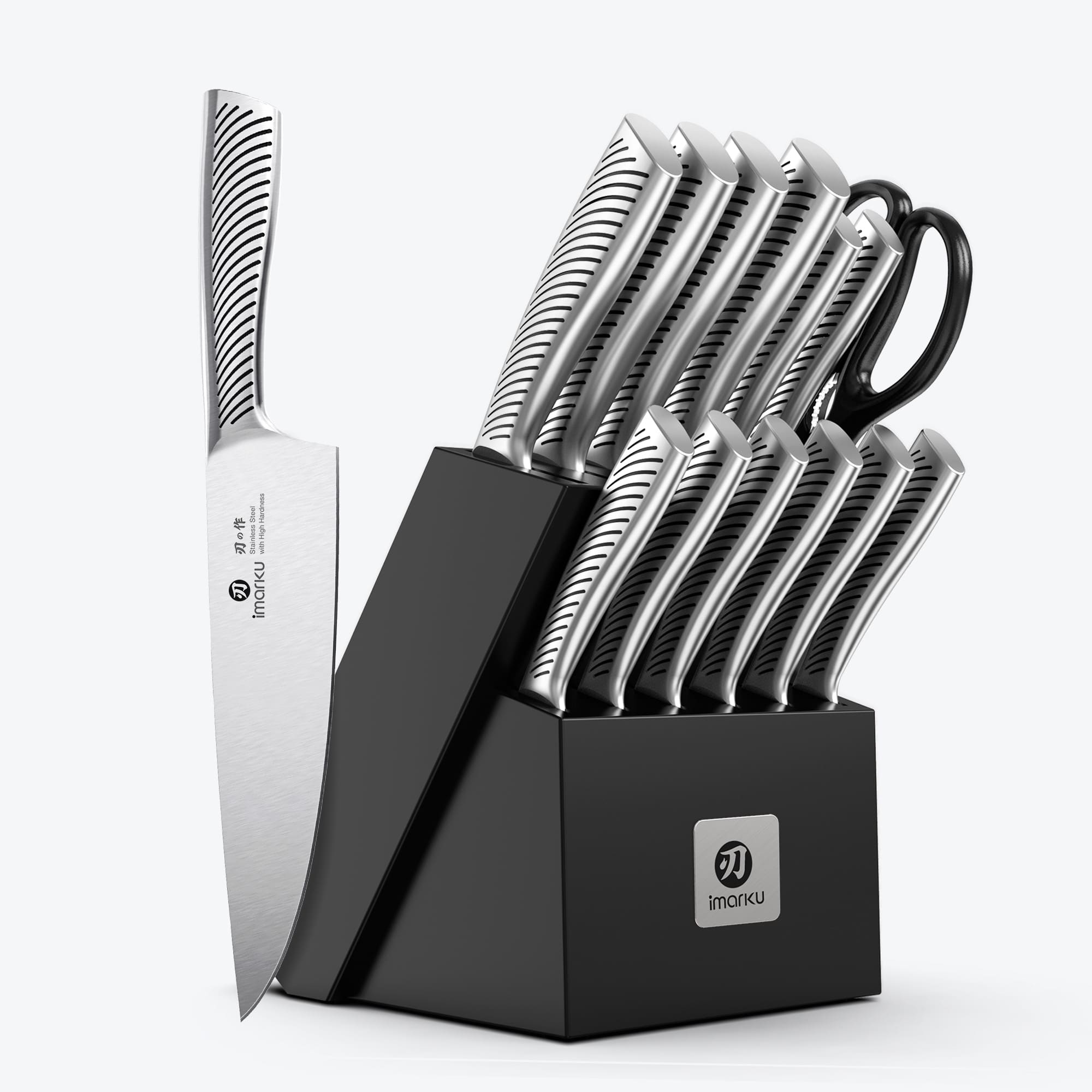
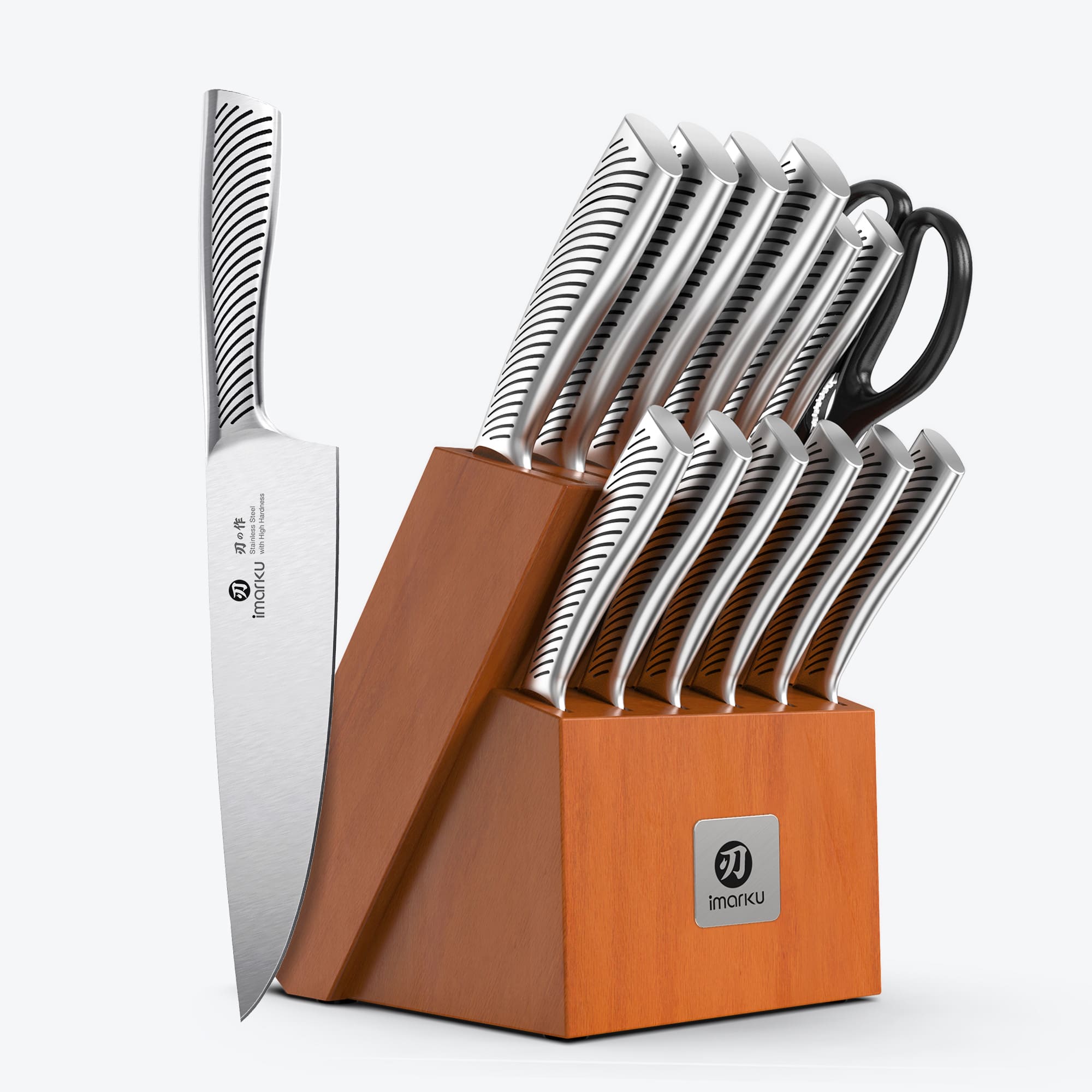
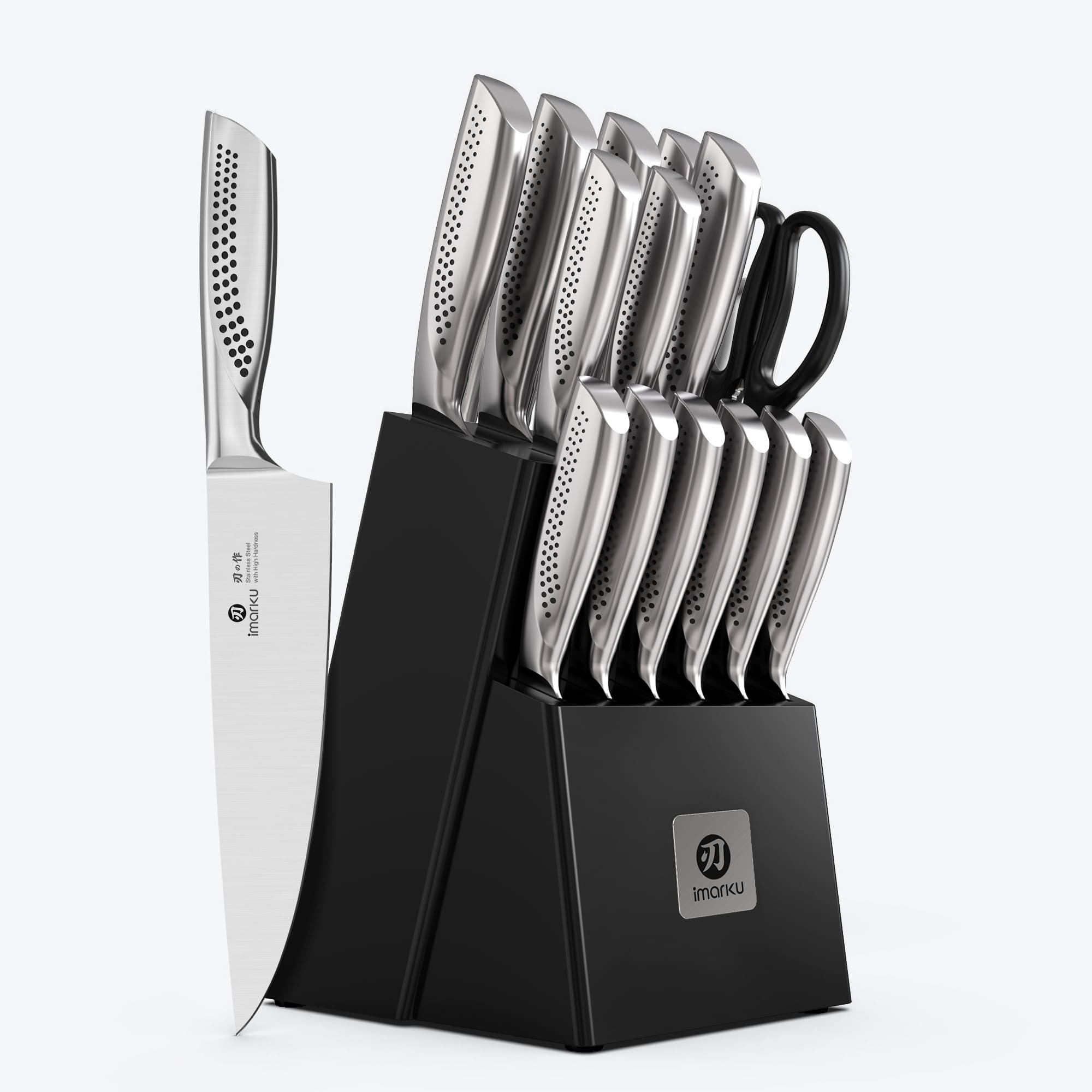
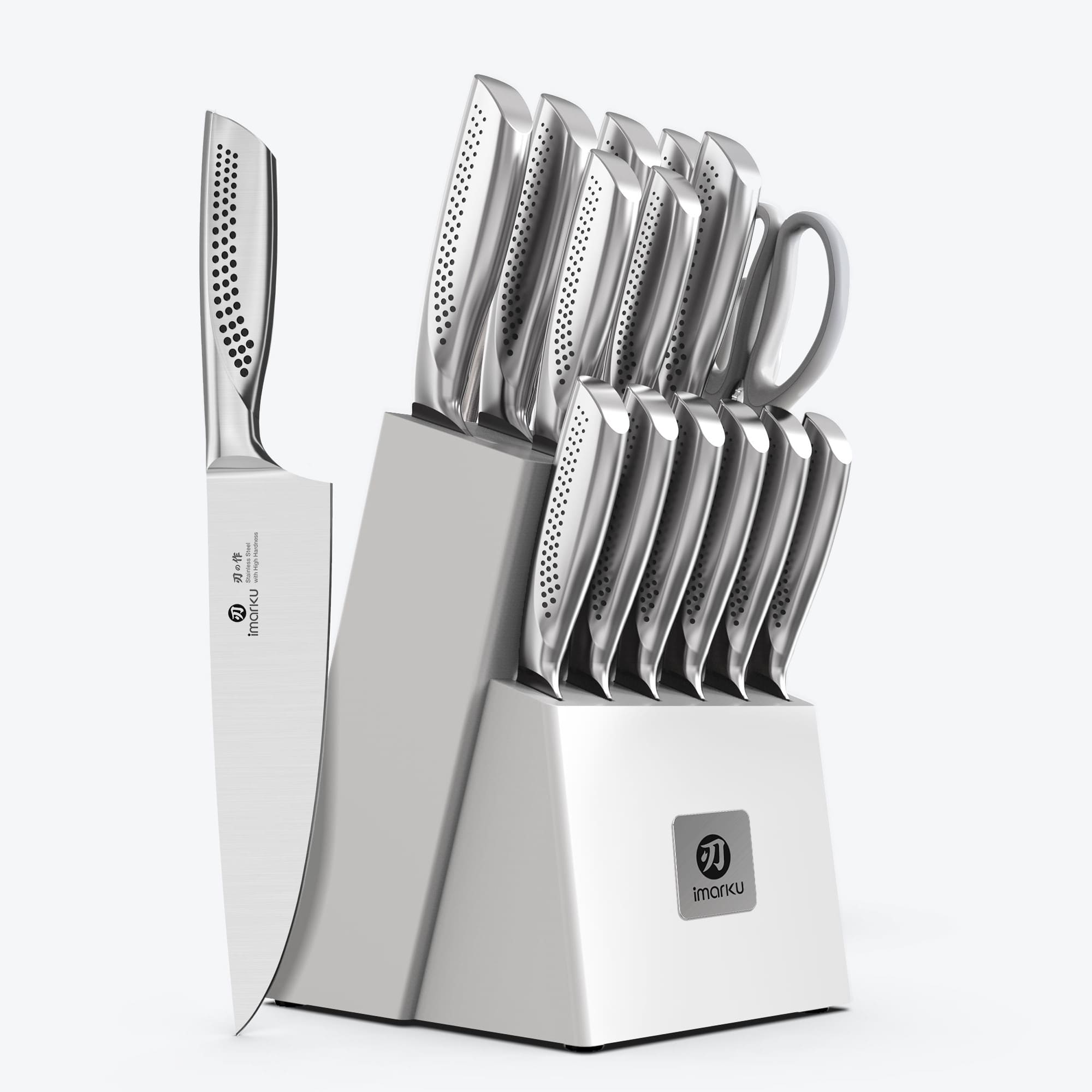
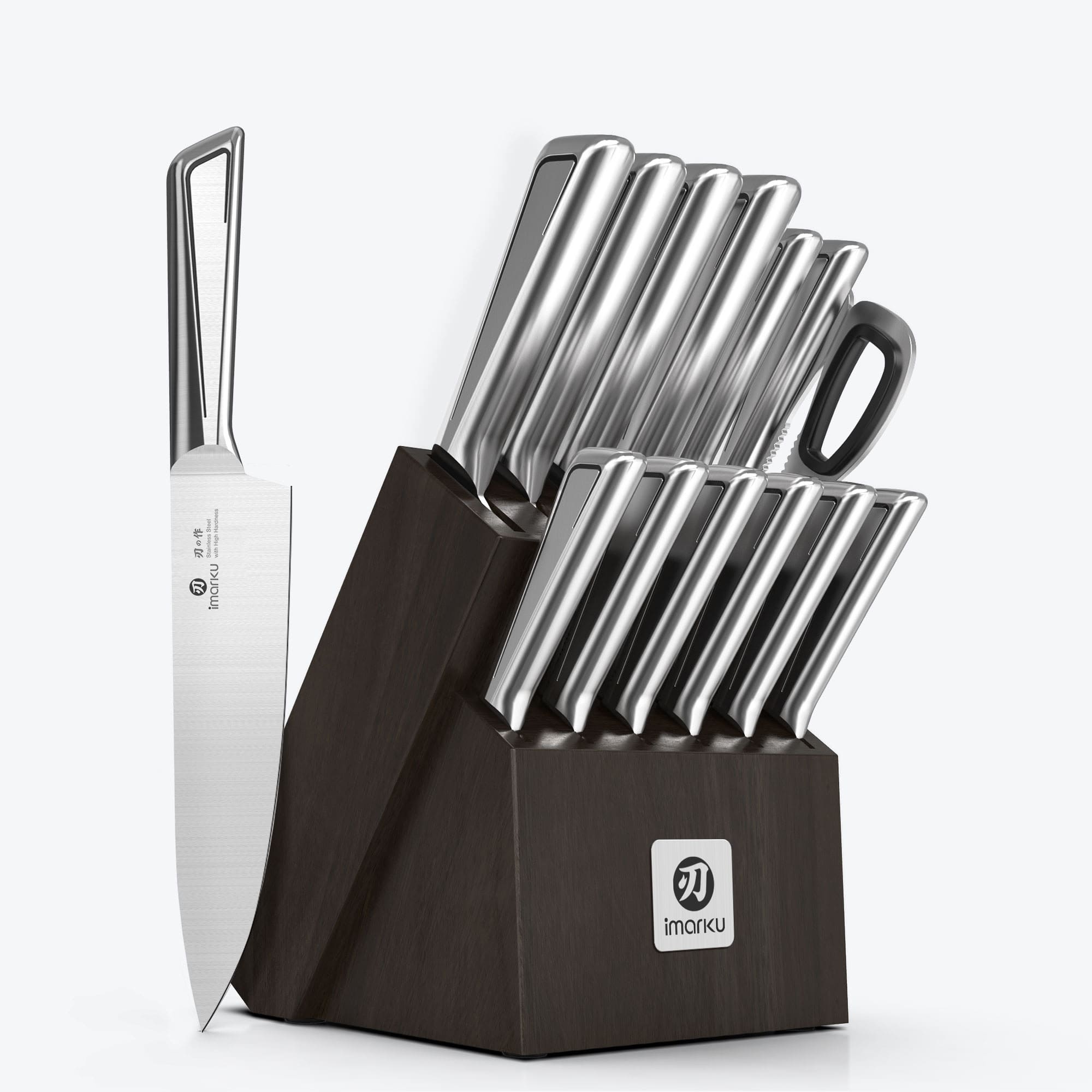
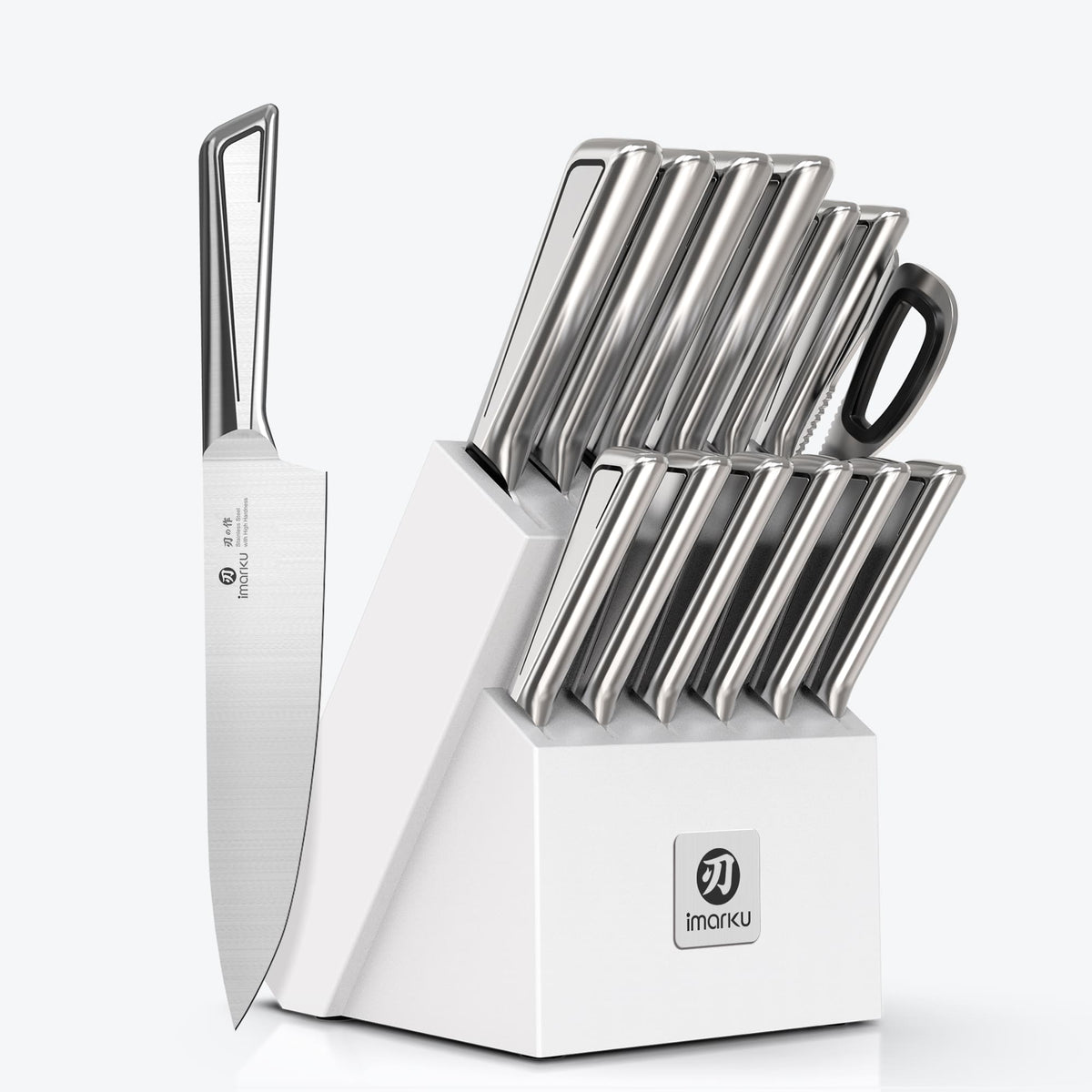
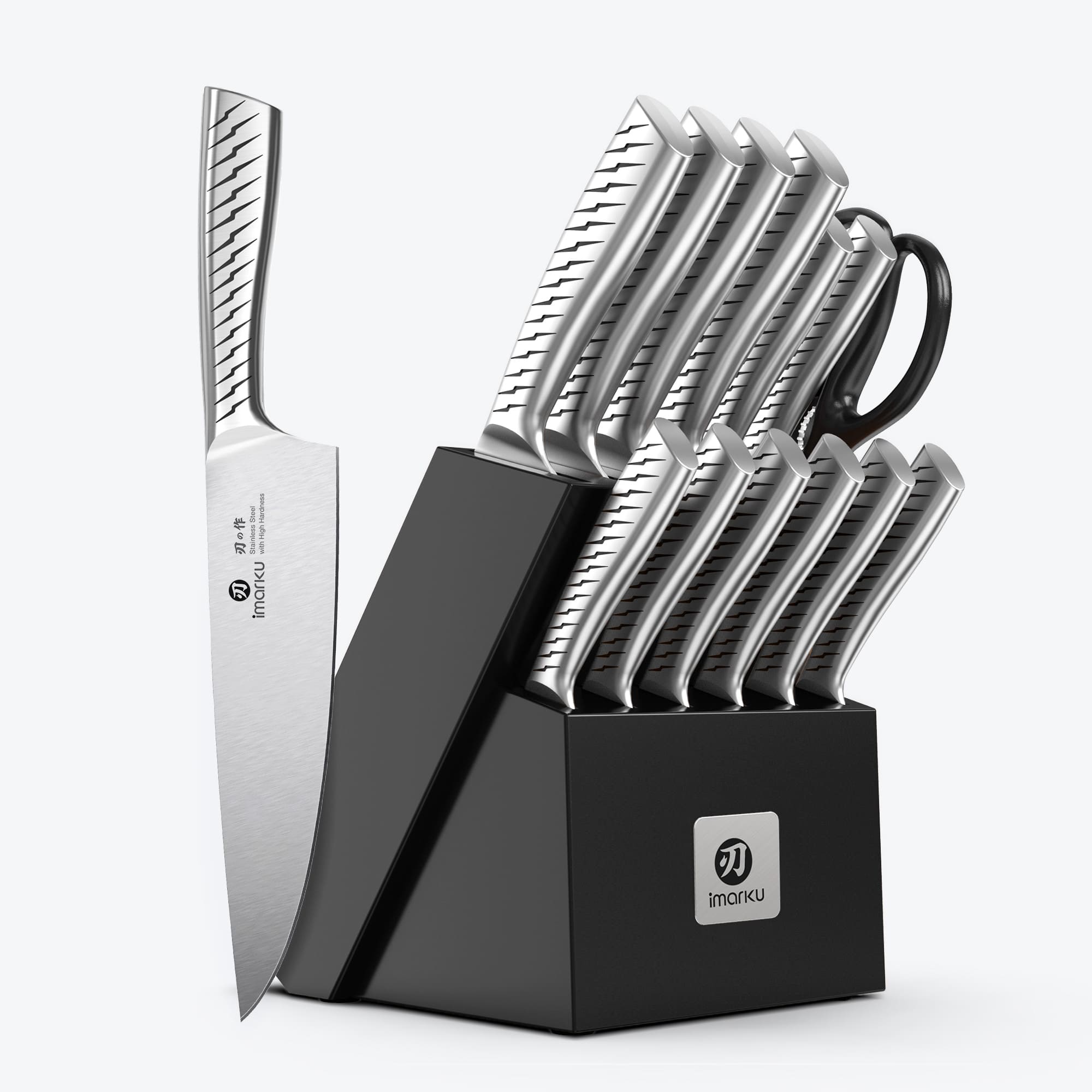
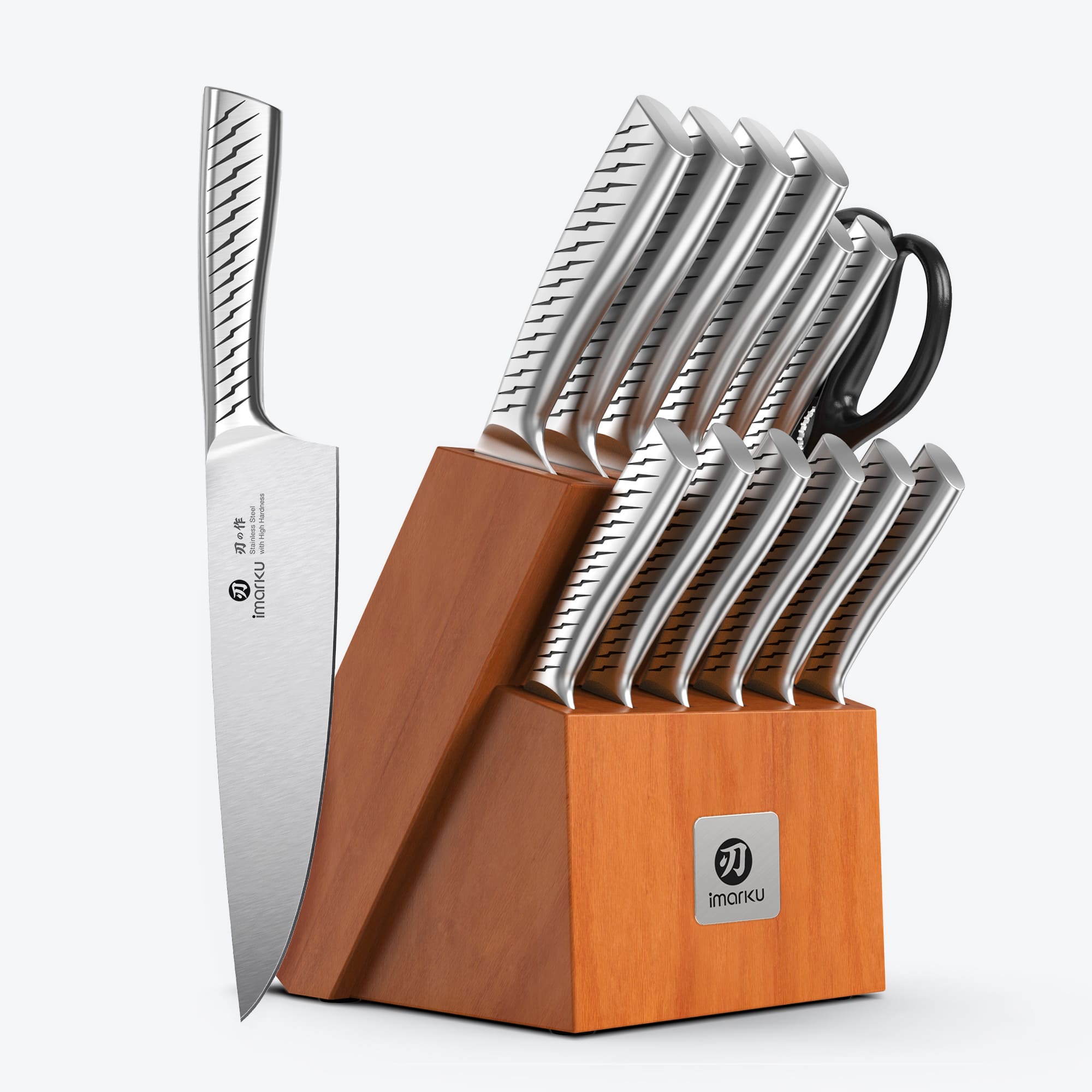
If you’re trying to find the best knife set for home chef use, the real answer isn’t about brand names or how many pieces are included.
It’s about something much more practical:
Which knives will you actually reach for when you’re tired, hungry, and just trying to get food on the table?
Most People Don’t Need a “Big Set”

This is where a lot of buyers get misled.
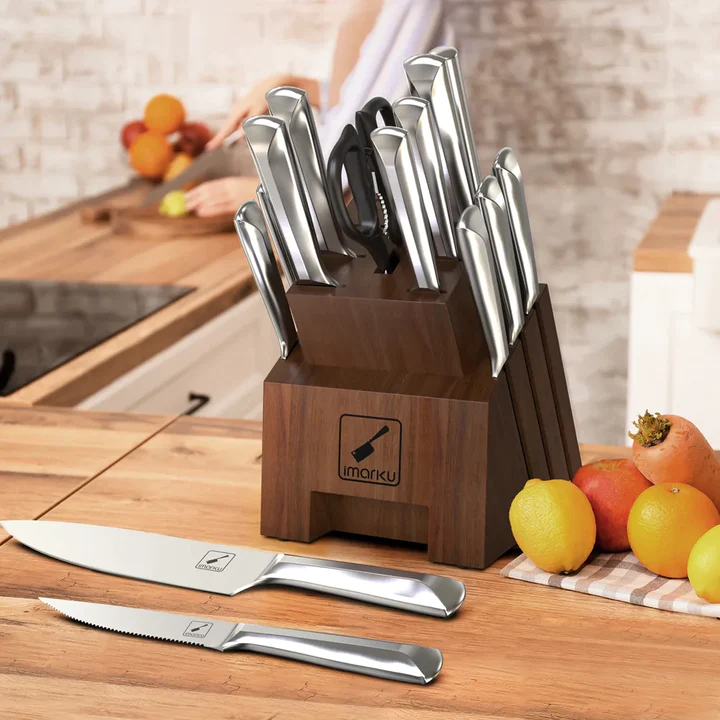
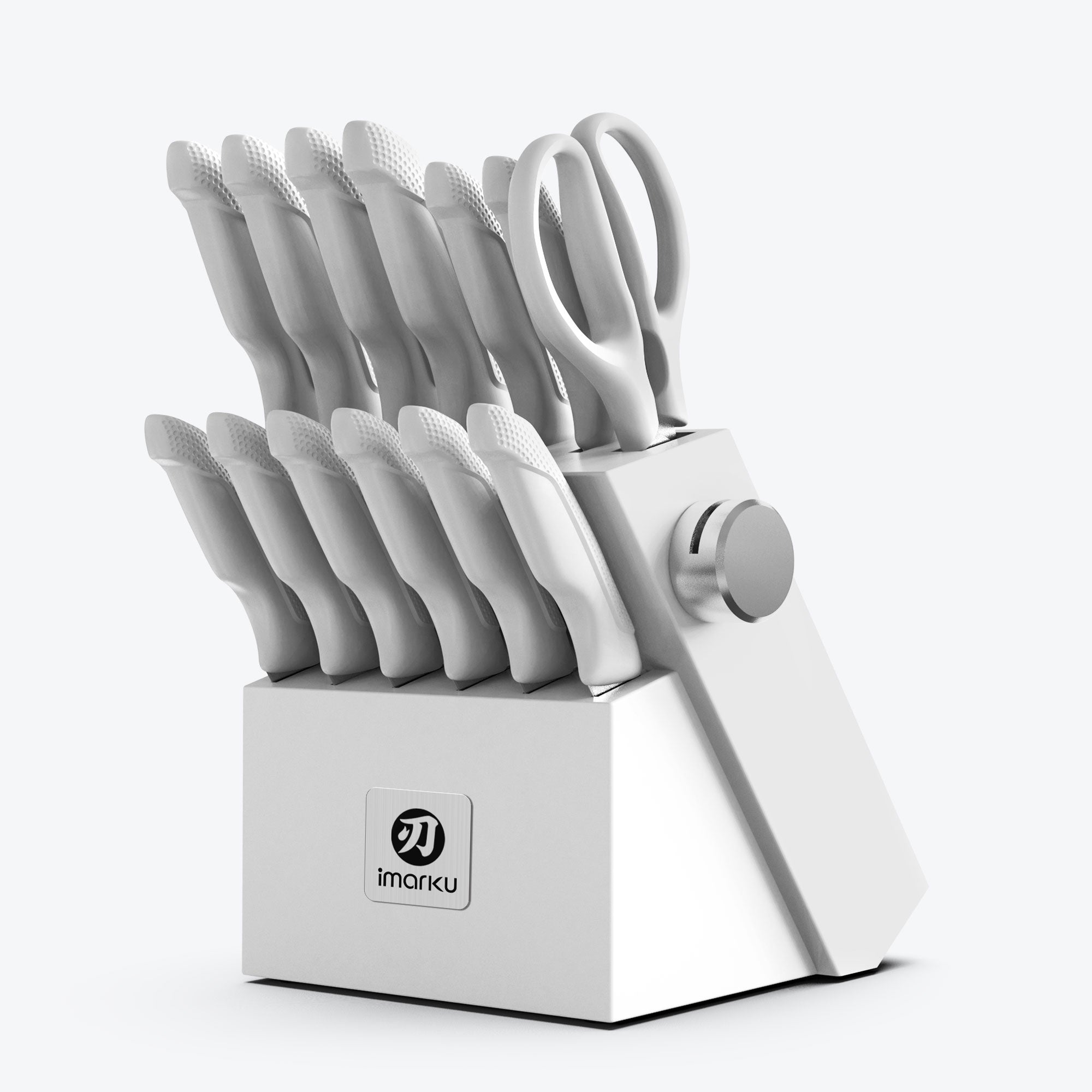
The industry loves selling 18, 20, or even 25-piece sets because it looks impressive. But in real cooking, most households only rely on a small core group of knives.
In practice, it usually comes down to:
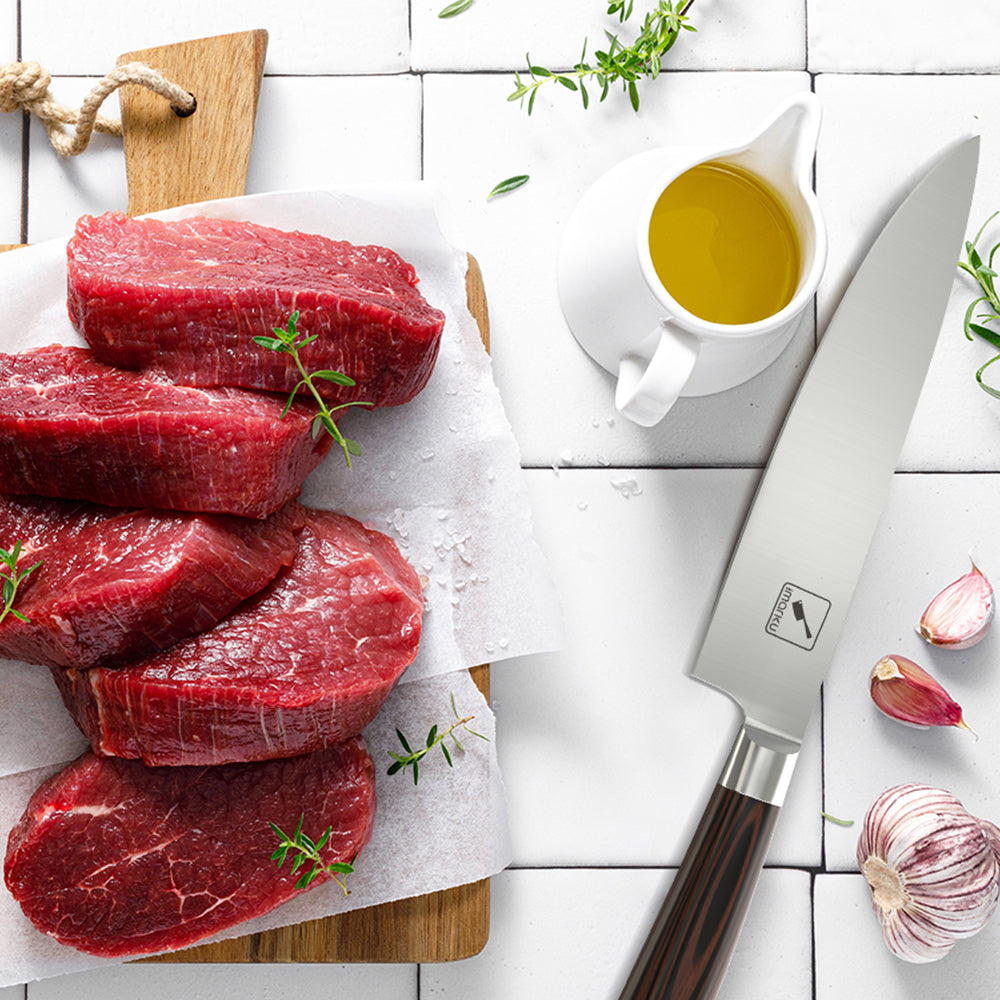
- A chef knife (used almost daily)
- A small utility or paring knife
- A serrated bread knife
That’s it.
Everything else sounds useful on paper, but rarely becomes part of real kitchen habits.
And this is why so many people feel disappointed later—not because the knives are bad, but because they simply don’t match how home cooking actually works.
How Real Home Cooking Actually Feels

Home cooking is not a “chef experience.” It’s repetition.
It’s chopping vegetables after a long day, cutting fruit in the morning, preparing simple meals, or quickly slicing something before dinner gets cold.
No one wants complexity in that moment.
What matters is whether the knife feels natural in your hand, cuts without effort, and doesn’t slow you down.
That’s also why the best knife set for home chef use is rarely the largest one—it’s the one that quietly fits into your routine without friction.
Different People Buy Knife Sets for Very Different Reasons
Most buying guides group people by “skill level,” but that’s not how real decisions happen.
People buy based on how they feel about cooking.
Some people just want cooking to feel easier
They’re not chasing perfection—they just want less frustration.
For them, a good knife is one that stays sharp long enough, feels comfortable, and doesn’t require special attention.
Heavy, over-complicated sets usually make their experience worse, not better.
Some people actually enjoy cooking
These are the people who notice details.
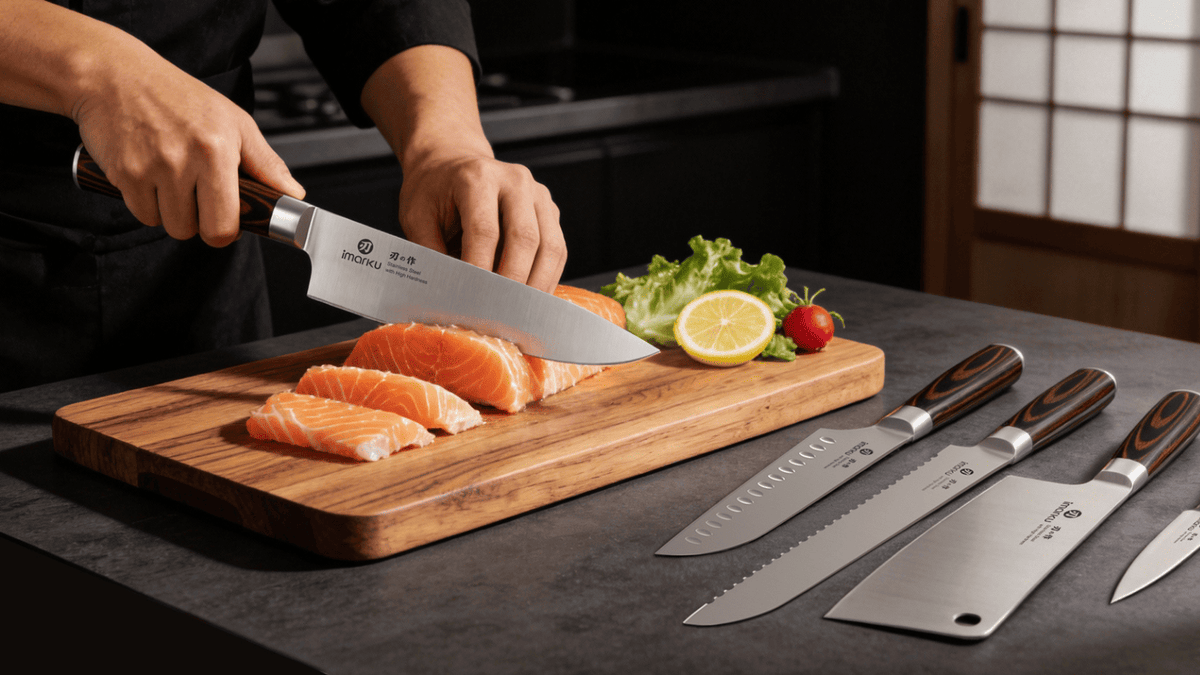
They can feel the difference between a dull edge and a clean slice. They care about how vegetables fall apart on the board or how smoothly fish is sliced.
For this group, lighter and more precise knives often feel more satisfying—this is also why many of them naturally start appreciating Japanese-style kitchen knives over time.
Not because of branding, but because of how the knife behaves during use.
Some people are upgrading from basic tools
This group usually expects a dramatic change—going from cheap knives to a full premium set.
But the reality is more subtle.
The biggest improvement is not “more knives.” It’s less resistance during cutting, better balance, and a more predictable feel.
Once people experience that, they usually stop caring about piece count entirely.
What Actually Makes a Knife Set Worth the Money

If you strip away marketing language, a good knife set comes down to a few real factors.
Not hype. Not branding. Just everyday performance.
First is balance. A knife should feel stable, not like you’re fighting it during prep.
Second is long-term edge behavior. A sharp knife on day one is easy. A knife that stays reliable after weeks of use is what matters.
Third is comfort under repetition. Cooking isn’t one cut—it’s hundreds of small movements.
And finally, usefulness. If a knife doesn’t get used regularly, it’s not “premium”—it’s just extra weight in a block.
Handle Feel: Why People Keep Talking About Pakkawood

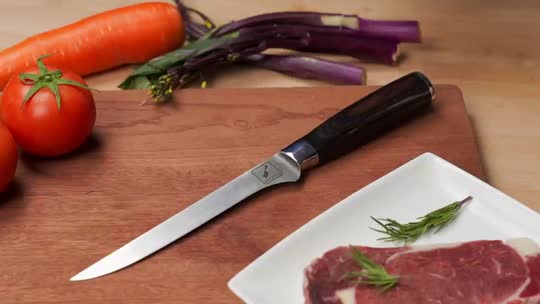
If you’ve looked at modern knife sets, you’ve probably seen wood-style handles or pakkawood materials mentioned a lot.
The reason is simple: real wood looks beautiful, but it doesn’t always behave well in a kitchen environment.
Composite wood materials are used because they try to solve that problem—they keep the warm, natural look while improving stability and resistance to moisture.
In real use, what people notice most is not the technical explanation, but the feel:
it’s warmer than metal, more solid than cheap plastic, and generally more comfortable for longer cooking sessions.
Why Japanese-Style Knives Feel Different

When people start looking into high-quality kitchen knives, they often end up comparing Japanese designs with Western ones.
The difference is not just appearance—it’s how the knife moves through food.
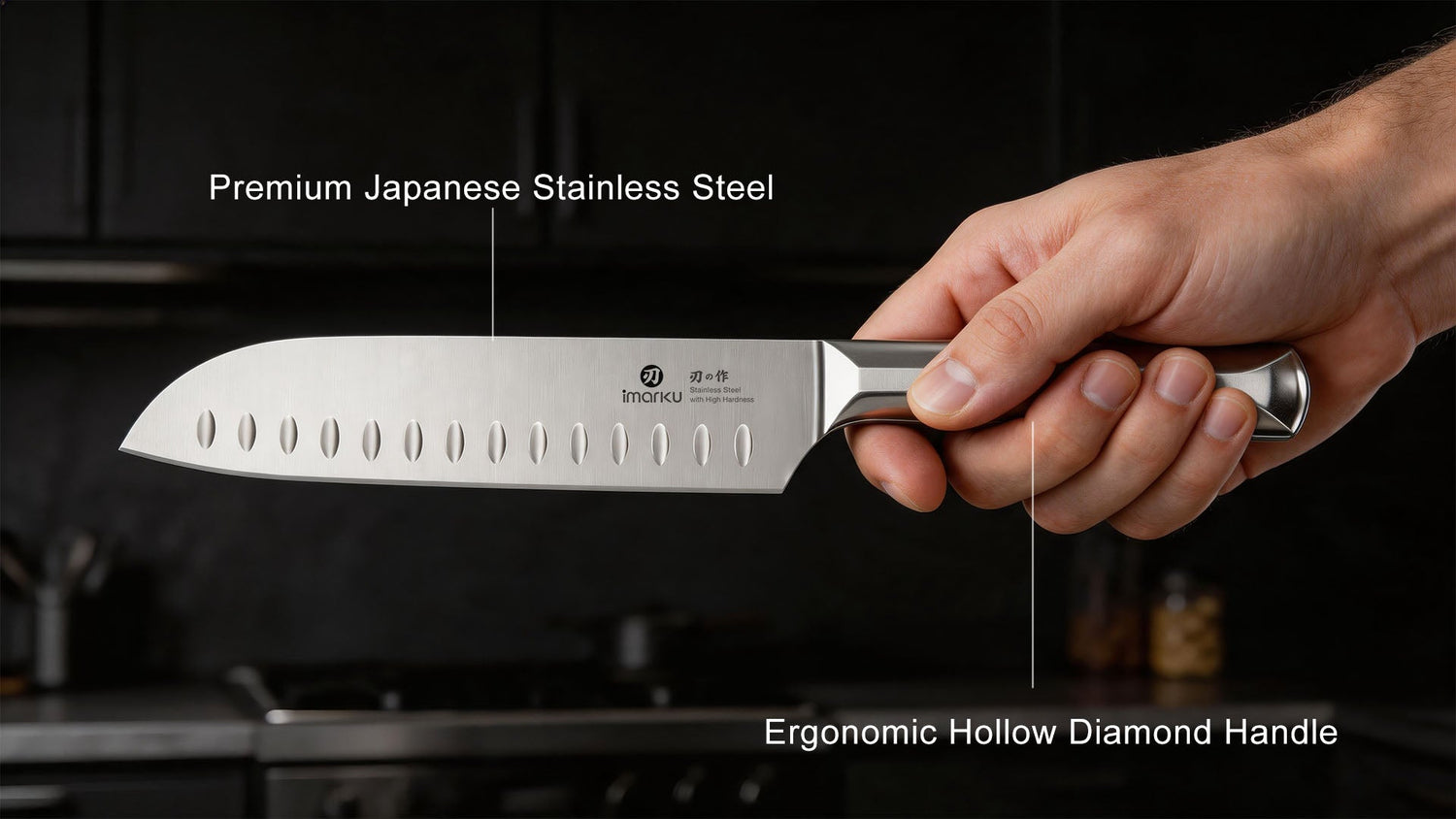
Japanese blades tend to feel lighter and more precise, which makes slicing smoother and more controlled.
Western-style knives usually feel heavier and more force-driven, which some people actually prefer for chopping tasks.
Neither is “better” in general.
They simply match different cooking styles, and the right choice depends on how you naturally cook at home.
When Knife Sets Are Bought as Gifts
Knife sets often show up during holidays—Christmas, Mother’s Day, Father’s Day—but the timing is actually not the important part.
What matters is whether the person actually cooks enough to benefit from it.
A knife set is not something people admire once and forget. It becomes part of daily routine—or it becomes unused storage.
So instead of thinking in terms of occasions, a better approach is simpler:
Will this make their cooking easier, more comfortable, or more enjoyable?
If yes, it works as a gift. If not, even the most expensive set won’t change anything.
Manufacturing Questions People Ask
It’s common to ask where a knife brand is made, especially when comparing options online.
But in real-world use, location is not what determines quality.
What actually matters is consistency in production:
- How well the steel is treated
- How stable the edge stays over time
- How well the knife is assembled and balanced
A well-made knife is defined by how it performs in your kitchen—not the country printed on the box.
Final Thought: What “Best Knife Set” Really Means
The best knife set for home chef use is not the biggest set, the most expensive set, or the one that looks the most impressive online.
It’s the set you stop thinking about.
Because it just works.
No frustration. No overthinking. No unused tools sitting in a block.
Just cooking that feels smoother, faster, and more natural every day.
And in real kitchens, that’s the only definition of “best” that actually matters.



Leave a comment
All comments are moderated before being published.
This site is protected by hCaptcha and the hCaptcha Privacy Policy and Terms of Service apply.