

TABLE OF CONTENTS
- >Introduction
- >What Is a Santoku Knife, and Why Should Home Cooks Care?
- >Santoku Knife vs Chef Knife: Real Home Cooking Comparison
- >2026 Best Santoku Knife Comparison: Premium Picks for U.S. Home Cooks
- >Imarku Kyokujin Series TS02: New Release Deep Dive
- >When to Use the Imarku 7-Inch Santoku Knife
- > What This Knife Is Not Designed For
- >How to Maintain a High Carbon Stainless Steel Santoku Knife
- >Perfect Kitchen Matching: Pair the Santoku Knife with Imarku Cookware
- >Final Verdict: Should You Buy a Santoku Knife in 2026?
- >Final Thoughts
Introduction
Walk into almost any American kitchen, and you will likely see an 8-inch chef knife as the star of the knife block. For years, home cooks have been told that a heavy, curved chef knife is the ultimate all-purpose kitchen knife. But if you cook regularly for your family, you may have already noticed a gap between what professional chefs use and what ordinary home cooks actually need.
Most of us do not spend every day chopping through bones, splitting whole poultry, or processing large amounts of dense root vegetables. What we do cook most often is simpler: weeknight dinners, fresh salads, quick stir-fries, boneless chicken breasts, beef slices, fish fillets, and weekend family meals. These tasks require less brute force and more precision, speed, and comfort.
That is why the santoku knife has grown in popularity among U.S. home cooks in 2026. Originating from Japanese home kitchens, the santoku is designed around three essential cutting jobs: vegetables, meat, and fish. Instead of trying to replicate the heavy rocking motion of a professional chef knife, a good santoku focuses on clean slicing, easy dicing, reduced food sticking, and less wrist fatigue.
In this blog, we compare the santoku knife with the traditional chef knife based on real home cooking scenarios. We also introduce one of Imarku’s newest releases: the Imarku Kyokujin Series TS02 7-Inch Hollow Edge Santoku Knife. It is built for home cooks who want restaurant-level sharpness without the professional kitchen weight, high price, or complicated maintenance.

See the new Imarku santoku knife:Imarku Kyokujin Series TS02 7-Inch Santoku Knife
What Is a Santoku Knife, and Why Should Home Cooks Care?
A santoku is a Japanese-style all-purpose kitchen knife that has become increasingly popular in American home kitchens. The word “santoku” means “three virtues,” referring to its ability to handle three of the most common home cooking tasks:
-
Cutting vegetables
-
Preparing boneless meat
- Slicing fish and seafood
Unlike a traditional chef knife, which relies heavily on a rocking chopping motion, a santoku uses a straighter edge that excels at slicing, dicing, and mincing. This makes it especially useful for home cooks who spend a lot of time prepping ingredients like onions, tomatoes, zucchini, bell peppers, carrots, chicken breasts, and fish fillets.
For many U.S. households, the santoku is not just another knife. It is a practical upgrade that solves some of the most annoying everyday cooking problems: food sticking to the blade, soft tomatoes getting crushed, onion slices messing up the cutting board, and wrist fatigue after 30 minutes of meal prep.
Santoku Knife vs Chef Knife: Real Home Cooking Comparison
Most kitchen guides compare knives only by blade shape, length, and material. Those details matter, but they do not tell the full story. For home cooks, the most important question is simpler: which knife makes daily cooking easier, faster, and more enjoyable?
Below is a practical comparison between a 7-inch santoku knife and a traditional 8-inch western chef knife.
| Feature | 7-Inch Santoku Knife | 8-Inch Chef Knife |
|---|---|---|
| Best For | Vegetables, boneless meat, fish, salad prep, stir-fry ingredients | Heavy chopping, large poultry, dense root vegetables |
| Cutting Motion | Straight slicing and dicing | Rocking chopping motion |
| Food Sticking | Lower, especially with hollow edge dimples | Higher on solid flat blades |
| Wrist Fatigue | Lower for long prep sessions | Higher due to heavier blade and rocking motion |
| Precision | Excellent for thin slices and fine dicing | Good for heavy cuts, less ideal for soft ingredients |
| Beginner Friendly | Very user-friendly | Requires more technique and practice |
| Everyday Fit | High for most U.S. home cooks | Moderate unless you cook heavy ingredients often |
| Ideal Cook Type | Salad lovers, stir-fry cooks, family meal preppers | Home cooks who regularly process large ingredients |
Which One Should You Choose?
Choose a santoku knife if:
- You cook fresh vegetables often
- You make salads, stir-fries, or light seafood dishes
- You want less food sticking to the blade
- You prefer a lighter knife for longer prep sessions
- You are a beginner home cook looking for an easy-to-use all-purpose knife
- You want a giftable kitchen tool that looks premium and performs well
Choose a chef knife if:
- You regularly split whole poultry
- You chop large amounts of dense root vegetables
- You often cut through tough, heavy ingredients
- You prefer the traditional rocking chopping technique
For most American home cooks, the santoku is the more practical everyday choice. It covers the majority of home cooking tasks with less effort and less frustration.
2026 Best Santoku Knife Comparison: Premium Picks for U.S. Home Cooks
The U.S. market is full of santoku knives at very different price points. Some are budget-friendly options under 50,while high-end Japanese imports can cost $250 or more. For most home cooks, the best choice is not necessarily the cheapest or the most expensive. It is the knife that balances sharpness, durability, comfort, and value.
We have compared several popular santoku knives available to U.S. customers in 2026.
| Santoku Knife Model | Blade Material | Hardness | Edge Angle | Hollow Edge | Handle | Price |
|---|---|---|---|---|---|---|
| Imarku Kyokujin TS02 | 10Cr15CoMoV high carbon stainless steel, 3-layer clad | 59±2 HRC | 12±2° per side | Yes | High-density Pakkawood | $119.99 |
| Mid-Range Santoku A | 7Cr17MoV stainless steel | 57±2 HRC | 15° per side | Partial dimples | Pakkawood | $89.99 |
| Entry Santoku B | General high carbon stainless steel | 55–56 HRC | 16–18° per side | No | Plastic composite | $49.99 |
| High-End Japanese Import | VG-10 clad steel | 60–61 HRC | 10–12° per side | Yes | Wood | $249+ |
Quick Evaluation
- Best overall value for home cooks: Imarku Kyokujin TS02
- Best budget option for casual use: Entry Santoku B
- Best for collectors and enthusiasts: High-end Japanese import
- Best balance between performance and price: Imarku Kyokujin TS02
For U.S. home cooks who want a premium knife without luxury pricing, the Imarku Kyokujin TS02 stands out. It offers high-carbon steel performance, a sharp 12±2° edge, hollow edge dimples, and an ergonomic Pakkawood handle at a much more accessible price.
Imarku Kyokujin Series TS02: New Release Deep Dive
The Imarku Kyokujin Series TS02 is a 7-inch hollow edge santoku knife designed for everyday home cooking. It combines Japanese-inspired blade geometry with modern ergonomics, making it suitable for a wide range of American home cooking styles.
High Carbon Stainless Steel Blade
The blade is made with 10Cr15CoMoV high carbon stainless steel in a 3-layer clad construction. This material is known for good edge retention, hardness, and corrosion resistance. With a hardness rating of 59±2 HRC, the Imarku TS02 is built to stay sharp through regular daily use.

For home cooks, this means fewer sharpening sessions and more consistent cutting performance over time.
12±2° Precision Cutting Edge
One of the most important features of a good santoku is its sharpness. The Imarku TS02 is sharpened to 12±2° per side, which allows it to slice cleanly through soft and firm ingredients alike.
This edge angle is especially useful for:
- Thinly slicing tomatoes without crushing them
- Cutting onion slices that stay clean and separated
- Slicing fish fillets smoothly
- Dicing vegetables quickly and uniformly
- Preparing ingredients for salads, stir-fries, and garnishes
Hollow Edge Dimples for Less Food Sticking
One of the most common frustrations with ordinary kitchen knives is food sticking to the blade. When you slice onions, potatoes, zucchini, or tomatoes, wet and starchy ingredients often cling to the flat surface, slowing down prep and making the cutting board messy.
The Imarku TS02 solves this with hollow edge dimples along the blade. These indentations create small air pockets between the knife and the food, reducing contact area and helping slices release more easily. Combined with a sandblasted blade surface, the knife glides through ingredients with less friction.
Ergonomic Pakkawood Handle
A great blade alone is not enough. If the handle is uncomfortable, even the sharpest knife becomes tiring to use. The Imarku TS02 uses a high-density Pakkawood handle designed for balance, grip, and durability.
Pakkawood is water-resistant, comfortable to hold, and suitable for extended prep sessions. The balanced weight distribution helps reduce wrist fatigue, which is especially useful when you are chopping multiple ingredients for family dinners, meal prep, or weekend cooking.
Giftable Packaging and After-Sales Support
The Imarku Kyokujin Series TS02 comes in premium packaging, making it suitable as a housewarming gift, wedding gift, birthday gift, or holiday gift for anyone who loves cooking.
For U.S. customers, the product also includes practical after-sales support:
- Shipping within 3–7 business days for U.S. orders
- Lifetime limited warranty against manufacturing defects
- 90-day return policy for eligible items
- Support from a brand with over 5 million kitchenware pieces sold worldwide
When to Use the Imarku 7-Inch Santoku Knife
The Imarku TS02 works best in everyday home cooking scenarios. Here are some of the situations where this knife can make a noticeable difference.
-
Salad Prep
If you make fresh salads regularly, you will appreciate how cleanly this knife cuts through lettuce, tomatoes, cucumbers, bell peppers, carrots, and red onions. Clean cuts help vegetables stay fresher and look more appealing on the plate.
-
Stir-Fry and Asian-Inspired Meals
Stir-fry cooking requires fast, uniform slicing and dicing. The santoku shape is ideal for cutting vegetables into consistent pieces that cook evenly. It also handles boneless chicken, beef, and pork slices well.
-
Fish and Seafood Preparation
The sharp, smooth blade is suitable for slicing fish fillets, shrimp, and other light seafood. It can help you prepare healthier, lighter meals without tearing or compressing the flesh.
-
Weeknight Family Dinners
On busy weekdays, you do not want to fight with a heavy knife or stop repeatedly to peel food off the blade. The Imarku TS02 is designed to make prep faster and less frustrating, so you can get dinner on the table sooner.
-
Gift Shopping for Home Cooks
Because of its premium look, sharp performance, and gift-ready packaging, the Imarku santoku knife works well for birthdays, Christmas, housewarming parties, wedding registries, and Mother’s Day or Father’s Day gifts.
 What This Knife Is Not Designed For
The Imarku TS02 is a high-quality all-purpose home kitchen knife, but it is not intended for every task.
Do not use it for:
- Cutting through bones
- Chopping frozen food
- Slicing hard shell seafood
- Using it as a cleaver or prying tool
- Dishwasher abuse, even if dishwasher-safe labeling is available
For best results, hand wash with mild soap and dry immediately. This will help preserve the blade edge, handle texture, and overall appearance for longer.
How to Maintain a High Carbon Stainless Steel Santoku Knife
A good kitchen knife is an investment. With simple care, the Imarku TS02 can maintain its performance for years.
Hand Wash Whenever Possible
High carbon stainless steel is more resistant to corrosion than traditional carbon steel, but it still benefits from hand washing. Dishwasher detergents, high heat, and long exposure to moisture can gradually affect the blade and handle.
Dry Immediately After Washing
After washing, wipe the blade and handle completely dry before storing. This is especially important if you live in a humid environment or use the knife frequently.
Store It Safely
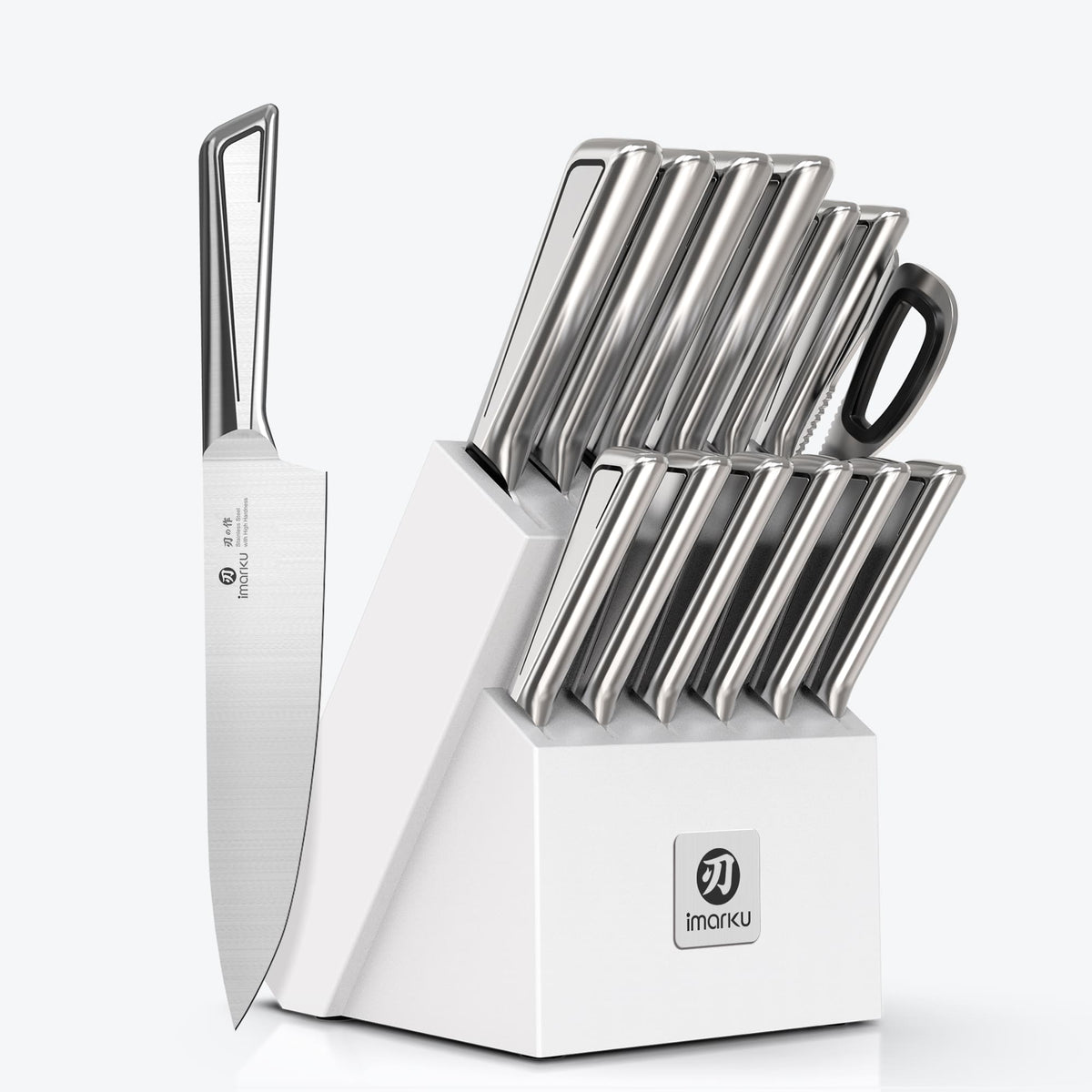
Avoid tossing the knife loosely in a drawer. Use a knife block, magnetic strip, or blade sheath to protect the edge from chipping and accidental damage.
Honing Regularly
Honing helps keep the blade aligned and sharp. For most home cooks, honing every 2–3 weeks is a good routine.
Sharpen When Needed
Even the best knives will eventually need sharpening. If you notice the knife pushing through food instead of slicing cleanly, it is time to sharpen the edge.
Perfect Kitchen Matching: Pair the Santoku Knife with Imarku Cookware
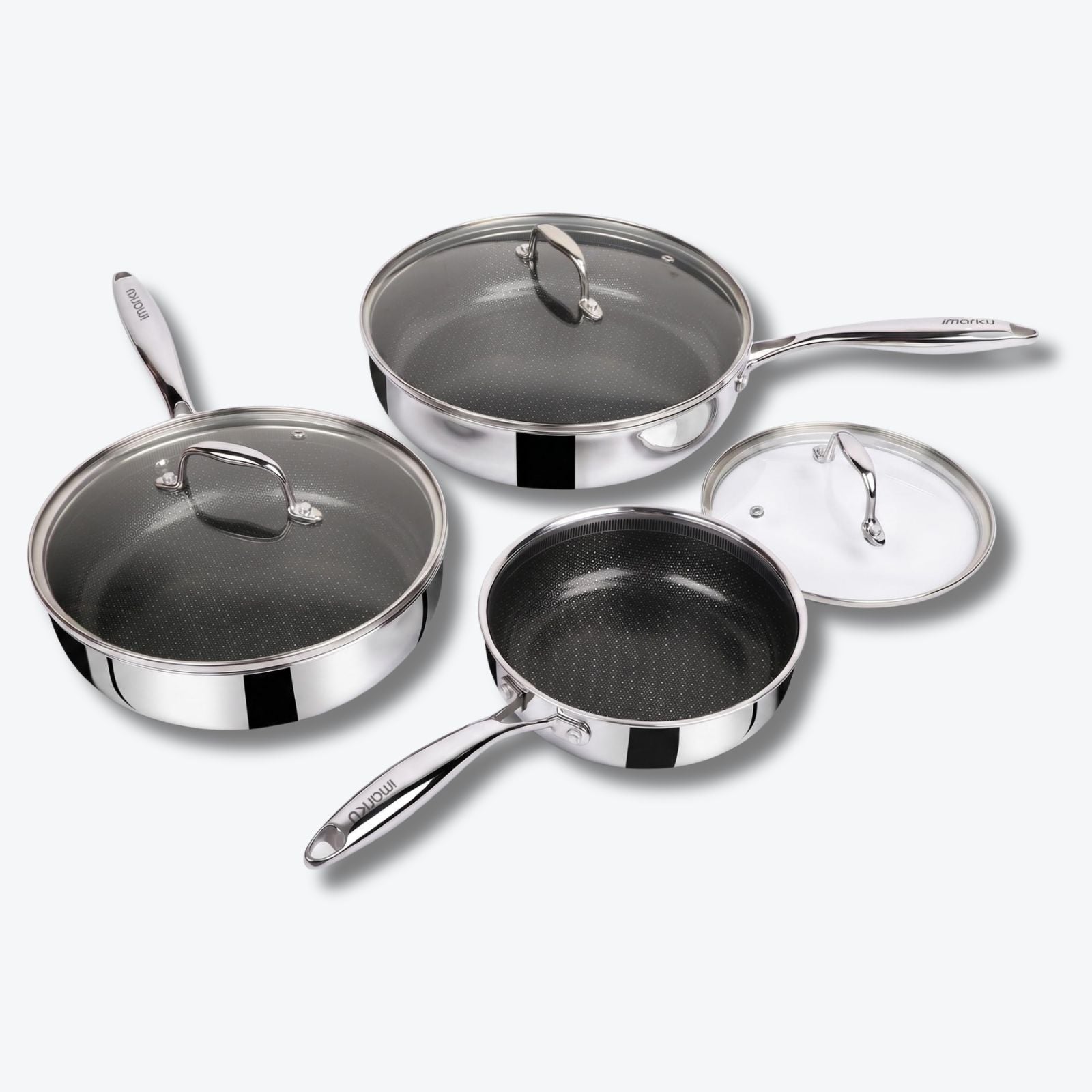
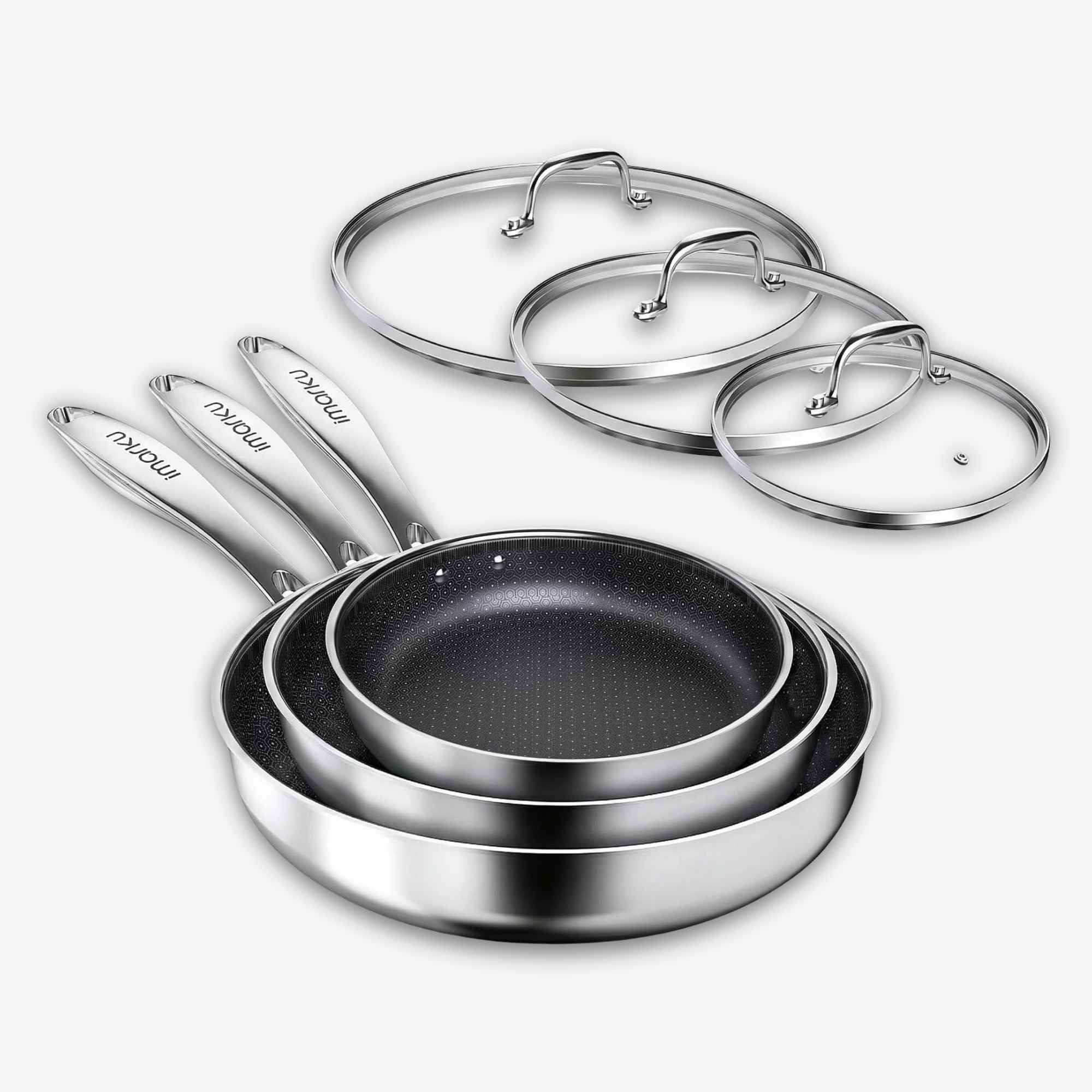
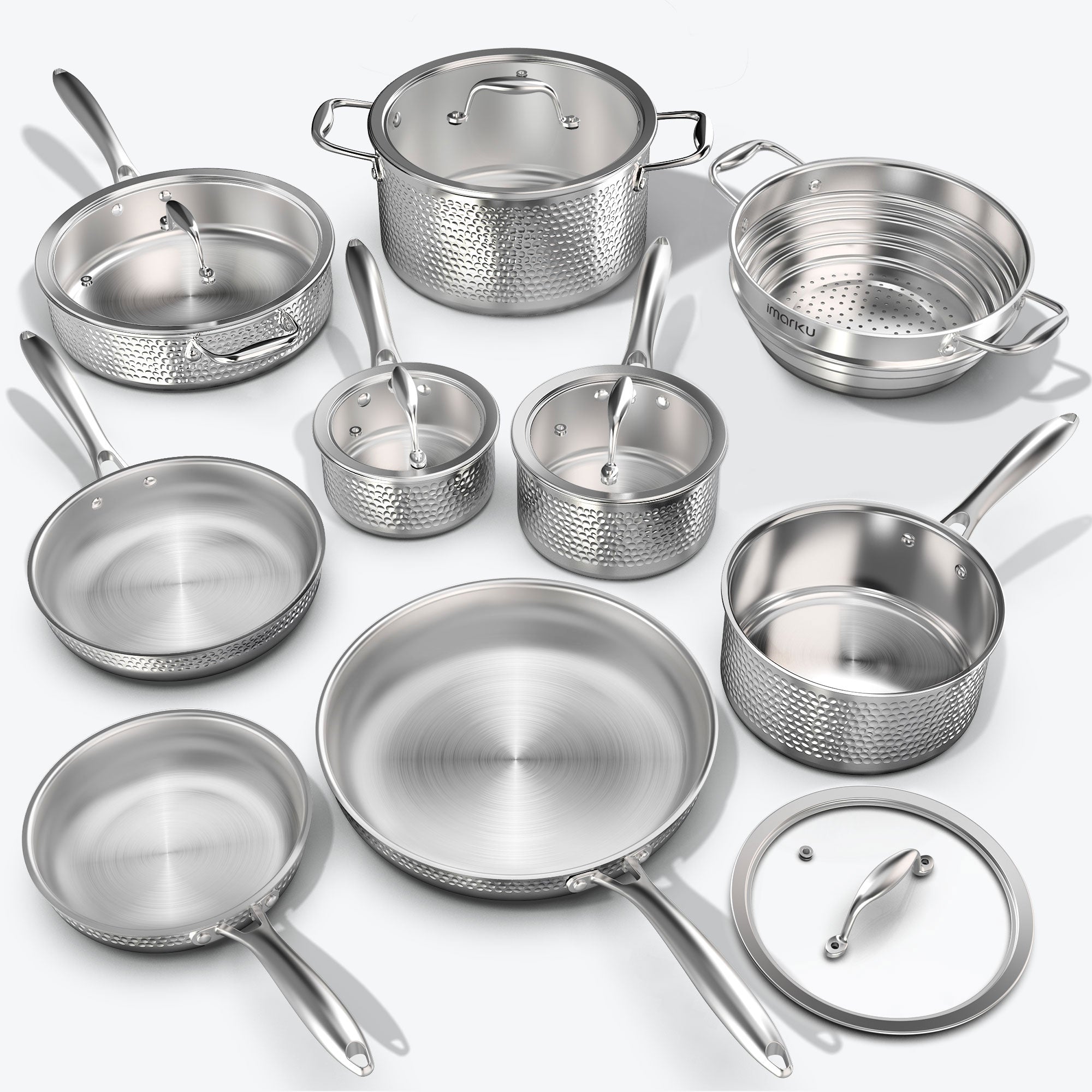
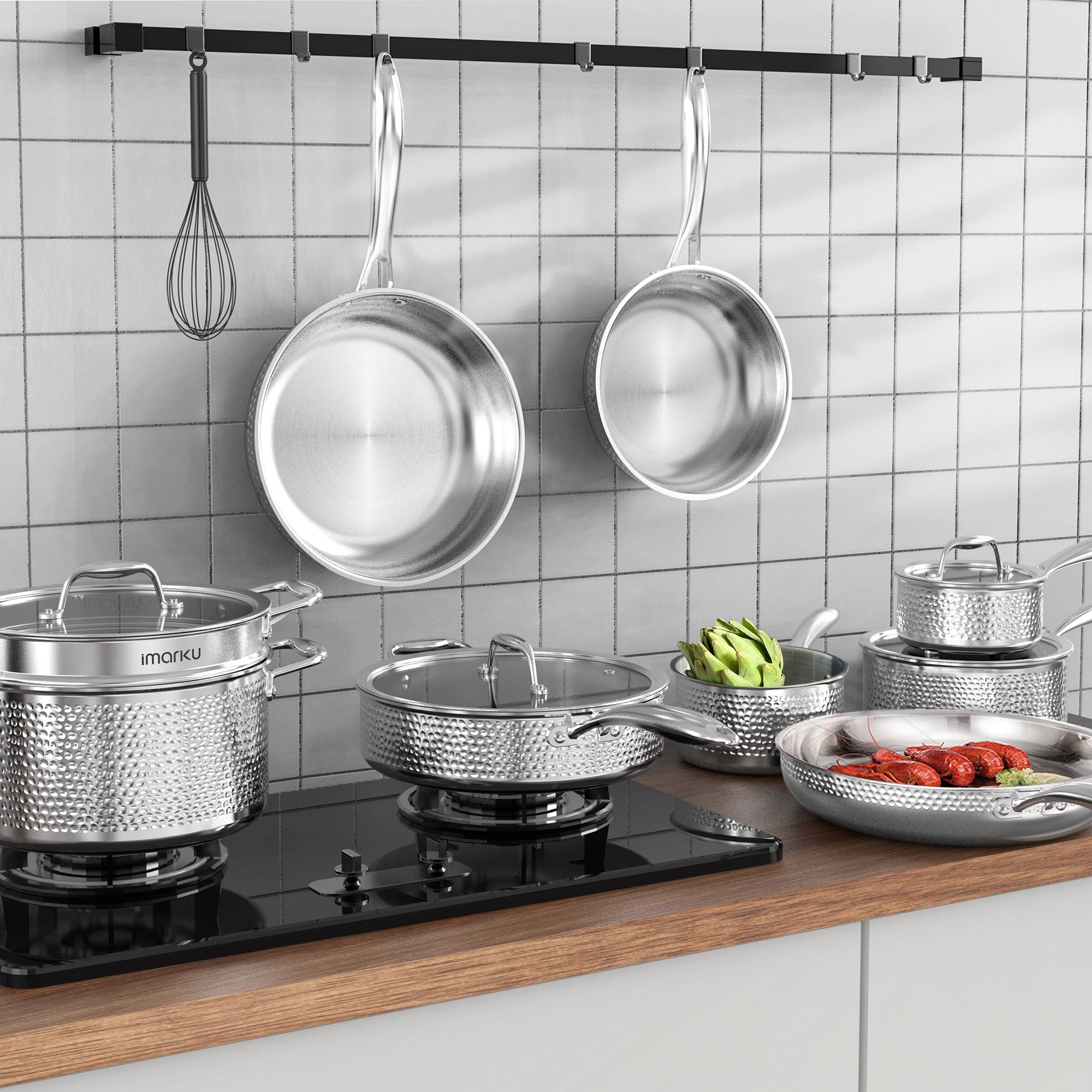
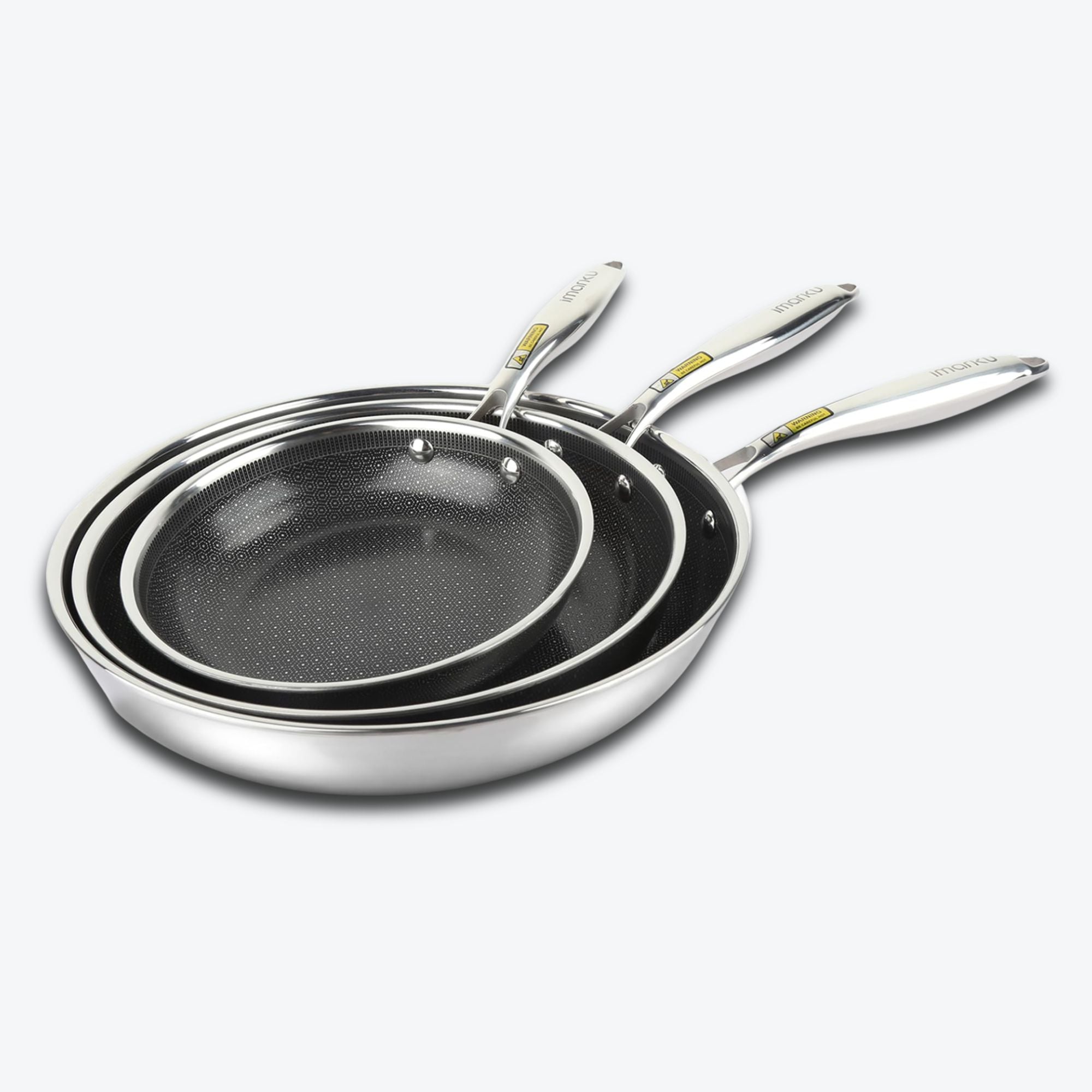
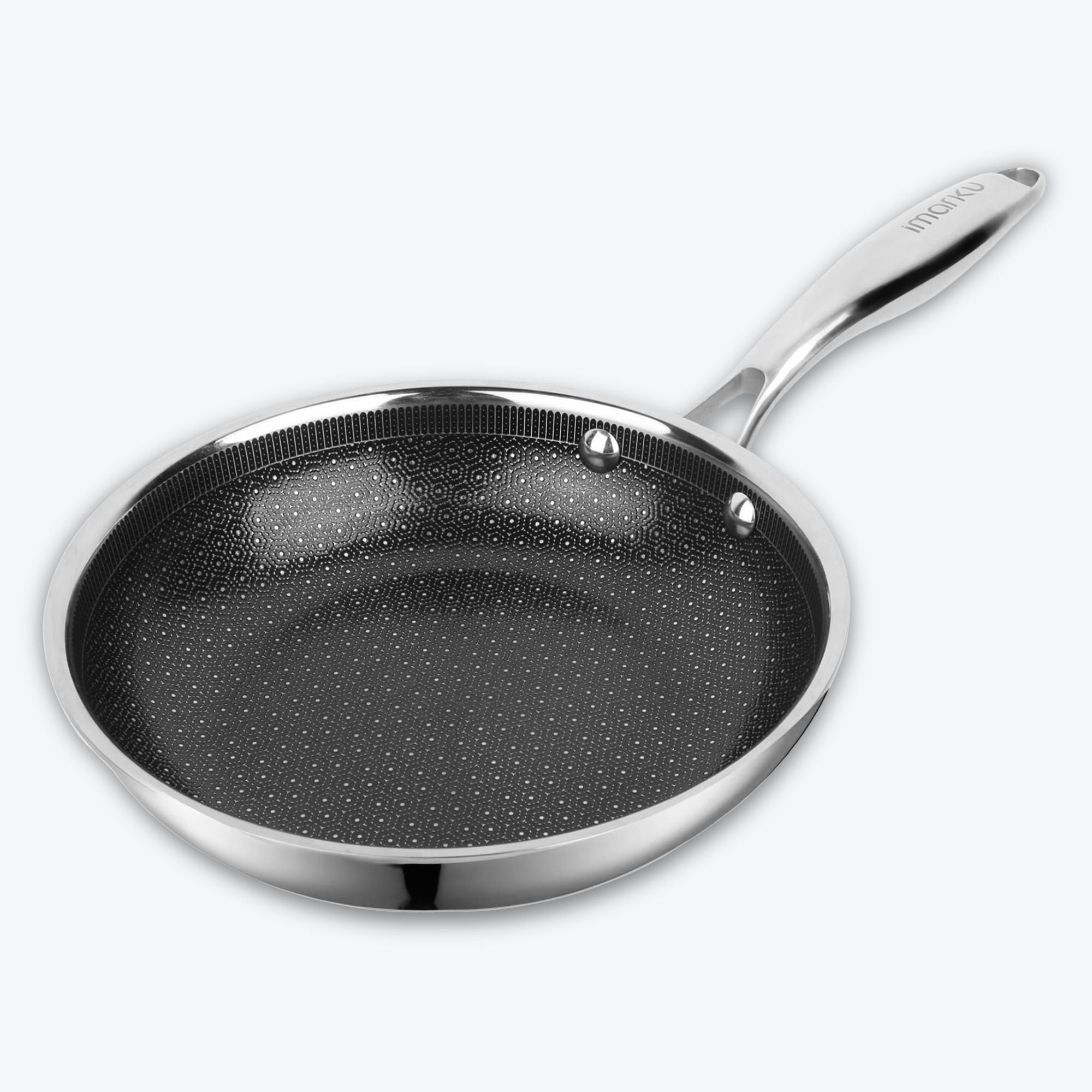
A great knife works even better with great cookware. Once you have prepared your ingredients with a sharp santoku knife, you need a reliable pan to cook them. Imarku offers a growing collection of kitchenware, including non-stick frying pans, saucepans, stock pots, and complete cookware sets.
If you are building a modern home kitchen, consider combining the Imarku Kyokujin TS02 Santoku Knife with:
- A non-stick frying pan for stir-fry and sautéed vegetables
- A saucepan for sauces, soups, and side dishes
- A stock pot for family soups and bulk cooking
- A full cookware set for new homes, weddings, or housewarming gifts
This combination creates a more complete cooking experience: precise prep, efficient cooking, and easier serving.
Final Verdict: Should You Buy a Santoku Knife in 2026?

For most American home cooks, yes. A santoku knife is not a replacement for every knife in the kitchen, but it is one of the most practical additions you can make to a modern home knife block.
The traditional chef knife will always have a place in professional kitchens and in homes where heavy chopping is common. But for everyday vegetable prep, salad making, stir-fry cooking, boneless meat slicing, and fish preparation, a well-made santoku is often the better choice.
The Imarku Santoku Series TS02 stands out because it offers:
- A sharp 12±2° cutting edge
- High carbon stainless steel blade
- Hollow edge dimples for less food sticking
- Ergonomic Pakkawood handle
- Premium giftable packaging
- Strong value compared to high-end imports
If you are looking for a new all-purpose kitchen knife, or if you simply want to upgrade your vegetable prep experience, the Imarku Kyokujin Series TS02 is worth serious consideration.
Explore the new Imarku santoku knife:https://imarku.net/products/vegetable-knife-santoku
Final Thoughts
Kitchen tools do not need to be overly complicated to be excellent. The best knives for home cooking are the ones you actually use every day. They should be sharp, comfortable, easy to clean, and reliable enough to handle the real meals your family eats.
The Imarku santoku Series TS02 7-Inch Hollow Edge Santoku Knife is built for exactly that kind of cooking. It is a versatile knife that fits neatly between budget household knives and expensive professional cutlery, making it a strong choice for U.S. home cooks in 2026.




Leave a comment
All comments are moderated before being published.
This site is protected by hCaptcha and the hCaptcha Privacy Policy and Terms of Service apply.