
TABLE OF CONTENTS
- >1. Choose the Right Frying Pan for the Food You Are Cooking
- >2. Preheat Your Frying Pan Before Adding Food
- >3. Use the Right Amount of Oil
- >4. How to Keep Food from Sticking to a Frying Pan
- >5. How to Cook Eggs in a Frying Pan
- >6. How to Sear Meat and Get a Golden-Brown Crust
- >7. Avoid These Common Frying Pan Mistakes
- >8. How to Clean and Maintain Your Frying Pan
- >What Type of Frying Pan Is Best for Everyday Cooking?
- >Explore the imarku Titanium Frying Pan Collection
- >Frequently Asked Questions
- >Final Thoughts
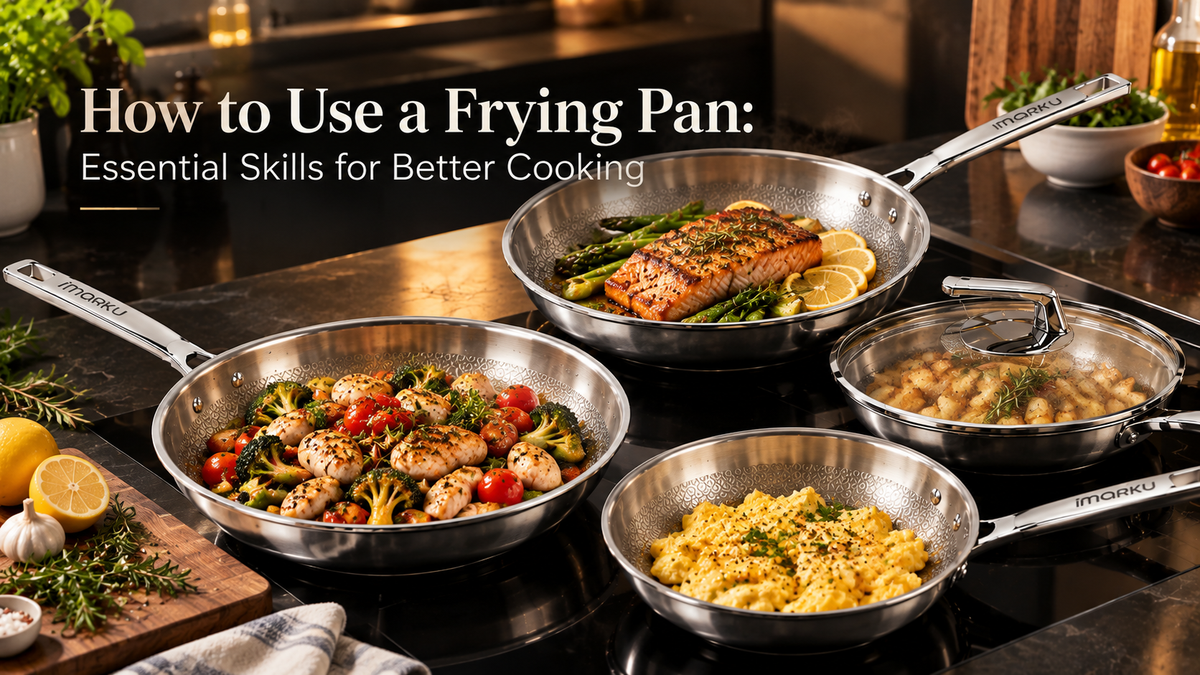
A frying pan is one of the most frequently used tools in any kitchen, but getting great results takes more than simply placing it on the stove and turning on the heat. Knowing how to use a frying pan properly can help you cook eggs without tearing them, achieve a golden crust on meat, prevent unnecessary sticking, and make everyday meals easier.
The secret is understanding a few basic cooking principles: preheating, temperature control, oil usage, and proper cleaning. Whether you are using a traditional nonstick pan, stainless steel cookware, or a coating-free titanium frying pan, these techniques can help you get more consistent results.
1. Choose the Right Frying Pan for the Food You Are Cooking
Not every frying pan is designed for the same cooking tasks. The size, cooking surface, and construction of your pan can all influence how your food turns out.
- Small frying pans (8 inches): Useful for cooking one or two eggs, making a small omelet, or preparing individual portions.
- Medium frying pans (10 inches): A versatile everyday option for sautéing vegetables, frying eggs, and cooking smaller portions of meat.
- Large frying pans (12 inches): Better suited for family-sized portions, larger cuts of meat, and meals that require more cooking space.
Think about how many people you usually cook for and what you prepare most often. A pan that is too small can overcrowd ingredients, while an unnecessarily large pan may be harder to handle for simple meals.
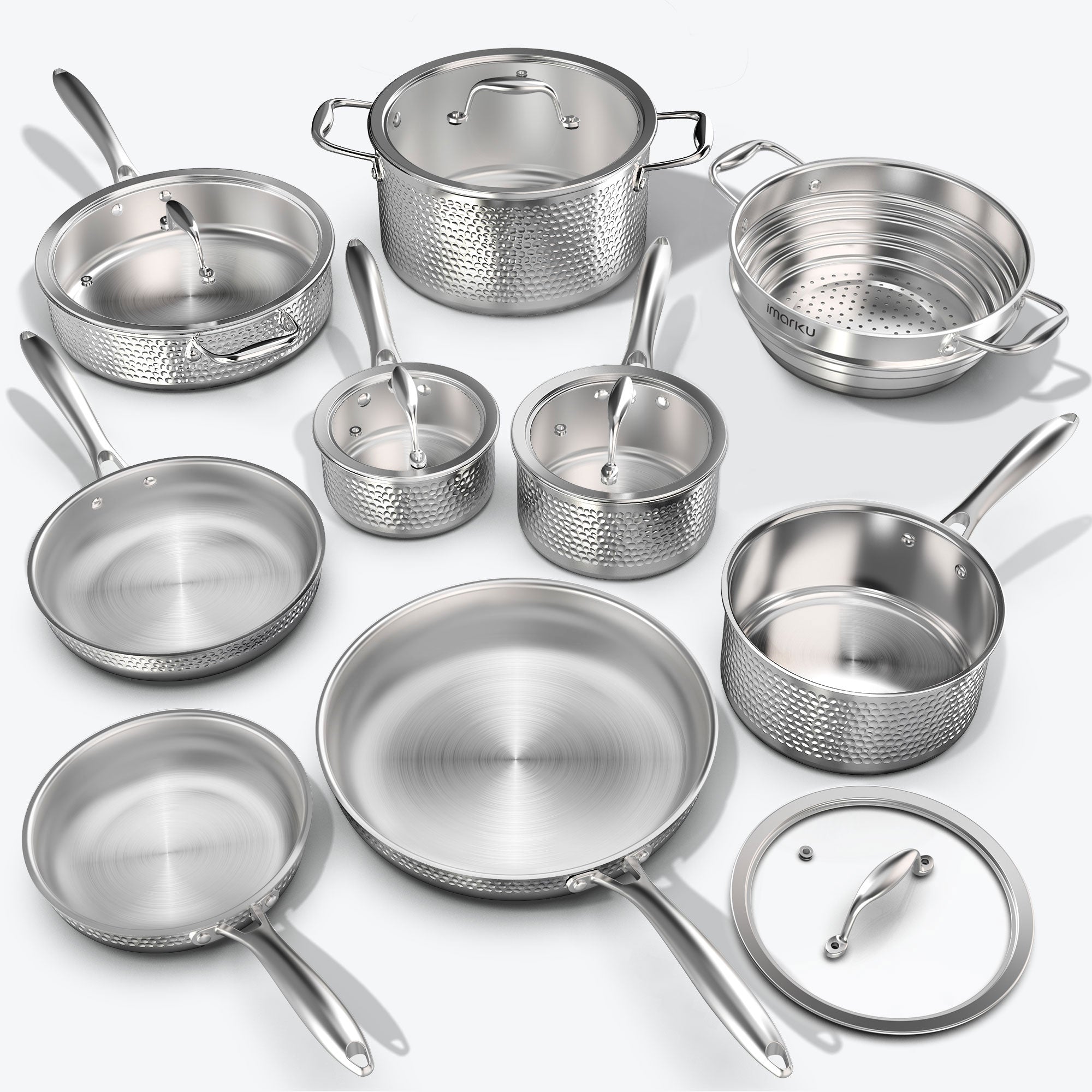
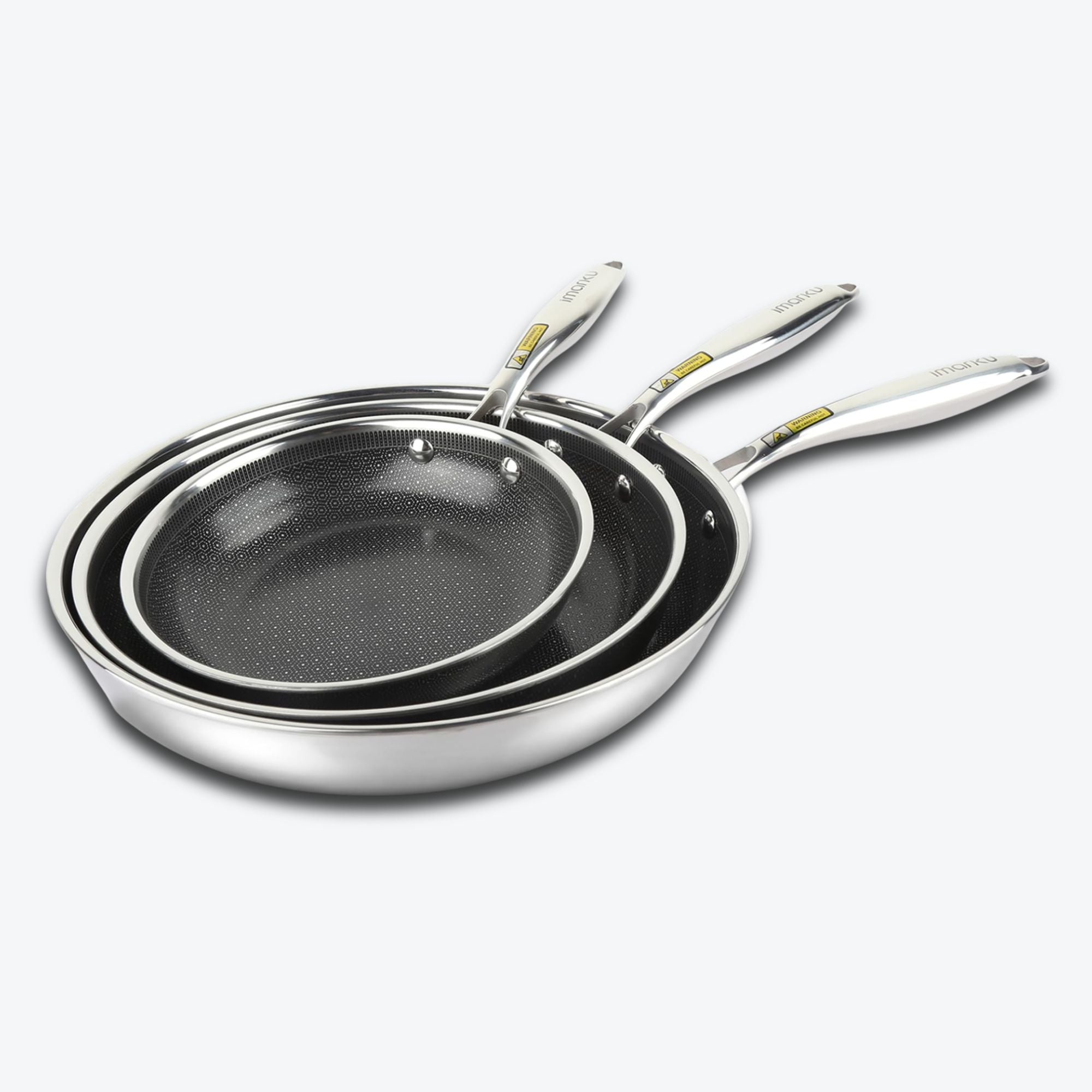
For more everyday cooking flexibility, consider a set that includes multiple pan sizes. Having different options makes it easier to match the cookware to the meal instead of forcing every recipe into the same pan.
2. Preheat Your Frying Pan Before Adding Food
One of the most common frying pan mistakes is adding ingredients before the pan is ready. Starting with a properly heated cooking surface helps food cook more evenly and can improve browning.
How to Preheat a Frying Pan Correctly
- Place the empty frying pan on the stovetop.
- Start with low to medium heat, adjusting based on your pan and cooking surface.
- Allow the pan to warm up gradually rather than immediately turning the burner to high.
- Add cooking oil when appropriate, then add your ingredients once the pan is ready.
The ideal preheating time depends on the pan's material, thickness, size, and stovetop. Instead of relying on a fixed number of minutes, learn how your cookware responds to heat.
Important: Avoid leaving an empty pan over high heat for an extended period. Excessive heat can damage certain cooking surfaces and may cause oil to smoke.
3. Use the Right Amount of Oil
Even when using cookware marketed for nonstick or easy food release, a little cooking oil or butter can make a difference. It helps create contact between the food and the cooking surface, supports browning, and can reduce sticking.
However, using too much oil is not always better. Excess oil can make food greasy and interfere with the texture you want.
How Much Oil Should You Use?
- For eggs: Use a small amount of butter or cooking oil to help with food release and flavor.
- For vegetables: Use enough oil to lightly coat the ingredients.
- For meat: Lightly coat the food or pan, depending on the cut and recipe.
- For sautéing: Use enough oil to prevent dry spots while allowing ingredients to brown.
Choose an oil that suits your cooking temperature. Olive oil, avocado oil, and other cooking oils have different smoke points and flavor profiles, so match your choice to the recipe.
4. How to Keep Food from Sticking to a Frying Pan
Food sticking to a frying pan is frustrating, especially when cooking delicate ingredients such as eggs, fish, or pancakes. But the problem is not always the pan itself. Temperature, moisture, timing, and cooking technique all matter.
Five Ways to Reduce Sticking
- Preheat appropriately: Give the pan time to warm up before adding ingredients.
- Use a little cooking fat: Oil or butter can help create a better cooking surface for many foods.
- Dry ingredients when needed: Excess surface moisture can interfere with browning, especially when cooking meat and vegetables.
- Avoid moving food too early: Meat and other ingredients often release more easily once a browned surface has formed.
- Control the heat: Extremely high heat can cause food to burn or stick before it cooks properly.
Different cookware surfaces behave differently. Traditional nonstick pans are designed to make food release easier, while stainless steel and coating-free cooking surfaces may require more attention to preheating, oil, and timing.
If you are considering cookware without a conventional nonstick coating, understanding the cooking technique is especially important. A coating-free surface does not mean food will never stick; good temperature control and appropriate cooking fat still matter.
5. How to Cook Eggs in a Frying Pan
Eggs are one of the best ways to practice basic frying pan skills. They cook quickly, respond noticeably to temperature changes, and can easily become overcooked if the heat is too high.
How to Make Fried Eggs
- Place your frying pan over low to medium heat.
- Add a small amount of butter or cooking oil.
- Crack the egg into the pan once the surface is ready.
- Allow the egg white to set gradually.
- For sunny-side-up eggs, continue cooking until the white is set while the yolk remains runny.
- For over-easy eggs, carefully flip the egg and cook briefly on the other side.
How to Make a Fluffy Omelet
For an omelet, beat the eggs before adding them to a lightly greased pan over low to medium-low heat. Let the eggs cook gently, occasionally moving the edges toward the center so uncooked egg can flow underneath. Add your fillings when the eggs are mostly set, then fold and finish cooking.
Common mistake: Using high heat may brown the outside too quickly while leaving the inside undercooked. Lower, controlled heat gives you more time to manage the texture.
6. How to Sear Meat and Get a Golden-Brown Crust
A good sear adds color, texture, and flavor to meat. Whether you are cooking chicken breast, steak, pork chops, or fish, a few simple steps can improve your results.
Steps for Better Searing
- Pat the meat dry: Use paper towels to remove excess surface moisture before cooking.
- Season before cooking: Apply salt and your preferred seasonings according to the recipe.
- Preheat the pan: Use an appropriate medium or medium-high heat, depending on the food and cookware.
- Add a suitable cooking oil: Choose an oil that can handle the temperature you plan to use.
- Give the meat enough space: Avoid overcrowding the pan, which can cause moisture to build up.
- Let the surface brown: Avoid constantly flipping or moving the meat. Turn it when a browned crust has developed and it releases more easily.
- Check doneness: Use a food thermometer when appropriate rather than relying only on appearance.
Remember that searing does not automatically mean the inside is fully cooked. The correct cooking time depends on the type, thickness, and size of the meat. Follow safe internal temperature recommendations for the food you are preparing.
7. Avoid These Common Frying Pan Mistakes
Even a good frying pan cannot compensate for every cooking mistake. Avoiding the following habits can help protect your cookware and improve everyday results.
- Heating an empty pan for too long: Excessive heat can damage cookware and create unnecessary wear.
- Using high heat for everything: Many foods cook better over low or medium heat, especially eggs and delicate ingredients.
- Overcrowding the pan: Too many ingredients at once can lower the cooking temperature and trap moisture.
- Using metal utensils on sensitive surfaces: Follow the manufacturer's utensil recommendations to avoid scratches or damage.
- Pouring cold water into a very hot pan: Sudden temperature changes can cause thermal shock and potentially warp or damage cookware.
- Cutting food directly inside the pan: Knives and sharp tools can damage the cooking surface.
8. How to Clean and Maintain Your Frying Pan
Proper cleaning helps keep your frying pan in good condition and makes it ready for the next meal. The best cleaning method depends on the cookware material and the manufacturer's care instructions.
Everyday Cleaning Steps
- Allow the pan to cool down before washing it.
- Remove leftover food and excess oil.
- Wash with warm water and dish soap when suitable for the cookware.
- Use a soft sponge or non-abrasive cleaning tool.
- Rinse thoroughly and dry the pan before storing it.
For stubborn food residue, soak the cooled pan in warm soapy water if the manufacturer's instructions allow it. Avoid aggressive scrubbing or harsh cleaning products unless they are specifically approved for your cookware.
Some frying pans are dishwasher-safe, while others require hand washing. Always check the product's care instructions instead of assuming every pan can go in the dishwasher.
What Type of Frying Pan Is Best for Everyday Cooking?
The best frying pan for everyday cooking depends on your priorities. Some people want effortless food release for eggs and pancakes, while others prioritize browning, durability, easy maintenance, or a cooking surface without a conventional nonstick coating.
Here are a few common options to consider:
| Frying Pan Type | What It Is Known For | What to Consider |
|---|---|---|
| Traditional Nonstick | Convenient food release and easy everyday cooking | Follow temperature limits and surface-care instructions |
| Stainless Steel | Browning, searing, and versatile cooking | Preheating and oil technique are important |
| Cast Iron | Heat retention and high-heat cooking | Heavy construction and seasoning maintenance may require extra care |
| Coating-Free Titanium-Featured Cookware | An alternative for shoppers interested in cookware without a conventional nonstick coating | Check the actual construction, heating characteristics, and care instructions |
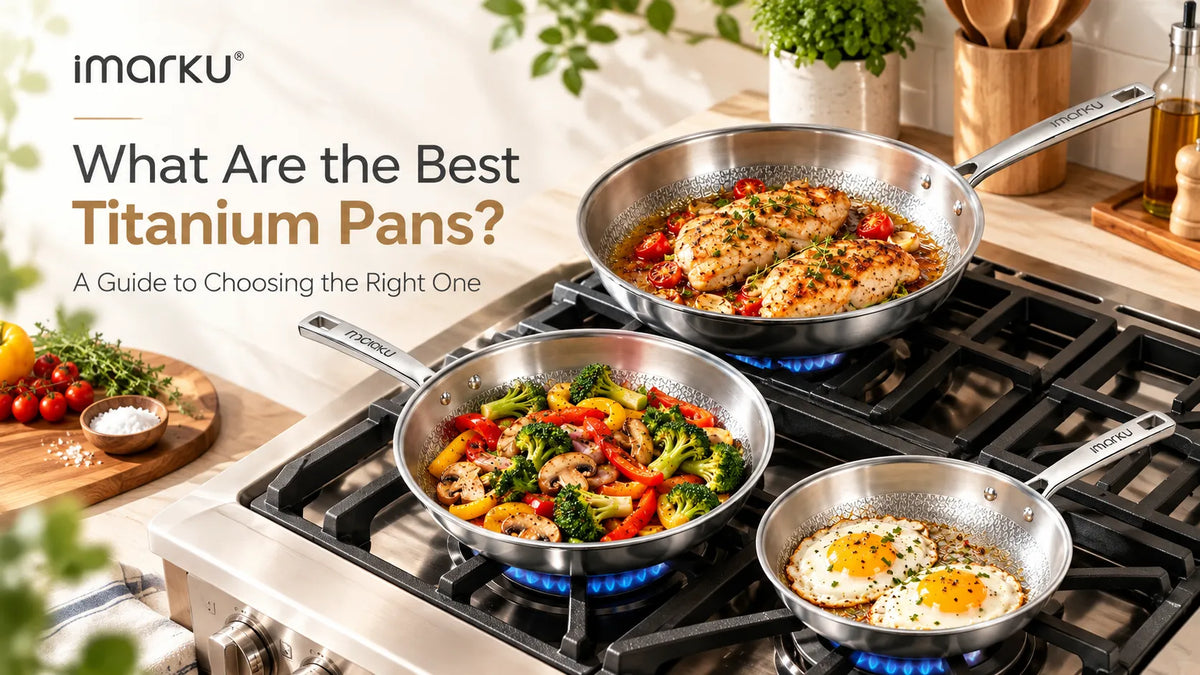
If you are comparing different cookware surfaces before buying, read our guide to what makes the best titanium pans. It explains the features worth considering when choosing a frying pan for everyday use.
Explore the imarku Titanium Frying Pan Collection
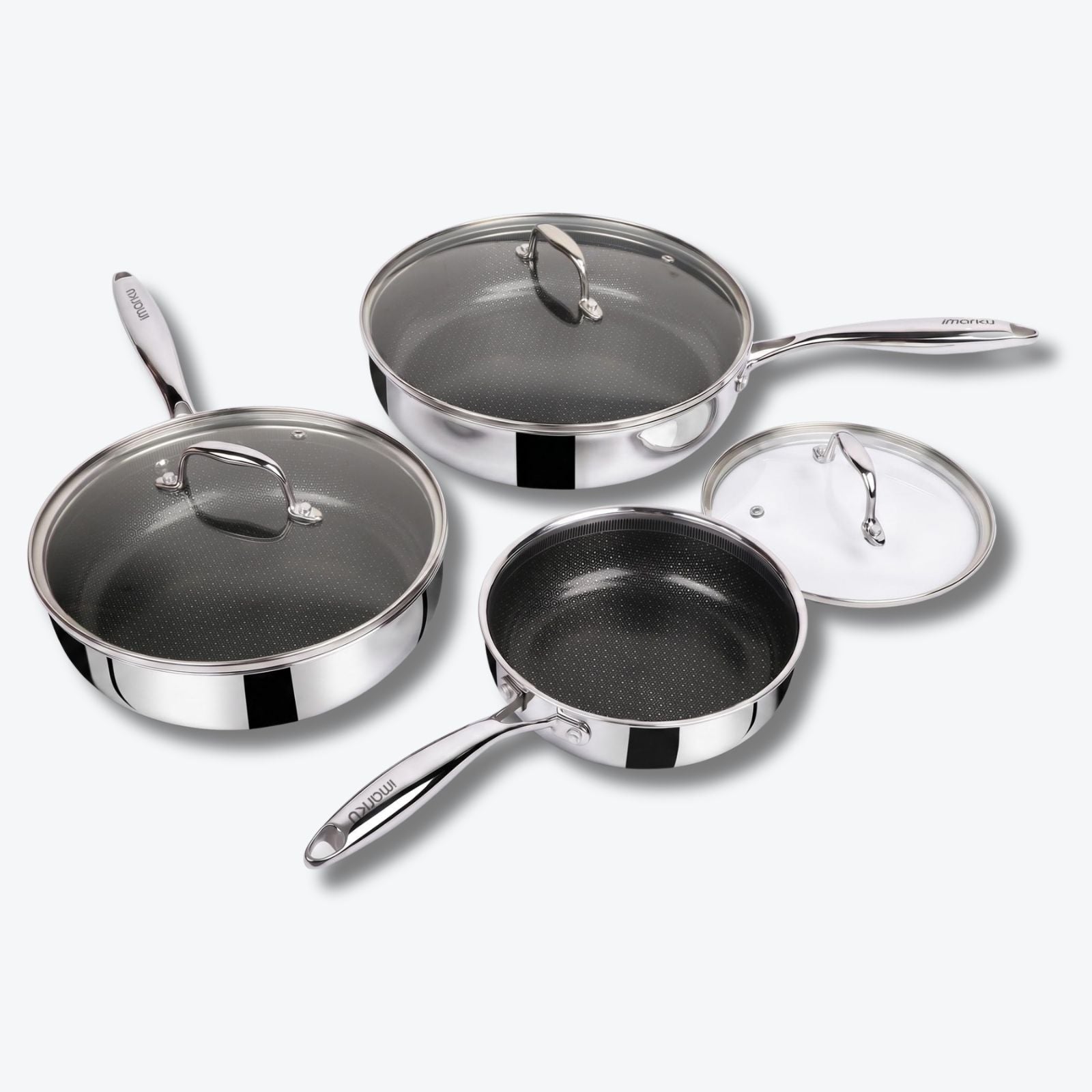
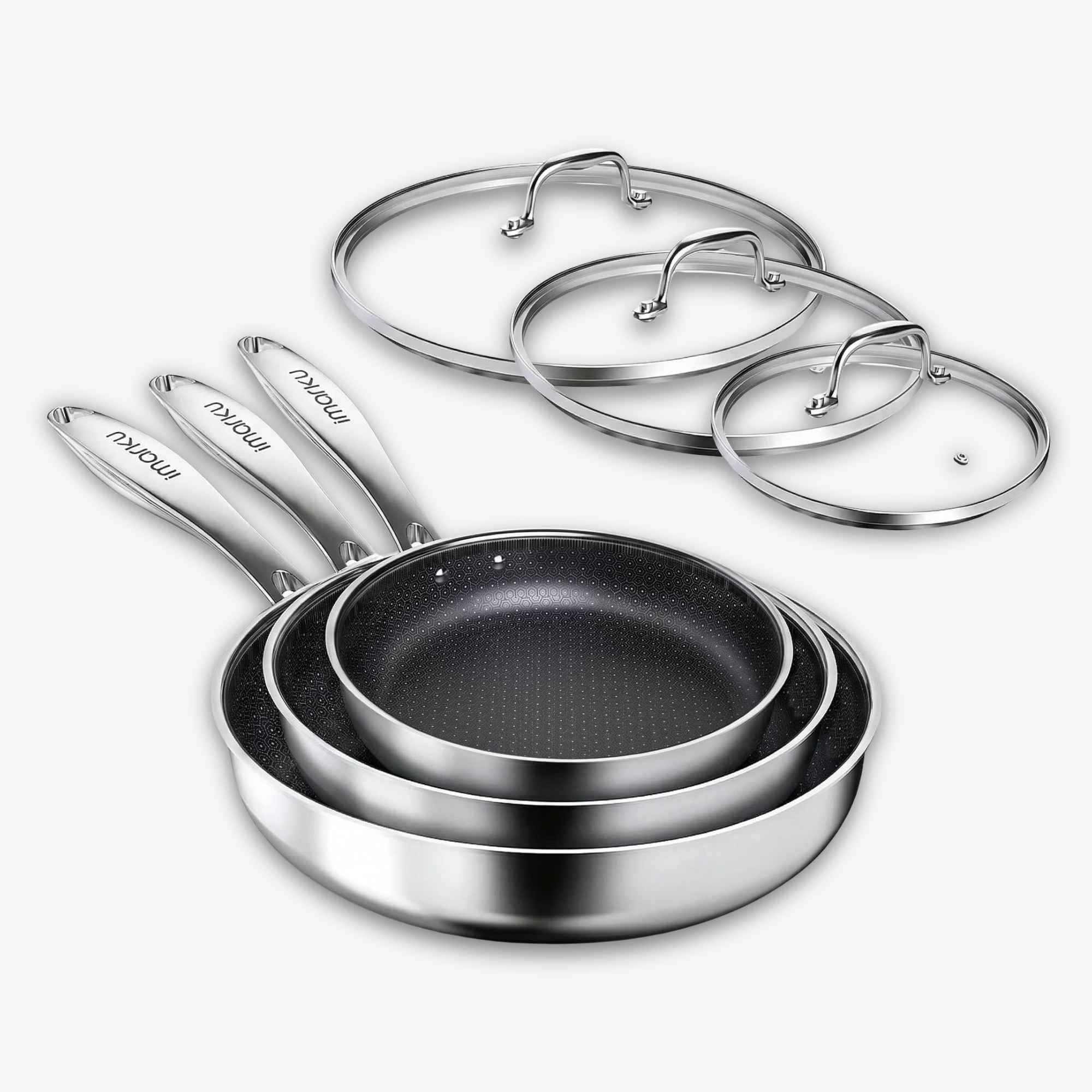
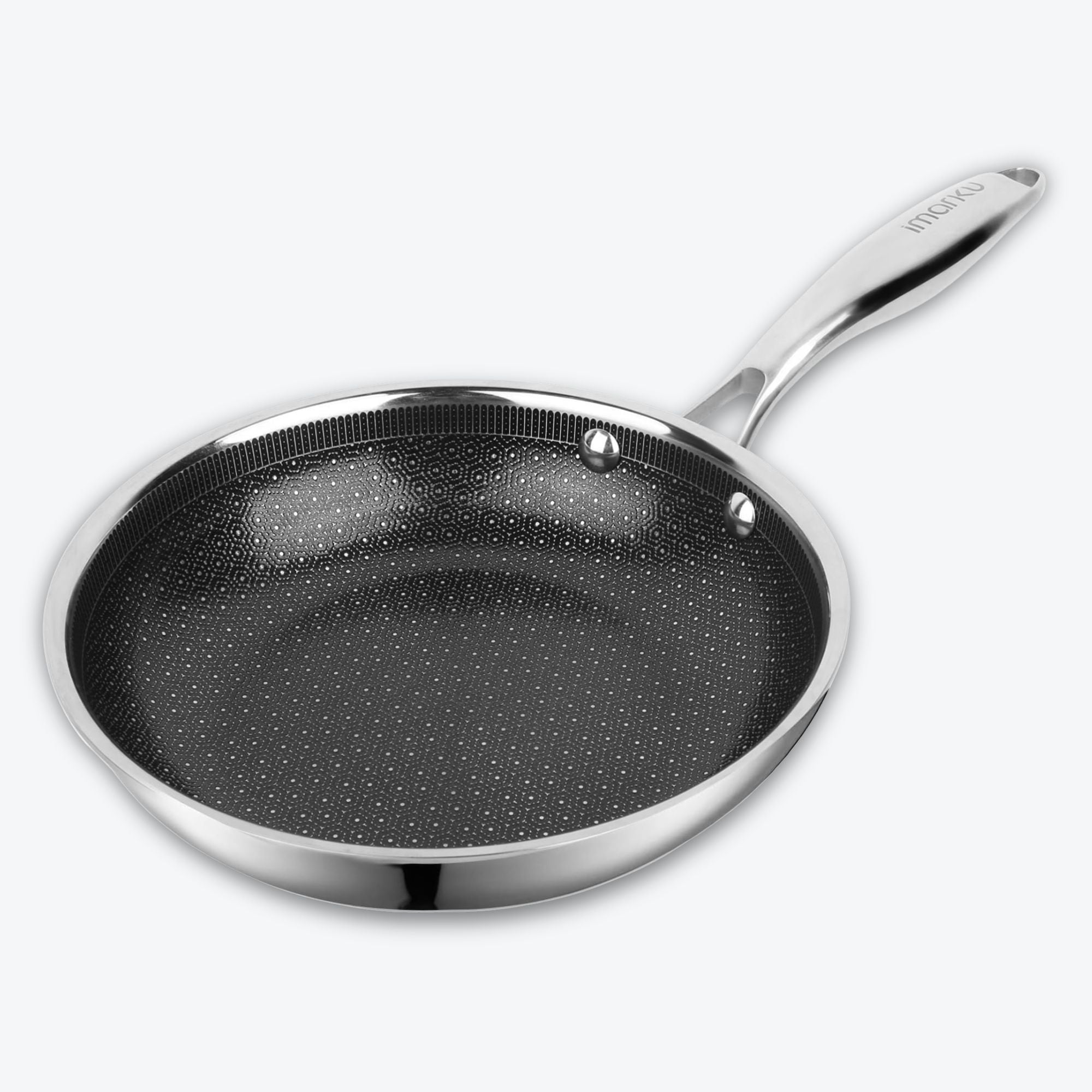
If you are looking for a frying pan with a coating-free interior, the imarku Titanium Frying Pan Collection is worth exploring. Designed for everyday kitchen use, the collection offers 8-inch, 10-inch, and 12-inch options, making it easier to choose a size for individual meals or family cooking.
The product features a patented coating-free interior, an aluminum core, and compatibility with induction, gas, electric, ceramic, and glass cooktops. The collection also includes lids, offering added flexibility for different cooking tasks.
As with any cookware, the best results come from using the right heat, cooking fat, and technique for the food you are preparing. Check the product page for complete construction details, care instructions, and current availability.
Explore imarku Titanium Frying Pans with Lids
Frequently Asked Questions
1. Should You Preheat a Frying Pan Before Cooking?
Yes. Preheating helps the cooking surface reach a more suitable temperature before food is added. Use moderate heat and avoid leaving an empty pan over high heat for too long.
2. How Do You Stop Food from Sticking to a Frying Pan?
Preheat the pan appropriately, use a suitable amount of oil or butter, dry ingredients when necessary, avoid overcrowding, and give food enough time to develop a browned surface before turning it.
3. Should You Put Oil in a Frying Pan Before or After Heating It?
It depends on the cookware and recipe. For many everyday cooking tasks, you can preheat the pan first and then add oil. Avoid overheating an empty pan or allowing oil to smoke.
4. What Heat Setting Should You Use for a Frying Pan?
Low to medium heat works well for many everyday tasks, including eggs and delicate foods. Medium to medium-high heat may be appropriate for searing, depending on the cookware and recipe. High heat is not necessary for most cooking.
5. Why Does Food Stick Even in a Nonstick Frying Pan?
Food can still stick because of excessive heat, insufficient cooking fat, damaged cookware, or food being moved before it has properly cooked. Follow the manufacturer's instructions and adjust your cooking technique.
6. Can You Use a Frying Pan on an Induction Cooktop?
Only if the pan is designed to be induction-compatible. Check the manufacturer's specifications before using it on an induction cooktop.
7. How Often Should You Clean a Frying Pan?
Clean your frying pan after each use once it has cooled down. Removing food residue and excess oil helps keep the cooking surface in good condition.
8. Can You Put a Hot Frying Pan Directly into Cold Water?
It is better to let the pan cool first. Sudden temperature changes can cause thermal shock, which may warp or damage certain types of cookware.
Final Thoughts
Learning how to use a frying pan properly comes down to a few simple habits: choose the right pan size, preheat carefully, use an appropriate amount of cooking oil, control the temperature, and clean your cookware according to its care instructions.
These small adjustments can make a noticeable difference in everyday cooking, whether you are preparing a quick breakfast, sautéing vegetables, or searing meat for dinner. Once you understand how your cookware responds to heat, you can cook with greater consistency and confidence.
Looking for a different cooking surface for your kitchen? Explore the imarku Titanium Frying Pan Collection and find a size that fits your everyday cooking needs.



Leave a comment
All comments are moderated before being published.
This site is protected by hCaptcha and the hCaptcha Privacy Policy and Terms of Service apply.