
TABLE OF CONTENTS
- >1. Chef's Knife: The Everyday Kitchen Essential
- >2. Santoku Knife: A Versatile Choice for Precise Cutting
- >3. Utility Knife: The Middle Ground Between Large and Small Knives
- >4. Paring Knife: For Small, Detailed Kitchen Tasks
- >5. Bread Knife: Designed for Clean Slices
- >How Many Kitchen Knives Do You Actually Need?
- >What to Look for When Choosing a Kitchen Knife Set
- >A Practical Knife Collection for Everyday Cooking
- >Final Thoughts
- >Frequently Asked Questions
Walk into a kitchen store or browse kitchen knives online, and you'll quickly discover that there are dozens of knife styles, sizes, and designs. From large chef knives to small paring knives, each seems to promise a different purpose. But do you really need a drawer full of knives to prepare everyday meals?
For most home cooks, the answer is no. A practical kitchen doesn't need an oversized knife collection. It needs a few reliable knives that handle the tasks you perform most often, whether you're chopping vegetables, slicing meat, preparing fruit, or cutting bread.
Understanding what kitchen knives you need starts with knowing what each type is designed to do. Some knives are versatile enough for daily meal preparation, while others make specific tasks safer, easier, and more precise. This guide covers five essential kitchen knife types, explains when to use each one, and helps you decide what belongs in your kitchen.
1. Chef's Knife: The Everyday Kitchen Essential
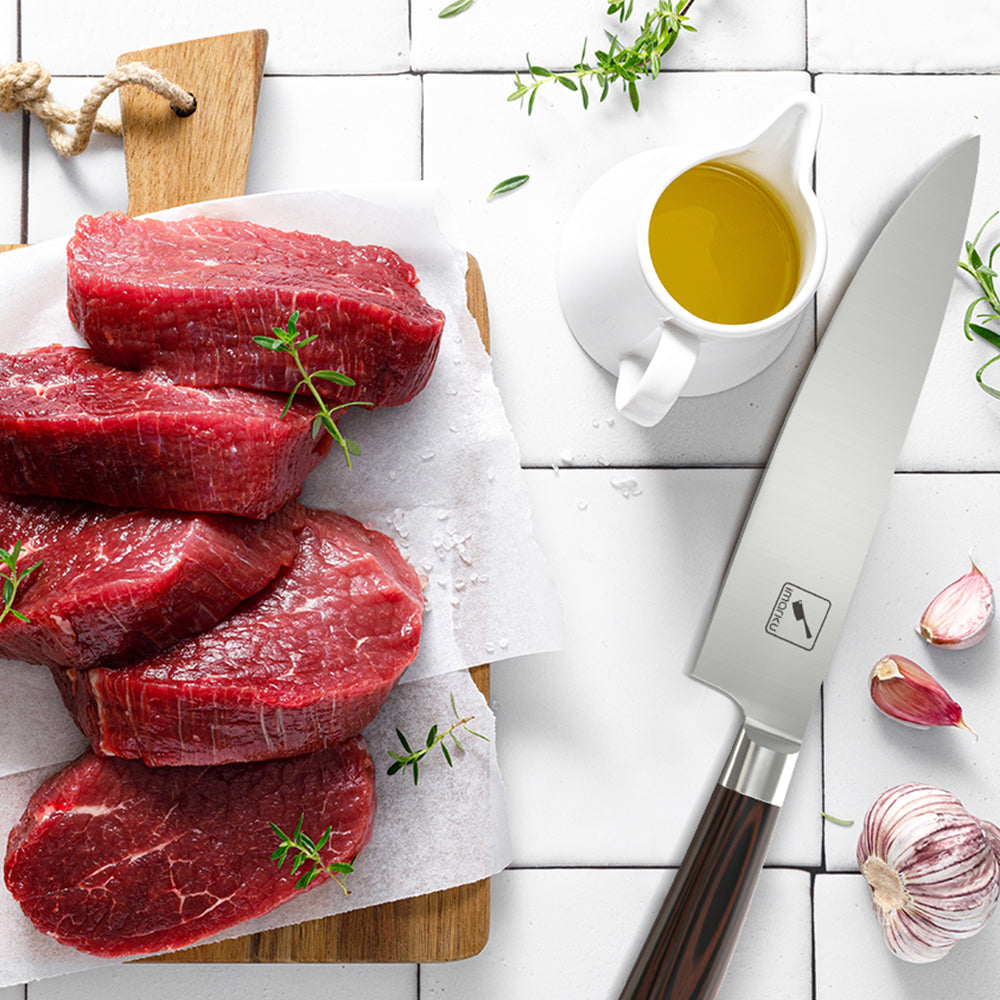
If you could keep only one kitchen knife, a chef's knife would be a practical place to start. It is one of the most versatile tools in a home kitchen, designed to handle a wide range of food preparation tasks.
Most traditional chef's knives feature a broad blade with a slightly curved edge. This shape allows cooks to use a rocking motion when chopping, keeping the knife tip closer to the cutting board while the heel moves up and down.
What Can You Use a Chef's Knife For?
- Chopping vegetables: Cut onions, carrots, celery, bell peppers, and other everyday ingredients.
- Mincing aromatics: Finely chop garlic, ginger, herbs, and fresh spices.
- Slicing meat: Cut boneless chicken, beef, and other proteins into manageable portions.
- Preparing larger ingredients: Break down larger vegetables and fruits into smaller pieces.
An 8-inch chef's knife is a popular choice for home kitchens because it offers a useful balance between blade length, control, and versatility. It provides enough cutting surface for larger ingredients without feeling excessively long for everyday preparation.
When Should You Choose a Chef's Knife?
Choose a chef's knife if you regularly prepare meals from fresh ingredients and want one dependable tool for most cutting tasks. It is particularly useful for home cooks who chop vegetables, prepare proteins, and cook multiple dishes throughout the week.
However, a chef's knife isn't designed for every job. Its relatively large blade can feel awkward when peeling small fruits or performing delicate detail work. That's where smaller specialty knives become useful.
2. Santoku Knife: A Versatile Choice for Precise Cutting
The Santoku knife is another popular all-purpose kitchen knife, especially in Japanese-style cooking. The word "Santoku" is commonly translated as "three virtues," referring to its versatility in cutting meat, fish, and vegetables.
Compared with a traditional Western chef's knife, a Santoku typically has a shorter blade, a flatter cutting edge, and a rounded or sheepsfoot-style tip. These characteristics make it well suited to straight up-and-down cutting motions.
What Can You Use a Santoku Knife For?
- Vegetable preparation: Slice cucumbers, zucchini, onions, and leafy vegetables.
- Meat preparation: Cut boneless meat into smaller portions.
- Fish preparation: Slice and portion fish for everyday cooking.
- Fine chopping: Prepare ingredients that need relatively uniform cuts.
Chef's Knife vs. Santoku: What's the Difference?
Both knives are versatile enough to handle many everyday kitchen tasks, but their blade shapes and cutting styles differ.
| Feature | Chef's Knife | Santoku Knife |
|---|---|---|
| Blade shape | Curved cutting edge | Generally flatter cutting edge |
| Tip | Pointed tip | Rounded or less pointed tip |
| Cutting style | Rocking and slicing | Straight up-and-down cuts |
| Common uses | Chopping, slicing, mincing | Vegetables, meat, fish |
Neither knife is automatically better. The right choice depends on your preferred cutting technique and the foods you prepare most often. If you enjoy rocking the blade across a cutting board, a chef's knife may feel more natural. If you prefer a straighter cutting motion, a Santoku may be a better fit.
3. Utility Knife: The Middle Ground Between Large and Small Knives
A utility knife fills the gap between a full-size chef's knife and a small paring knife. It is generally longer than a paring knife but narrower and more compact than a chef's knife.
This size makes it convenient for everyday tasks that require more precision than a large knife can comfortably provide.
What Can You Use a Utility Knife For?
- Slicing smaller vegetables: Cut tomatoes, cucumbers, and zucchini.
- Preparing sandwiches: Slice cheese, cooked meats, and sandwich ingredients.
- Cutting medium-sized fruits: Prepare apples, pears, and other fruits.
- Trimming ingredients: Remove unwanted edges or cut smaller portions.
When Is a Utility Knife Useful?
A utility knife is especially helpful when a chef's knife feels too large for the task, but a paring knife doesn't provide enough blade length. It is a convenient everyday option for quick preparation jobs and smaller ingredients.
For example, when preparing lunch, you might use a chef's knife to chop vegetables for a salad and a utility knife to slice tomatoes or cheese for a sandwich.
4. Paring Knife: For Small, Detailed Kitchen Tasks
A paring knife is a small kitchen knife designed for precision. Its compact blade gives you more control when working with ingredients that require careful handling.
Unlike larger knives, a paring knife is easy to maneuver around small fruits and vegetables. It is particularly useful when you need to work close to the ingredient rather than make broad cutting motions across a cutting board.
What Can You Use a Paring Knife For?
- Peeling fruits: Remove the skin from apples, pears, and other small fruits.
- Trimming vegetables: Remove stems, ends, and unwanted spots.
- Removing seeds: Clean and prepare small fruits and vegetables.
- Decorative cutting: Create small garnishes and perform detailed preparation work.
Why Do Home Cooks Need a Paring Knife?
Even if you own a good chef's knife, some kitchen tasks are simply easier with a smaller blade. Peeling a kiwi, removing the core from a small fruit, or trimming the ends of green beans can feel less awkward with a paring knife.
Its small size makes it a useful companion to larger kitchen knives, particularly for cooks who regularly prepare fresh produce.
5. Bread Knife: Designed for Clean Slices
A bread knife is easy to recognize because of its long, serrated blade. Instead of using a smooth cutting edge, it features small teeth that grip the surface of food and help cut through it with a gentle sawing motion.
This design is particularly useful for foods that have a firm exterior and a soft interior. A smooth-edged knife may compress these foods before cutting through them, while a serrated blade can help create cleaner slices.
What Can You Use a Bread Knife For?
- Slicing bread: Cut sourdough, baguettes, sandwich loaves, and crusty bread.
- Cutting soft cakes: Slice certain cakes without pressing down too heavily.
- Preparing delicate produce: Cut ripe tomatoes with less pressure on the soft interior.
- Slicing foods with firm skins: Handle certain fruits and vegetables with tougher outer surfaces.
Why Is a Serrated Blade Important?
The teeth along a bread knife's edge help it maintain contact with uneven or firm surfaces as you saw through food. This makes it particularly effective for crusty bread, where a straight-edged blade may require more downward pressure.
For home cooks who regularly bake or enjoy fresh bread, a bread knife can make a noticeable difference in everyday food preparation.
How Many Kitchen Knives Do You Actually Need?
Now that you understand the five common knife types, you may be wondering whether you need all of them.
The answer depends on your cooking habits. Someone who prepares simple meals a few times a week may only need a chef's knife and a paring knife. A household that regularly prepares fresh vegetables, meat, bread, and multiple dishes may benefit from a more complete collection.
Here is a simple way to think about your kitchen knife needs:
| Your Cooking Habits | Useful Knife Choices |
|---|---|
| Basic everyday meal preparation | Chef's knife and paring knife |
| Frequent vegetable preparation | Chef's knife, Santoku, and paring knife |
| Preparing sandwiches and smaller ingredients | Chef's knife and utility knife |
| Regular bread and baking preparation | Chef's knife and bread knife |
| Cooking a wide variety of meals | A combination of all five knife types |
Rather than buying every knife separately, consider whether a thoughtfully selected kitchen knife set can provide the tools you are most likely to use. A well-organized set can also make it easier to keep your knives together and ready for meal preparation.
What to Look for When Choosing a Kitchen Knife Set
Knowing which knives you need is only part of the decision. The quality, comfort, and practicality of a knife set also matter.
1. Choose a Useful Combination of Knives
Look beyond the number of pieces included in a set. Consider whether the knives serve different purposes and match your actual cooking habits. A smaller collection of useful knives can be more valuable than a larger set filled with tools you rarely use.
2. Consider Blade Material
Kitchen knives are made from different types of steel, each with its own characteristics. Stainless steel is a popular choice for everyday kitchen knives because it offers corrosion resistance and is relatively straightforward to maintain. Blade sharpness, edge retention, and maintenance requirements are also important factors to consider.
3. Pay Attention to Handle Comfort
A knife should feel balanced and comfortable in your hand. Consider the handle shape, material, grip, and overall weight. A comfortable handle can make repetitive food preparation easier, especially when chopping or slicing multiple ingredients.
4. Think About Storage
Proper storage helps protect knife edges and keeps your kitchen organized. Depending on your space, you might prefer a knife block, drawer insert, magnetic strip, or protective knife roll. Whatever option you choose, avoid leaving sharp blades loose in a kitchen drawer.
5. Understand Maintenance Requirements
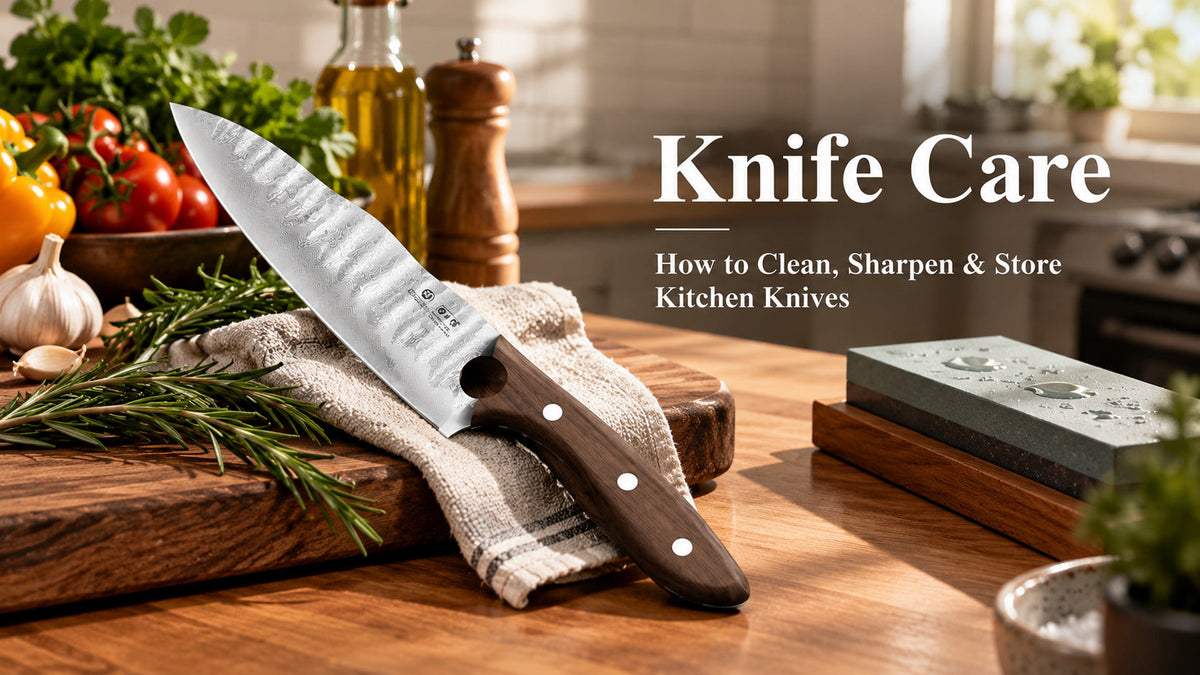
Every kitchen knife needs appropriate care. Hand washing and drying knives promptly can help prevent corrosion and protect their handles. Regular sharpening and proper storage also help maintain cutting performance over time.
A Practical Knife Collection for Everyday Cooking
If you are building your first kitchen knife collection or looking to simplify your current setup, a carefully selected knife set can be a convenient starting point.
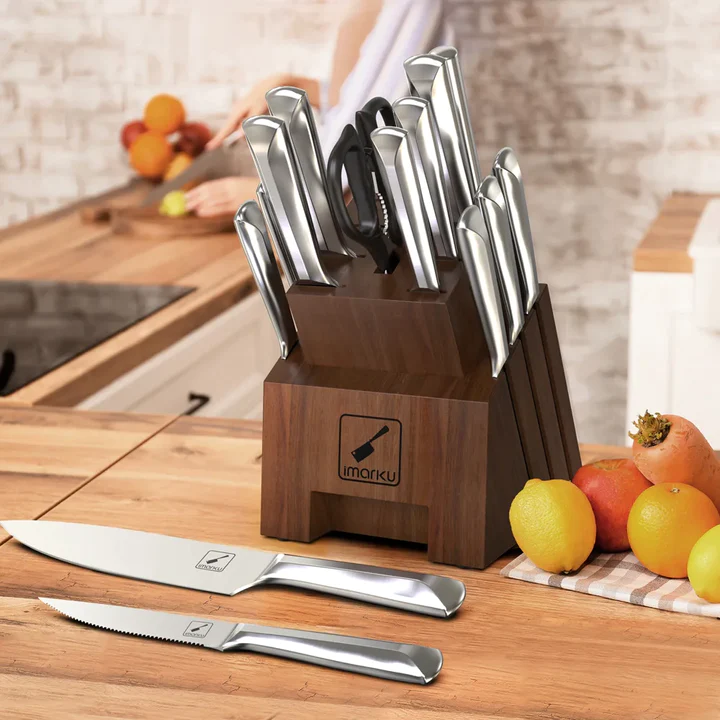
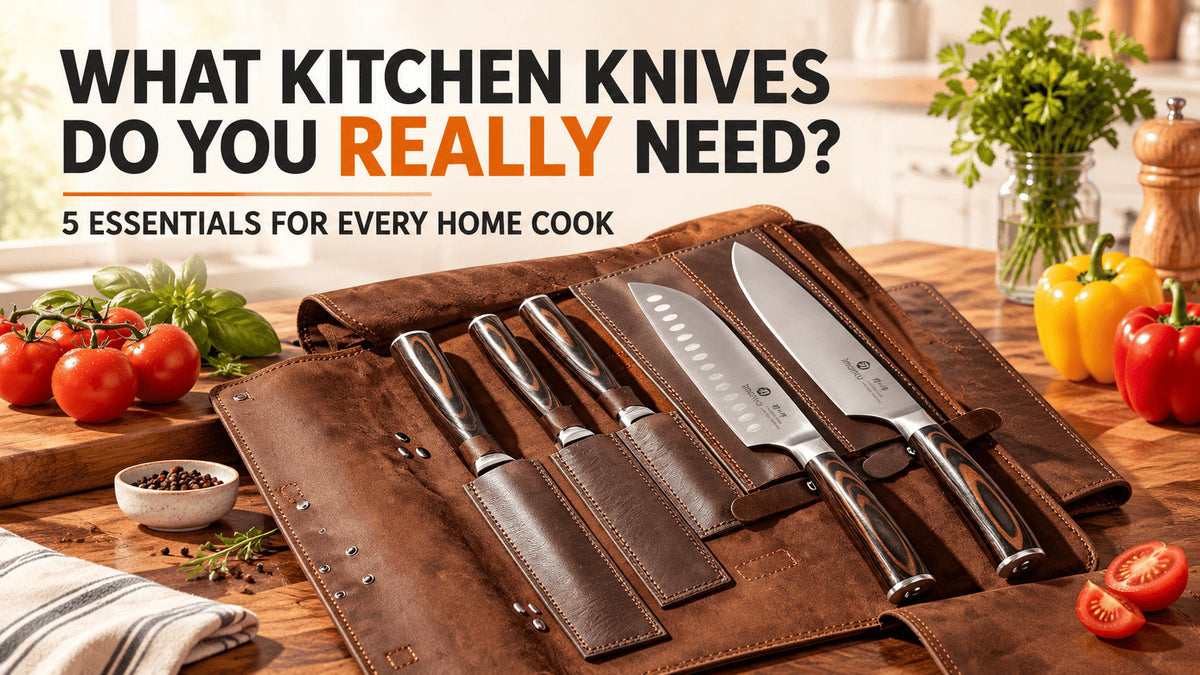
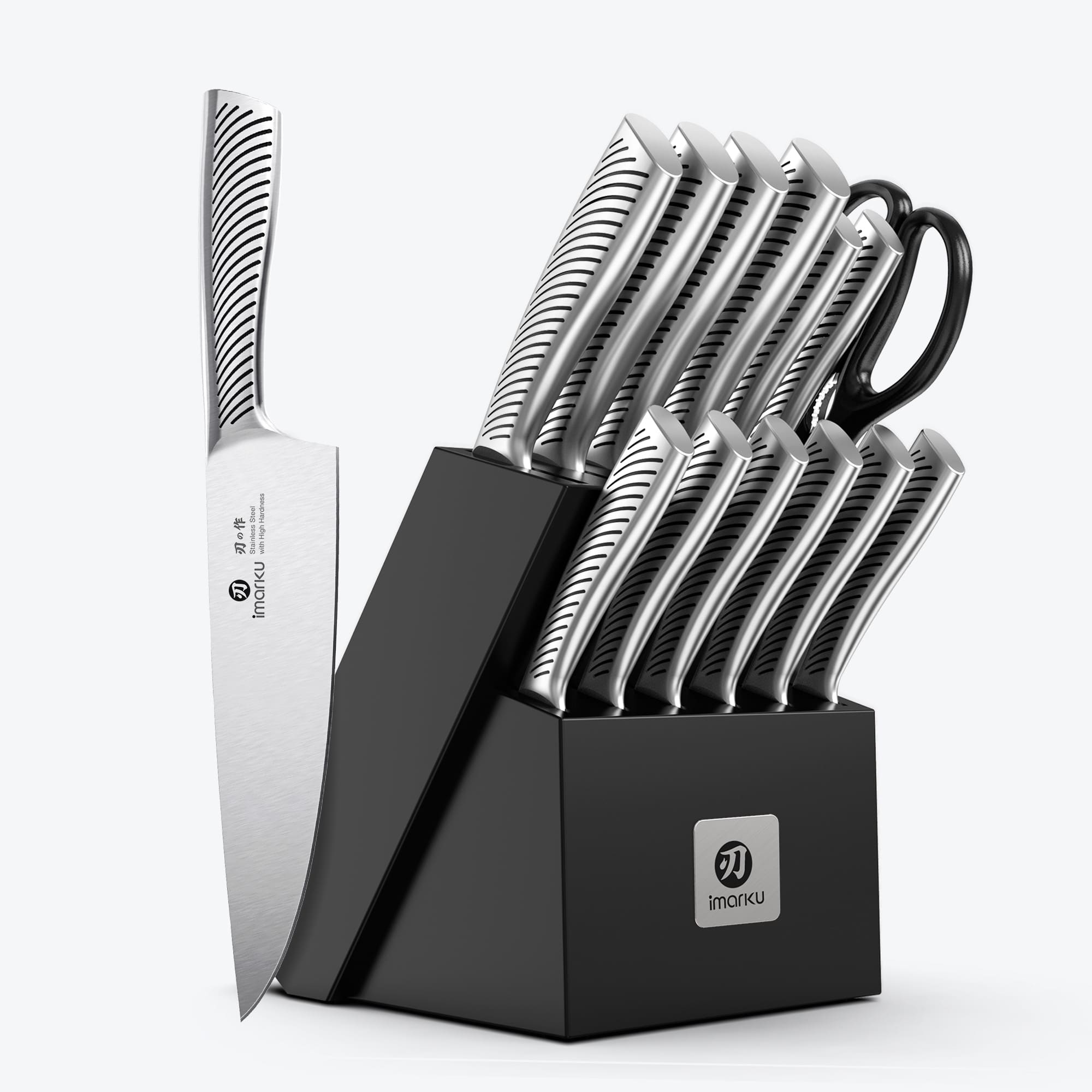
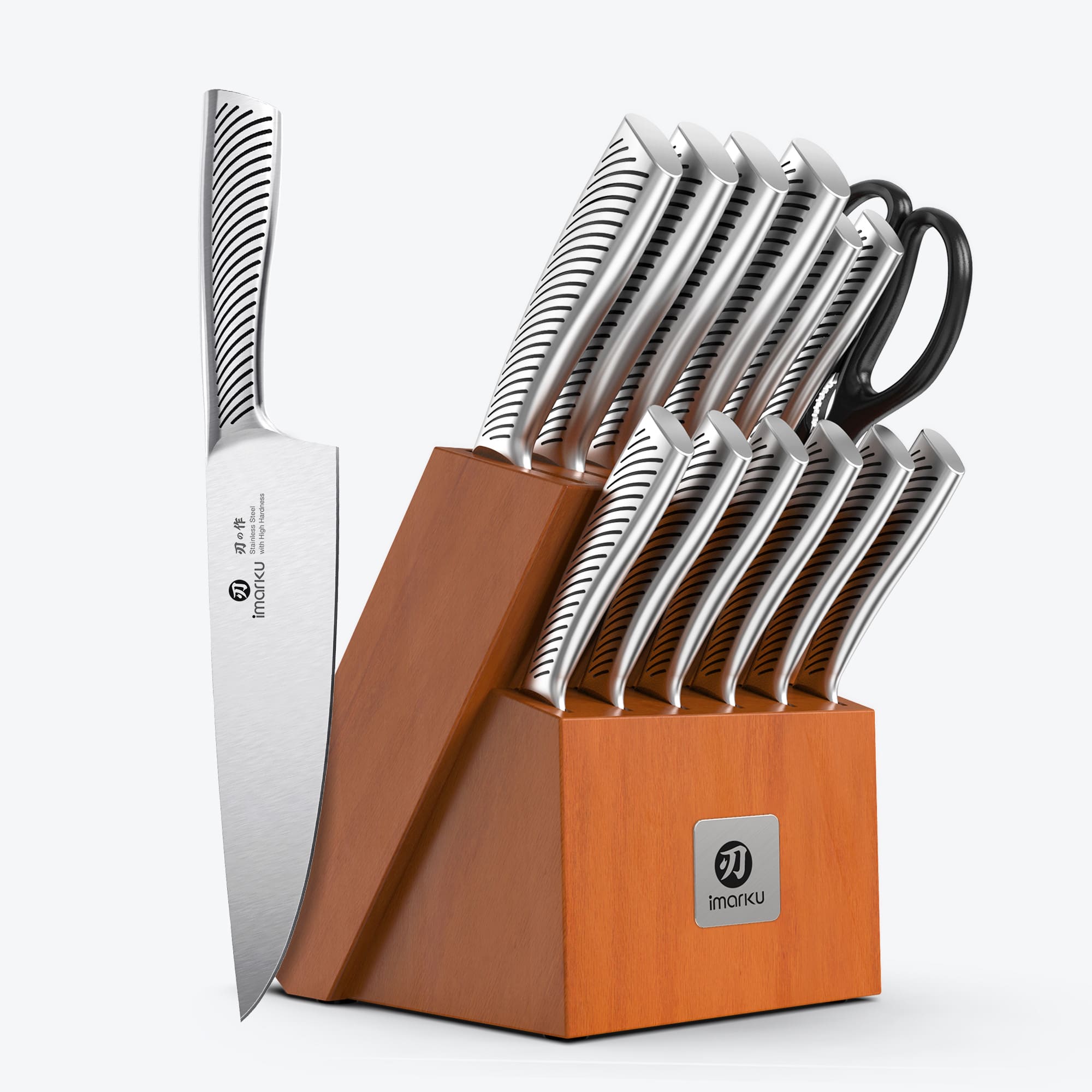
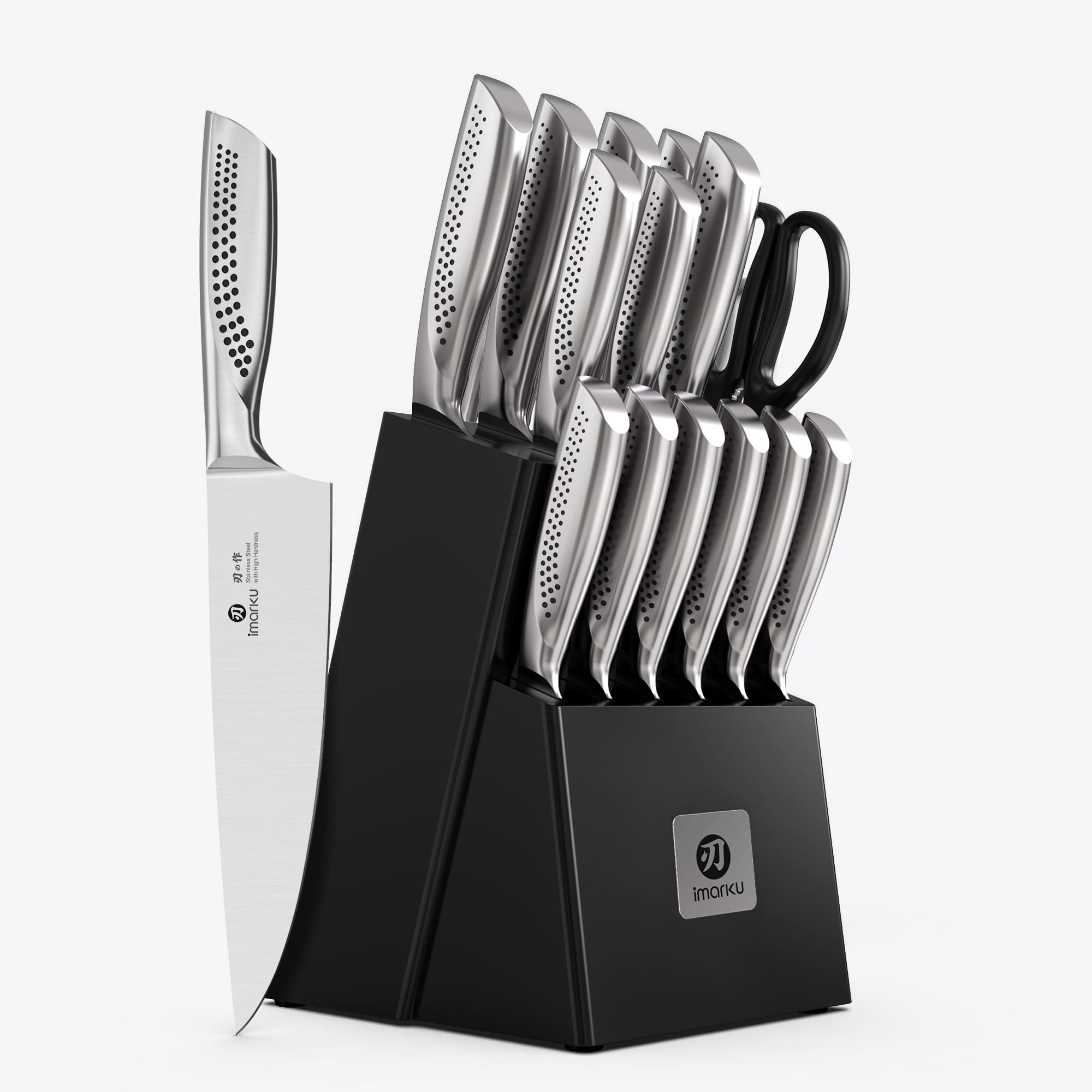
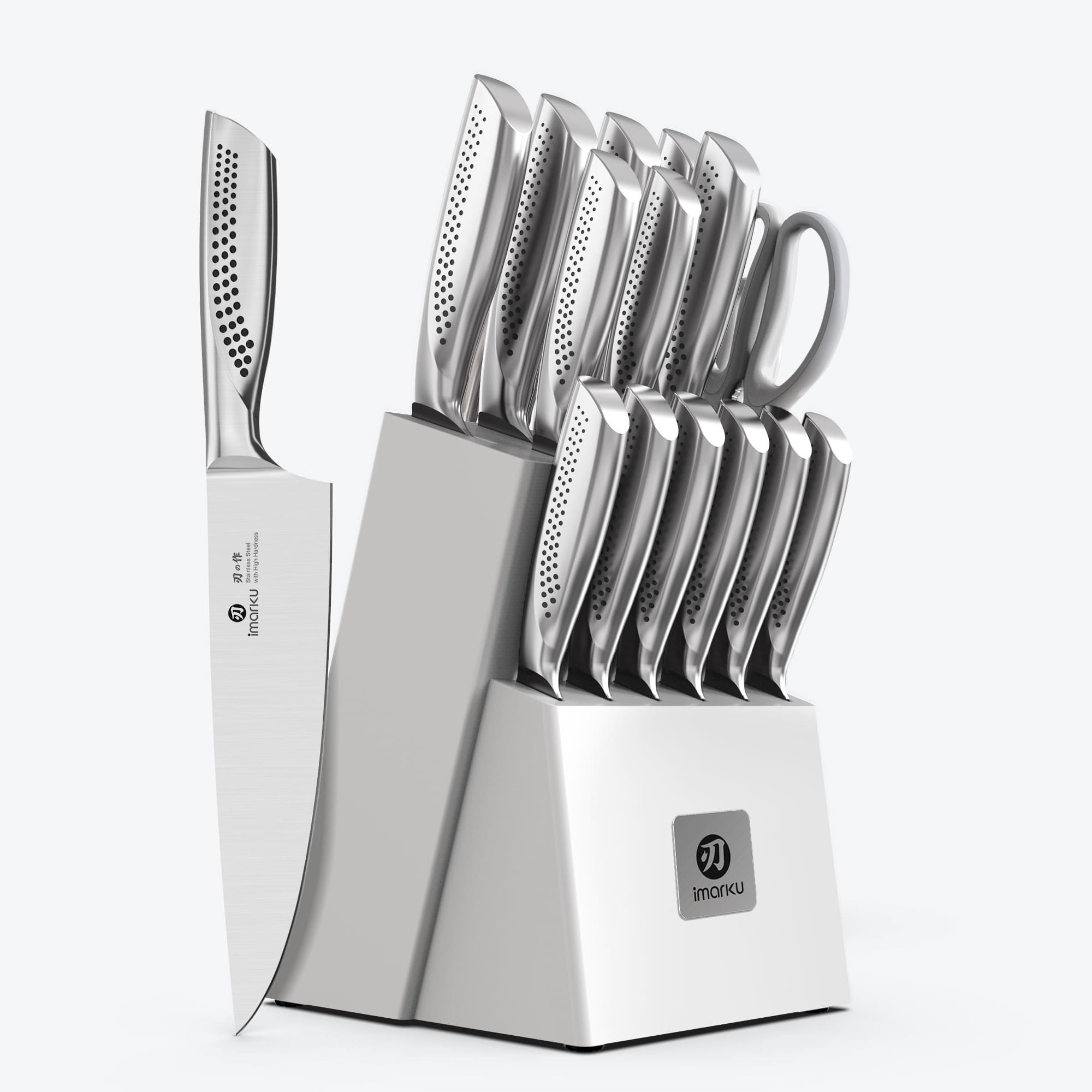
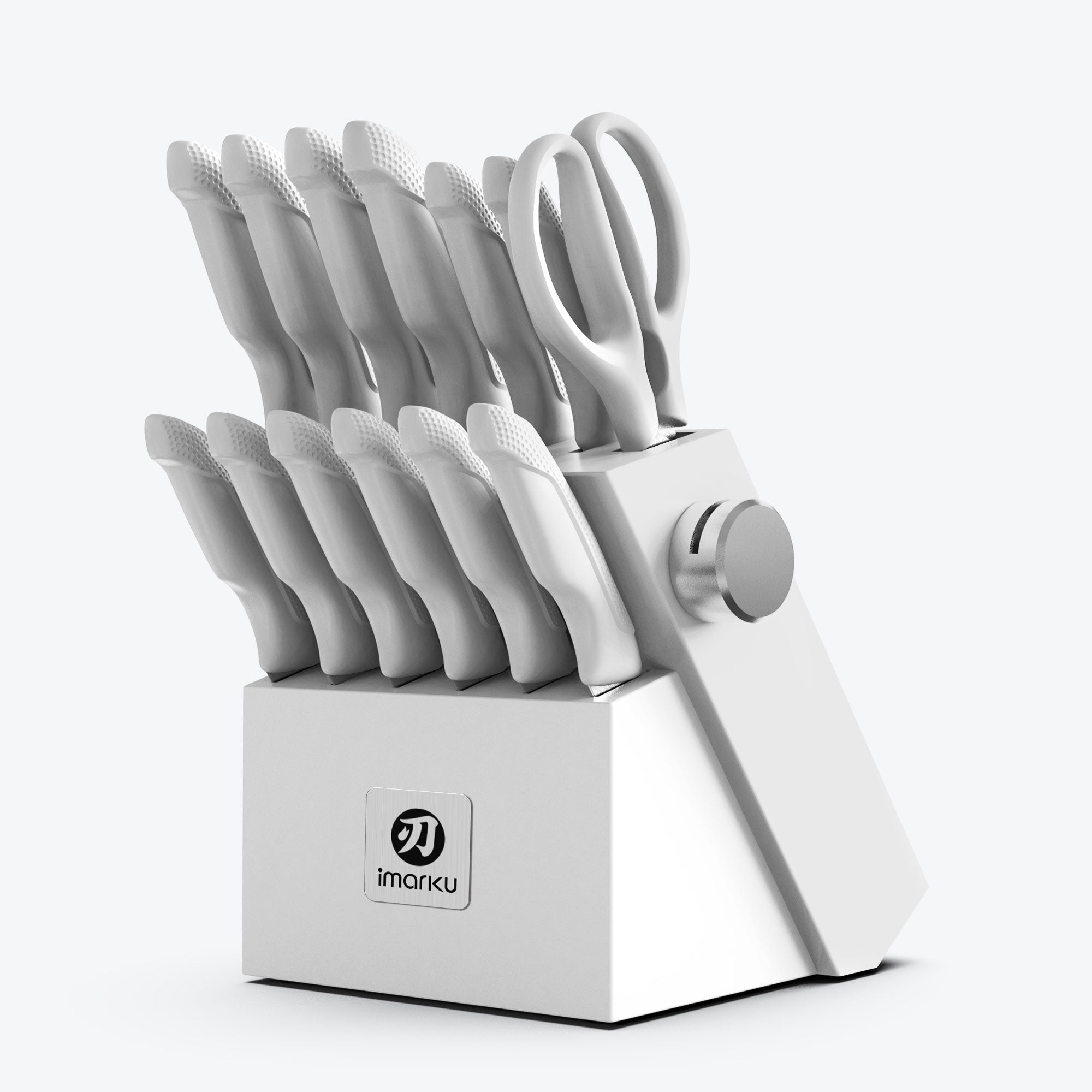
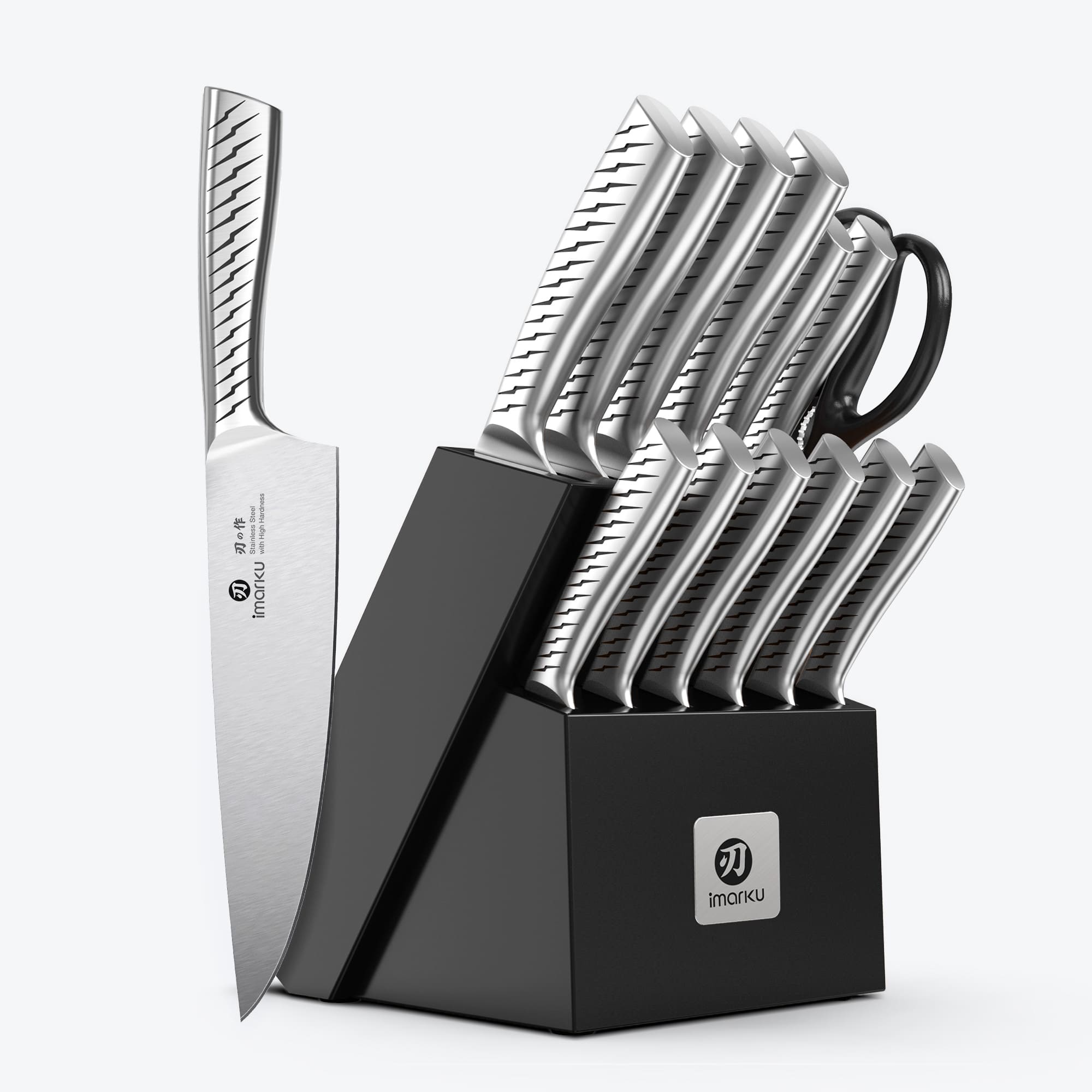
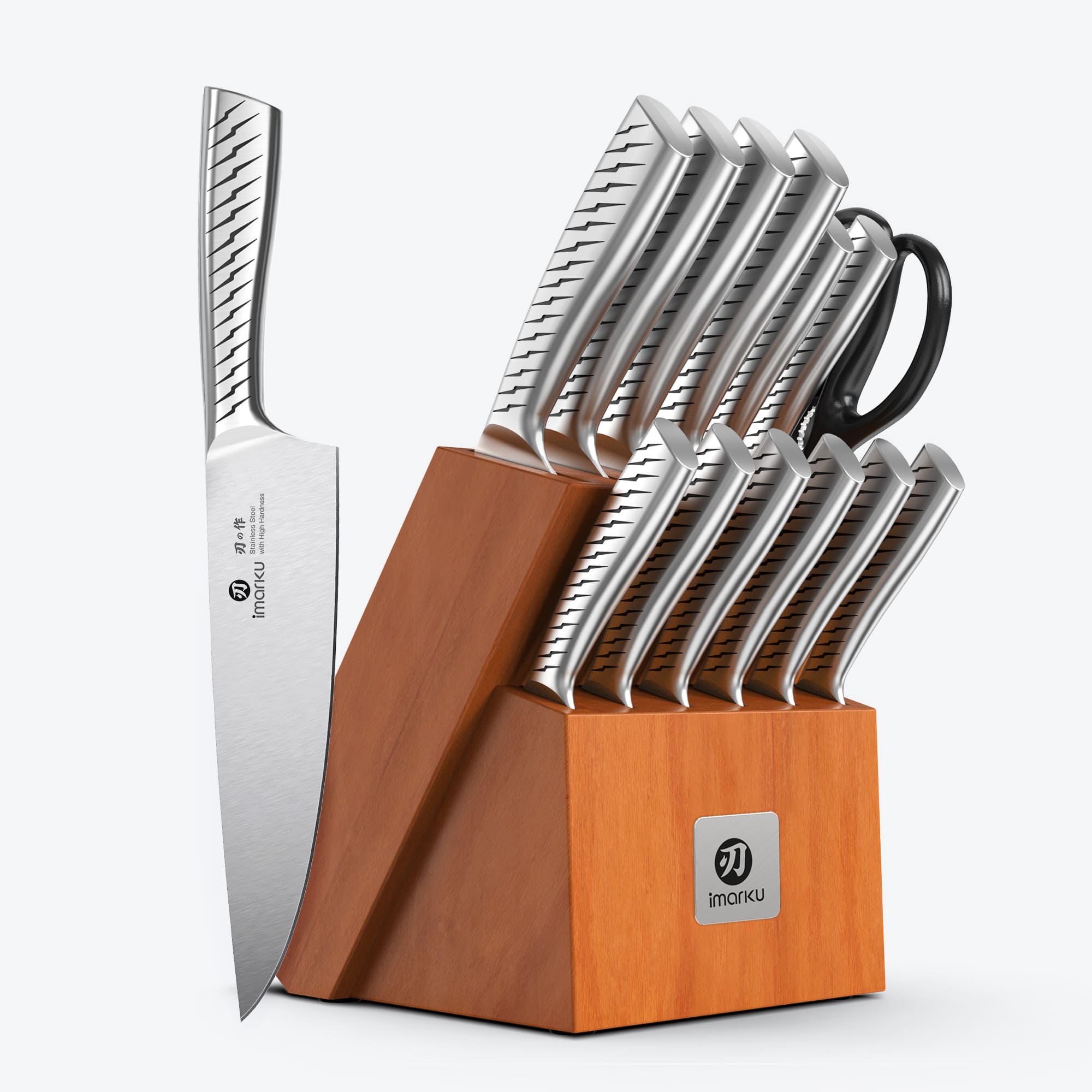
The imarku 6-Piece Kitchen Knife Set offers a practical option for home cooks who want a coordinated collection of kitchen knives without purchasing each piece separately. The set includes five knives and a leather roll bag, giving you a compact storage solution for keeping your tools organized.
Whether you are preparing weekday dinners, getting ingredients ready for a weekend meal, or organizing your kitchen essentials, having the right knife for each task can make food preparation feel more straightforward.
Explore the imarku 6-Piece Kitchen Knife Set to see whether it fits your everyday cooking needs.
Final Thoughts
So, what kitchen knives do you really need? For most home cooks, the best starting point is a versatile chef's knife supported by a few specialized tools. A Santoku, utility knife, paring knife, and bread knife each serve different purposes, helping you handle a wider variety of ingredients with greater control.
You don't need the largest knife collection to prepare great meals. Focus on choosing knives that match your cooking habits, feel comfortable to use, and are easy to maintain. With a practical selection of kitchen essentials, everyday food preparation can become more organized and enjoyable.
Frequently Asked Questions
What are the five essential kitchen knives?
Five commonly useful kitchen knives are a chef's knife, Santoku knife, utility knife, paring knife, and bread knife. Each has a different blade design suited to specific food preparation tasks.
What is the most important knife in a kitchen?
A chef's knife is often considered the most versatile kitchen knife. It can handle chopping vegetables, mincing herbs, slicing meat, and many other everyday preparation tasks.
Do I need both a chef's knife and a Santoku knife?
Not necessarily. Both can perform many similar tasks. A chef's knife is particularly suitable for rocking cuts, while a Santoku generally works well with straight up-and-down cutting motions. Choose based on your preferred technique.
What is the difference between a utility knife and a paring knife?
A utility knife has a longer blade and is useful for slicing smaller ingredients and handling medium-sized preparation tasks. A paring knife has a shorter blade designed for peeling, trimming, and detailed cutting.
Can I use a chef's knife to cut bread?
You can cut some bread with a sharp chef's knife, but a serrated bread knife is generally a better choice for crusty loaves. Its teeth help cut through the crust without compressing the soft interior as much.
How should I store kitchen knives?
Store kitchen knives in a knife block, drawer organizer, magnetic knife strip, or protective knife roll. Keep blades separated and protected to reduce the risk of accidental cuts and edge damage.
How often should kitchen knives be sharpened?
Sharpening frequency depends on how often you cook, the blade material, and the cutting surfaces you use. If a knife begins to require more pressure or struggles to cut cleanly, it may need sharpening. Regular honing can also help maintain edge alignment between sharpening sessions.



Leave a comment
All comments are moderated before being published.
This site is protected by hCaptcha and the hCaptcha Privacy Policy and Terms of Service apply.