
TABLE OF CONTENTS
- >1. Why Is Knife Care Important?
- >2. How to Clean Kitchen Knives Properly
- >3. How to Keep Kitchen Knives Sharp
- >4. How to Prevent Kitchen Knives from Rusting
- >5. Damascus Knife Care: Protecting Layered Steel Blades
- >6. How to Care for Wooden Knife Handles
- >7. How to Store Kitchen Knives Safely
- >8. Common Knife Care Mistakes to Avoid
- >9. Choosing a Kitchen Knife That Is Easy to Maintain
- >Frequently Asked Questions About Knife Care
A good kitchen knife is more than just a cooking utensil. It is one of the most frequently used tools in the kitchen, helping you prepare everything from fresh vegetables and herbs to meat, fruit, and everyday family meals. However, even a high-quality knife needs regular maintenance to maintain its cutting performance and appearance.
Proper knife care does not have to be complicated. Simple habits such as washing your knife after use, drying the blade thoroughly, using the right cutting board, and storing it safely can make a meaningful difference over time.
Whether you use a stainless steel chef knife, a Japanese kitchen knife, or a premium Damascus steel blade, understanding the basics of kitchen knife care can help you get more value from your tools.
In this guide, we will cover everything you need to know about knife cleaning, sharpening, rust prevention, handle maintenance, and proper storage, along with practical tips for keeping your kitchen knives in excellent condition.
1. Why Is Knife Care Important?
Regular knife maintenance is essential for preserving both the functionality and appearance of your kitchen tools. A knife that receives proper care is easier to maintain, more comfortable to use, and better prepared for everyday food preparation.
Here are five important reasons to establish a consistent knife care routine:
- Maintain Sharpness: Regular edge maintenance helps your knife cut ingredients cleanly and consistently.
- Prevent Corrosion: Removing food residue and moisture reduces the risk of rust and staining.
- Protect the Handle: Proper cleaning and drying help prevent damage to natural wood and other handle materials.
- Improve Cutting Control: A properly maintained blade helps you perform everyday cutting tasks with better control.
- Extend Usable Life: Appropriate cleaning, sharpening, and storage habits help preserve your knife over time.
Whether you are a beginner learning basic kitchen skills or an experienced home cook, good knife care should be part of your regular cooking routine.
2. How to Clean Kitchen Knives Properly
Cleaning is one of the most important parts of kitchen knife care. Food particles, grease, moisture, and acidic ingredients can affect a blade if they are left on its surface for too long.
Fortunately, cleaning a kitchen knife correctly only takes a few minutes.
Wash Your Knife After Every Use
After preparing food, rinse your knife with warm water and use a small amount of mild dish soap to remove grease and food residue.
A soft sponge or cleaning cloth is usually sufficient. Avoid abrasive scrubbers or steel wool, as they may scratch polished surfaces and damage decorative blade finishes.
Never Leave Your Knife Soaking in Water
Leaving a kitchen knife in a sink filled with water is a common maintenance mistake. Prolonged exposure to moisture can increase the risk of corrosion and may affect certain handle materials.
It is also a safety hazard. A sharp blade hidden beneath soapy water can be difficult to see and may cause accidental injuries.
Dry the Blade Immediately
After washing, use a clean, soft towel to dry the entire knife. Pay particular attention to the area where the blade meets the handle, as moisture can collect around this transition.
If your knife has a wooden handle, make sure it is completely dry before storage. Natural wood can absorb moisture, and repeated exposure to water may contribute to swelling, cracking, or changes in appearance.
Can You Put Kitchen Knives in the Dishwasher?
Although some manufacturers may label certain knives as dishwasher safe, hand washing is generally the better maintenance option.
Dishwashers expose kitchen knives to high temperatures, strong detergents, prolonged moisture, and contact with other utensils. These conditions may affect blade finishes, cutting edges, and handle materials.
For premium chef knives, particularly those with natural wooden handles or decorative Damascus patterns, hand washing and immediate drying are recommended.
3. How to Keep Kitchen Knives Sharp
A sharp knife makes everyday food preparation more efficient. When a blade becomes dull, it may crush delicate ingredients, struggle with tomato skins, or require more pressure during cutting.
Understanding basic knife sharpening and edge maintenance can help keep your kitchen tools performing as intended.
Understand Sharpening vs. Honing
Sharpening and honing are two different maintenance processes.
Sharpening removes a small amount of material from the blade to create a new cutting edge. It is necessary when a knife has become dull and routine maintenance is no longer sufficient.
Honing is intended to realign or maintain the existing edge, depending on the tool and technique. It does not replace sharpening when the cutting edge has become significantly worn.
Use a Whetstone for Sharpening
A whetstone is a popular tool for maintaining kitchen knife edges. It provides a controlled surface for sharpening and can be used on many types of chef knives.
For beginners, the general process includes:
- Prepare the Whetstone: Follow the manufacturer's instructions to determine whether the stone needs soaking or simply requires water on its surface.
- Position the Blade: Place the knife against the stone at the recommended sharpening angle.
- Maintain a Consistent Angle: Move the blade steadily across the stone without changing the angle excessively.
- Sharpen Both Sides: Follow the appropriate sharpening sequence for your knife's edge geometry.
- Clean the Knife: Remove sharpening residue and dry the blade thoroughly before storage.
Different knives have different edge designs, so do not assume that one sharpening angle works for every blade. Always follow the manufacturer's recommendations.
How Often Should You Sharpen a Kitchen Knife?
There is no universal sharpening schedule. The frequency depends on how often you cook, the ingredients you prepare, your cutting surface, and the type of steel used in your knife.
Instead of sharpening according to a fixed calendar, pay attention to cutting performance. If your knife begins slipping across ingredients or requires noticeably more pressure, it may need sharpening.
Avoid excessive sharpening, as removing unnecessary material can gradually shorten the blade's usable life.
4. How to Prevent Kitchen Knives from Rusting
Rust prevention is an important part of knife care, especially for knives made with high-carbon steel. Even stainless steel knives can develop corrosion or surface staining under unfavorable conditions.
Stainless steel is designed to resist corrosion, not eliminate the possibility of it entirely.
Keep Blades Away from Prolonged Moisture
Water left on a knife for extended periods can contribute to corrosion. Always wash and dry your knife after use rather than leaving it in a sink or on a wet countertop.
Clean Acidic Food Residue Promptly
Ingredients such as tomatoes, lemons, vinegar-based foods, and onions can leave acidic residue on a blade.
Clean your knife after preparing these ingredients and avoid leaving food particles on the cutting edge.
Store Knives in a Dry Environment
Humidity can contribute to corrosion over time. Store your knives in a clean, dry location and avoid placing them in damp drawers or enclosed spaces where moisture accumulates.
Use Appropriate Protective Care
Some high-carbon steel knives benefit from a thin protective layer of food-safe mineral oil when stored for extended periods. However, this is not necessary for every stainless steel knife.
Always check the manufacturer's care instructions before applying oils or other protective products, especially when the knife has a natural wooden handle.
5. Damascus Knife Care: Protecting Layered Steel Blades
Damascus knives are known for their distinctive layered patterns and craftsmanship. Their appearance makes them popular among home cooks who appreciate both functionality and traditional blade aesthetics.
However, a Damascus pattern does not make a knife completely resistant to corrosion or scratches. Proper Damascus knife care still requires regular cleaning, drying, and appropriate storage.
Clean the Blade Gently
Use mild dish soap, warm water, and a soft cloth to remove food residue. Avoid harsh chemicals, abrasive scrubbers, and aggressive polishing products that may affect the blade's finish.
Dry the Entire Blade
After cleaning, dry the blade completely. Pay attention to areas where moisture may collect, including the transition between the blade and handle.
Use Suitable Sharpening Equipment
Damascus knives may feature different core steels and edge geometries. Always identify the knife's sharpening angle and follow the manufacturer's maintenance instructions.
Using an unsuitable sharpening tool or an incorrect angle may affect the cutting edge and damage the blade's intended geometry.
Protect the Decorative Finish
Some Damascus knives feature polished, hammered, or etched finishes. These surfaces should be treated gently during cleaning and storage.
Avoid allowing the blade to rub against other metal utensils, and use a protective sheath or appropriate knife holder whenever possible.
6. How to Care for Wooden Knife Handles
Knife handles deserve just as much attention as blades. Natural wood handles offer a distinctive appearance and tactile character, but they require appropriate care to maintain their condition.
Unlike many synthetic materials, wood can absorb moisture and react to changes in temperature and humidity.
Do Not Soak Wooden Handles
Avoid submerging a wooden-handle knife in water or leaving it in a wet sink. Prolonged moisture exposure can cause the wood to swell or develop cracks over time.
Dry the Handle After Cleaning
After washing your knife, wipe the handle with a clean, dry towel. Make sure there is no moisture trapped around the handle joints or connection points.
Avoid Excessive Heat
Keep wooden handles away from direct heat sources, such as stovetops, ovens, and prolonged exposure to strong sunlight. Excessive heat can dry out natural wood and contribute to cracking.
Consider Appropriate Wood Conditioning
Depending on the manufacturer's instructions, some natural wood handles may benefit from occasional conditioning with a suitable food-safe product.
Do not apply random household oils or cleaning chemicals without checking whether they are appropriate for the handle material.
7. How to Store Kitchen Knives Safely
Proper knife storage helps protect the cutting edge, maintain the blade's appearance, and reduce the risk of accidental injuries.
Simply placing sharp knives loosely in a kitchen drawer is not recommended because the blades may come into contact with other utensils.
Knife Blocks
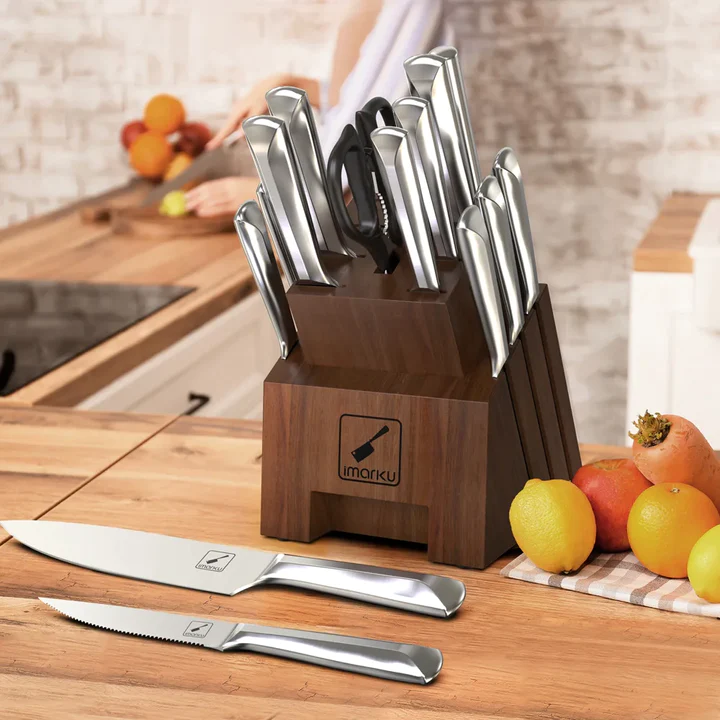
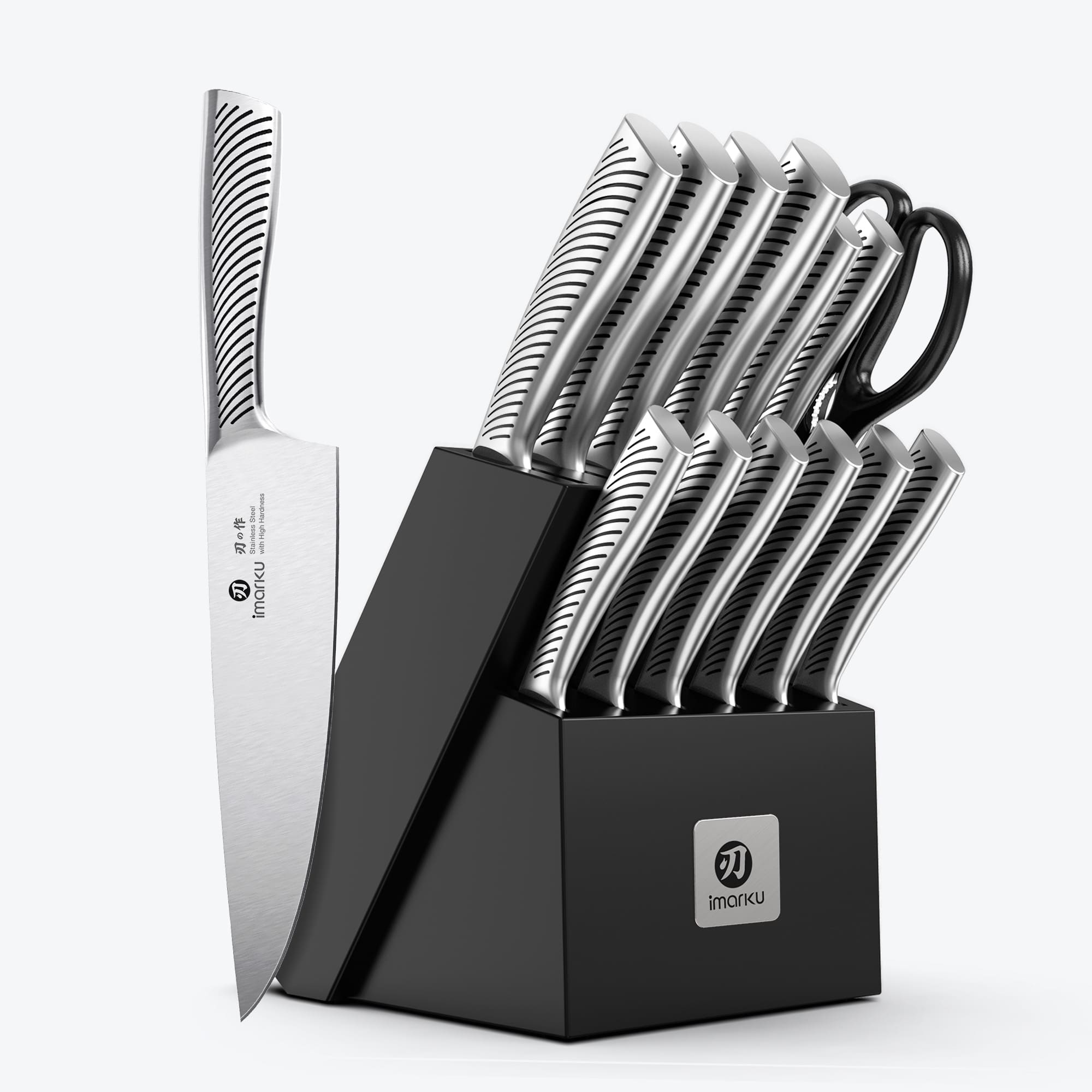
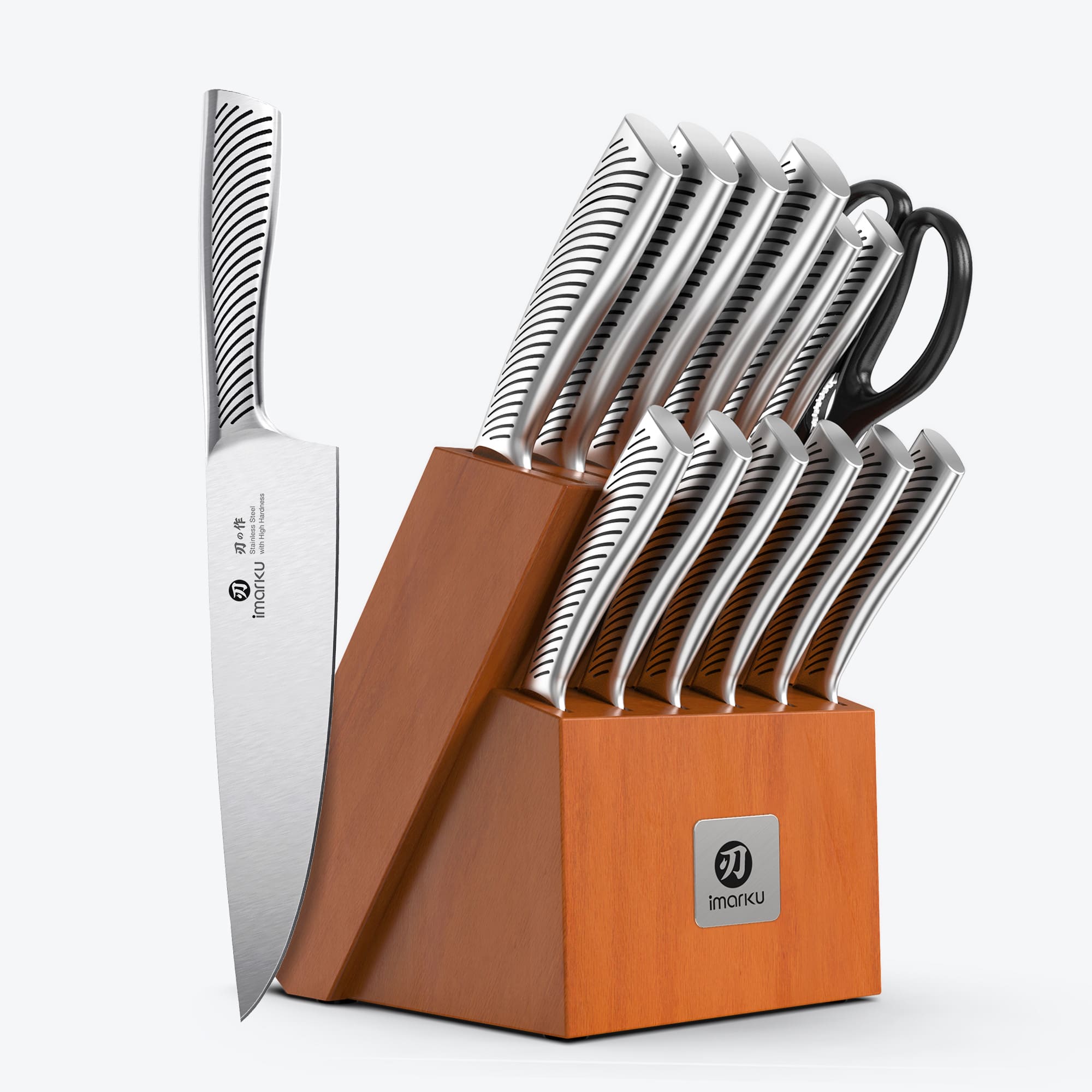
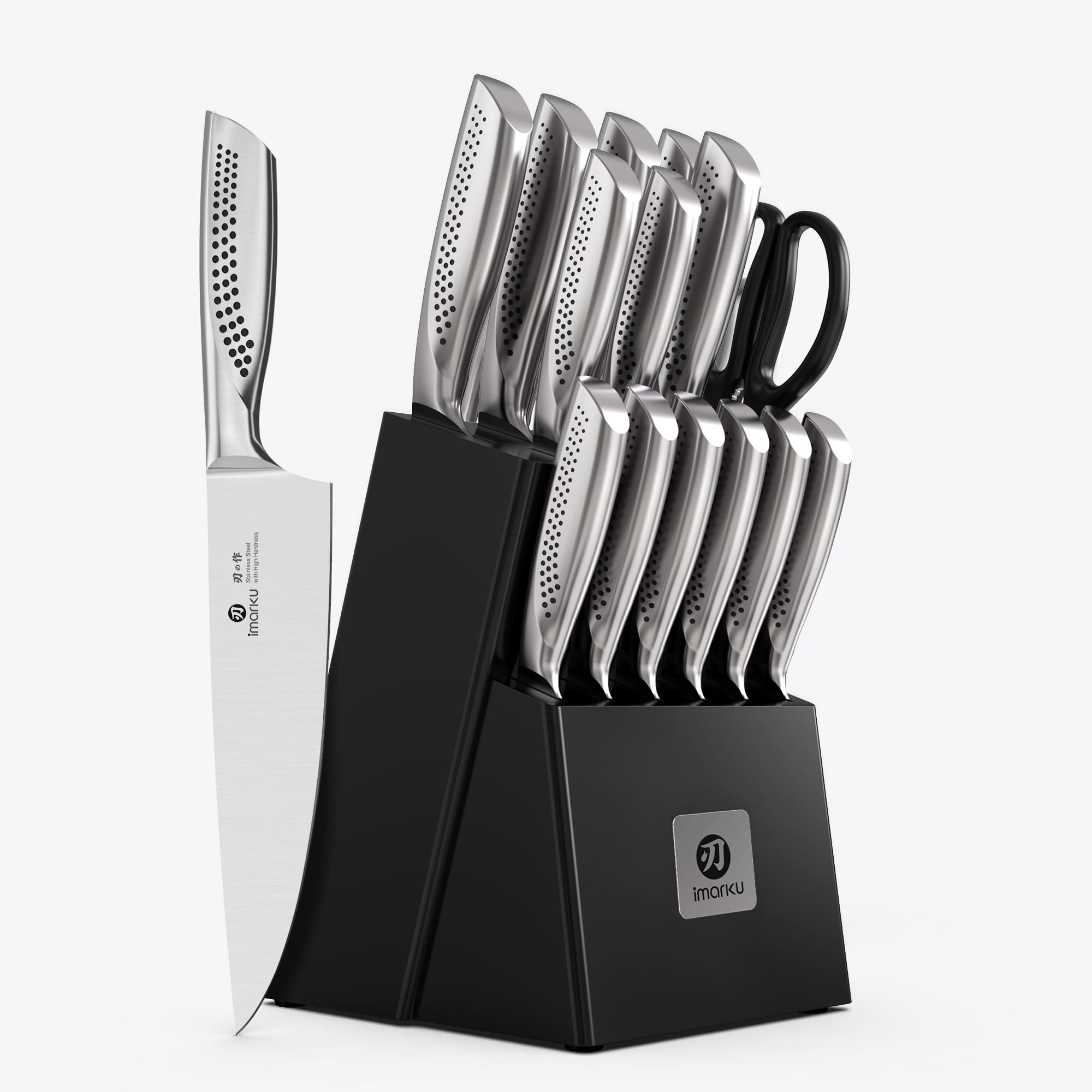
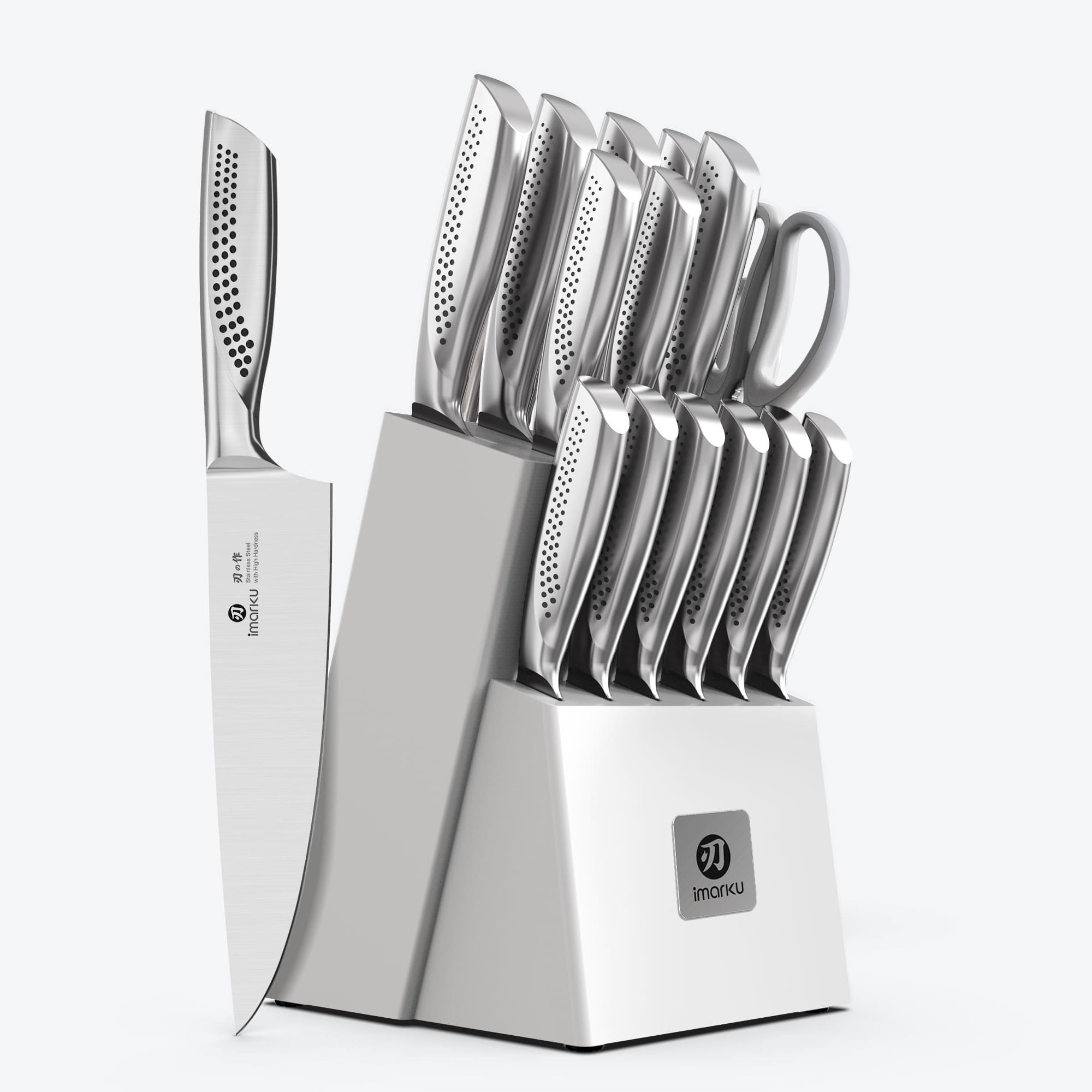
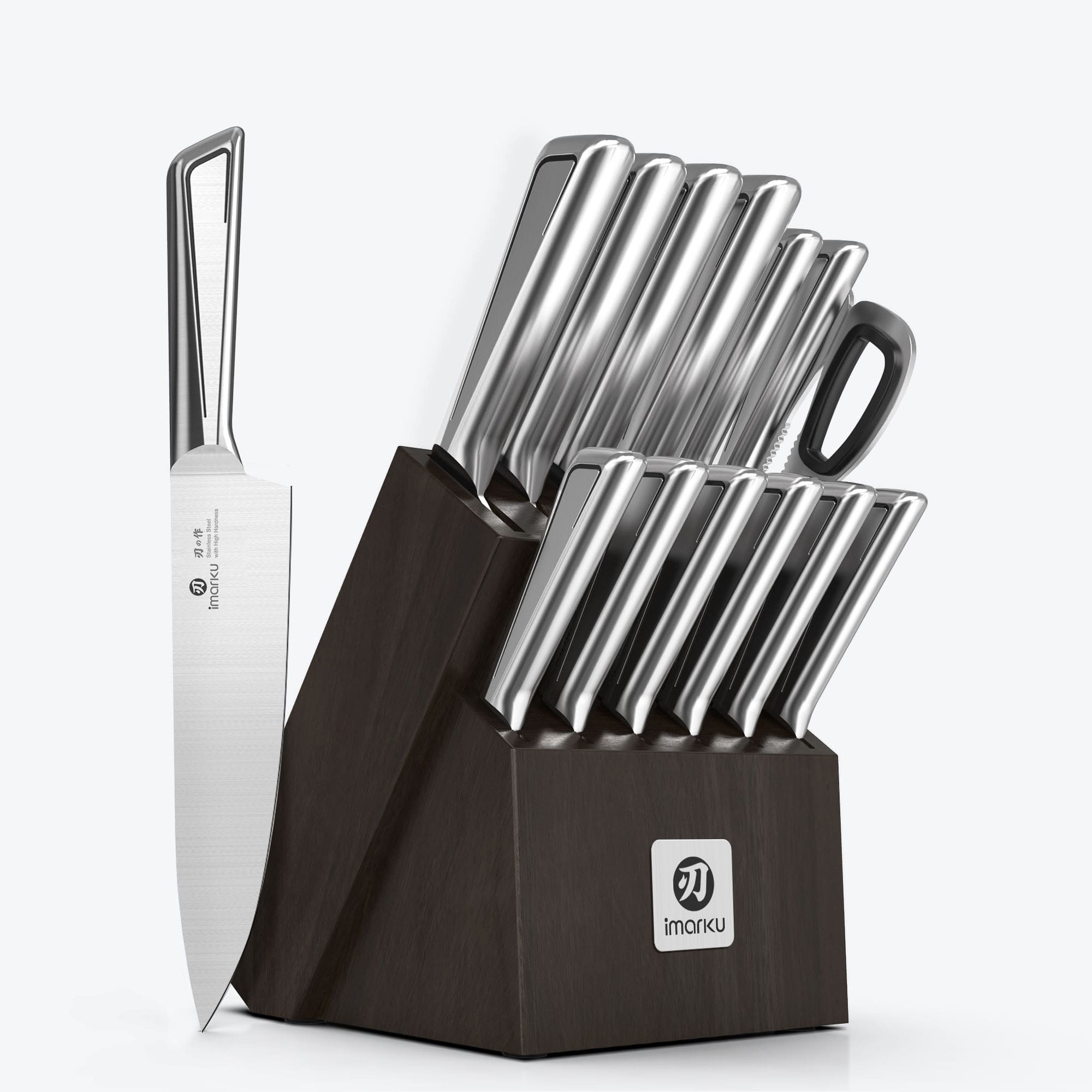
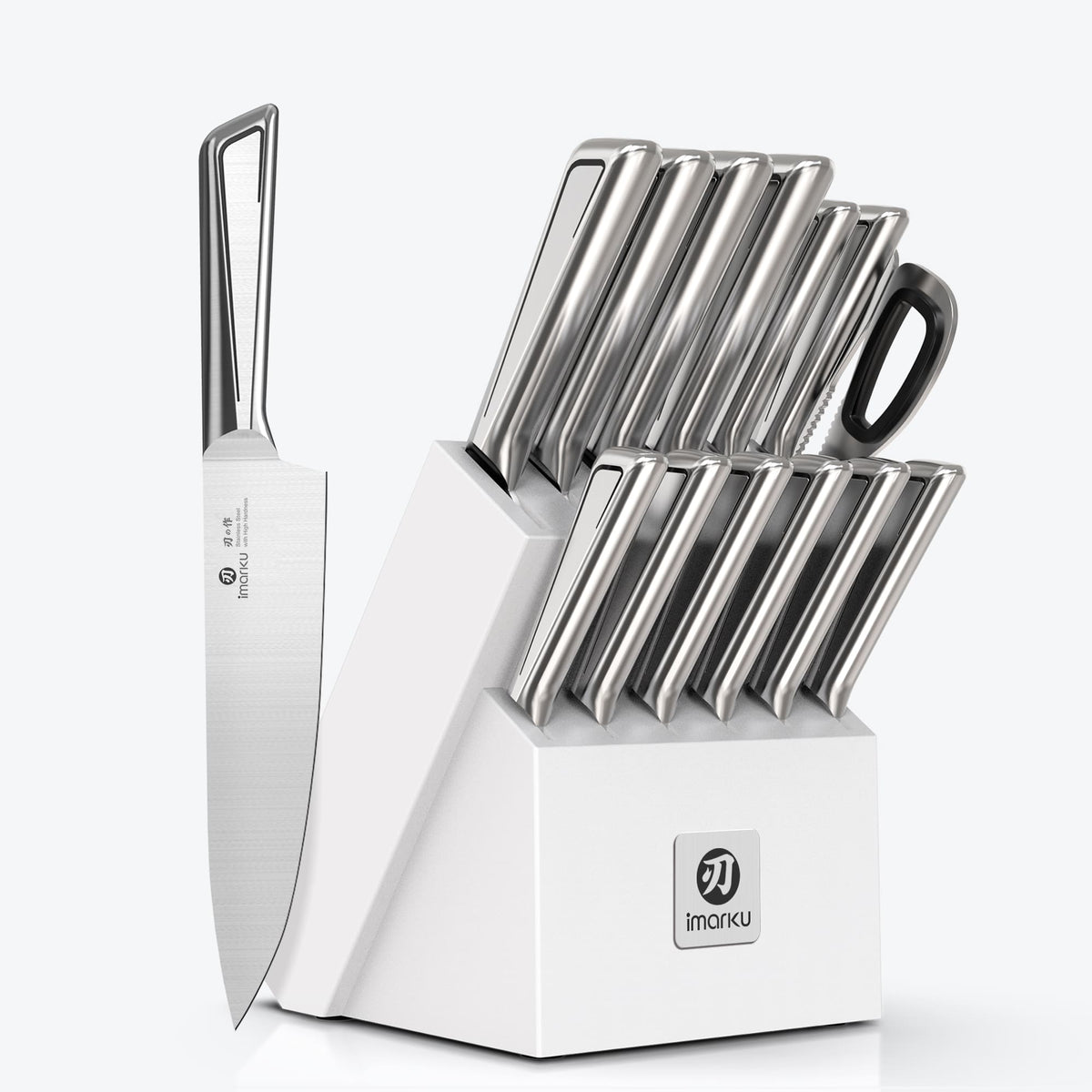
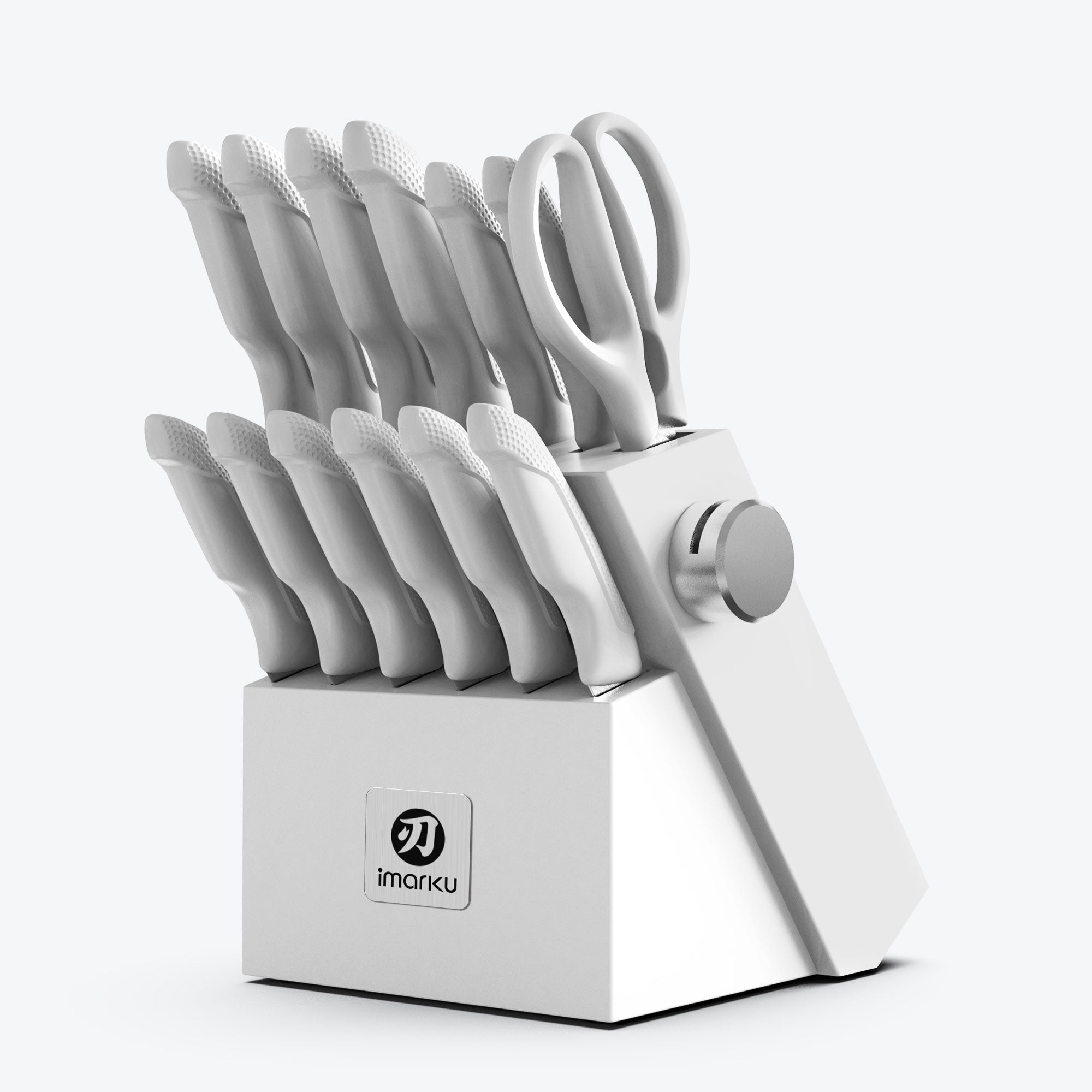
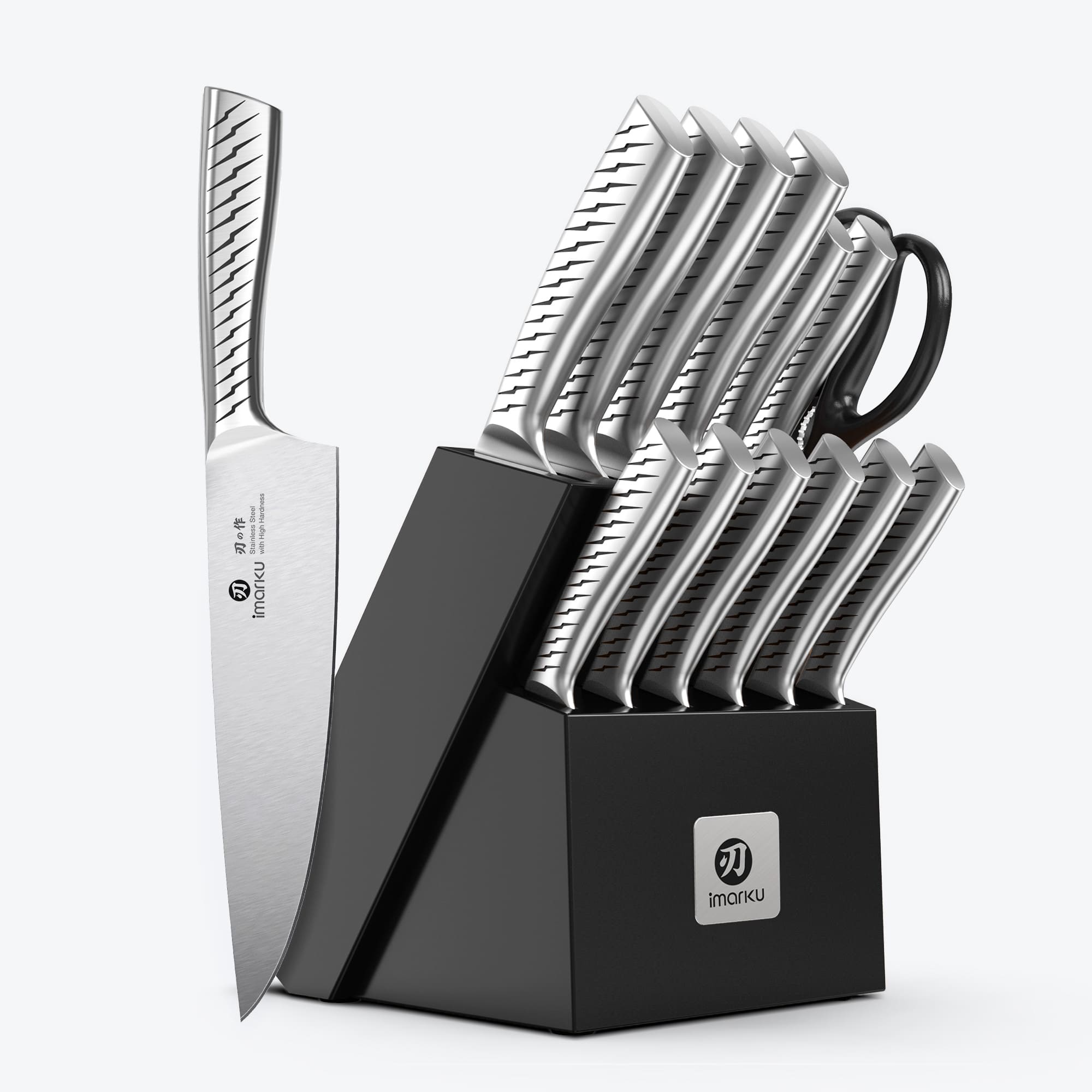
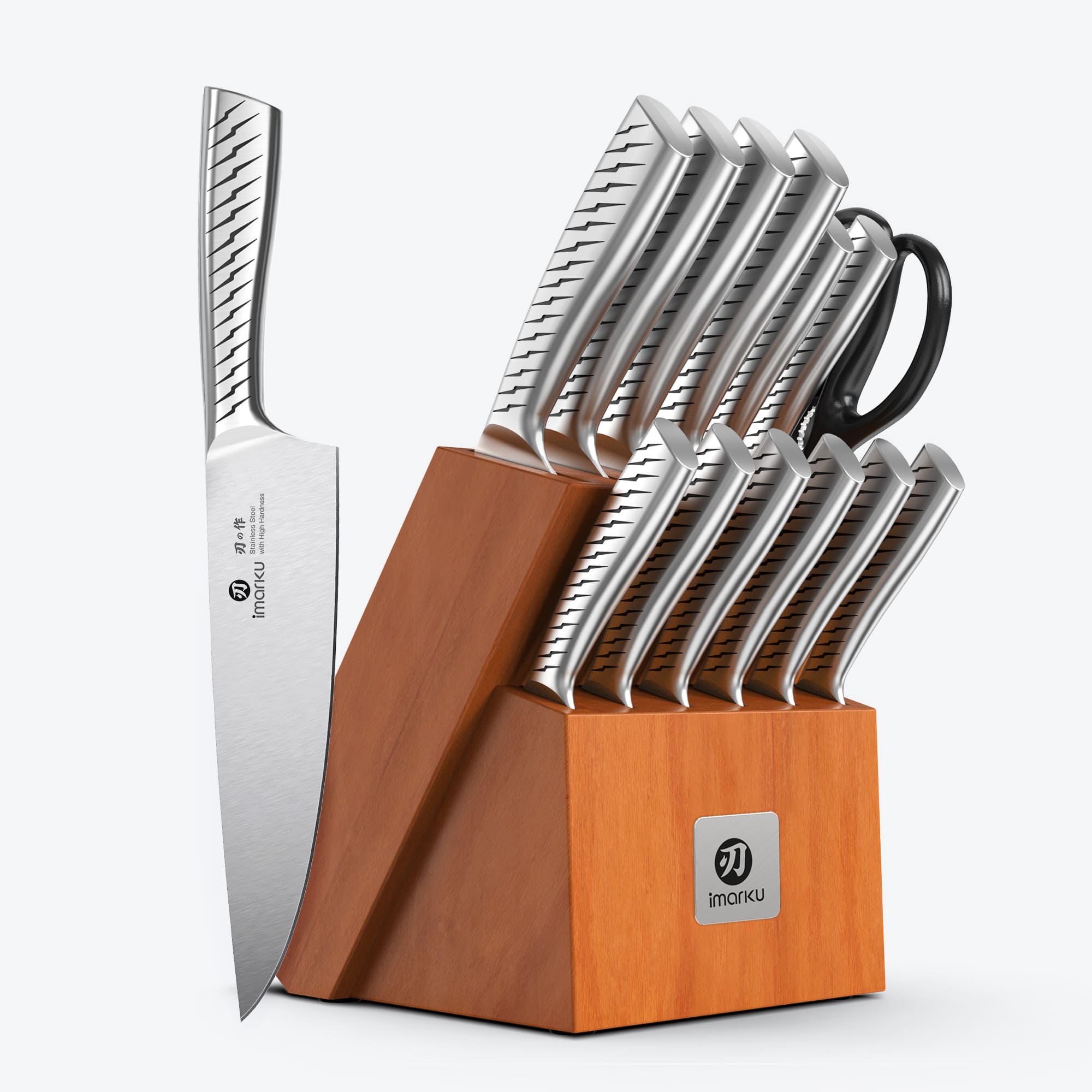
Knife blocks provide dedicated storage slots for different kitchen knives. They are a practical countertop option that helps keep blades organized and protected.
Magnetic Knife Holders
Magnetic knife strips can save countertop and drawer space while keeping frequently used knives accessible. Make sure the holder is securely installed and that knives are attached and removed carefully.
Protective Blade Guards
Blade guards and sheaths are useful when storing knives in drawers or transporting them. They help prevent the cutting edge from contacting other kitchen tools.
Always Store Knives Dry
Regardless of the storage method, always clean and dry your knife before putting it away. Proper storage cannot compensate for a blade that is still wet or covered in food residue.
8. Common Knife Care Mistakes to Avoid
Many kitchen knife maintenance problems come from everyday habits that are easy to change. Avoid these common mistakes to help preserve your knives.
- Leaving Knives Wet: Moisture left on the blade can contribute to corrosion and staining.
- Using Hard Cutting Surfaces: Glass, stone, and ceramic boards can accelerate edge wear.
- Putting Knives Loose in Drawers: Contact with other utensils can scratch blades and create safety risks.
- Using the Wrong Sharpening Angle: Incorrect sharpening techniques may damage the edge geometry.
- Cutting Frozen Foods or Bones: Standard chef knives are not designed for these heavy-duty tasks.
- Ignoring Handle Maintenance: Wooden handles need proper cleaning and drying to maintain their condition.
- Using the Knife as a Scraper: Avoid dragging the cutting edge sideways across a cutting board. Use a bench scraper or the spine of the knife instead.
Good knife care is not about complicated routines. Consistency and using the right techniques are what matter most.
9. Choosing a Kitchen Knife That Is Easy to Maintain
When buying a new kitchen knife, maintenance should be part of your decision-making process. A knife may have an attractive appearance, but its materials, construction, and care requirements are equally important.
Before purchasing, consider the following:
- Steel Composition: Understand whether the blade uses stainless steel, high-carbon steel, or a combination of materials.
- Hardness: Check the specified hardness and consider how it relates to sharpening and everyday maintenance.
- Edge Geometry: Look for clear information about the blade's cutting edge and sharpening requirements.
- Handle Material: Consider whether you prefer natural wood or a synthetic handle and understand the care each material requires.
- Manufacturer Instructions: Choose a knife with clear cleaning, sharpening, and storage recommendations.
For home cooks who appreciate layered steel construction and traditional aesthetics, the imarku Kumo Series KM03 8-Inch Damascus Chef Knife is worth exploring.
It features a Japanese VG-10 high-carbon stainless steel core surrounded by 66 additional layers of Damascus steel. The blade has a specified hardness of 59 ± 2 HRC and a hand-sharpened double-bevel edge with a total angle of 24° ± 2°.
Its dark brown carbonized ash wood handle complements the hammered, mirror-polished blade, combining distinctive styling with everyday kitchen functionality.
Like any quality kitchen knife, the KM03 benefits from simple maintenance habits: hand washing, immediate drying, appropriate sharpening, and safe storage.
Explore the imarku Kumo Series KM03 Damascus Chef Knife and discover a distinctive addition to your kitchen.
Frequently Asked Questions About Knife Care
What is the best way to care for kitchen knives?
Wash your knives by hand with mild soap and water, dry them immediately, use suitable cutting boards, sharpen them when necessary, and store them in a protective location.
How often should kitchen knives be sharpened?
Sharpening frequency depends on usage, blade material, and cutting habits. Monitor cutting performance rather than following a fixed schedule.
How do you keep kitchen knives from rusting?
Clean knives after use, dry them thoroughly, remove acidic food residue promptly, and store them in a clean, dry environment.
Can stainless steel kitchen knives rust?
Yes. Stainless steel is corrosion-resistant but not completely rustproof. Prolonged moisture exposure, acidic residue, and improper storage can still cause corrosion or staining.
Can you wash Damascus steel knives with regular dish soap?
Yes. Mild dish soap and warm water are generally suitable for routine cleaning. Avoid abrasive cleaning tools and dry the blade immediately after washing.
How do you maintain a wooden knife handle?
Keep the handle away from prolonged moisture and excessive heat. Hand wash the knife, dry the handle thoroughly, and follow the manufacturer's recommendations for wood conditioning.
What is the safest way to store kitchen knives?
Knife blocks, magnetic holders, and protective blade guards are all practical options. Always make sure the knife is clean and dry before storage.
Does a dull knife need to be replaced?
Not necessarily. Many dull kitchen knives can be restored through appropriate sharpening. However, knives with severe chips, cracks, or structural damage may require professional assessment or replacement.




Leave a comment
All comments are moderated before being published.
This site is protected by hCaptcha and the hCaptcha Privacy Policy and Terms of Service apply.