


TABLE OF CONTENTS
- >Why It's Best to Start Three Nights a Week
- >The Evidence: What Cooking at Home Actually Changes
- >From Intention to System: The Reasons Behind Most People's Failure
- >The 4-Layer Home Cooking Framework
- >A 4-Week Starter Plan: How This Actually Works in Real Life
- >Kitchen Setup Matters More Than Recipes
- >Time Reality Check: “I Don’t Have Time to Cook at Home”
- >Common Issues and Their Solutions
- >Measuring Success Without Obsession
- >Who This Resolution Is Especially Good For
- >Frequently Asked Questions (FAQ)
- >Final Thoughts: A Resolution That Builds, Not Restricts
Every January, people set ambitious goals—eat better, spend less, feel healthier, be more present. Most of these intentions fail not because they are misguided, but because they are vague, effort-heavy, and poorly designed.
Among all common goal-setting traditions, choosing to cook at home several nights per week stands out as one of the most practical and durable lifestyle upgrades. As a new year resolution, cooking three evenings weekly sits in a rare sweet spot: it is specific, measurable, repeatable, and deeply connected to daily life.
This article explores why three nights per week is a psychologically realistic threshold, how cooking at home improves health, finances, and mental load, and—most importantly—how to execute this habit using systems instead of willpower.
Why It's Best to Start Three Nights a Week

Overcommitting frequency is one of the most frequent errors in habit formation. Research from the American Journal of Lifestyle Medicine shows that adherence drops sharply when lifestyle changes exceed perceived cognitive or logistical capacity during the first 30 days.
Three nights per week works because it respects how adults actually live.
Behavioral Science Perspective
According to BJ Fogg’s Behavior Model (Stanford University), habits stick when motivation, ability, and prompt converge. Cooking every night fails the “ability” test for most households. Cooking once a week fails the “repetition” requirement.
Three nights:
- Creates reliable repetition
- Leaves room for social life, fatigue, and flexibility
- Allows skill-building without burnout
This makes it a high-success-rate new year resolution strategy, particularly for people returning to home cooking after long reliance on takeout or prepared foods.
The Evidence: What Cooking at Home Actually Changes

Nutritional Outcomes
A 2017 study published in Public Health Nutrition found that individuals who cooked dinner at home at least 3–4 times per week consumed:
- Fewer ultra-processed foods
- Lower total sugar intake
- Higher fiber and micronutrient density
Importantly, the study controlled for income, education, and time availability—suggesting cooking frequency itself plays a role.
Financial Impact
Data from the U.S. Bureau of Labor Statistics shows that the average American household spends 2.5–3× more per meal on restaurant or delivery food than home-prepared meals.
Cooking at home three nights weekly translates to:
- 12–15 meals per month
- An estimated $150–$300 monthly savings for a two-person household
That alone makes this goal one of the most economically rational lifestyle resolutions available.
Benefits to the Mind and Emotions
Like gardening or light crafts, cooking is being studied more and more as a regulation activity. According to research published in the Appetite journal, regular food preparation is linked to:
- Reduced perception of stress
- A greater feeling of independence
- Better control over mood
When cooking is presented as a skill practice rather than a chore, these advantages increase—a crucial distinction for maintaining any new year's resolution pertaining to personal development.
From Intention to System: The Reasons Behind Most People's Failure
I've reviewed hundreds of lifestyle and kitchen-related content pieces over the years, and I've found that one problem is nearly always the cause of failure.Cooking is viewed as a choice rather than a system.
Everyday choice friction is eliminated by a sustainable cooking habit. Most articles end here. Let's delve further.
The 4-Layer Home Cooking Framework

This paradigm is based on workflow design concepts utilized in long-term habit copywriting analysis and product documentation.
Layer 1: Unchangeable Frequency
Choose three typical workdays, such Monday, Wednesday, and Sunday.
These are appointments, not decisions.
Layer 2: Complexity Ceiling
Set aside 30 to 40 minutes for each meal.
Exceeding threshold after the second week increases the likelihood of dropping out.
Layer 3: Ingredient Repetition
Use staples like rice, chicken thighs, and onions in a variety of recipes.
reduces waste and fatigue from shopping
Layer 4: Prioritizing Skills
Every week, one microskill—like knife control or sauté timing—is highlighted.
A 4-Week Starter Plan: How This Actually Works in Real Life

Most cooking resolutions fail not in the first week, but around day 10 to day 14—the point where initial motivation fades and daily friction becomes visible.
This four-week structure is designed around that drop-off point, not around ideal behavior.
The goal is not culinary improvement for its own sake, but behavioral stabilization: making cooking feel normal, repeatable, and emotionally neutral before it ever becomes enjoyable.
Week 1: Familiar Comfort — Removing Psychological Resistance
Primary goal: Reduce mental load, not improve food quality.
In the first week, the biggest barrier is not time or skill—it is anticipatory resistance. People imagine cooking as effort-heavy, messy, and mentally draining, especially after work. Introducing novelty at this stage increases failure risk.
That is why Week 1 deliberately avoids:
- New recipes
- New techniques
Instead, it focuses on execution without friction.
You cook meals you already know how to make, even if they feel basic or repetitive. This is intentional. Behavioral research consistently shows that early habit formation depends on predictability and low cognitive demand, not optimization.
Examples that work well in this phase:
- Stir-fried chicken and vegetables using familiar seasoning
- Pasta with a store-bought sauce, supplemented with fresh ingredients
- Eggs cooked the way you already prefer, paired with rice or toast
From long-term observation, people who “simplify too much” here often succeed, while those who try to “start strong” burn out quickly.
The only success metric in Week 1 is this:
Did you show up and cook on the planned days?
Nothing else matters yet.
Week 2: One Technique Upgrade — Building Confidence Without Overload

Primary goal: Introduce learning without triggering overwhelm.
Once the routine exists, the brain becomes more receptive to improvement. This is where many guides make a mistake by introducing multiple new skills at once. That approach increases perceived difficulty and slows progress.
Instead, Week 2 focuses on one single technique, applied repeatedly.
Examples include:
- How to avoid burning food when cooking on the stove
- Learning how to properly salt during cooking
- How to cut vegetables faster without hurting yourself
The key is repetition across different meals, not variety. Using the same technique multiple times builds confidence faster than learning three unrelated skills.
This approach aligns with adult learning principles: skills stick when they are practiced in context, not in isolation. From a practical standpoint, it also reduces frustration—because each meal reinforces the previous one.
At this stage, cooking begins to feel less like “following instructions” and more like controlled execution, which is a crucial psychological shift for sustaining a new year resolution over time.
Week 3: Ingredient Expansion — Preventing Boredom Before It Appears
Primary goal: Maintain engagement without destabilizing the routine.
By Week 3, most people do not quit because cooking is hard—they quit because it feels repetitive. This is where small, controlled novelty becomes useful.
Instead of learning new techniques, Week 3 introduces one new ingredient, while keeping everything else familiar.
For example:
- A different vegetable in easy weeknight gluten-free dinners
- A easy high protein meals cooked with an existing technique
- Rice alternatives for everyday meals
This preserves confidence while reintroducing curiosity. Importantly, it avoids the common trap of “recipe hopping,” which increases shopping complexity and decision fatigue.
From practical testing, this phase is where cooking shifts from obligation to mild interest—a subtle but meaningful change.
Week 4: Workflow Optimization — Making Cooking Feel Easier Than Takeout
Primary goal: Reduce time and effort per meal.
Only after cooking feels familiar does it make sense to optimize efficiency. Earlier attempts at meal prep often fail because people try to systematize something they do not yet enjoy.
Week 4 focuses on small workflow improvements, such as:
- Washing and cutting vegetables once for multiple meals
- Cooking double portions intentionally
- Improving kitchen organization for everyday cooking
These changes may seem minor, but they compound quickly. Reducing prep time by even 10 minutes significantly lowers resistance on busy evenings.
This is the point where cooking transitions from a conscious effort into a default behavior—a critical threshold for any lasting new year resolution.
Why This Four-Week Structure Works Long-Term
This progression mirrors how skills are built in professional kitchens and adult learning environments:
stability → confidence → variation → efficiency
By the end of four weeks, most people report that cooking no longer feels like a decision. It becomes part of the week’s rhythm, which is the real marker of success—not enthusiasm, discipline, or motivation.
Kitchen Setup Matters More Than Recipes

Research from Cornell University’s Food and Brand Lab shows that environmental cues strongly influence eating behavior. The same applies to cooking behavior.
- High-Impact Setup Changes
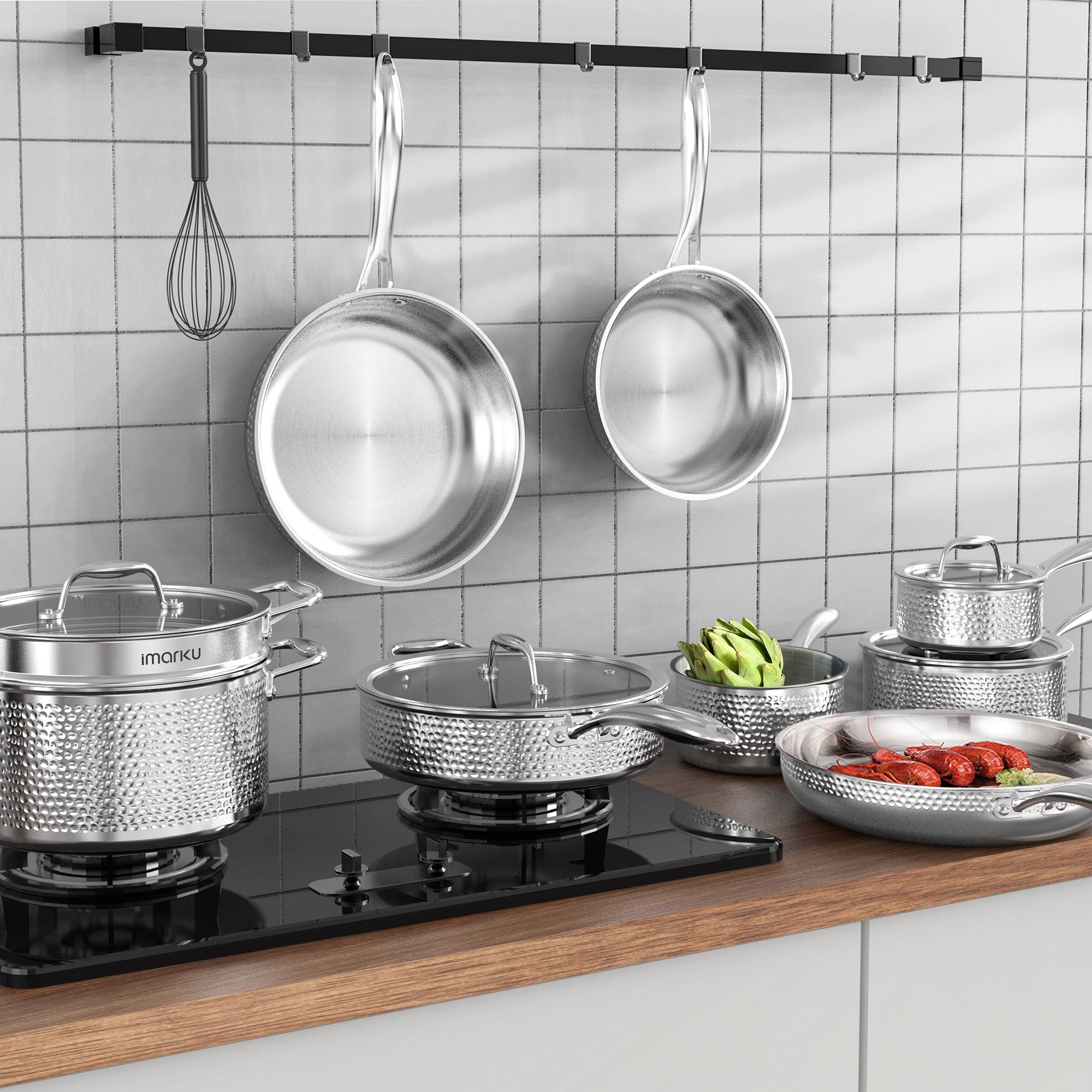
- Clear one uninterrupted prep surface
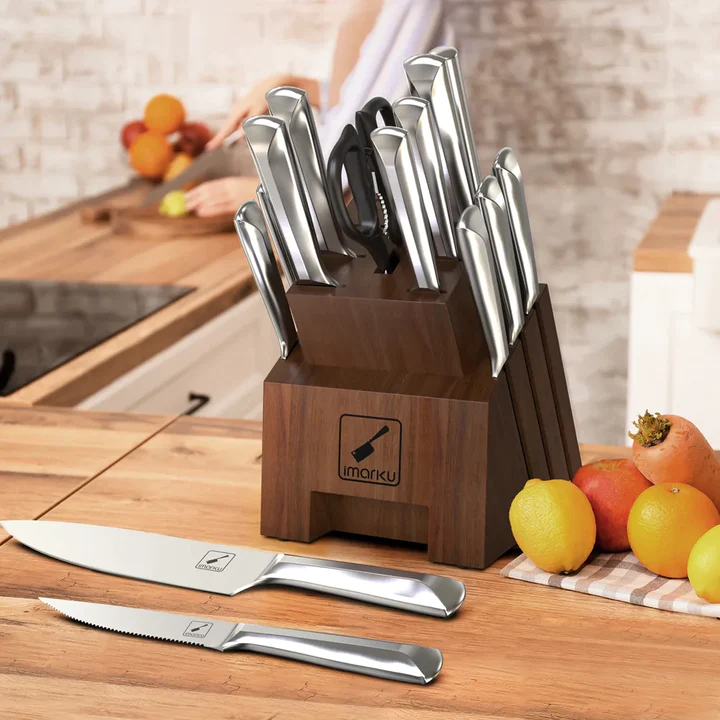
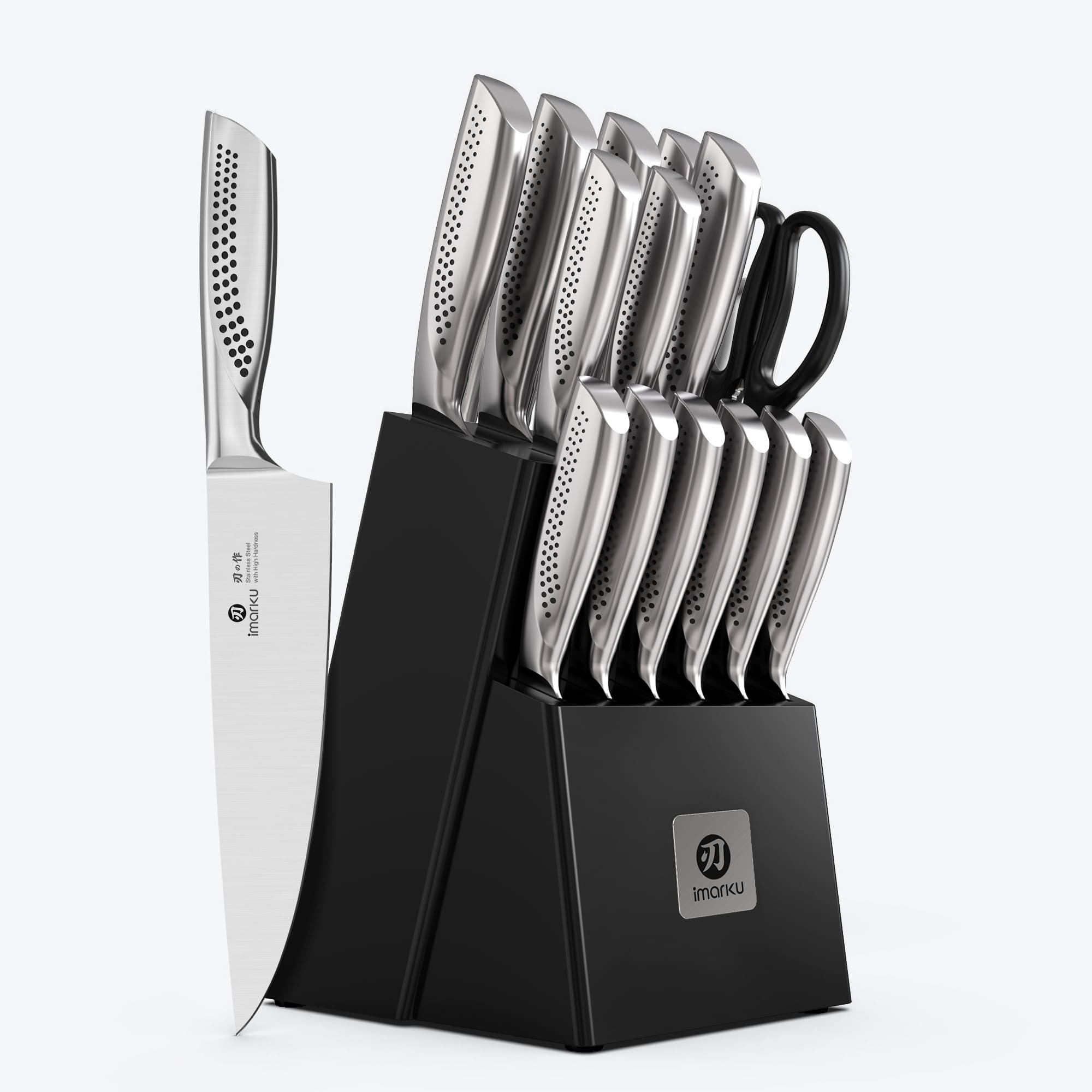
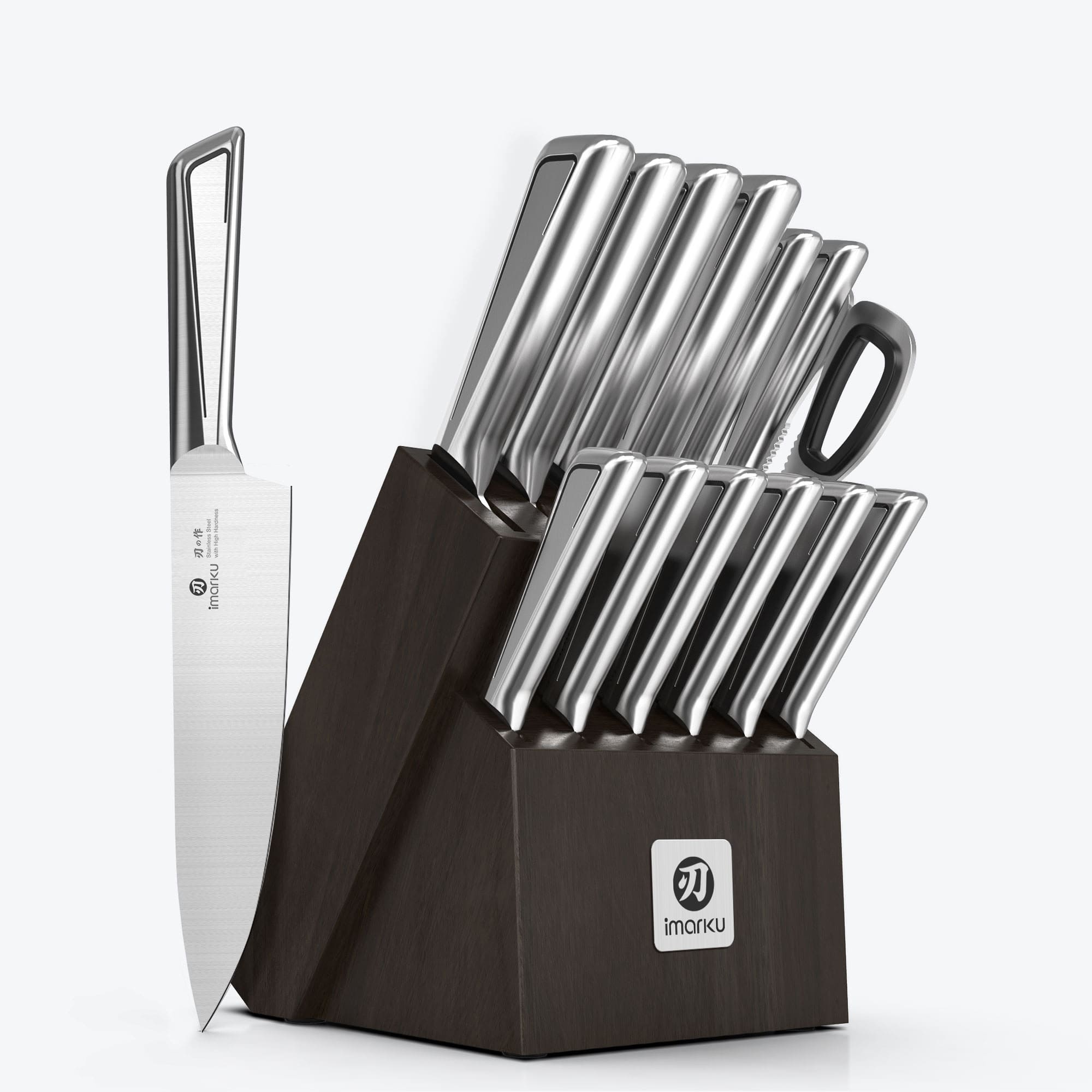
- Keep your primary knife easily accessible
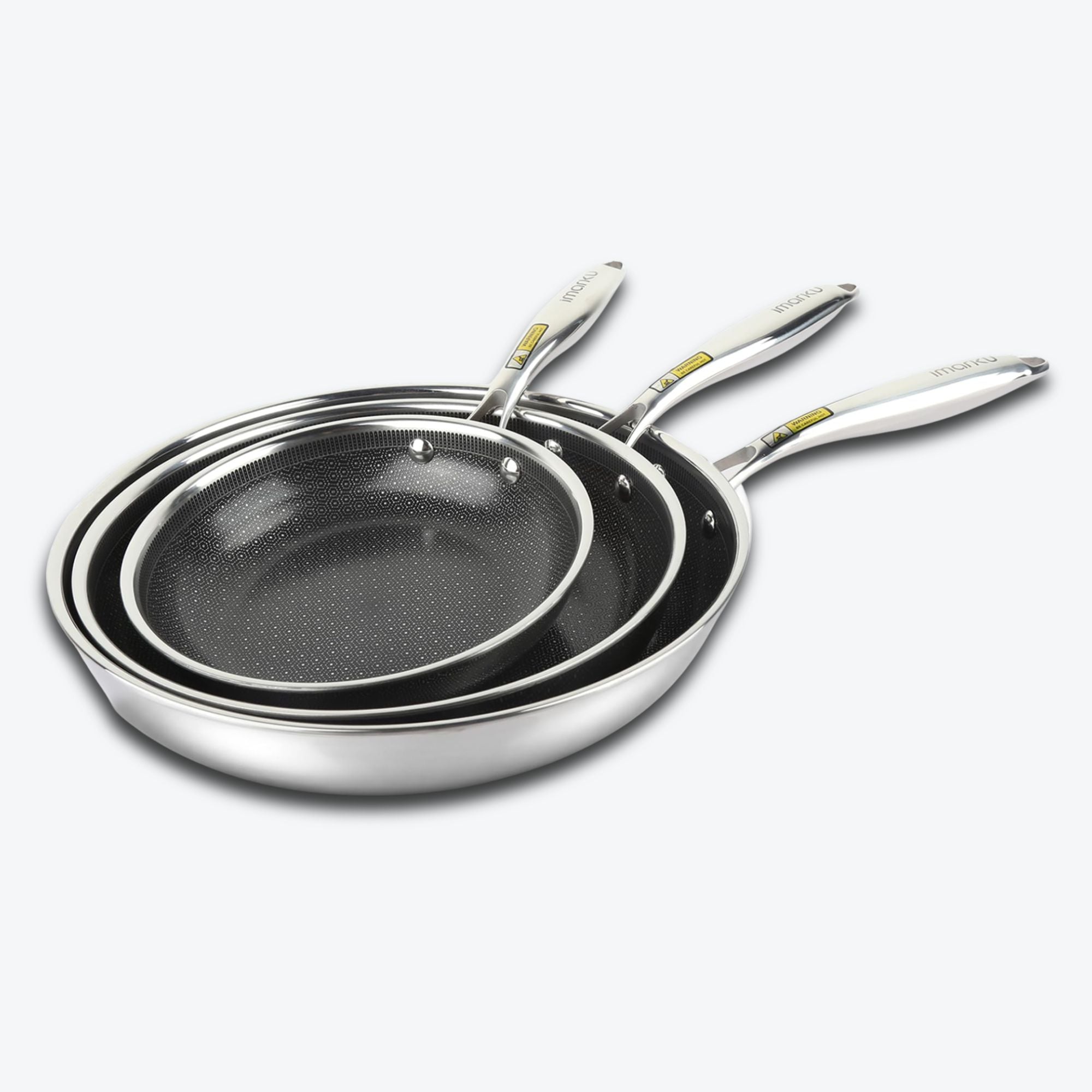
- Store pans by frequency of use, not size
These changes reduce activation energy, making it easier to act on cooking intentions without mental negotiation.
Time Reality Check: “I Don’t Have Time to Cook at Home”
Time scarcity is real for busy adults—but often misattributed, especially when figuring out how to find time to cook at home. Studies from the Journal of Nutrition Education and Behavior show that adults who believe they “lack time to cook” often spend equal or more time deciding what to eat or ordering delivery, highlighting the need for simple meal prep strategies for beginners and time-saving healthy cooking tips.
The issue isn’t actually time—it’s decision load, which can be alleviated by preparing healthy weeknight dinner ideas in advance. By locking in a three-night cooking rhythm, you can stick to your new year resolution by cooking at home, removing nightly deliberation—one of the most cognitively draining parts of meal choice—and applying practical meal planning for busy adults.
Common Issues and Their Solutions

Recipes That Are Overly Complicated
Solution: Stick to a set of 8–10 favorite meals.
Many newcomers and even experienced cooks feel discouraged when faced with complex recipes. For instance, trying to create a five-course Italian feast with several sauces during the week can lead to stress and might make you abandon the idea of cooking at home regularly. Instead, focus on a group of 8–10 meals you love and can make consistently. These could be a stir-fry with pre-sliced veggies, baked salmon with roasted potatoes, or a straightforward chili. Research indicates that households with a small selection of go-to meals are 40% more likely to maintain regular cooking each week. Keeping dishes simple also encourages the inclusion of healthy options without feeling overwhelmed.
Ingredient Waste
Solution: Plan ingredients for use in various meals.
A typical reason people cease home cooking is due to wasting ingredients, which can be frustrating and pricey. For instance, purchasing a large bunch of spinach for one salad without considering other uses may lead to spoilage. A smart solution is to organize meals so that ingredients can be reused in different recipes. For example, the same spinach could be used in breakfast omelets, dinner stir-fries, or smoothies. This technique aids beginners in meal prepping and offers time-saving tips while cutting down on food waste and shopping costs. Research from the Journal of Consumer Studies reveals that households that plan ingredients for multiple meals can reduce grocery waste by up to 25%.
Losing Enthusiasm After a Few Weeks
Solution: Focus on skill development instead of meal outcomes.
A lot of home cooks feel less motivated around the two-week mark of starting a new cooking routine because they think their progress is slow or their meals aren't perfect. A more effective method is to concentrate on improving cooking skills rather than critiquing the finished dish. For instance, instead of worrying if your stir-fry tastes restaurant-quality, recognize that you efficiently chopped vegetables, cooked meat properly, or tried out a new spice. This mindset supports your journey in home cooking and encourages long-lasting habits. Research in behavioral psychology indicates that honing in on small, measurable skills instead of immediate outcomes boosts consistency in routines by 35%.
Family Members Not Wanting to Join In
Solution: Involve everyone in meal planning and offer customization options.
Even with your motivation, family members might not be on board with trying new homemade meals. For example, kids could be picky about vegetables, or partners might lean towards familiar cuisines. The key is to include everyone in planning meals and provide options for customization, like adding toppings or modifying spice levels. This approach promotes inclusivity and mitigates resistance, assisting you in achieving your healthy cooking objectives. Evidence suggests that families who engage together in meal planning sustain home cooking habits 50% longer compared to those who do not.
Measuring Success Without Obsession

Avoid weight, calorie counts, or perfection metrics.
Instead, track:
- Number of home-cooked dinners completed
- Time spent cooking (aim for reduction, not increase)
- Confidence level (1–5 scale weekly)
This reframing supports intrinsic motivation, which is strongly linked to habit persistence according to Self-Determination Theory.
Who This Resolution Is Especially Good For
- Busy professionals with irregular schedules
- New homeowners establishing routines
- Couples seeking shared rituals
- Anyone recovering from burnout
Cooking three nights weekly provides structure without rigidity, which is why it remains one of the most adaptable new year resolution models across life stages.
Frequently Asked Questions (FAQ)

Is cooking three nights a week enough to see health benefits?
Yes. Research indicates that even modest increases in home cooking frequency improve dietary quality and reduce reliance on ultra-processed foods. Consistency matters more than volume.
What if I miss a week?
Missing a week does not negate progress. Habit research emphasizes trend over streaks. Resume the following week without compensation or guilt.
Do I need special tools to start?
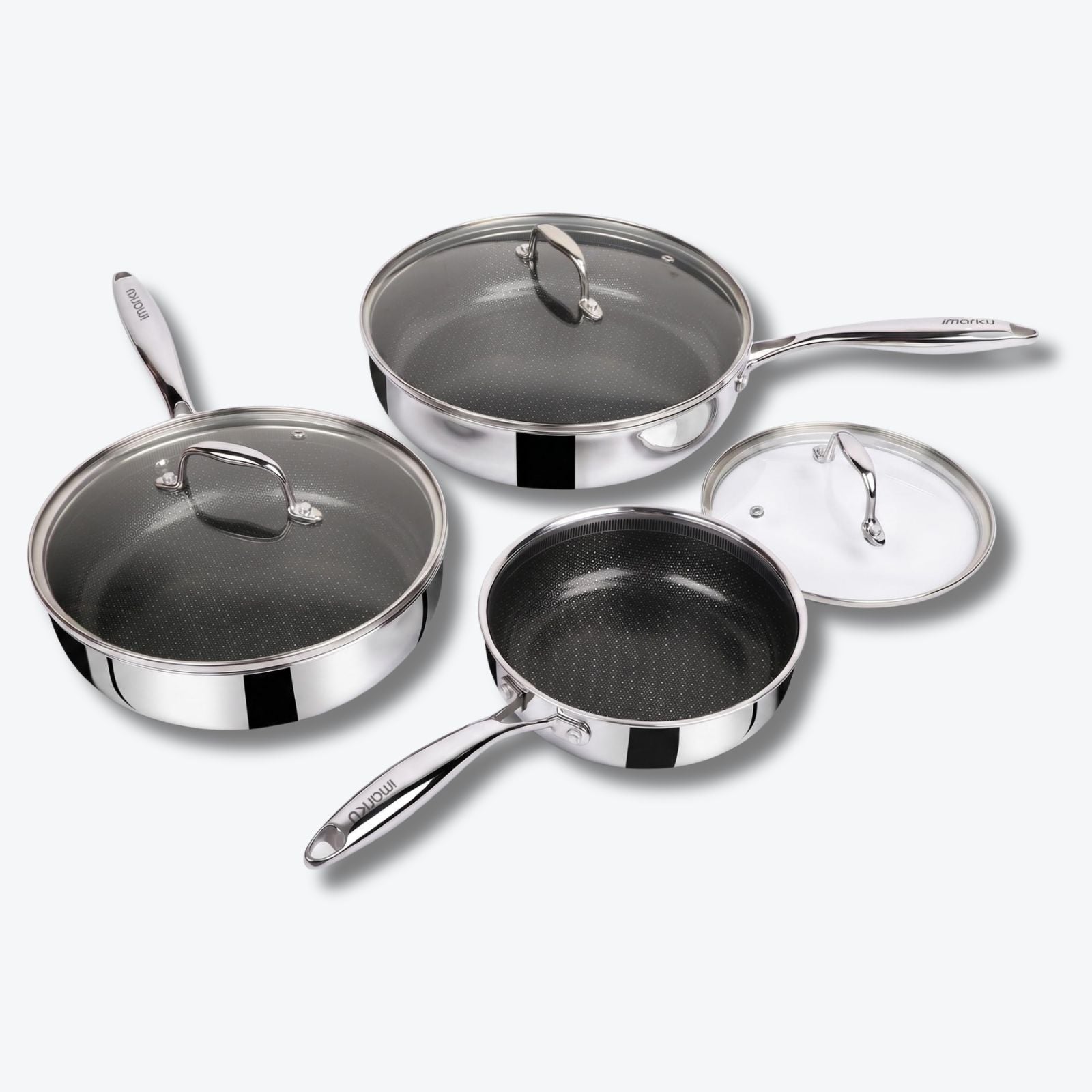
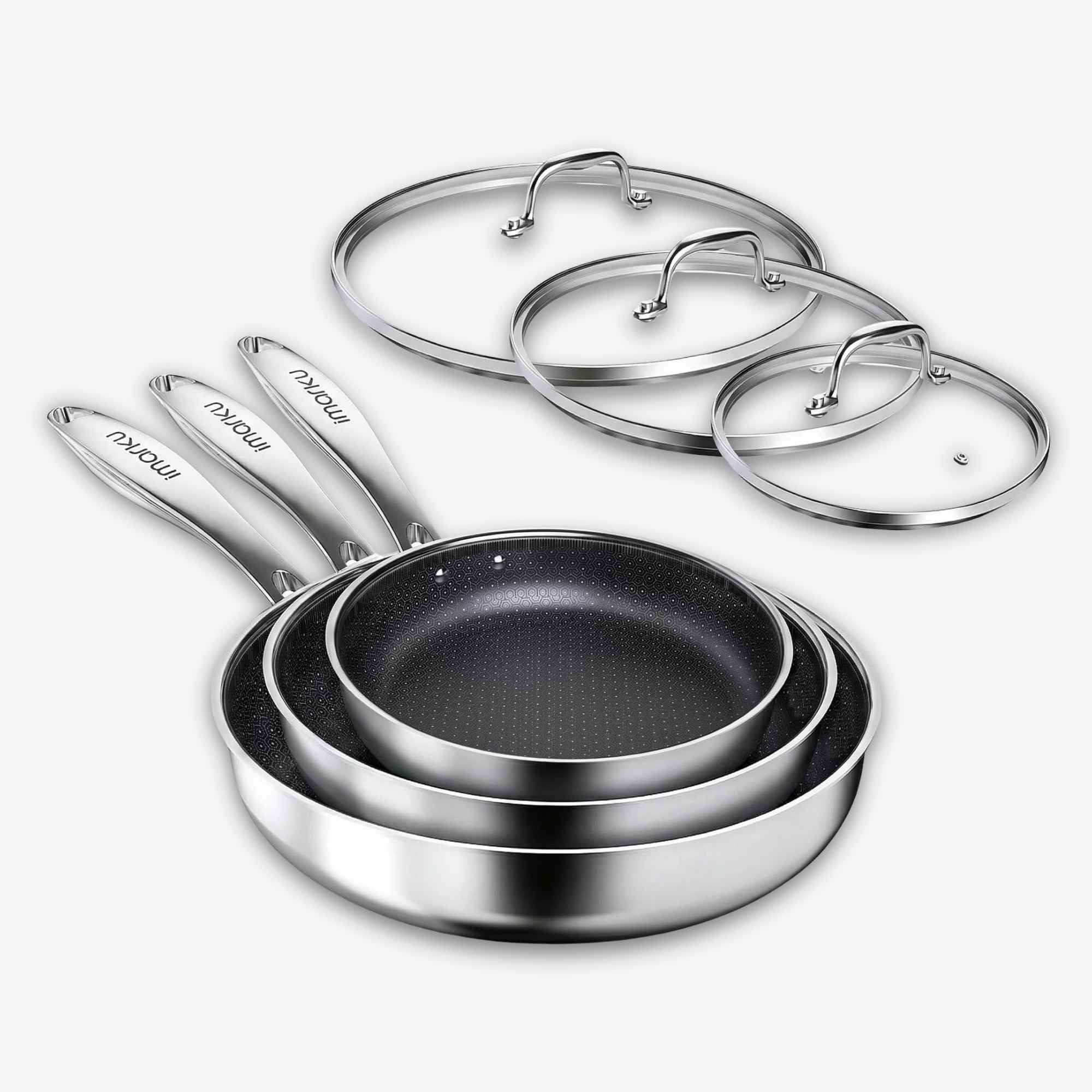
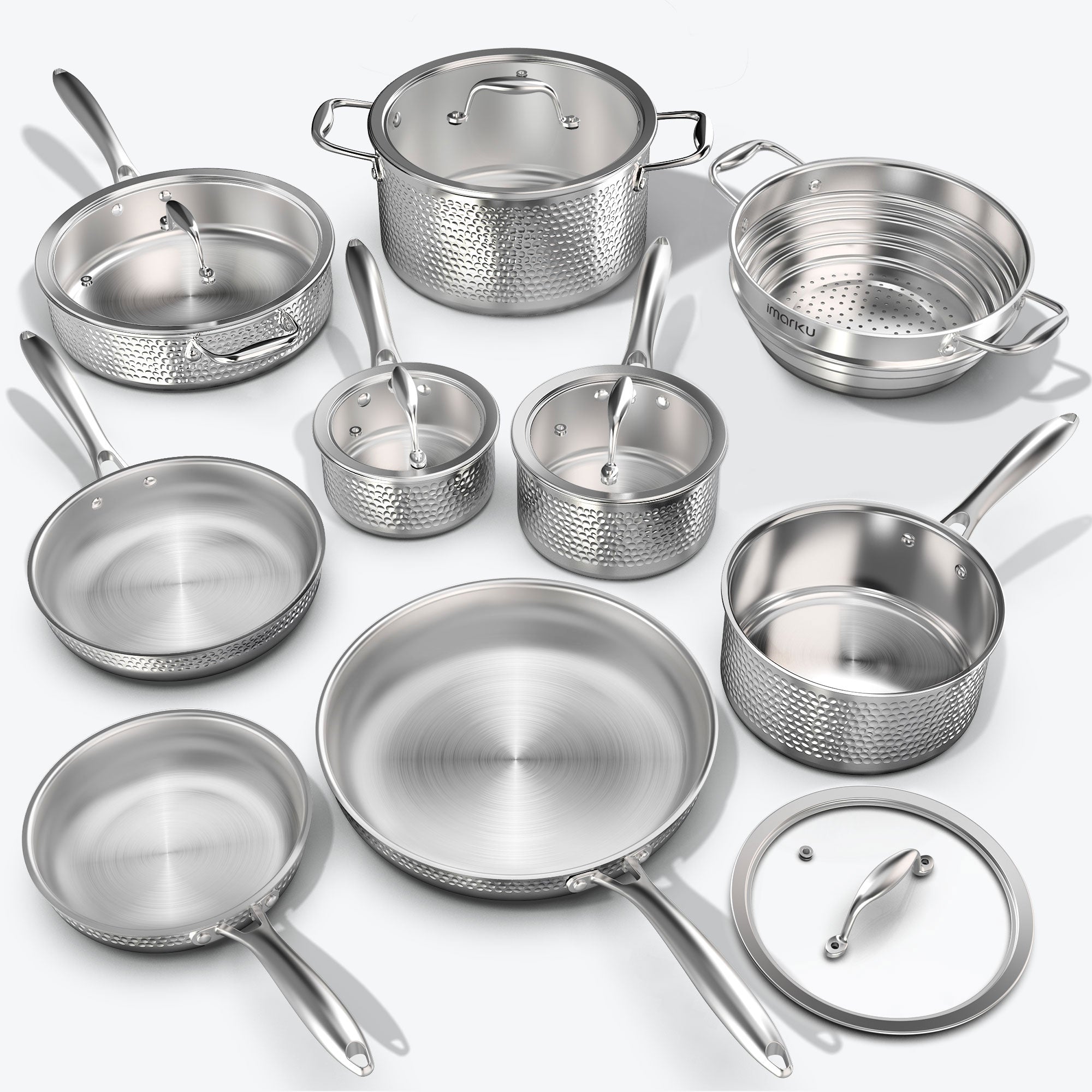
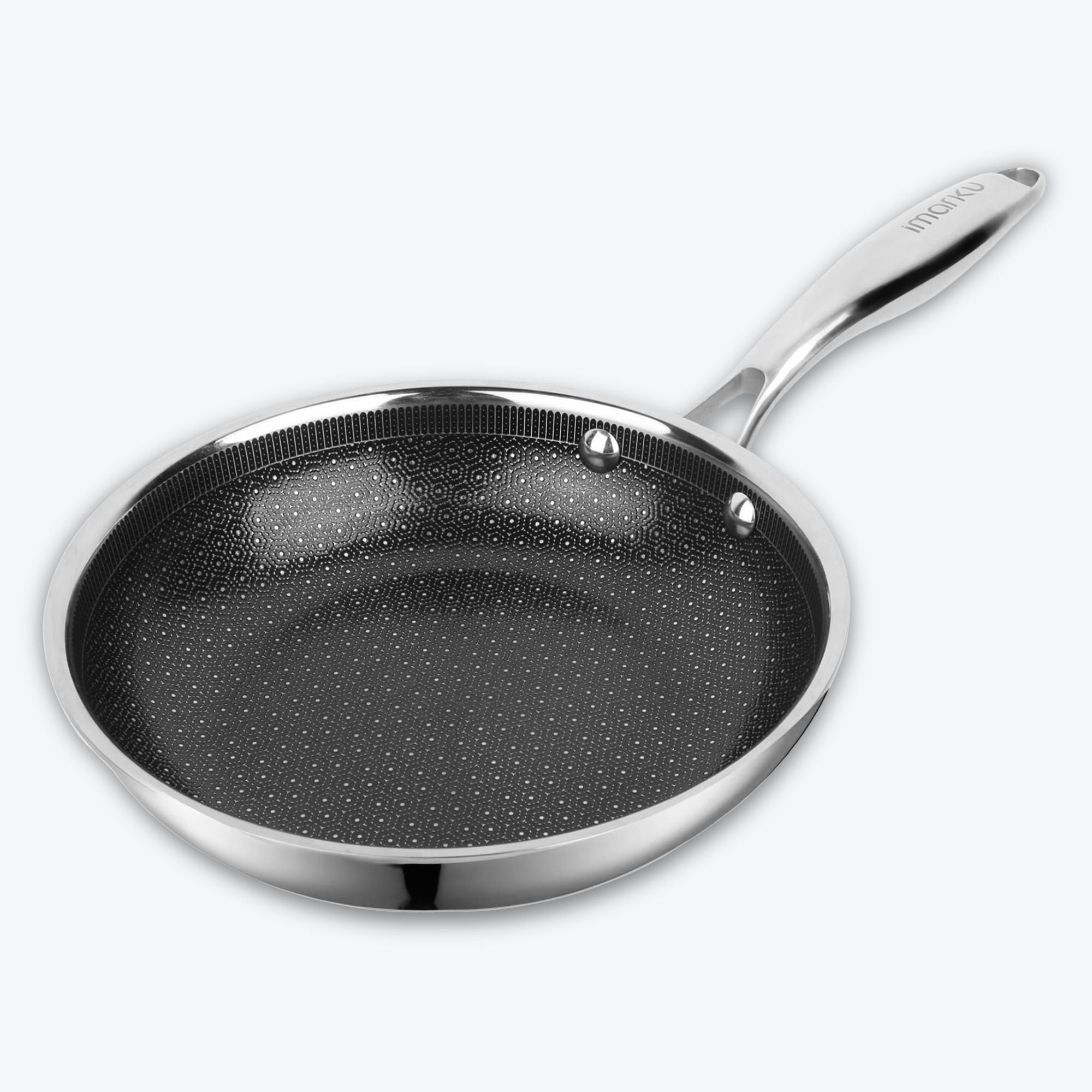
No. A functional knife, one pan, and one pot are sufficient. Skill matters far more than equipment.
Can this work for people who live alone?
Absolutely. Solo households often benefit the most financially and nutritionally, especially when batch cooking and ingredient repetition are used.
How long before this feels automatic?
Most people report reduced resistance after 4–6 weeks, aligning with habit automaticity research published in European Journal of Social Psychology.
What if I genuinely dislike cooking?
Disliking cooking often stems from lack of confidence or past frustration. Skill-focused, low-pressure repetition frequently changes this perception over time.
Final Thoughts: A Resolution That Builds, Not Restricts
A well-designed new year resolution should add capability, not impose deprivation. Cooking at home three nights per week is not about perfection, discipline, or identity change overnight.
It is about building a foundational life skill through repeatable action.
When approached with realistic frequency, environmental support, and skill-based progression, this habit quietly improves health, finances, and mental clarity—without requiring constant motivation.
That’s why, year after year, it remains one of the few resolutions that actually lasts.











Leave a comment
All comments are moderated before being published.
This site is protected by hCaptcha and the hCaptcha Privacy Policy and Terms of Service apply.