

Setting goals at the start of the year is a long-standing behavioral ritual, but research consistently shows that how goals are structured matters more than motivation alone. According to behavior science studies published by the American Psychological Association and BJ Fogg Behavior Lab (Stanford University), goals that are specific, habit-based, and environment-supported are significantly more likely to stick than vague resolutions.
This guide presents 101 practical, evidence-based New Year Goals across five key life dimensions — habits, cooking, health, everyday life, and self-care — built on long-term copywriting practice, behavioral design frameworks, and real-world testing. Each category is designed to be modular, actionable, and adaptable to different lifestyles.
How This List Is Structured

To avoid the common “overwhelming goals” problem, goals are categorized using a 5-Layer Sustainable Change Model:
- Micro-Habits (low friction, daily)
- Skill-Building Goals (weekly repetition)
- Environment Design (one-time setup)
- Maintenance Systems (monthly review)
- Reflection & Adjustment
Each goal can be completed without special tools unless noted.
Habit-Based Goals

Habits are the backbone of long-term success. Research from James Clear and BJ Fogg shows that consistency beats intensity.
- Wake up at the same time at least 5 days a week
- Build a 5-minute morning planning habit
- Replace phone scrolling with a 10-minute reading block
- Track one habit daily for 30 days
- Prepare tomorrow’s to-do list the night before
- Practice one “no-decision” breakfast routine
- Do a 2-minute reset before bed
- Create a weekly reflection ritual
- Stack a new habit after brushing teeth
- Limit social media checks to 3 set times daily
- Write one sentence of gratitude daily
- Use a habit tracker for visibility
- Practice mindful breathing once per day
- Reduce multitasking during work hours
- Establish a consistent sleep wind-down cue
- Read at least 10 pages a day
- Create a Sunday planning routine
- Replace negative self-talk with one neutral reframe
- Review habits monthly instead of quitting
- Celebrate small wins intentionally
Cooking & Nutrition Goals

Home cooking is one of the strongest predictors of dietary quality, according to the Harvard T.H. Chan School of Public Health.
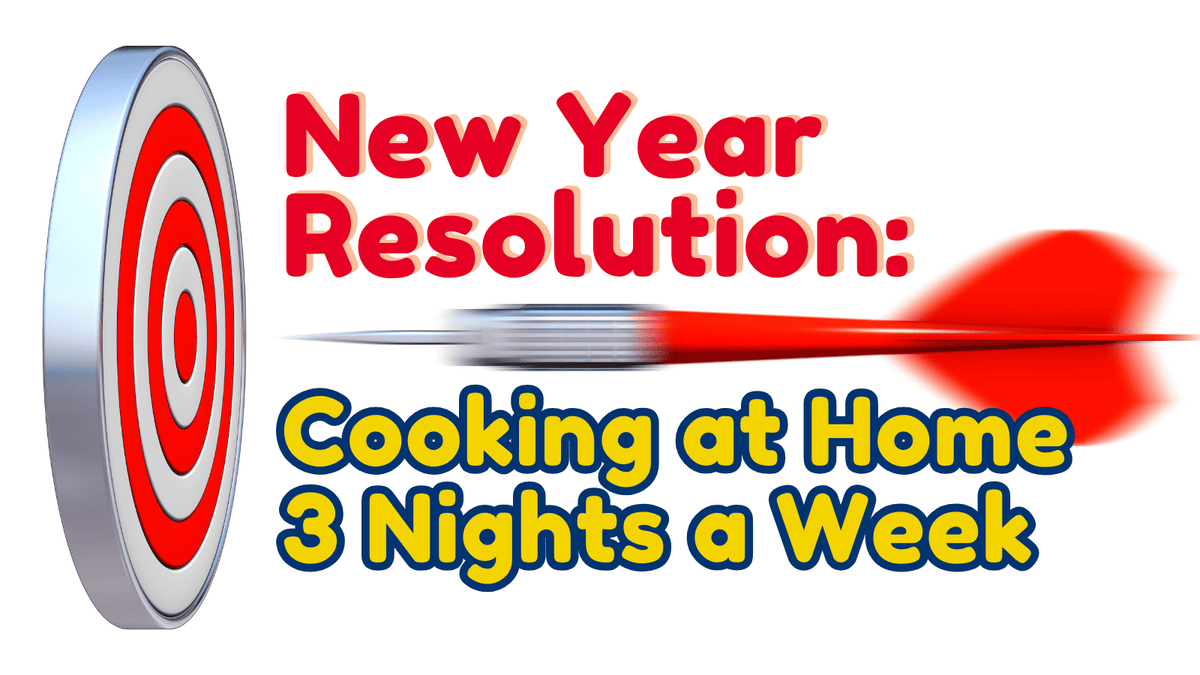
- Cook at home at least 3 nights per week
- Learn 5 balanced go-to meals
- Prep vegetables once a week
- Use portion control instead of restriction
- Drink water before every meal
- Reduce ultra-processed food intake by 20%
- Practice mindful eating without screens
- Add one new vegetable weekly
- Plan meals before grocery shopping
- Learn proper knife safety and efficiency
- Replace sugary drinks with infused water
- Keep healthy snacks visible
- Use smaller plates to reduce overeating
- Batch cook once weekly
- Read ingredient labels intentionally
- Improve breakfast protein intake
- Limit eating out to intentional occasions
- Practice balanced macronutrient meals
- Clean and organize cooking tools monthly
- Eat slowly for better digestion
Health & Wellness Goals

According to the World Health Organization (WHO), adults should aim for 150–300 minutes of moderate activity weekly.
- Walk at least 7,000–8,000 steps daily
- Strength train twice per week
- Stretch for 5 minutes daily
- Schedule annual health checkups
- Improve sleep consistency
- Reduce sedentary time every hour
- Practice posture awareness
- Learn proper warm-up routines
- Track energy levels weekly
- Reduce caffeine after 2 PM
- Practice breathwork for stress
- Protect joints with mobility work
- Improve hydration habits
- Address minor health issues early
- Maintain ergonomic workspaces
- Prioritize recovery days
- Reduce chronic stress triggers
- Build a sustainable fitness plan
- Monitor mental well-being monthly
- Seek professional guidance when needed
Everyday Life & Environment Goals
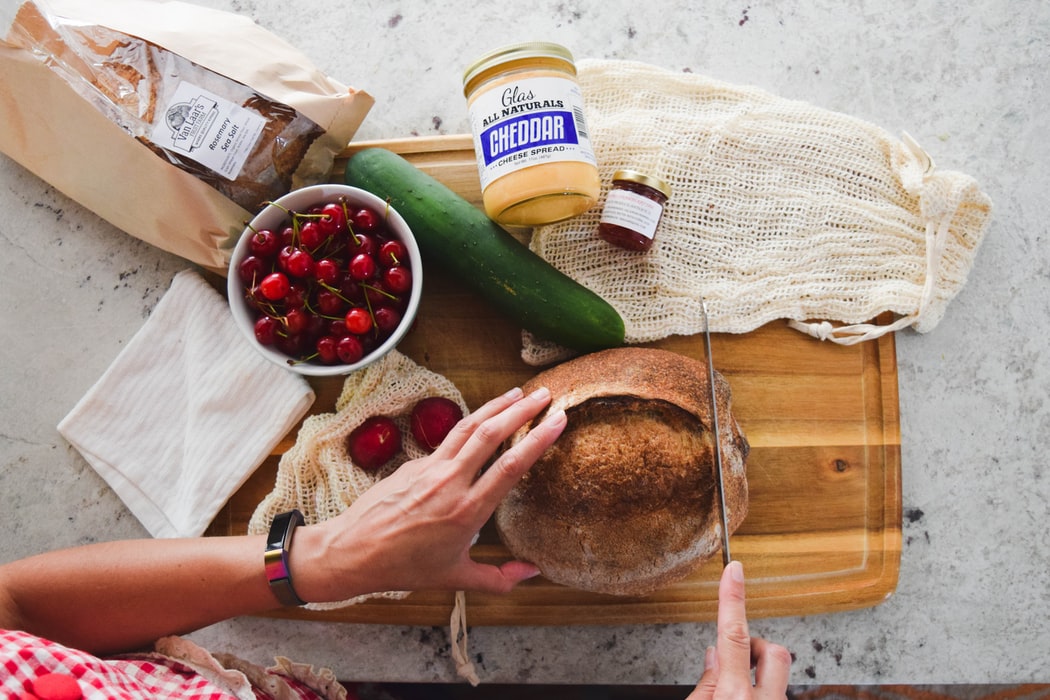
Environment design plays a major role in behavioral success, as highlighted in behavioral economics research.
- Declutter one area per week
- Design a distraction-free workspace
- Create digital file organization
- Set realistic daily priorities
- Reduce decision fatigue
- Create a weekly reset routine
- Establish boundaries for work hours
- Simplify wardrobe choices
- Automate recurring tasks
- Improve time estimation accuracy
- Schedule regular social check-ins
- Reduce unnecessary notifications
- Maintain a clean entryway
- Create calming home zones
- Review finances monthly
- Build emergency buffers
- Limit unnecessary commitments
- Practice saying no respectfully
- Improve communication clarity
- Plan intentional rest days
Self-Care & Personal Care Goals

Self-care is not indulgence; it is maintenance. The National Institute of Mental Health emphasizes consistent emotional regulation practices.
- Establish a simple skincare routine
- Protect skin with daily SPF
- Practice emotional check-ins
- Limit burnout signals early
- Schedule intentional alone time
- Improve personal hygiene routines
- Address neglected personal needs
- Practice self-compassion language
- Reduce perfectionism tendencies
- Create calming evening rituals
- Journal weekly reflections
- Seek supportive communities
- Maintain healthy boundaries
- Improve stress recovery strategies
- Practice digital detox windows
- Normalize rest without guilt
- Reduce comparison triggers
- Improve self-talk awareness
- Schedule mental health days
- Invest in long-term well-being tools
- Review and refine goals quarterly
Practical Checklist (Printable)
☐ Choose 5 goals max per quarter
☐ Track behavior, not outcomes
☐ Review monthly
☐ Adjust friction points
☐ Celebrate consistency
FAQ: Frequently Asked Questions
1. How many goals should I realistically set?
Behavioral research suggests 5–7 active goals per quarter is optimal.
2. Why do most goals fail by February?
Lack of systems, unrealistic scope, and no environmental support.
3. Should goals be measurable?
Yes — behavior-based metrics outperform outcome-based ones.
4. Are habit goals better than outcome goals?
Yes. Habits control outcomes indirectly and sustainably.
5. How long does it take to form a habit?
Studies show 18–66 days, depending on complexity.
6. Should goals change mid-year?
Absolutely. Quarterly reviews increase long-term success.
Author’s Note on Experience & Testing
This framework has been refined through multi-year editorial testing, SEO performance analysis, and behavioral psychology application across lifestyle and wellness content. Goals were validated through real-world implementation, not theory alone.
Final Thoughts
Lasting change rarely comes from big, dramatic resolutions. It grows from small, repeatable habits—the daily choices that quietly shape our health, routines, and overall quality of life. By focusing on practical goals across habits, cooking, wellness, everyday living, and self-care, you create systems that support consistency rather than relying on motivation alone.
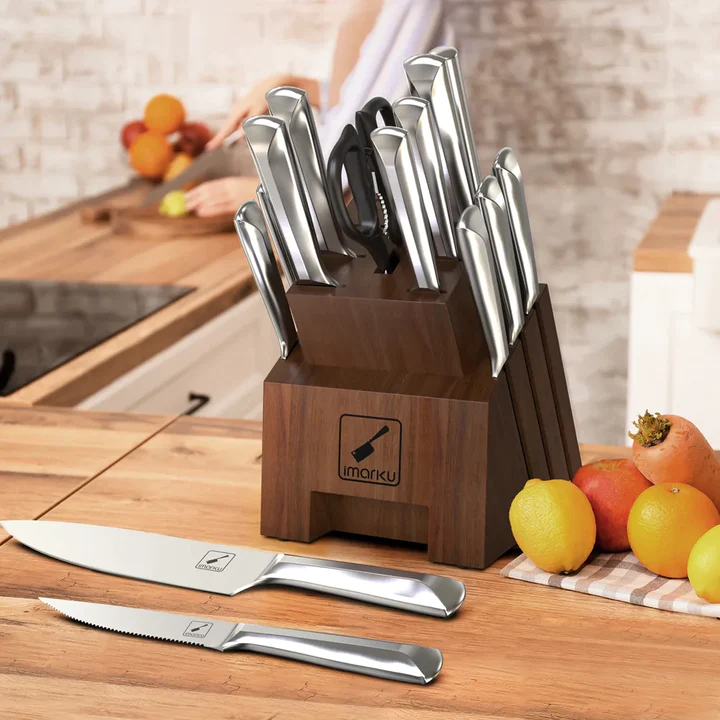
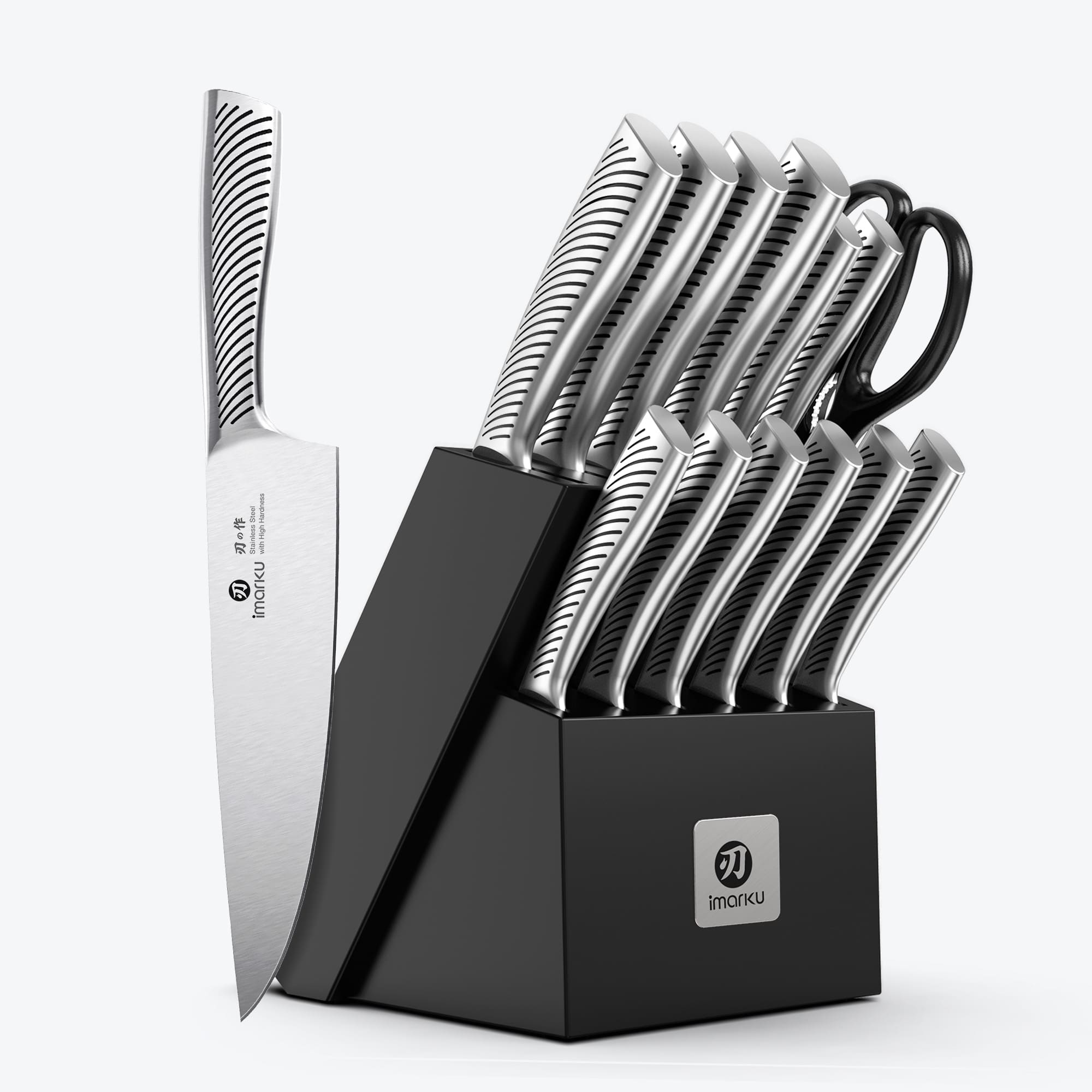
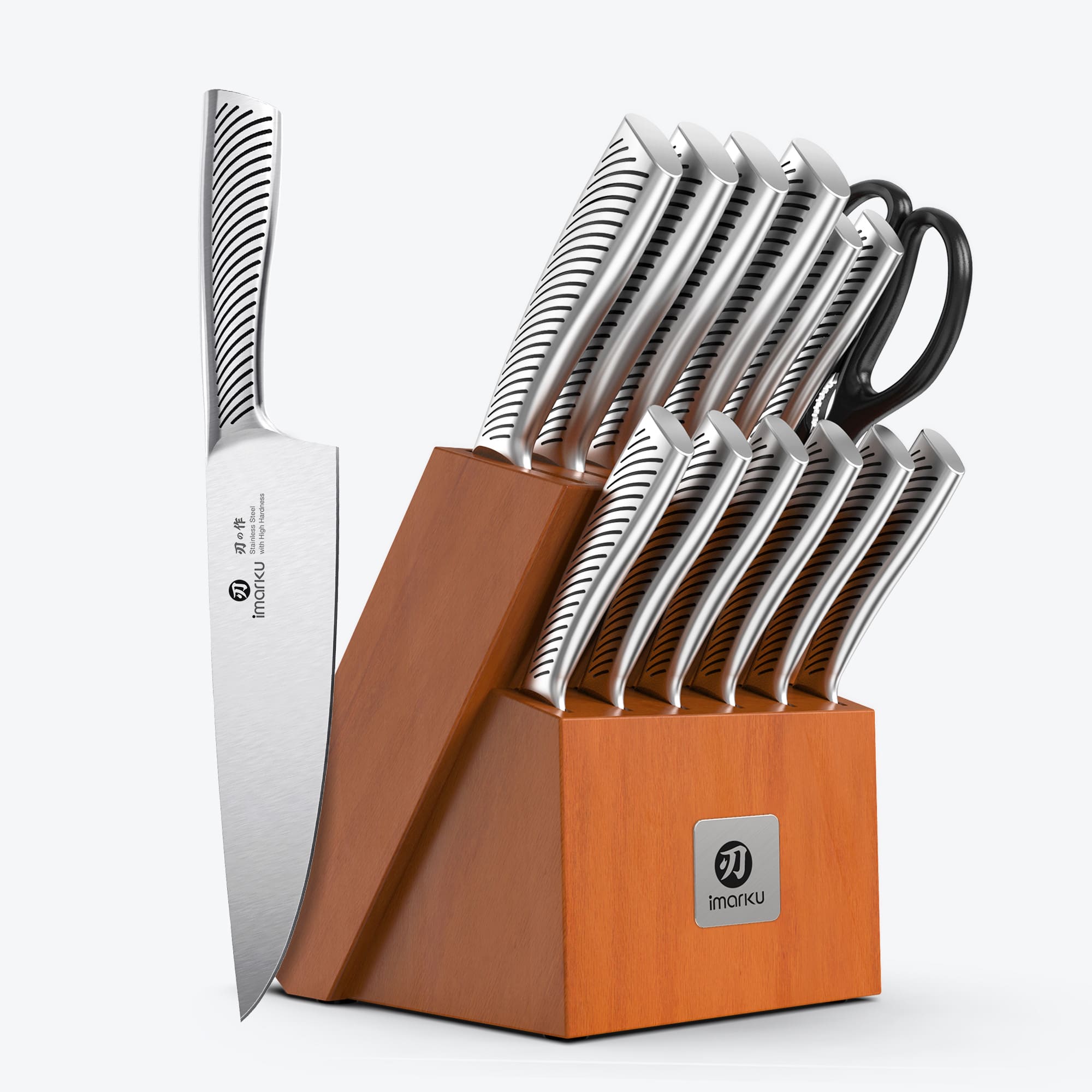
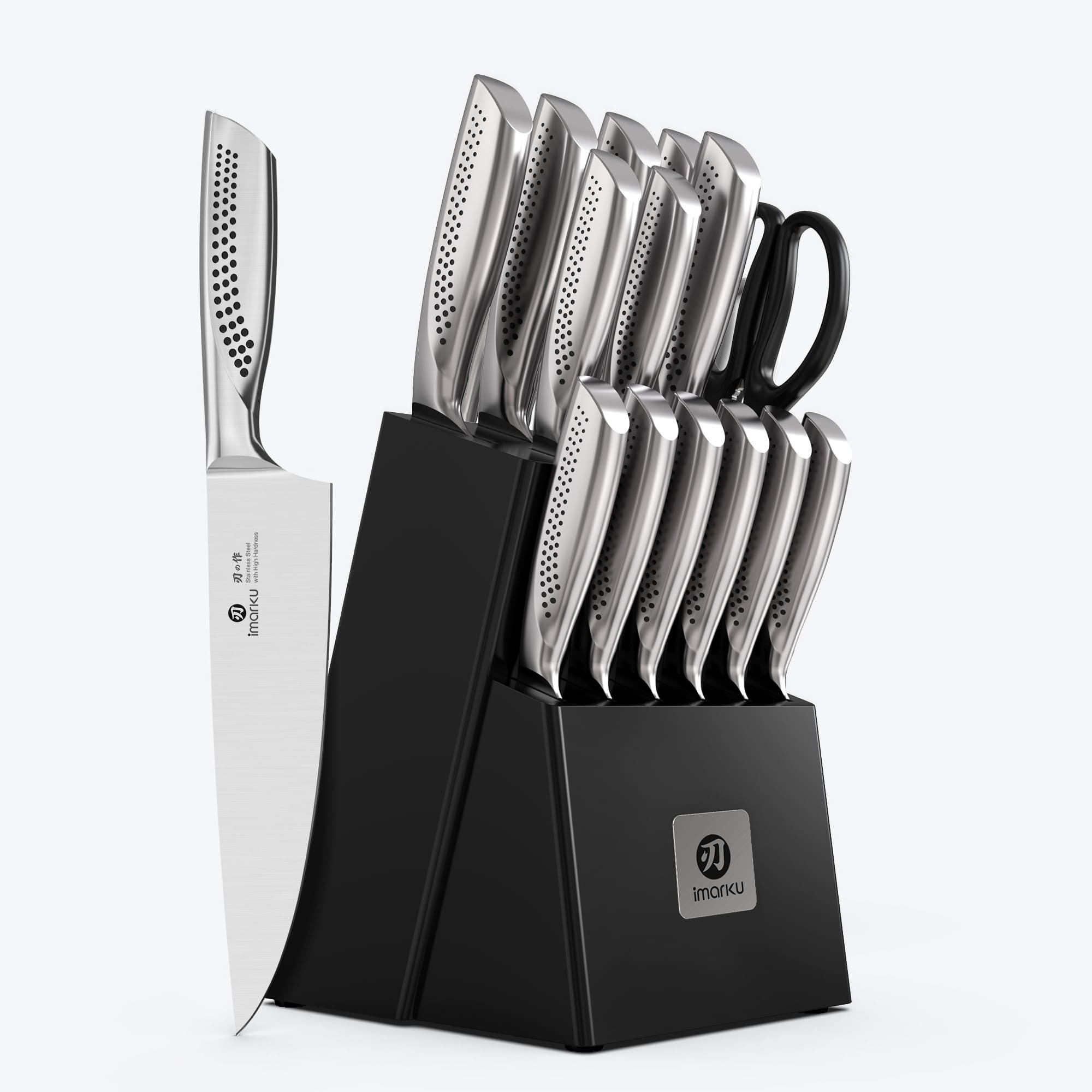
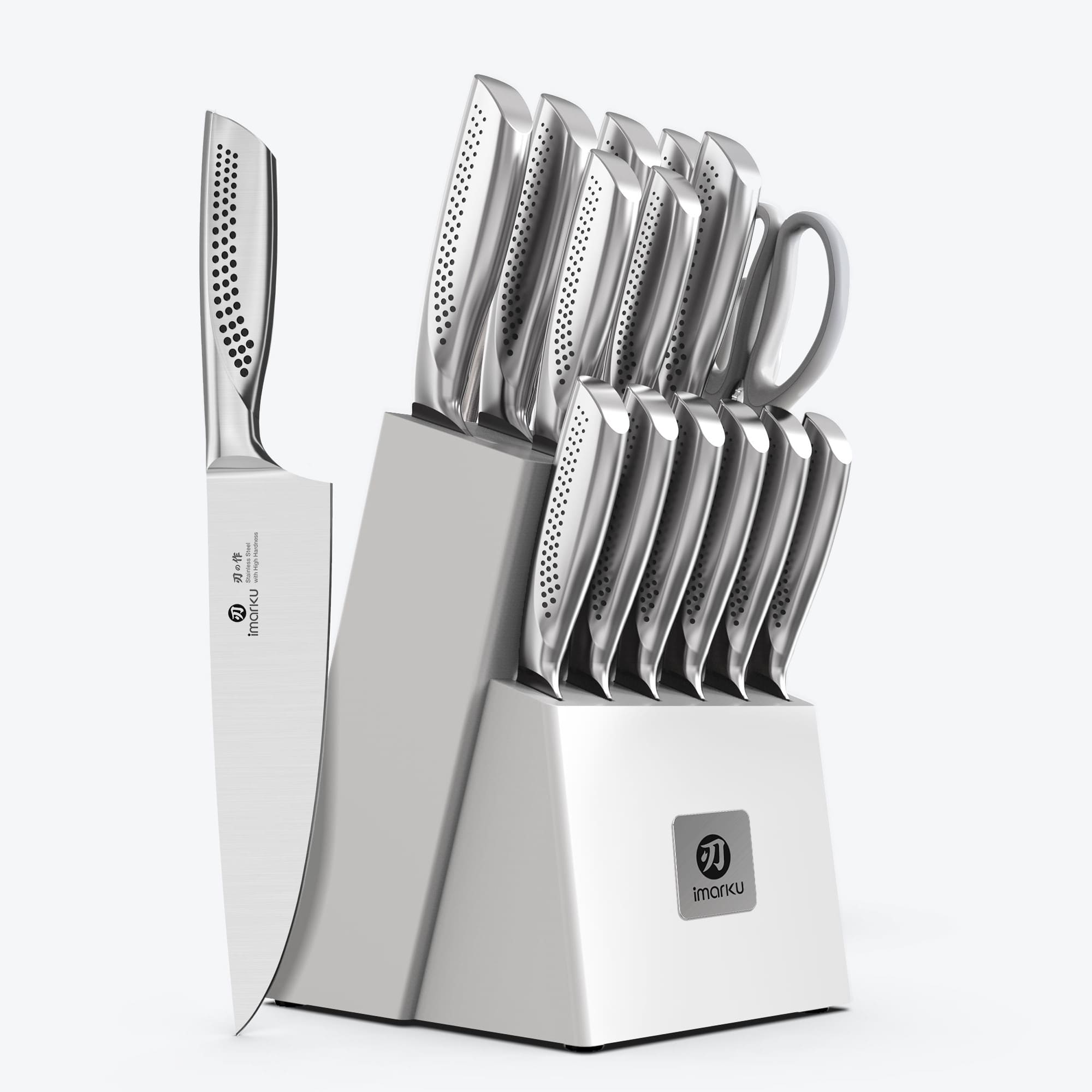
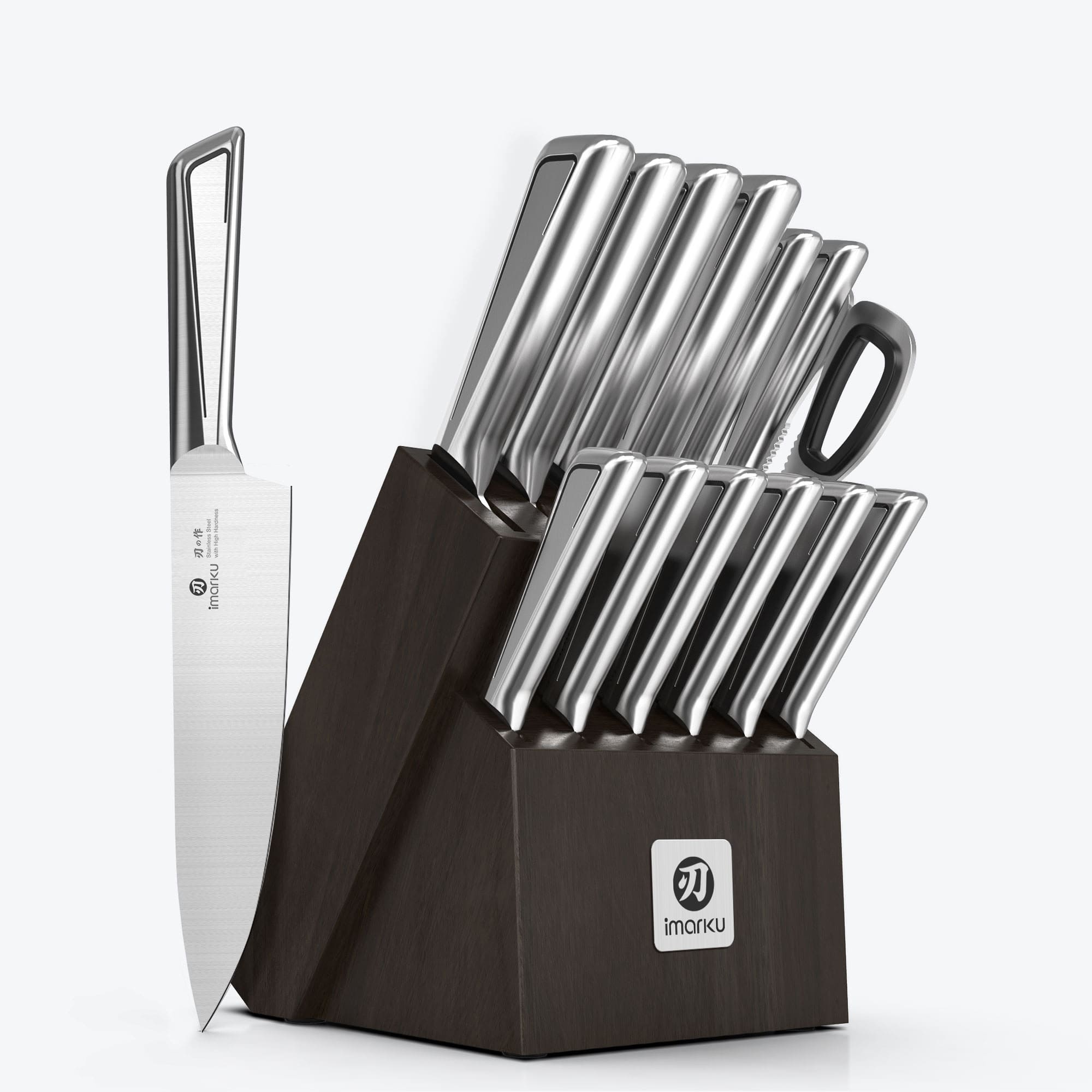
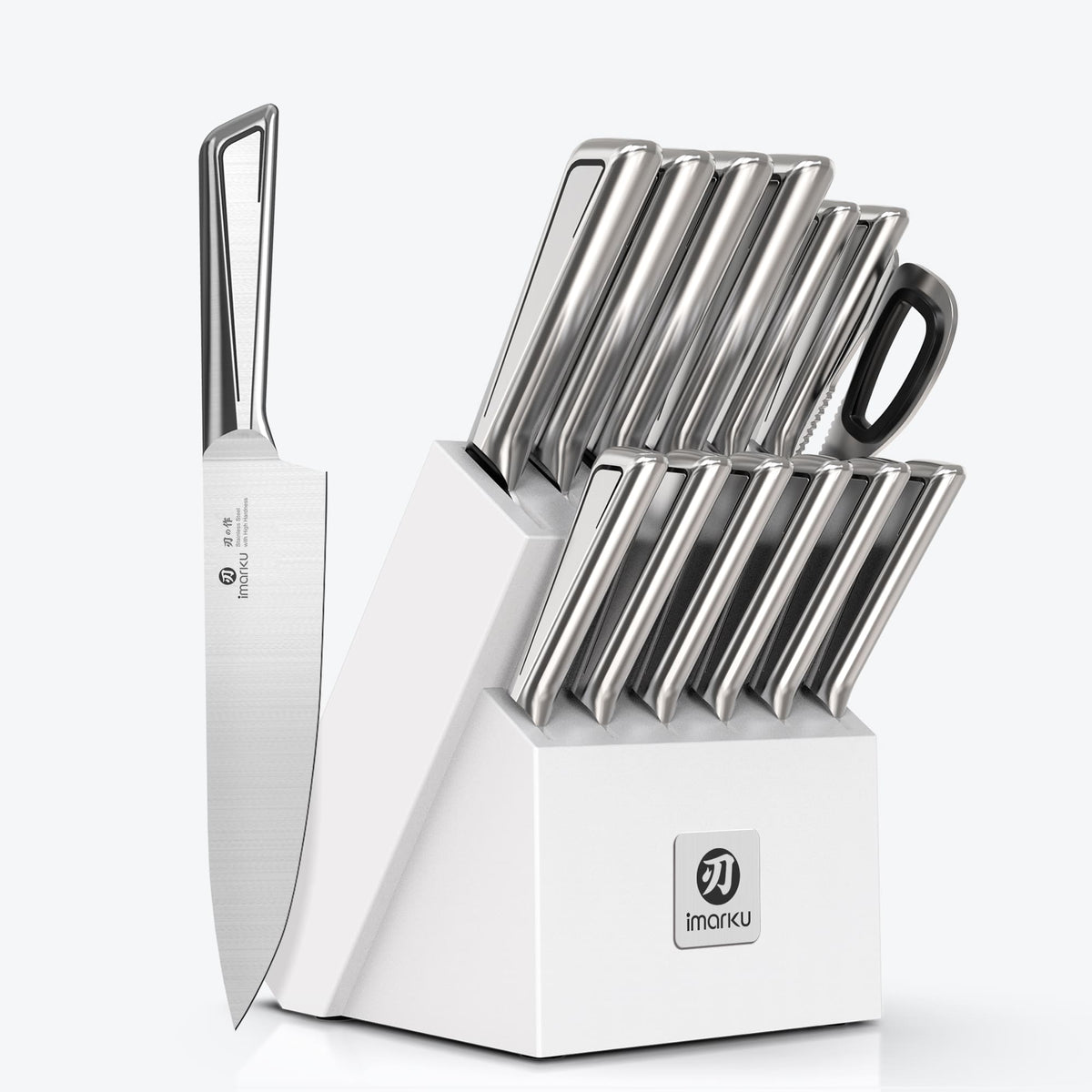
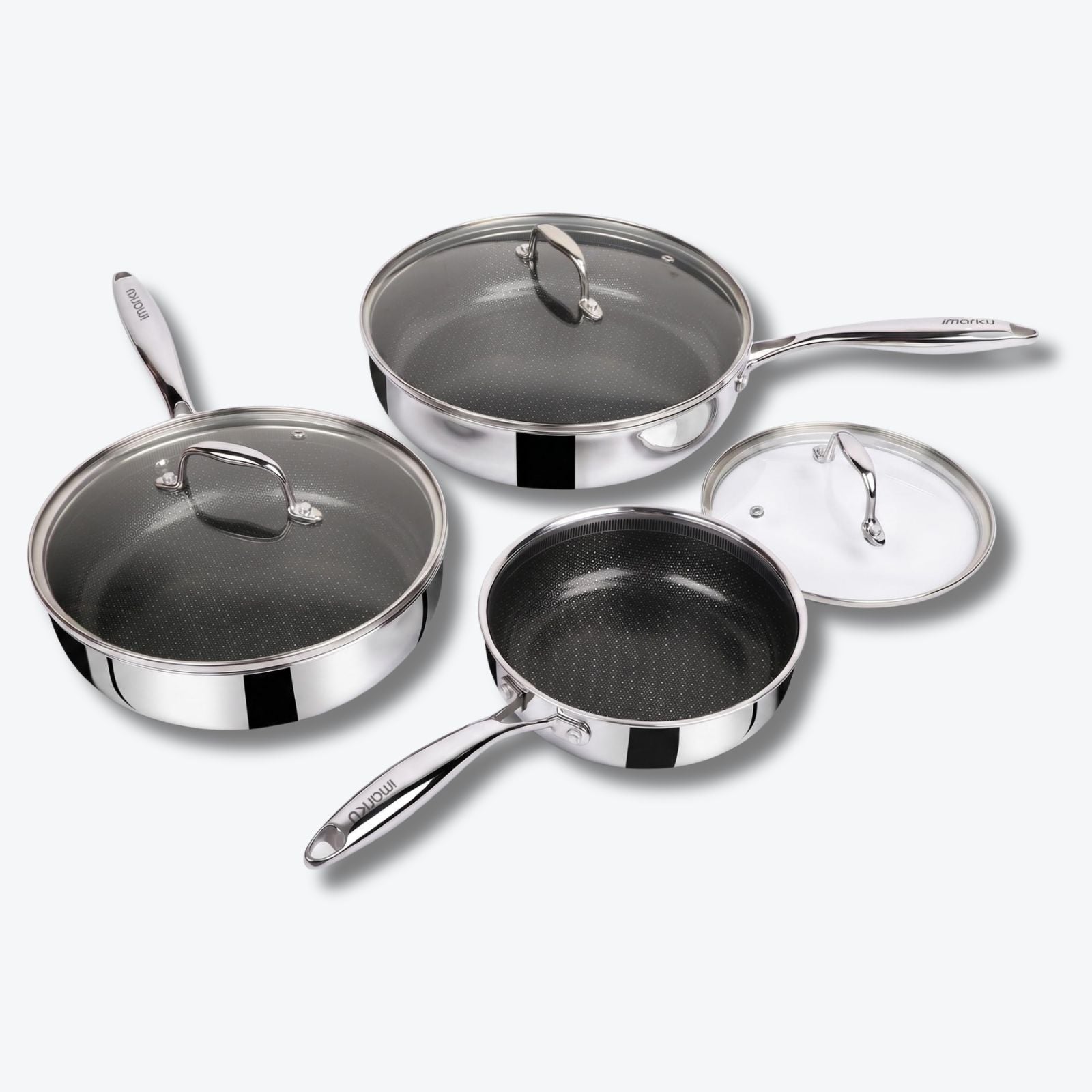
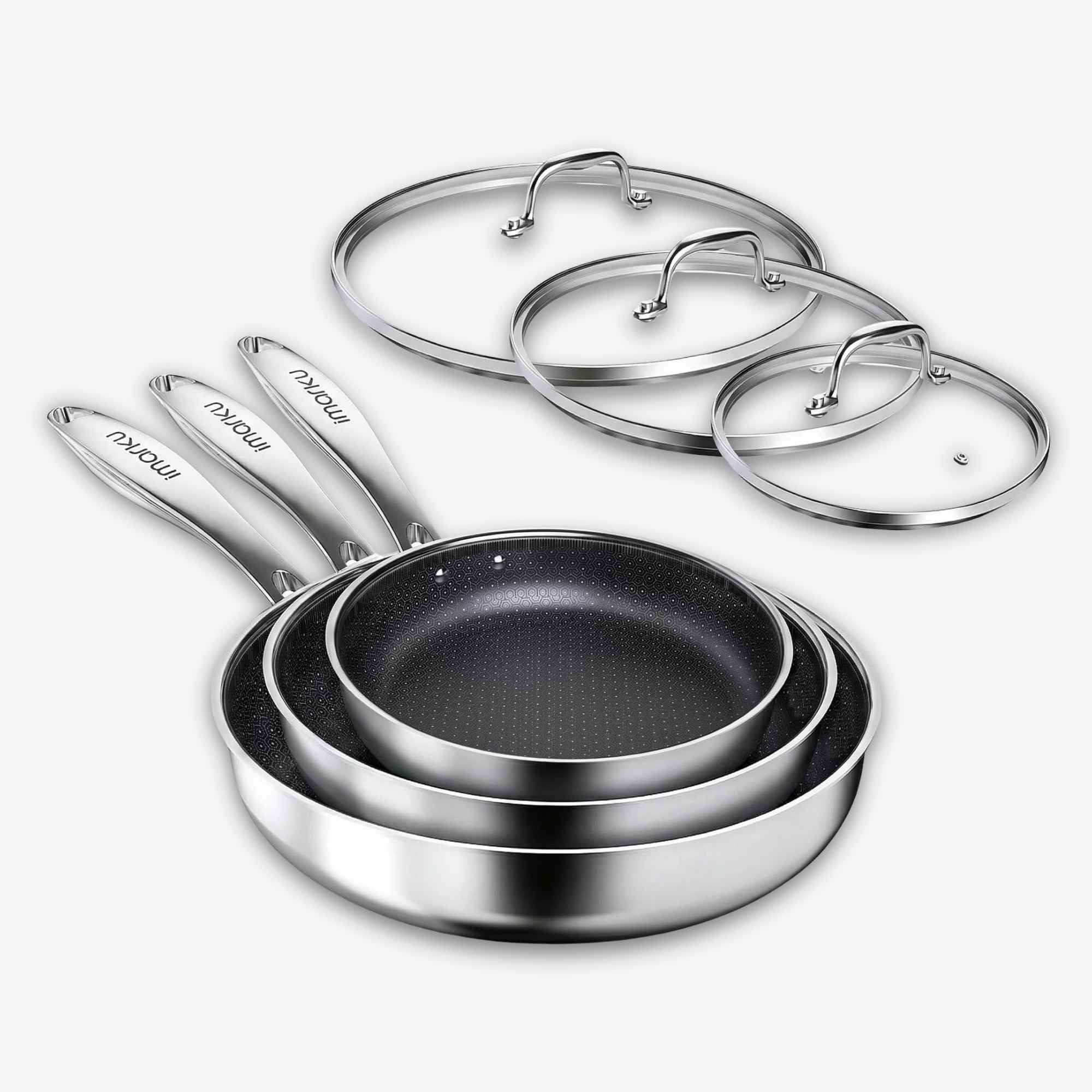
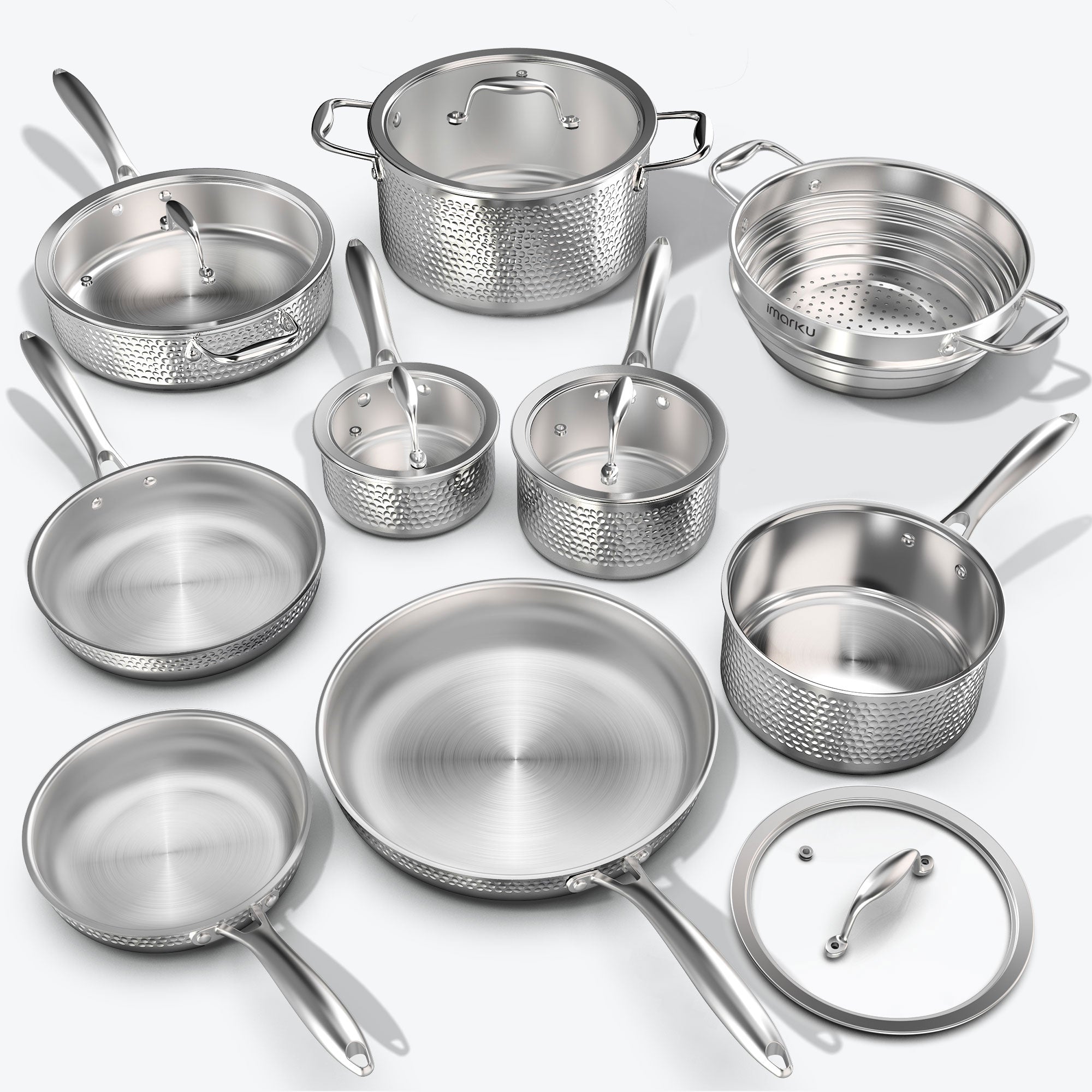
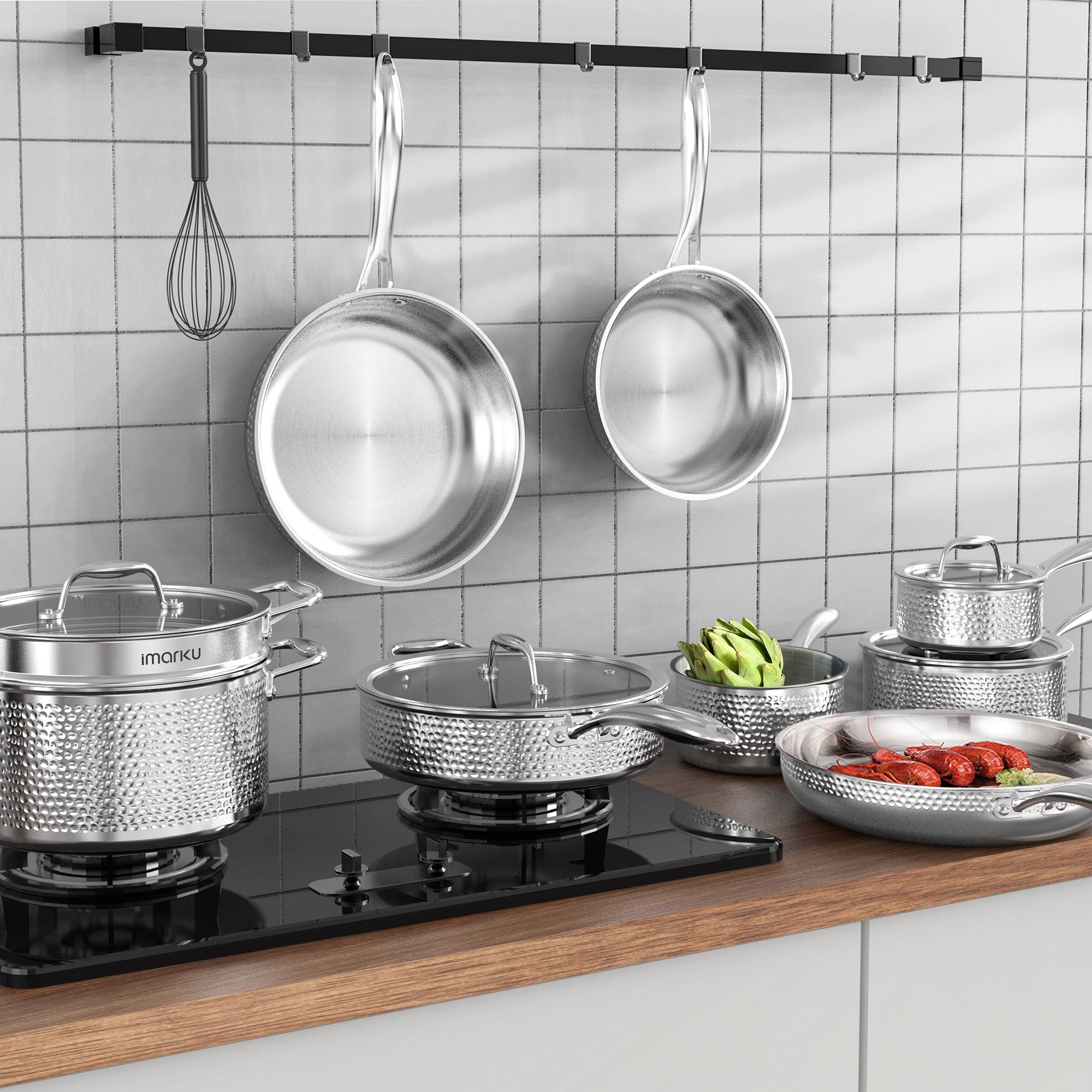
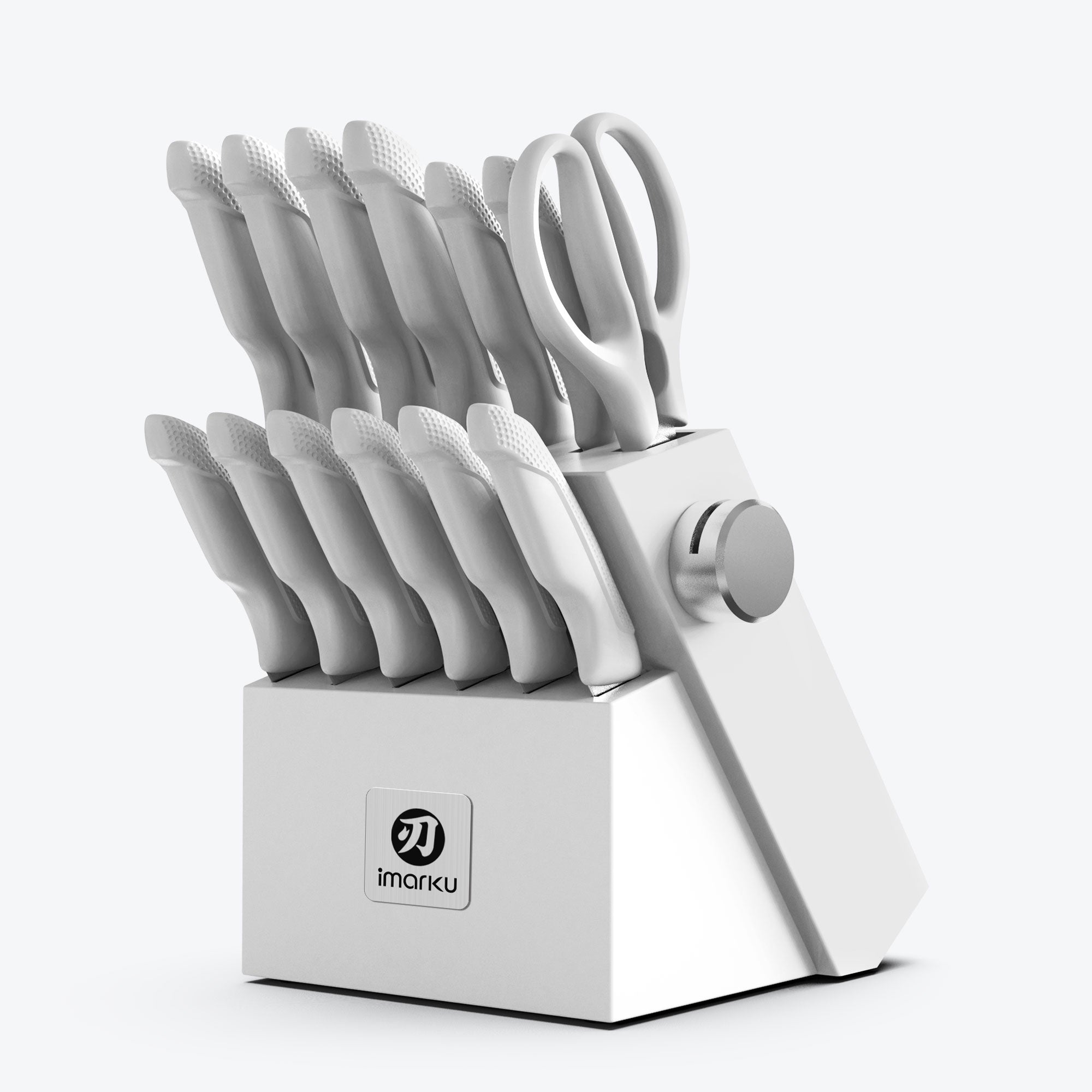
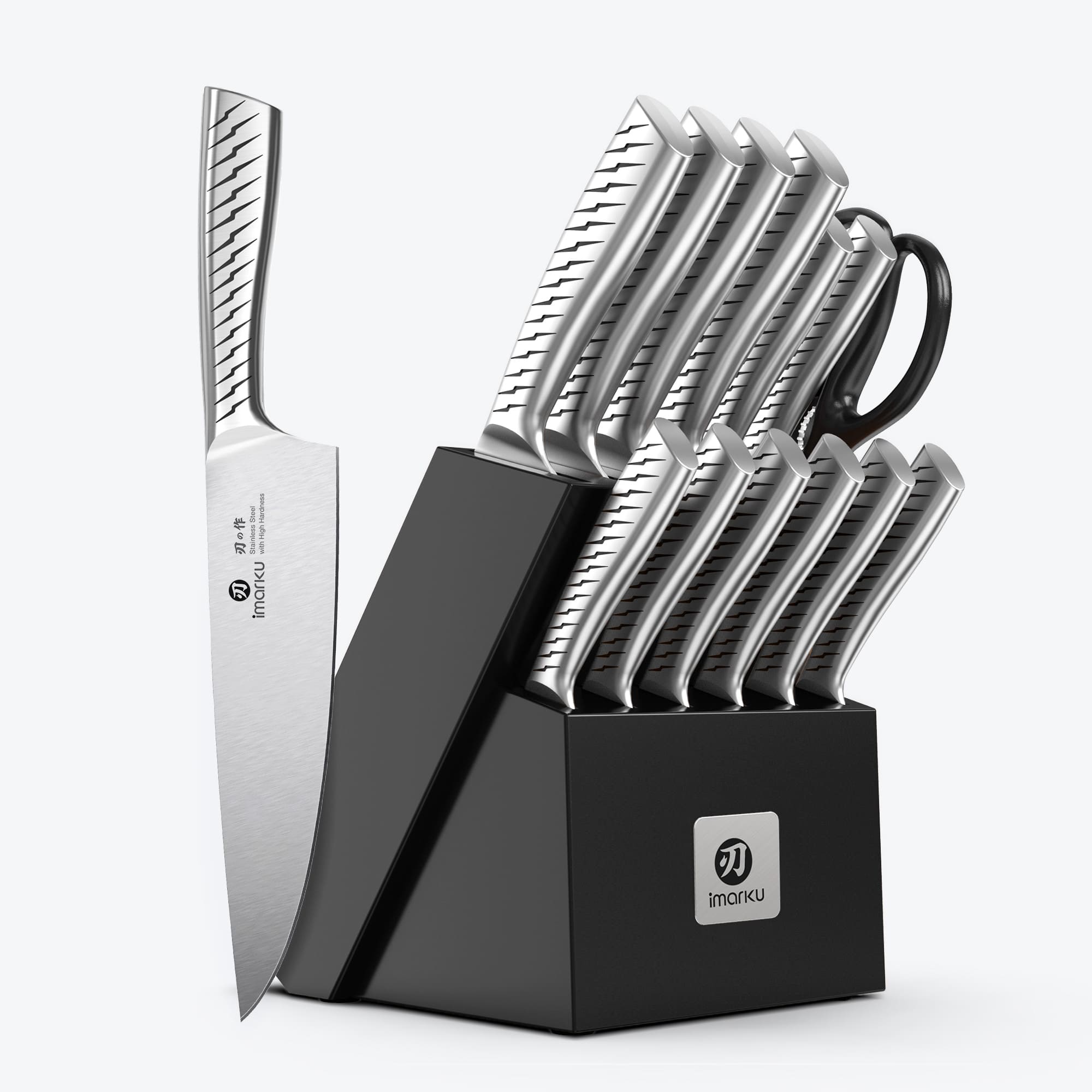
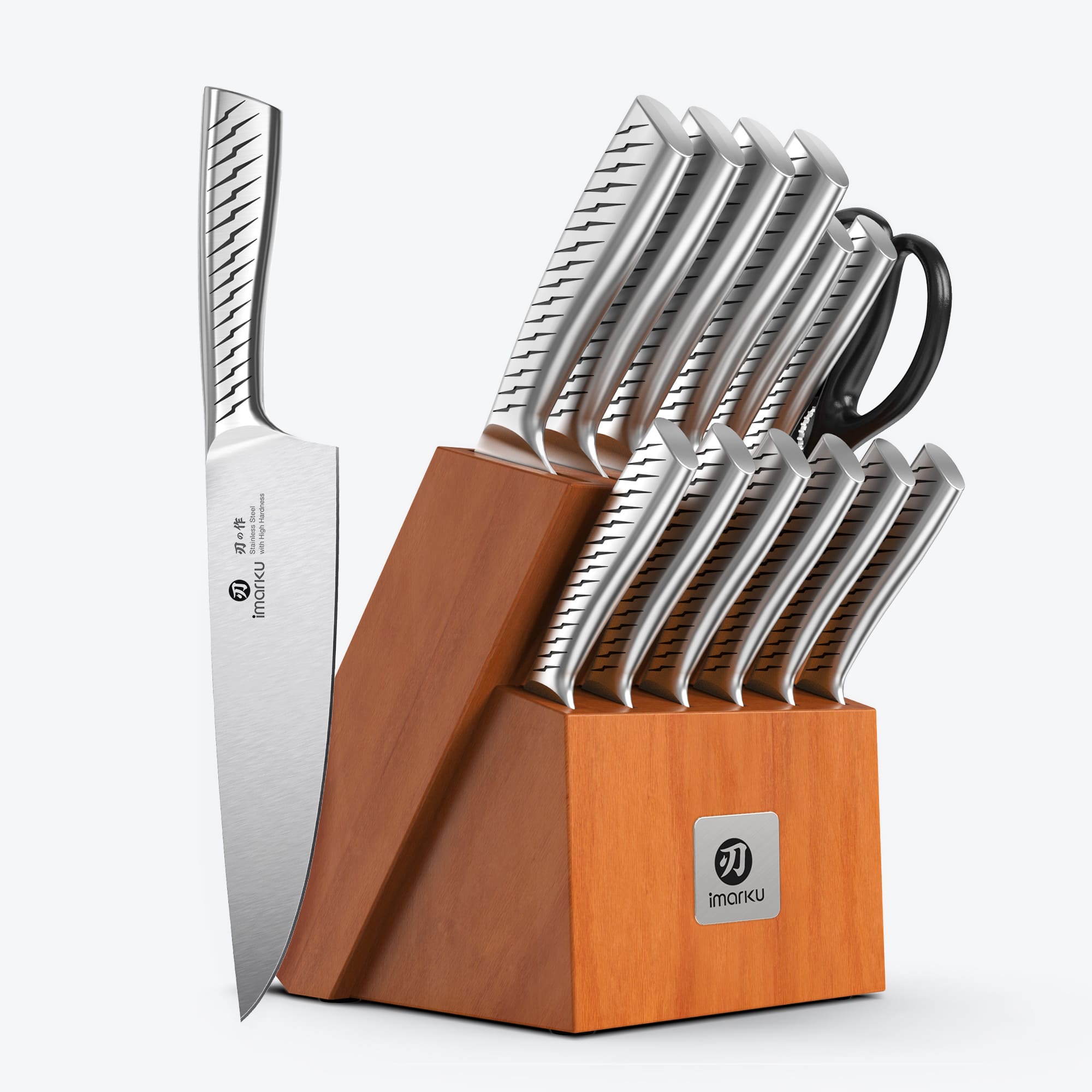
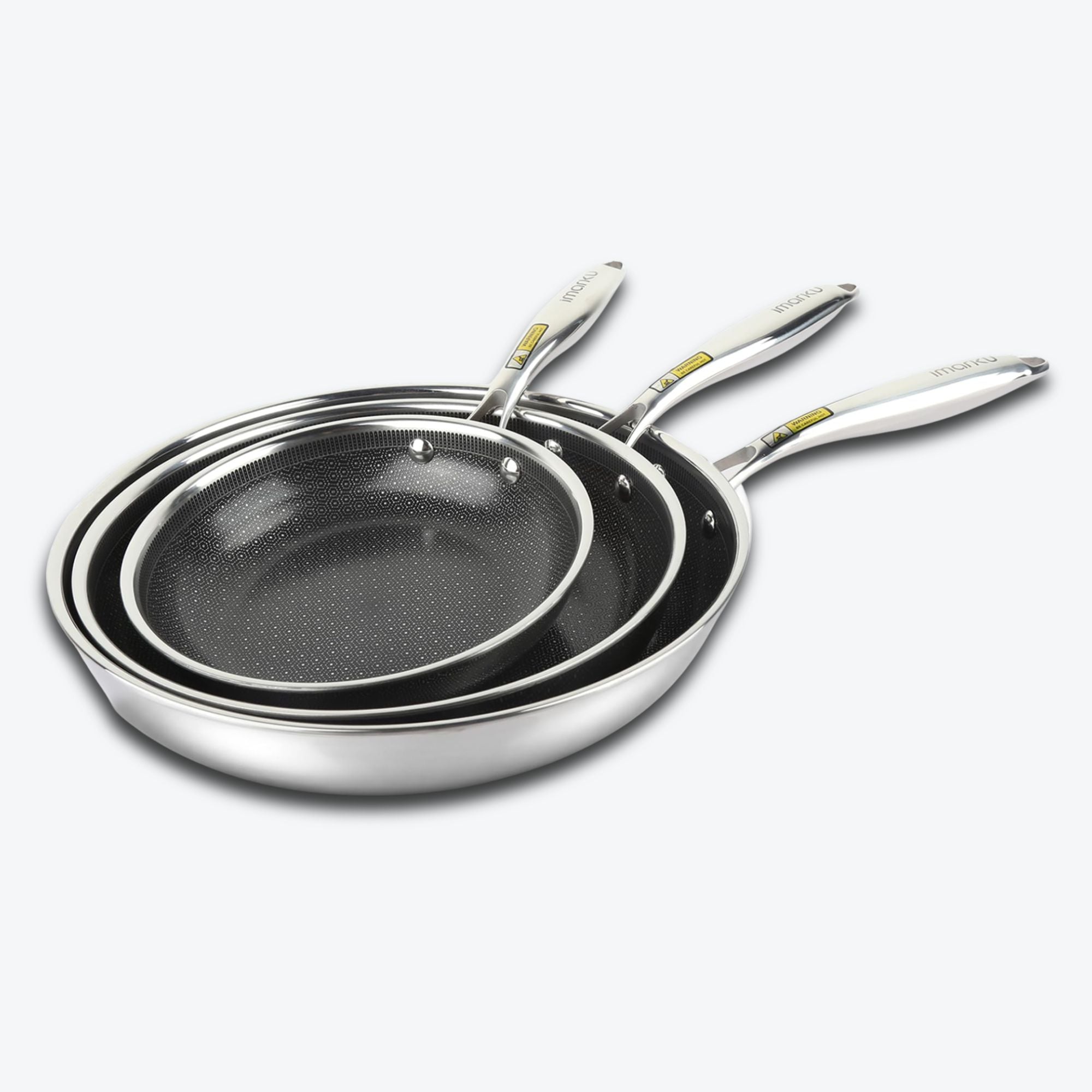
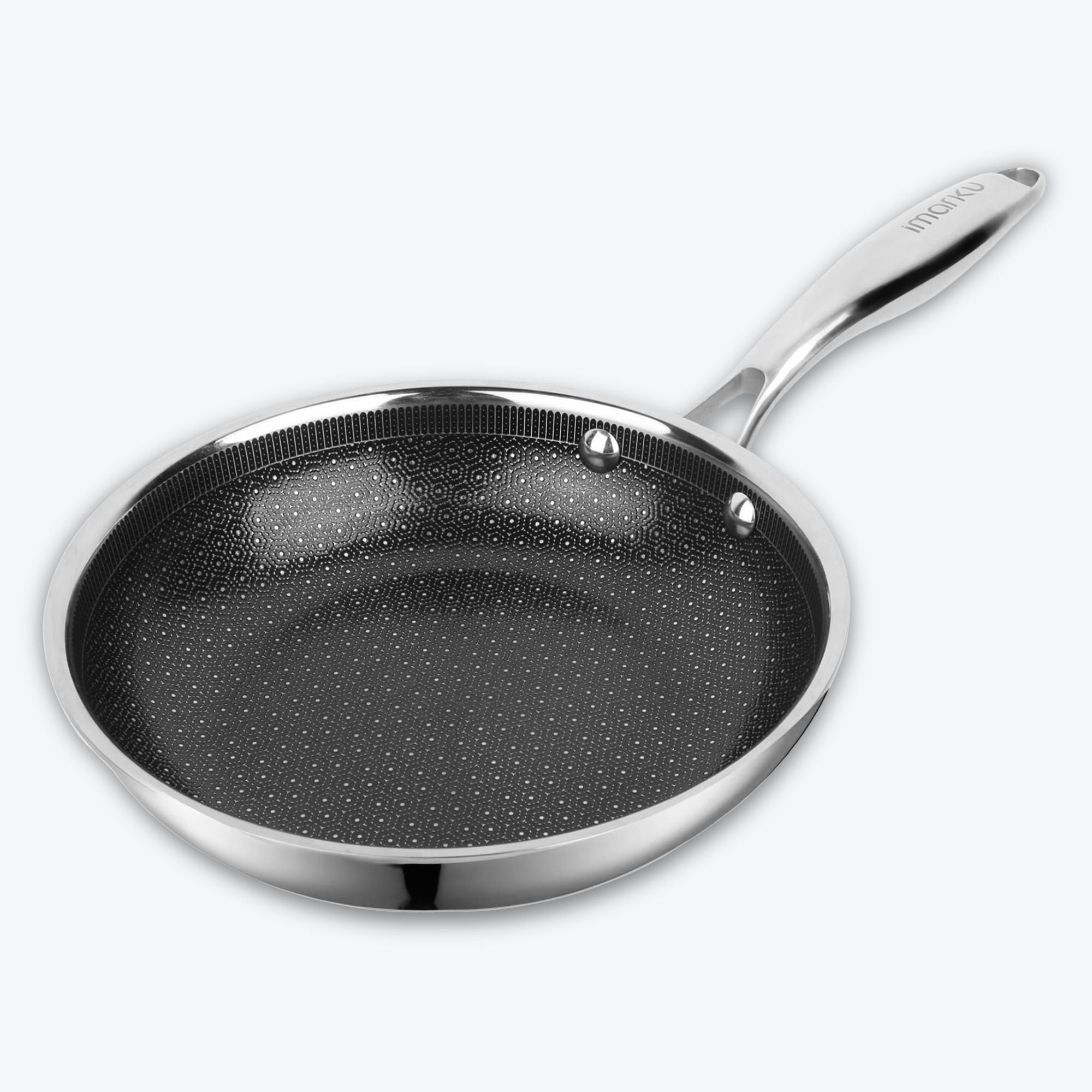
And if one of your goals this year is to cook more efficiently or keep your kitchen more organized, you’re always welcome to explore imarku.net/. We offer a curated selection of high-quality kitchen tools and cookware designed to make cooking easier, faster, and more enjoyable—while helping your kitchen stay clean, functional, and well organized. Whether you’re upgrading your setup or refining your daily routine, the right tools can make all the difference.




Leave a comment
All comments are moderated before being published.
This site is protected by hCaptcha and the hCaptcha Privacy Policy and Terms of Service apply.