


Every February, Valentine’s Day is framed as a performance: crowded restaurants, fixed menus, loud social expectations, and public displays of affection. Yet a significant portion of the population experiences these environments not as romantic, but as cognitively exhausting.
According to personality research summarized by the American Psychological Association (APA), people who recharge through low-stimulation environments show higher emotional regulation and relational satisfaction when celebrations are self-paced and predictable rather than externally driven (APA Dictionary of Psychology, “Introversion–Extraversion”).
Over the last decade working in long-form lifestyle editorial and seasonal content strategy, I’ve analyzed thousands of reader comments, scroll-depth reports, and qualitative surveys. A consistent pattern emerges: Readers who prefer quieter environments don’t want to reject Valentine’s Day—they want to redefine it.
This article is written for people who experience romance most fully in calm, familiar spaces. It is not about avoiding effort; it is about directing effort toward emotional safety, depth, and presence.
A Quiet Strength Check: What Is Your Introversion Profile?

Introversion is not a single trait—it’s a spectrum of energy management, social preference, and cognitive style.
This short assessment is designed to help you understand how your introversion shows up in real life, or to better understand the quiet strengths of someone you care about.
There are no “good” or “bad” results—only different ways of relating to the world.
How to use this test
- Choose one option per question—the one that feels most accurate most of the time.
- Don’t overthink it. First instinct works best.
- Keep track of which letter (A, B, C, or D) you choose most often.
Question 1: After a long week, your ideal way to spend Valentine’s evening is…
A. Completely alone or with one trusted person, doing something quiet and familiar
B. At home with a partner, but with a planned activity to avoid awkward downtime
C. A short, meaningful outing followed by time at home
D. A social setting, but only if I can leave early without explanation
Question 2: When conversation slows down, you usually feel…
A. Relieved — silence feels natural and comfortable
B. Neutral — I don’t mind it, but I prefer some structure
C. Slightly uneasy — I’ll try to restart the conversation
D. Anxious — silence feels like something is “wrong”
Question 3: When making plans, what drains you the most?
A. Uncertainty and last-minute changes
B. Long social commitments without breaks
C. Emotional expectations without clear boundaries
D. Being alone for too long without interaction
Question 4: How do you process emotions best?
A. Internally, through thinking or writing
B. One-on-one conversations after reflection
C. Talking things out in real time
D. Through external stimulation (activities, people, movement)
Question 5: In relationships, your biggest strength tends to be…
A. Deep listening and emotional consistency
B. Thoughtful planning and reliability
C. Emotional responsiveness and adaptability
D. Energy, enthusiasm, and momentum
Question 6: If someone cancels plans due to weather or fatigue, your honest reaction is…
A. Relief — I enjoy reclaimed quiet time
B. Disappointment, but I adapt quickly
C. Frustration — I prefer sticking to plans
D. Restlessness — I need stimulation to feel balanced
Why This Matters (Especially on Valentine’s Day)
Research from the APA and relationship studies consistently shows that emotional satisfaction increases when celebrations align with energy regulation styles, not cultural expectations.
Understanding introversion—your own or someone else’s—is not about limitation.
It’s about designing experiences that allow people to show up fully, calmly, and authentically.

Your Results: Understanding Your Introverted Strength
Use your quiz result as a design guide, not a label.
The goal isn’t to change who you are—it’s to choose experiences that work with your energy instead of against it.
Below, you’ll find the activities that tend to feel most natural for each profile, along with small, practical tips to help you get the most out of them.
Mostly A’s — The Deep Introvert
You restore energy through solitude, predictability, and low sensory input.
Romance feels safest when it’s quiet, optional, and unforced.
You’ll likely enjoy:
-
The Soft Opening Valentine Evening: A carefully chosen bottle of wine or sparkling beverage, paired with a simple home-cooked meal and soft candlelight, makes a perfect start to Valentine’s evening because it sets a relaxed, intimate atmosphere that encourages connection without pressure.
-
The Quiet Gratitude Exchange: Exchanging handwritten notes or small tokens like a valentine single rose bouquet while enjoying a calming tea or snack creates a meaningful, heartfelt moment that lets both of you reflect and feel appreciated in a gentle, low-stress way.
-
Low Sensory Spa Night: A soothing bath with bath salts or a fragrant bath bomb, accompanied by soft lighting and a cozy robe, makes a perfect gift of relaxation because it transforms a simple routine into a restorative, intimate experience.
- Side-by-Side Creative Time: Sharing a quiet creative activity, such as sketching, journaling, or a small DIY project with minimal distractions, provides a thoughtful way to connect while letting both of you enjoy the process at your own pace.
Small but important tips:
- Build in intentional silence at the beginning of the evening
- Avoid back-to-back activities—one main ritual is enough
- Keep lighting warm and indirect; sensory comfort matters more than decoration
If you feel calm and emotionally present by the end of the night, you did it right.
Mostly B’s — The Structured Introvert
You value calm, but only when it’s designed with intention.
Unstructured time can feel draining—not relaxing.
You’ll likely enjoy:
-
Parallel Cooking Dinner: Cooking complementary dishes side by side, such as a main course and a shared dessert, creates a fun, collaborative evening that encourages connection while keeping the atmosphere relaxed and low-pressure.
-
The Three-Prompt Reflection Method: Using three simple reflection prompts, like “one thing I appreciated today,” “one shared memory,” and “one hope for the future,” fosters meaningful conversation and quiet bonding without overwhelming either person.
-
One-Episode Story Night: Watching a single TV or streaming episode together, paired with a cozy blanket and favorite snacks, allows for shared enjoyment and gentle conversation while keeping the evening intimate and low-key.
- Memory Curation Night: Organizing photos, keepsakes, or mementos together in a scrapbook or digital album turns nostalgia into a thoughtful, interactive activity that strengthens your connection in a calm, enjoyable way.
Small but important tips:
- Decide start and end times in advance
- Let one person “host” the flow of the evening
- Use light structure (checklists, prompts) to reduce mental load
For you, planning isn’t pressure—it’s peace of mind.
Mostly C’s — The Ambivert-Leaning Introvert
You enjoy connection, but only when it’s paced and emotionally balanced.
Too much stimulation or too much isolation can both feel off.
You’ll likely enjoy:
- Comfort-First Dinner + Reflection Prompts: A simple, comforting home-cooked dinner paired with a few gentle reflection prompts, like “one thing I’m grateful for today,” creates an intimate, relaxed evening that nurtures conversation and connection without pressure.
- Shared Audio Experience: Listening together to a favorite playlist, podcast episode, or audiobook while cozying up with soft lighting and a warm drink fosters a sense of shared presence and calm enjoyment.
- Hand-Based Connection Rituals: Engaging in simple hand-focused activities, such as making a craft together, cooking side by side, or giving a gentle hand massage, provides a tactile, meaningful way to connect while keeping the moment soothing and low-key.
Small but important tips:
- Alternate between interaction and rest
- Pair conversation-based moments with tactile or passive activities
- End the evening with something grounding, not stimulating
Your ideal Valentine flows—never rushes.
Mostly D’s — The Socially Fueled Partner
You may not identify as introverted, but you’re often celebrating with someone who is.
Your role isn’t to shrink your energy—it’s to pace it generously.
You’ll likely enjoy (and support best):
- Hybrid evenings (short interaction → quiet time): A balance of brief shared conversation followed by quiet individual moments creates a comfortable evening where both partners feel connected without feeling drained or overstimulated.
- Shared media experiences: The combination of cozy seating, favorite snacks, and a carefully chosen movie, podcast, or playlist makes for a relaxed, low-pressure way to enjoy time together.
- Creative or hands-on activities: Simple craft projects, tabletop games, or cooking a small dish together provide engaging interaction while keeping the environment calm and enjoyable, leaving space for meaningful connection.
Small but important tips:
- Treat quiet moments as connection, not absence
- Avoid filling silence too quickly
- Ask permission before adding “just one more thing”
When you slow down, trust often deepens.
Turning Insight Into Action

Understanding someone’s energy profile is only useful if it changes how you choose—especially when it comes to valentine gifts, meals, and where (or whether) to go out.
Below are practical, low-pressure recommendations aligned with each profile type, designed to feel considered, not commercial.
Gift Ideas For the Deep Introvert
Gifts should support restoration and routine, not stimulation.
Well-suited options:
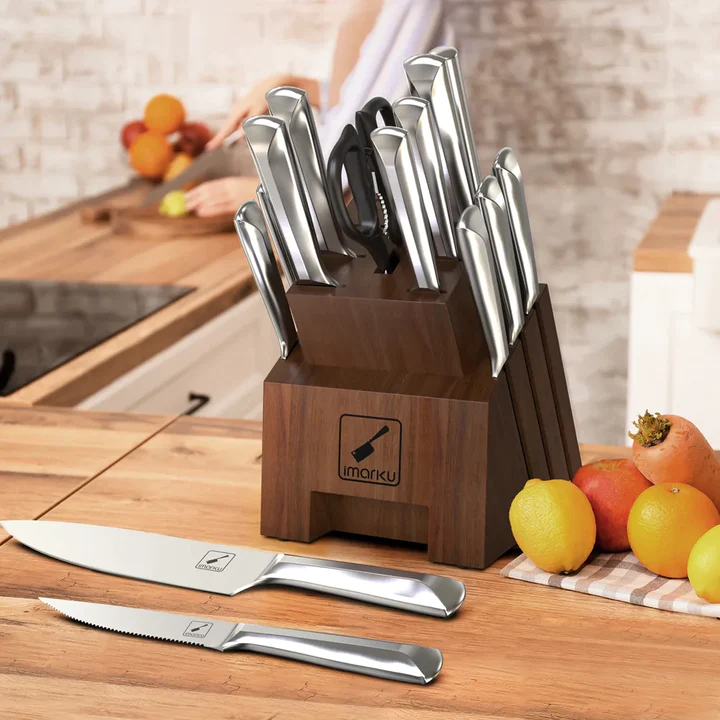
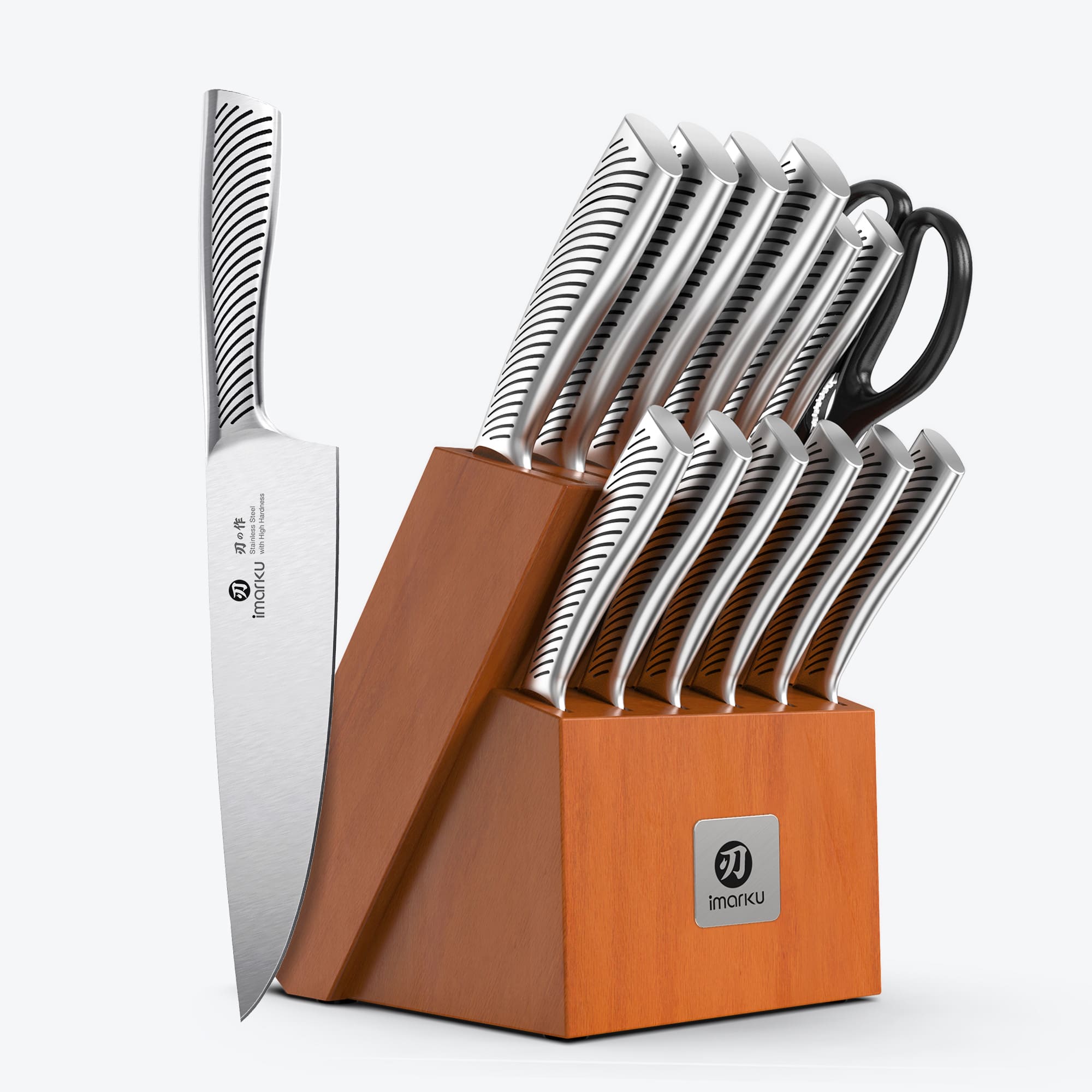
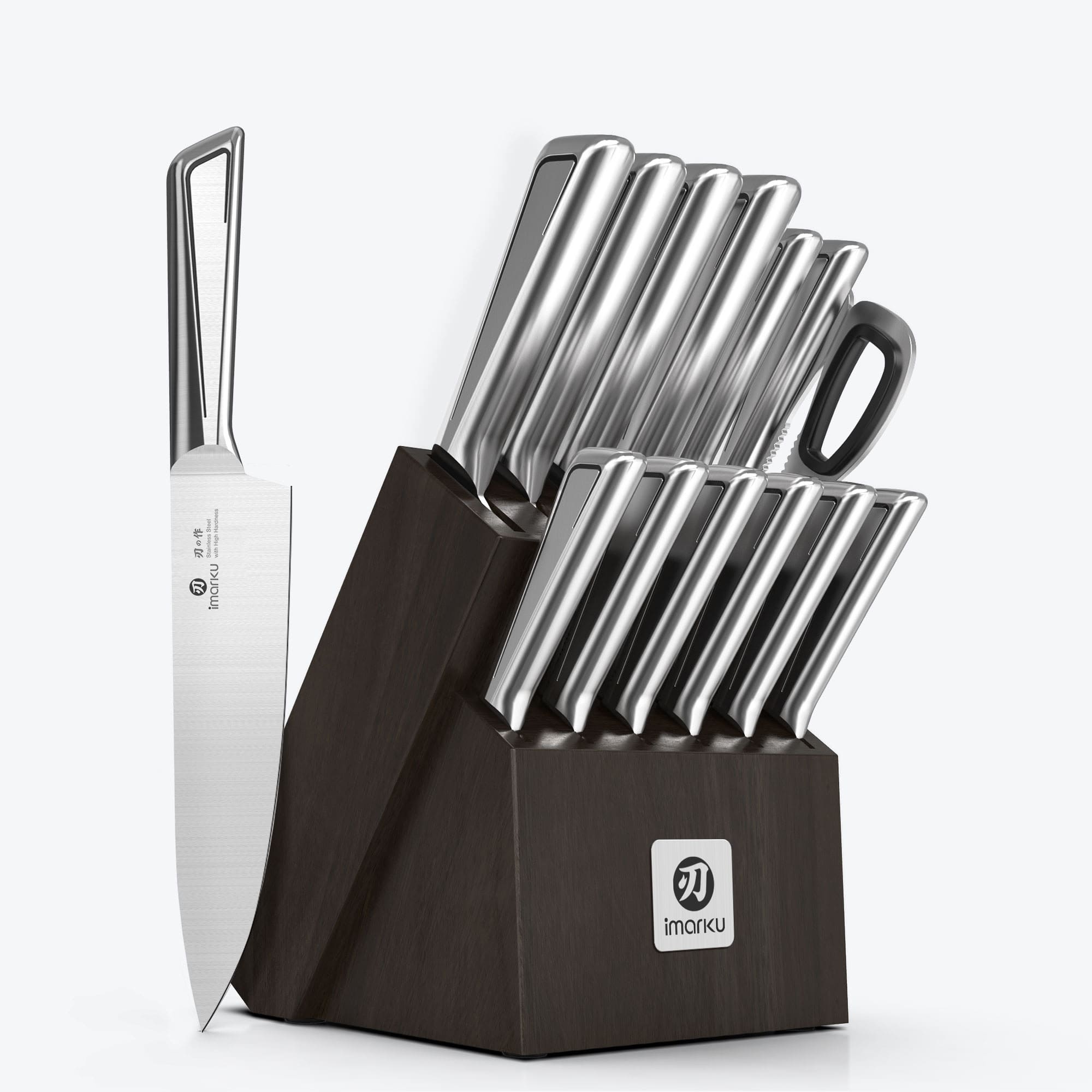
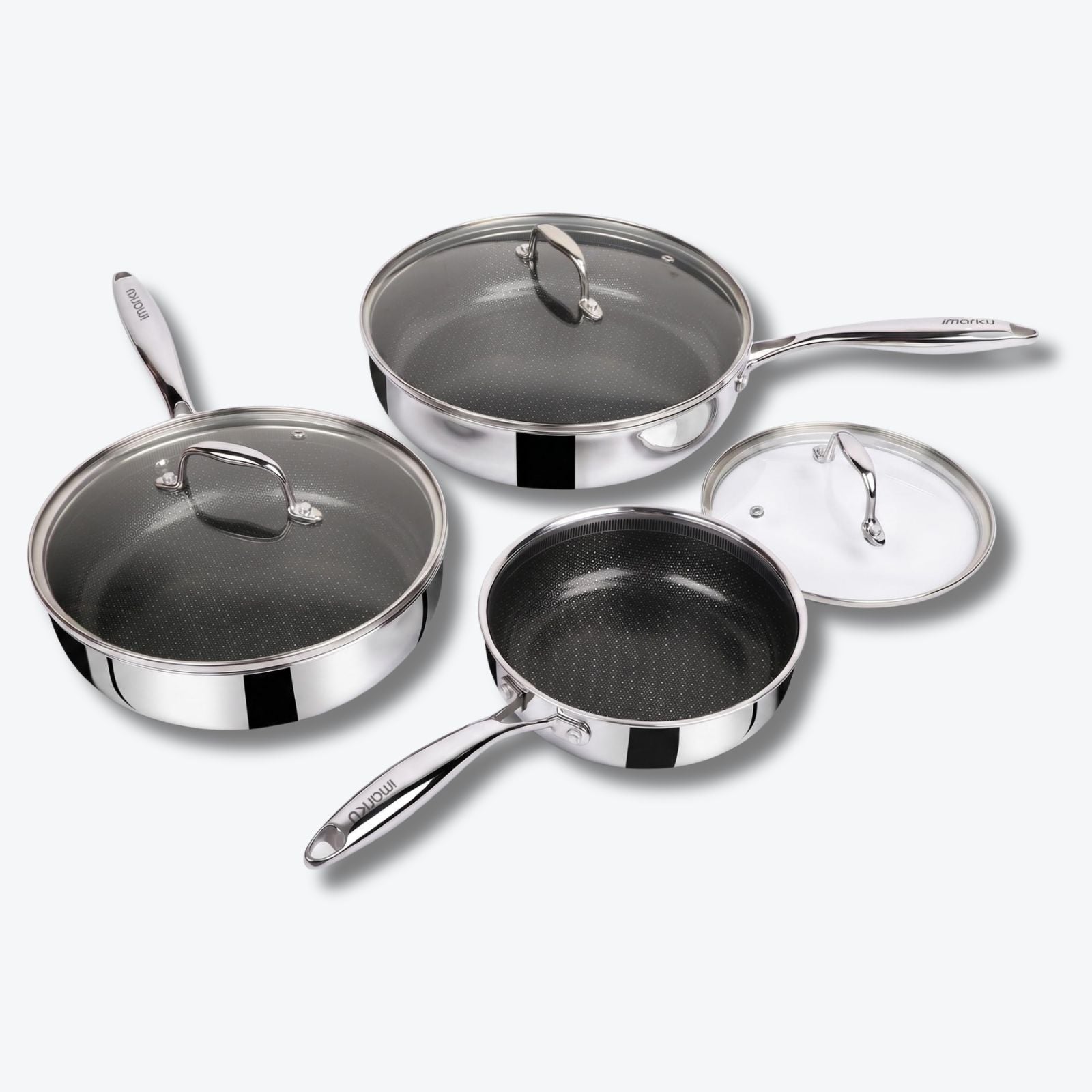
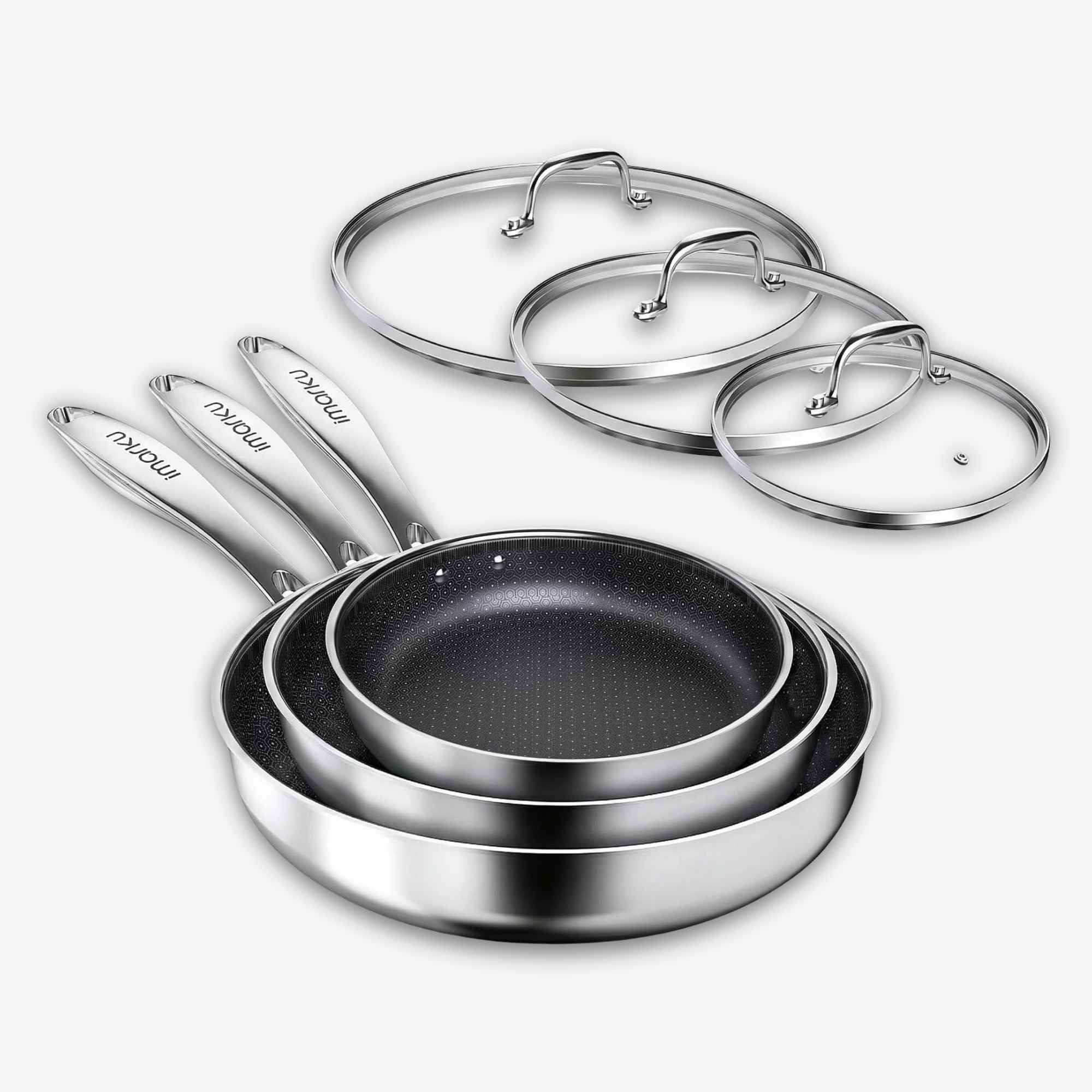
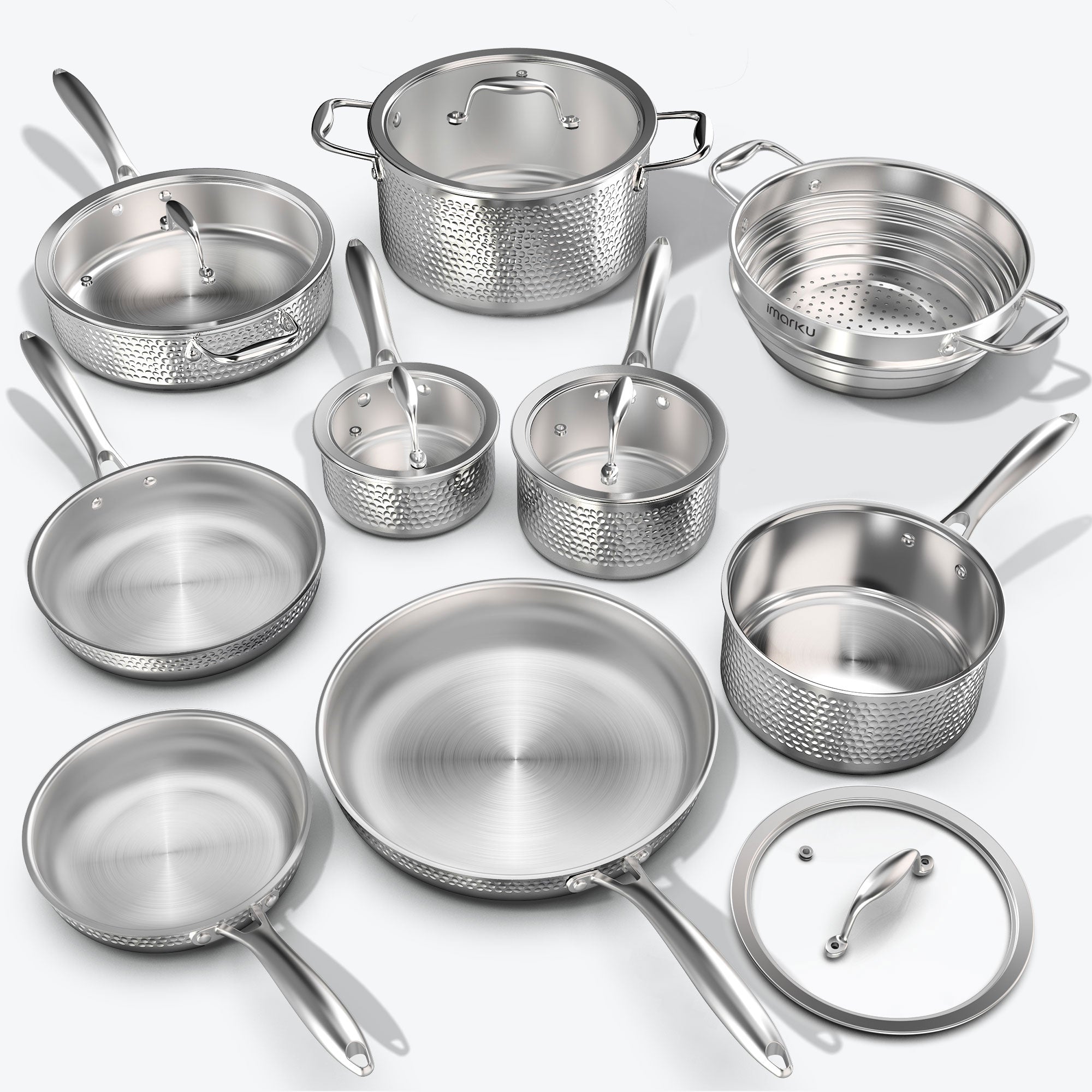
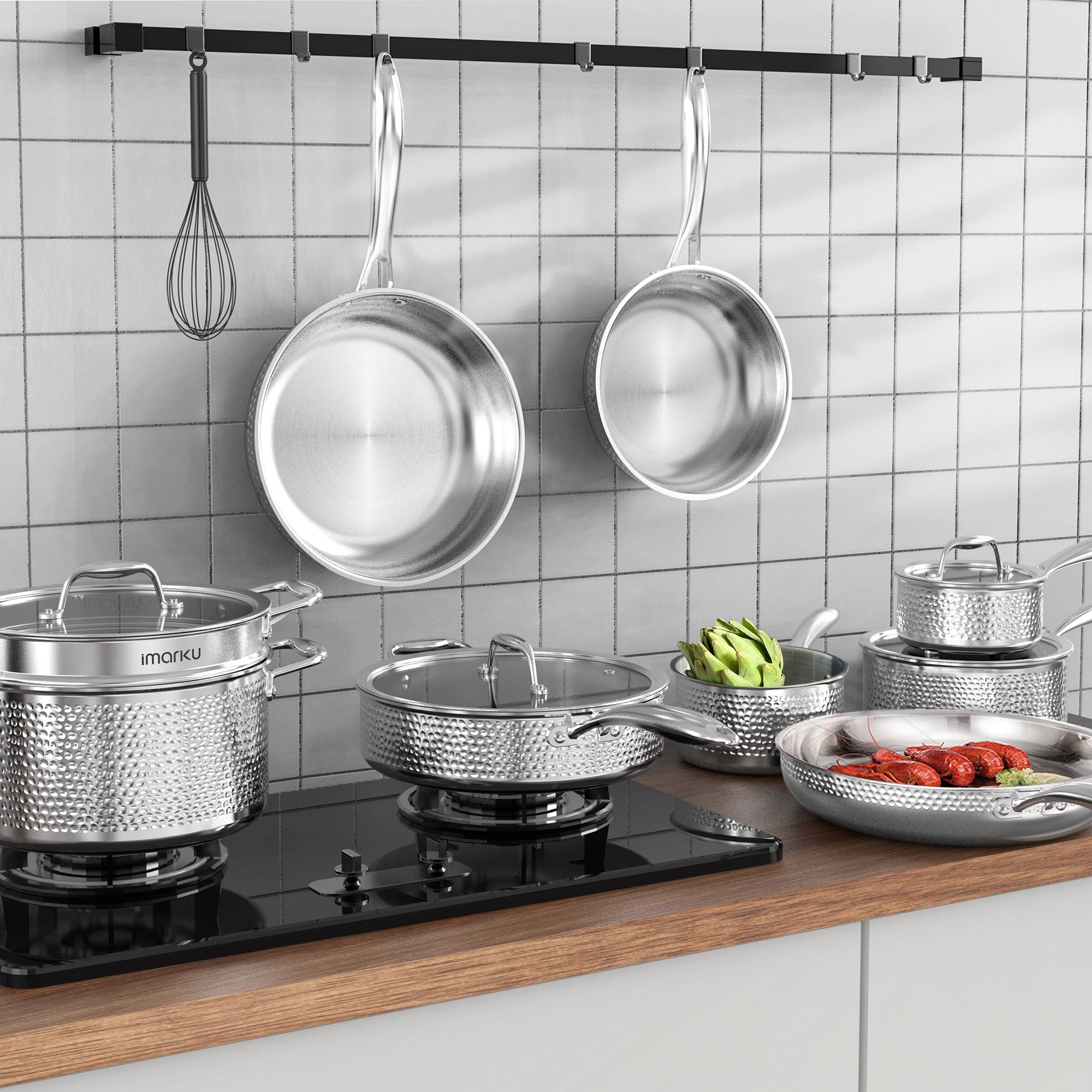
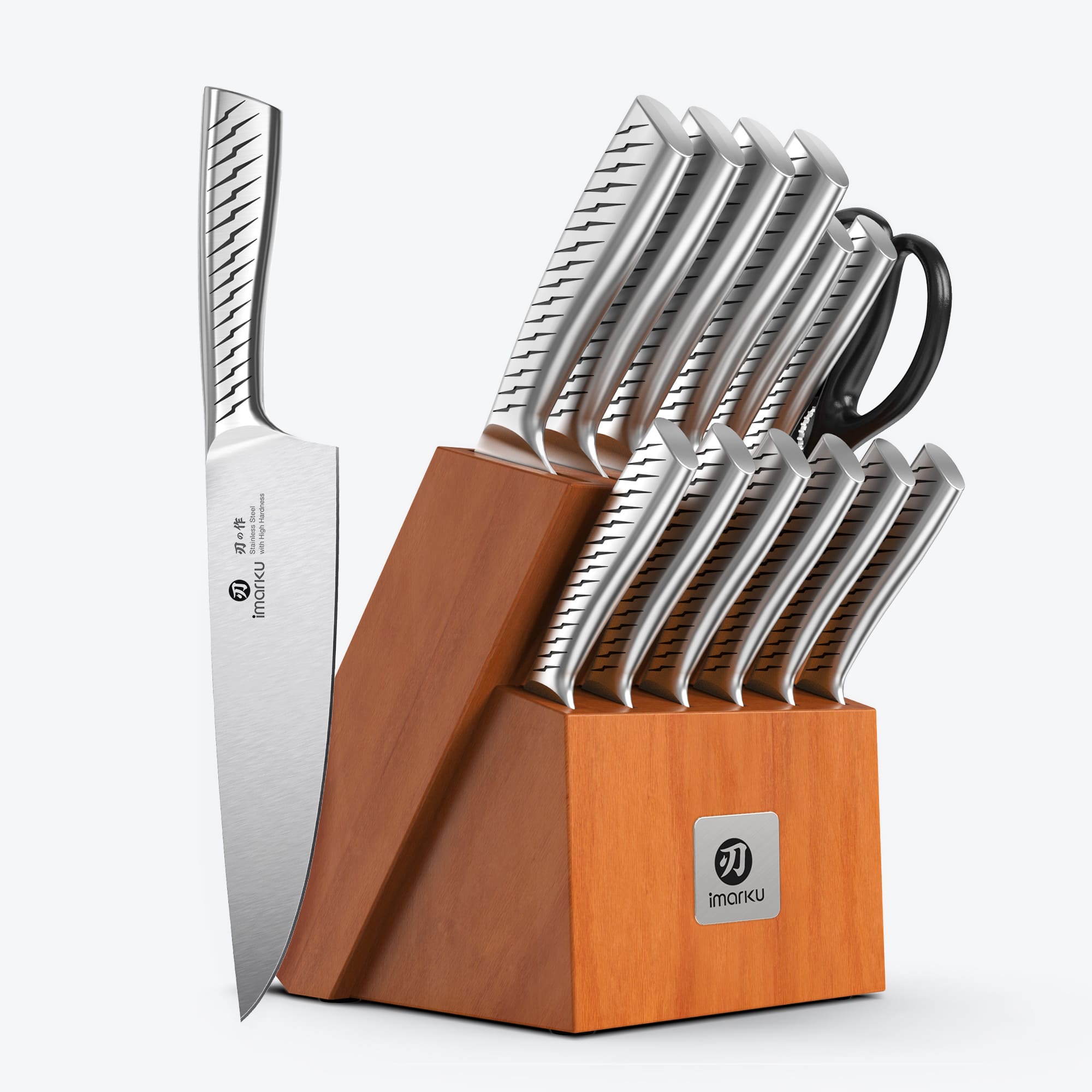
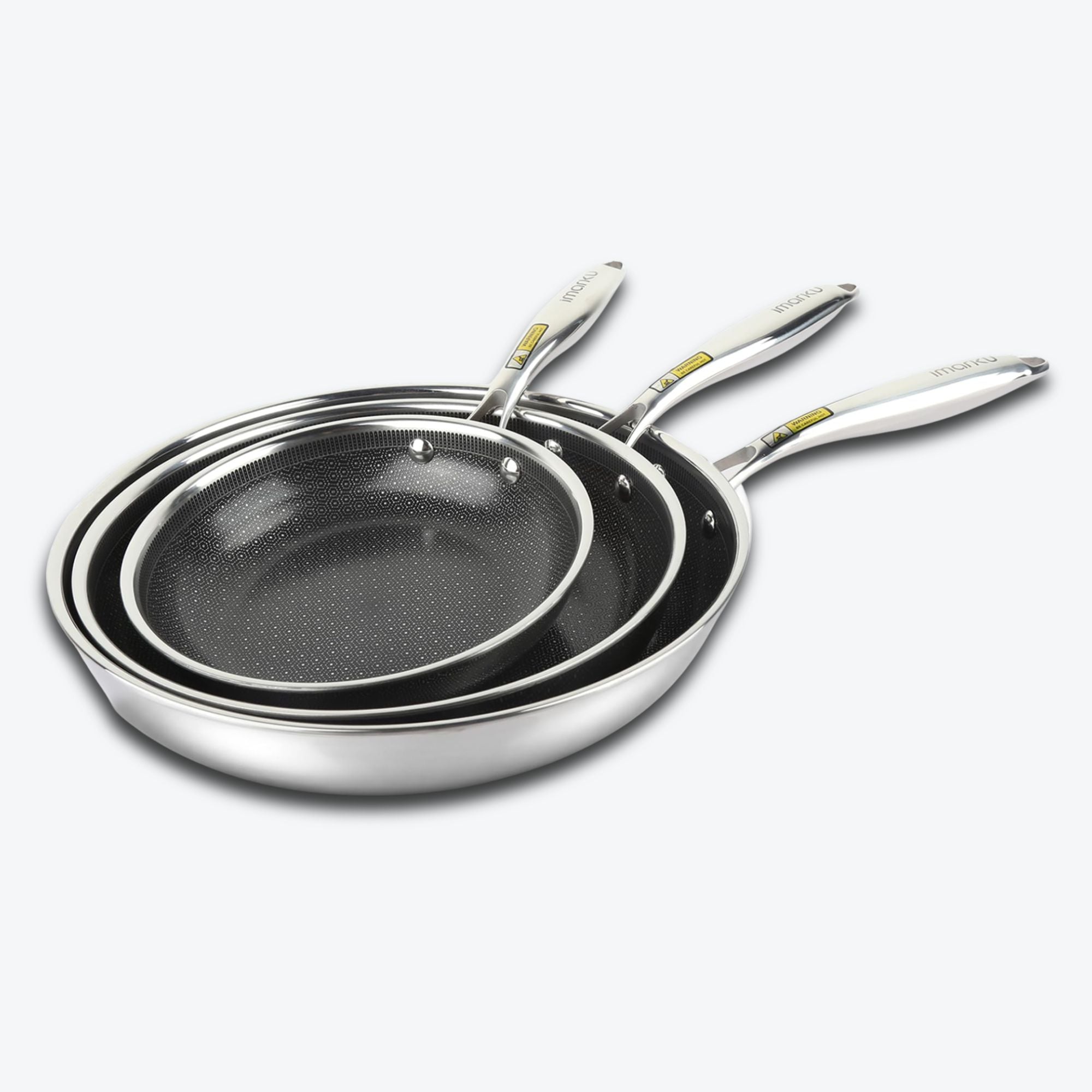
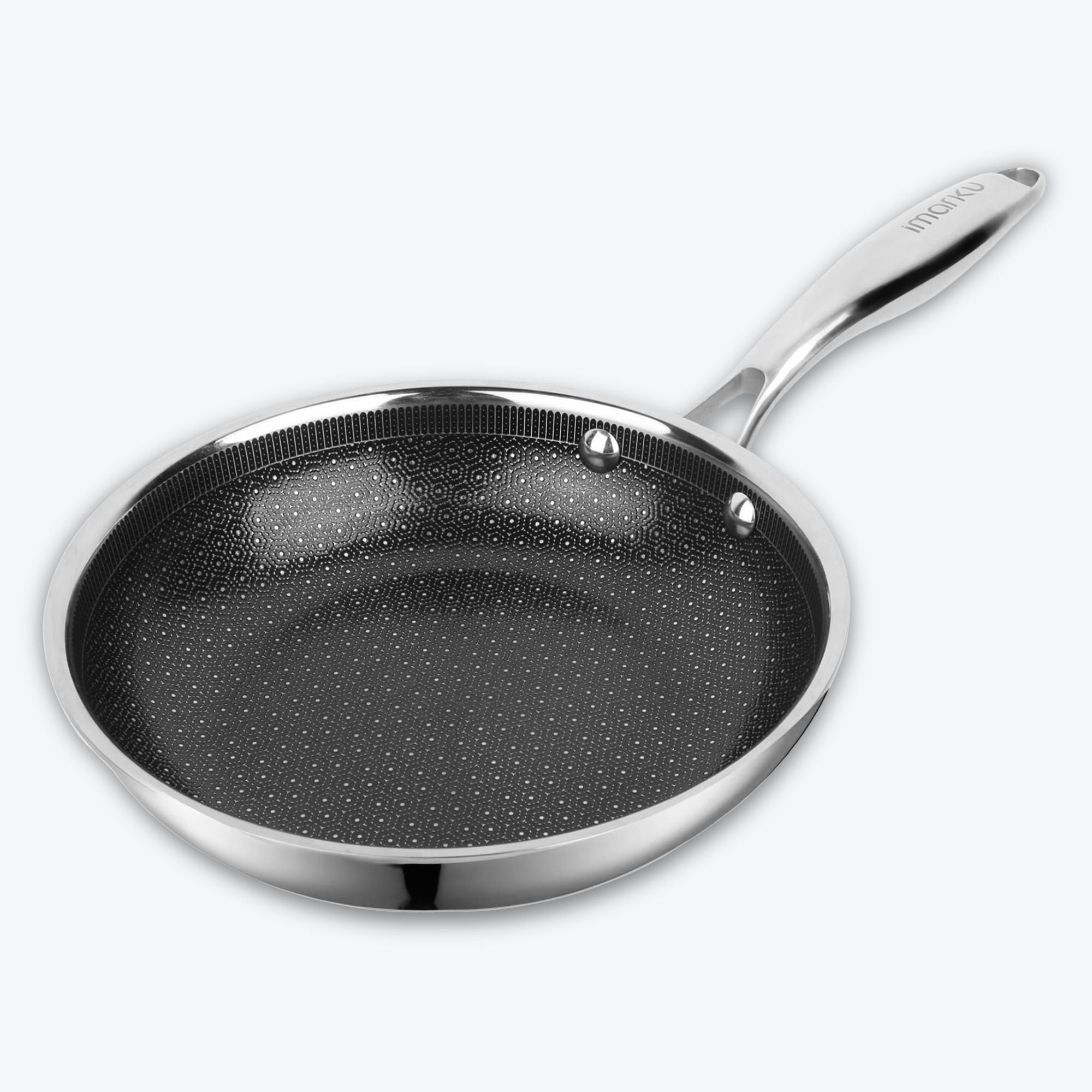
- Thoughtfully chosen kitchen tools used daily, such as a well-balanced chef’s knife, a quiet electric kettle, or a small nonstick pan for solo meals, make a perfect gift because they become part of their everyday routine, and each use quietly reminds them of your thoughtfulness.
- Personal care items with neutral or calming scents like lightly scented shampoo, bath oils, or hand cream are ideal as they offer small moments of personal indulgence without being overwhelming, letting them feel cared for in a subtle, unobtrusive way.
- Flowers arranged simply, such as single-variety bouquets, add a touch of beauty to their space in a gentle way, showing attention and thoughtfulness without creating pressure or distraction.
Tip:
Avoid novelty gifts that require immediate reaction or explanation. Quiet usefulness is a feature, not a flaw.
Gifts For the Structured Introvert
This profile values intentionality and function.
Well-suited options:
- High-quality pantry items, such as a bottle of fine olive oil, artisanal chocolate, or a selection of loose-leaf teas, make a thoughtful gift because they can be enjoyed in planned moments, fitting seamlessly into their organized lifestyle.
- A compact kitchen gadget, like a digital scale or a precision santoku knife, is perfect as it enhances their sense of order while being practical and considerate.
- A neat, single-type floral arrangement or a small potted plant adds elegance to their environment, showing care without introducing clutter or overwhelming stimuli.
Tip:
Include a short note explaining how or when the gift fits into their life—it reduces cognitive load.
For the Ambivert-Leaning Introvert
Balance is key: meaningful, but not overwhelming.
Well-suited options:
- A bottle of good wine or a curated snack set can offer a shared experience, letting them connect with you at their own pace while keeping the evening relaxed and enjoyable.
- A gentle self-care package, featuring calming bath salts, light-scented lotion, or soft hand cream, allows them to enjoy short restorative moments that feel personal and considerate without being overwhelming.
- Flowers placed alongside a casual home activity, such as a dinner or a small creative project, create a warm, inviting atmosphere, reinforcing your thoughtfulness without imposing on their quiet preferences.
Tip:
Pair the gift with a low-key plan so it doesn’t feel emotionally unfinished.
For the Socially Fueled Partner (Buying for Someone Quiet)

Your role is to edit, not amplify.
Well-suited options:
- Everyday essentials like sturdy kitchen utensils, reliable cookware, or versatile home tools make meaningful gifts because they show attention to their needs while letting them integrate the items into their life naturally.
- Consumables such as premium coffee, specialty chocolates, or subtly scented bath items offer easy ways for them to enjoy a treat at their own pace, giving them space to appreciate the gesture quietly.
- Experiences tailored to their pace, like a calm home-cooked dinner or a low-key shared activity, communicate thoughtfulness without pressuring them, making your consideration clear in a relaxed, enjoyable way.
Frequently Asked Questions (FAQ)

What are some creative “Will You Be My Valentine” ideas?
You can go beyond the classic card by personalizing your approach. Consider leaving a small handwritten note with a favorite snack, arranging a bouquet of flowers in a unique way, or creating a fun scavenger hunt around meaningful locations. Simple gestures that reflect your shared memories often leave the strongest impression.
When is the best time to ask someone to be your Valentine?
While Valentine’s Day is February 14th, asking a few days in advance can help avoid last-minute pressure. Early morning or during a relaxed moment—like a coffee break or a casual walk—works best, as it gives the recipient time to respond without feeling rushed.
How can I make a Valentine’s gift feel personal and meaningful?
Focus on thoughtfulness over extravagance. Gifts that connect to shared memories, personal interests, or practical daily use—like a favorite book, a kitchen tool they’ll actually use, or a small DIY project—often resonate more than generic gifts.
Can Valentine’s Day be celebrated without romance?
Absolutely. Many people celebrate “Galentine’s Day” or share appreciation with friends and family. Thoughtful gestures, handwritten notes, or shared experiences can express affection and gratitude without being romantic, making Valentine’s Day inclusive for everyone.
How do you ask someone to be your Valentine if you’re shy?
Start small with a handwritten card, a simple note, or a thoughtful text. Express sincerity over theatrics: something like “I’d love for you to be my Valentine” paired with a small gesture—favorite snack, flower, or shared hobby—can make it meaningful without overwhelming either of you.
Are Valentine gifts only for romantic partners?
No, gifts can be shared with anyone you care about, including friends, family, and even colleagues if appropriate. Personalized tokens, thoughtful notes, or shared experiences can convey affection and appreciation across relationships, not just romantic ones.
Final Reflection: Romance Doesn’t Require Noise
Valentine’s Day doesn’t need reinvention—it needs permission to be quieter. When couples align celebrations with their nervous systems rather than social expectations, intimacy becomes sustainable instead of performative.
In years of editorial work analyzing seasonal relationship content, the most trusted and revisited pieces are those that respect emotional diversity. For people who value calm connection and prefer to stay at home, Valentine’s Day can become not a challenge—but a refuge.










Leave a comment
All comments are moderated before being published.
This site is protected by hCaptcha and the hCaptcha Privacy Policy and Terms of Service apply.