
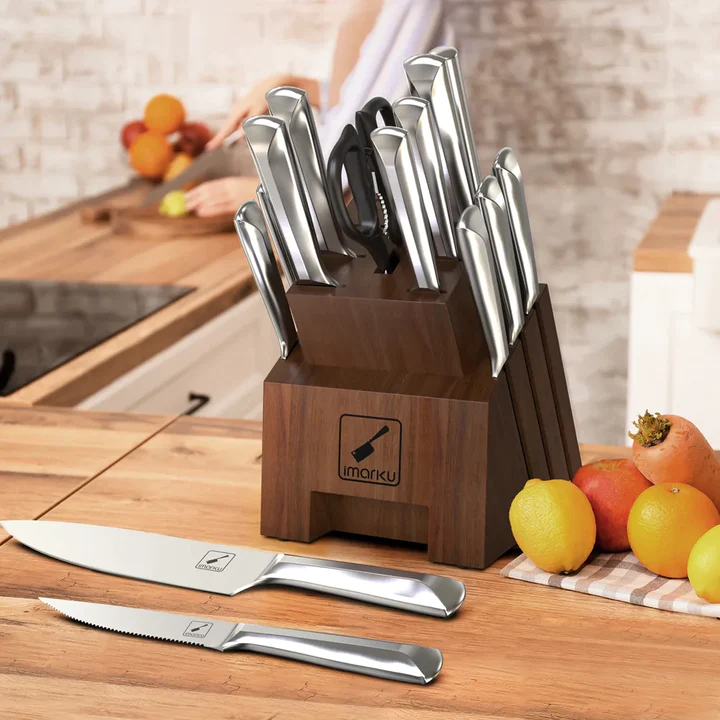
Knives are found in kitchens, and it's an essential tool for anyone who cooks. But knives are created differently with different purposes. You can't just use any knife to do everything and expect great results. If you're a pitmaster, it's important to find a good barbecue knife.
Not everyone knows about knives since most people don't pay attention to this. But it's an important thing to learn if you want to have the right one. Knowing the anatomy of a knife will help you to choose the right blade to prepare the ingredients for your dishes.
What are the Parts of A Knife?
Though there are many different types of knives, nearly every knife serves a similar function. We are most familiar with the two parts: handle and blade. But there are actually many parts of a knife that may not be so easy to identify. It's important to learn about its parts to know if it's the perfect kitchen gear for you. Not all knives are created equally. Learning about them will help you find what to use for your purpose.
Shortcuts for Different Knives
Multipurpose Knives
Meat Knives
Vegetable & Bread Knives
Fish Knives
Japanese Knives
Hammered Knives
German Knives
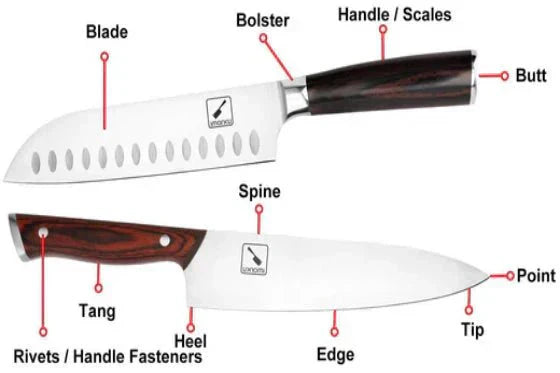
What are the 11 Parts of A Knife?
Parts of the Blade

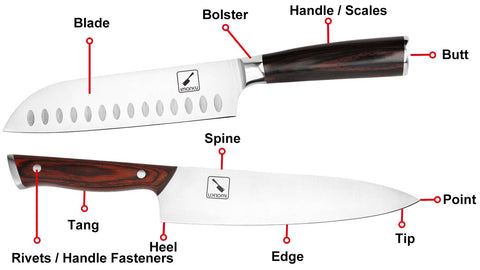
This part leads to the knife handle, and it's an unsharpened part of the blade. If you want to have a stronger knife, a full tang is a good choice. It's much stronger compared to the partial tang knife. A full tang knife is best for kitchen and heavy-duty use.
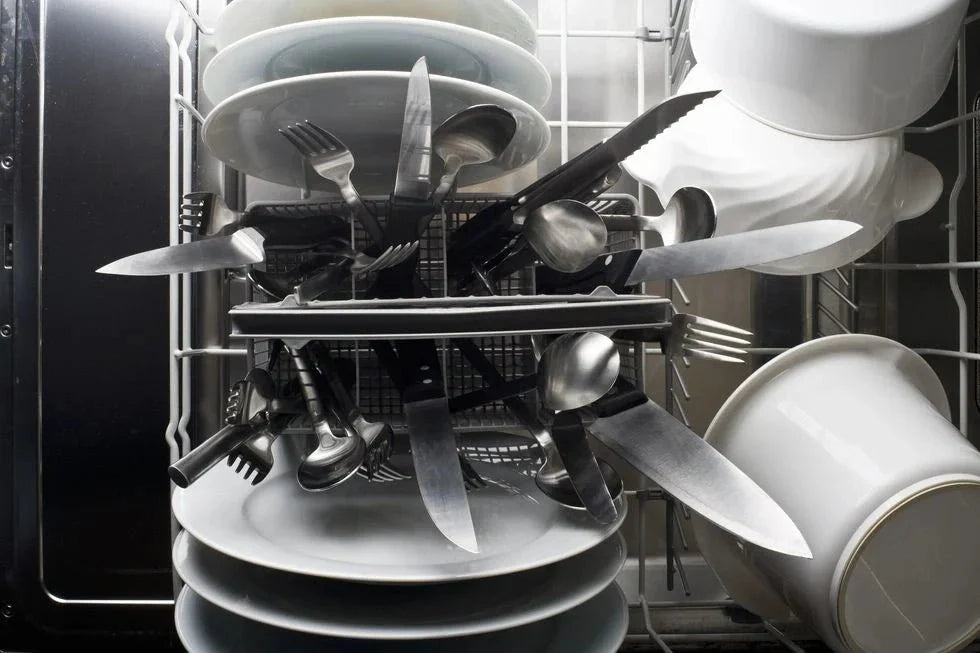
In addition to proper care and sharpening, knowing when must a knife be cleaned and sanitized is essential to prevent cross-contamination, maintain food safety, and ensure long-lasting performance and safe use in the kitchen.
Edge
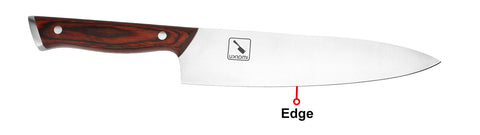
The edge is the long, sharpened part of the blade and is responsible for all cutting actions. It is a fundamental knife part found on every type of knife, including chef’s knives, paring knives, and utility knives. The edge is used for essential kitchen tasks such as slicing, mincing, dicing, chopping, and other precision cutting jobs. A properly sharpened edge improves cutting efficiency, enhances control, and reduces the effort required during food preparation, especially for serrated knife. Regular maintenance of the edge is essential for consistent performance, safety, and long-term knife durability.
Spine
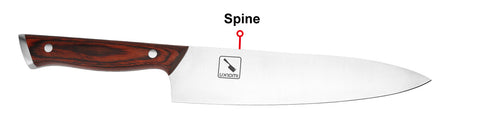
The spine is the unsharpened back of the blade, positioned opposite the cutting edge, and is typically the thickest part of a knife. Its primary function is to provide structural strength, stability, and balance during cutting tasks. A thicker spine allows the knife to withstand greater pressure, making it more suitable for heavy-duty cutting, while a thinner spine offers improved agility and precision. Understanding the role of the spine helps users evaluate a knife’s durability, control, and suitability for different kitchen tasks.
Heel

The heel is the rear part of the blade, located closest to the handle when holding a knife. It marks the end of the cutting edge and provides added leverage and control during cutting motions. The heel features an unsharpened back section, allowing users to maintain a safe grip and reducing the risk of accidental cuts. Similar to the spine, the heel is designed to be blunt for safety, making it especially useful for controlled, powerful cuts and stable handling.
Tip and Point

The tip, also known as the point, is the front-most part of the blade and plays a crucial role in precision tasks. It is specifically designed for detailed cutting, piercing, trimming, and delicate work such as scoring, mincing, or removing seeds. A well-defined tip allows for greater control and accuracy, making it essential for both professional chefs and home cooks. The shape and sharpness of the tip can vary depending on the knife type, directly influencing how the knife performs in fine, controlled movements. Understanding the function of the tip (point) helps users select the right knife for specific kitchen tasks and use it more safely and effectively.
Parts of the Handle
Tang

This part leads to the knife handle, and it's an unsharpened part of the blade. If you want to have a stronger knife, a full tang is a good choice. It's much stronger compared to the partial tang knife. A full tang knife is best for kitchen and heavy-duty use.
Rivets

A small and crucial connection that keeps the blade and handle intact. The rivets come in different styles, but they work the same. Without the rivets, the blade and the handle will not be together. A knife without a handle is not a safe kitchen tool to use by anyone.
Scales

In a full tang knife, scales are the material of the knife handle. It's commonly made of wood, plastic, and steel. The scales make the knife's handle have a comfortable grip. It also ensures that the handle is not slippery. The knife can get wet, especially when using it for chopping fruits and vegetables.
Bolster

The bolster is the strengthening element of the knife. It's located where the blade meets the handle. This also serves as a space between the handle and the blade. It's mostly present with Western-style knife designs. The traditional Japanese-style knives don't have a bolster. But they are now creating hybrid knives with it.
Pommel

The pommel is the knife's butt since it's at the opposite end from the point. Although it comes in different shapes, it's not usually being used. But it can help the knife to be sturdy as it will stick towards the end. That will allow extra grip away from the blade.
What to Look For?
The Sharpness of the Blade
When looking for a knife, the blade must be sharp. The sharpness of the blade will make cutting, chopping, slicing, and other cutting jobs easier. Having a blunt knife will make you more prone to accidents. It's important to choose the right sharpness of the knife that you will need for your kitchen.
Knife Tang Depending On Purpose
A full tang knife may sound appealing to you because it's more sturdy. But not every purpose needs a full tang knife. A partial tang knife may be better if you're not planning to use it heavily. Depending on how you will use the knife, choose a knife tang accordingly.
The Wideness of the Spine to Take Pressure
Different knives are created for different purposes. You have to choose the wideness of the spine depending on how you will be using it. The wider the spine of the knife, the more it can take the pressure. Choosing a knife with a wide spine will also make it last longer.
Connection of the Blade to the Handle
Look for a knife that has a good connection to the handle. That way, the knife will not end up being disconnected from the handle. Make sure that the rivets are present since it will ensure the blade and handle stay together. That will avoid kitchen accidents and the risk of cutting yourself.
Sloped Bolster or Functional Shape
Most of the knife comes with a sloped bolster. It extends through the bottom of the blade. It can prevent contact with the blade as you use it. A functional shape bolster will allow you to use the full knife edge when chopping. It also allows you to have a more effective grip.
Made of High-Quality Steel
The quality of steel will affect the knife's performance. You don't have to buy an expensive one. High-maintenance carbon steel or legendary Damascus steel will be a great choice. It will last for a long time if you take good care of it. High-quality steel is a good investment when it comes to knives.
Conclusion
Now that you know about knives, you already have a better idea of which will best suit your needs. Knowing this information will help you to choose the best knife for different purposes you might have. Finding the best one will help make your job easier and faster. So, make sure to look for a knife that will help you the most.
FAQs
What is a tang and why is full tang important?
The tang is the part of the knife blade that extends all the way into the handle. A full tang, where the metal runs the entire length of the handle, makes the knife stronger, better balanced, and safer to use. Partial tang knives are lighter, but they may not be as durable under heavy use. Knife designers often consider tang construction essential for control, long-term durability, and safe kitchen use.
What is the purpose of rivets on a knife handle?
Rivets are the small metal fasteners that hold the handle scales firmly to the tang. They keep the handle secure and prevent it from loosening over time. Without properly installed rivets, a knife handle can come apart, which is dangerous. High-quality knives use durable materials like stainless steel or brass for rivets to ensure both safety and hygiene.
How do knife parts affect kitchen safety?
Every part of a knife matters for safe handling. A sharp edge, a stable tang, non-slip handle scales, and secure rivets all reduce the risk of accidents. The bolster and heel further protect your hands and improve control. Knowing the anatomy of your knife helps you cut efficiently and safely, whether you’re chopping vegetables, filleting fish, or preparing meat.
Why is it important to know when must a knife be cleaned and sanitized?
Proper cleaning and sanitizing keep your knife safe and hygienic. Bacteria can accumulate on the edge, tang, and handle scales if knives aren’t cleaned after use, especially after cutting raw meat, seafood, or prolonged tasks. Understanding when a knife must be cleaned and sanitized helps prevent cross-contamination, protects your health, and keeps your knife performing at its best.
How does knife design differ between Western and Japanese knives?
Western knives often have a bolster and a thicker spine, which adds durability and protects your hands during cutting. Japanese knives tend to be lighter and sharper, focusing on precision and agility, and they usually don’t have a bolster. Some modern knives combine features from both styles, offering balance, safety, and versatility. Knowing these differences can help you pick the right knife for your cooking style and tasks.



Leave a comment
All comments are moderated before being published.
This site is protected by hCaptcha and the hCaptcha Privacy Policy and Terms of Service apply.