
TABLE OF CONTENTS
- >What actually makes the best sushi knives different?
- >Do you really need a traditional sushi knife at home?
- >What is a yanagiba, and why do chefs love it?
- >A few sushi knives I actually recommend (and why)
- >How do you choose the right knife for your kitchen?
- >How should you care for a sushi knife?
- >Are sushi knives only for fish?
- >Common questions I hear from home cooks
- >Final thoughts
After more than a decade working in professional kitchens—and a fair number of late nights teaching friends how to roll their first maki—I can tell you this: the knife you use makes a bigger difference than most people expect. When home cooks ask me about the best sushi knives, they’re usually thinking about sharpness. That’s part of it, sure, but it’s really about control, consistency, and respect for the ingredient.
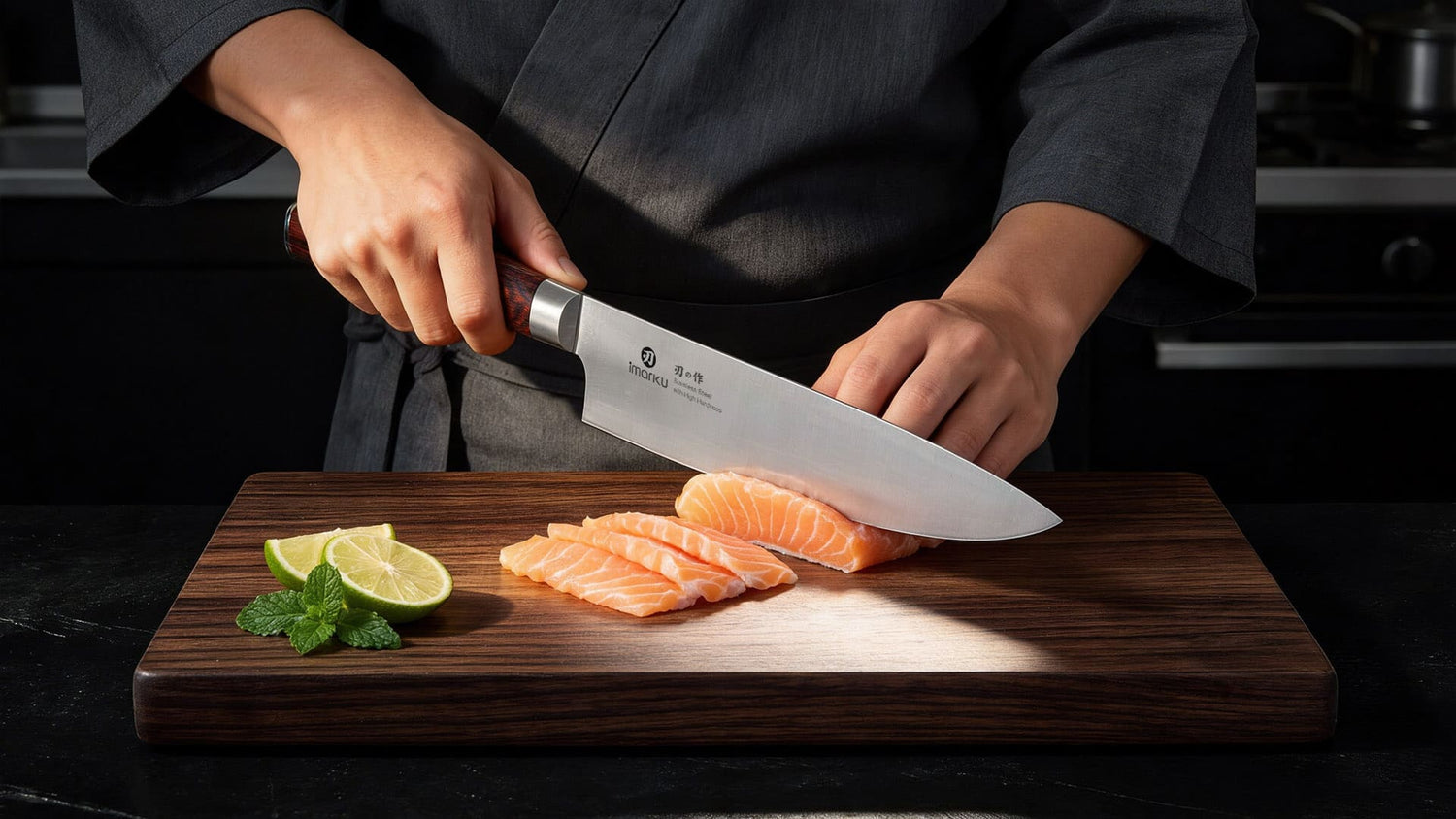
Sushi is delicate. Fish tears easily. Rice falls apart if handled roughly. A proper sushi knife is designed to glide through food in a single motion, leaving clean edges instead of ragged ones. That difference shows up immediately on the plate—and even more when you take a bite.
You’ll hear a lot about Japanese craftsmanship, and for good reason. Many of the traditions behind sushi knives go back centuries. But don’t worry—you don’t need to be a master sushi chef to benefit from them. You just need the right tool for where you are right now.
What actually makes the best sushi knives different?

The short answer? They’re built to slice, not chop.
Most Western knives are designed for versatility—rocking cuts, chopping herbs, splitting vegetables. Sushi knives are different. They’re meant to move in one direction, usually a smooth pull toward you, creating a clean, uninterrupted cut.
In my early years, I made the mistake of using a standard chef knife for everything, including sashimi. It worked… technically. But the fish always looked slightly crushed, like it had been pressed instead of sliced. Once I switched to a proper slicing knife, the difference was immediate.
A few things really set sushi knives apart:
- Long, narrow blades that let you cut in one stroke
- Thinner edges that reduce resistance
- Often harder steel, which holds a sharper edge longer
There’s also the question of single-bevel versus double-bevel edges. Traditional Japanese sushi knives are single-bevel, meaning they’re sharpened on one side only. That creates incredibly precise cuts—but they take practice. For most home cooks, a double-bevel knife is easier to control and more forgiving.
Do you really need a traditional sushi knife at home?
Honestly? Not always.
If you’re making sushi once a month, you can get by with a good santoku or even a well-sharpened chef knife. I still use a santoku at home when I’m doing quick weeknight prep—it’s lighter, versatile, and less fussy.
But if you’re starting to enjoy the process—maybe hosting friends, experimenting with different fish, or trying to plate things nicely—then a dedicated sushi knife starts to make sense.
It’s similar to upgrading from a basic frying pan to a proper cast iron. You can cook with both, but one gives you more control and better results.
What is a yanagiba, and why do chefs love it?

If you’ve ever watched a sushi chef at work, you’ve probably seen a long, elegant knife slicing through fish like it’s barely there. That’s a yanagiba.
It’s the traditional sushi knife, and it’s designed specifically for slicing raw fish. The blade is long—usually 9 to 12 inches—and extremely sharp. More importantly, it’s meant to cut in a single, smooth motion.
What makes it special is the way it preserves the structure of the fish. Instead of sawing back and forth, you pull the blade through once. That reduces cell damage, which means better texture and a cleaner look.
That said, the yanagiba isn’t for everything. Before you even get to slicing, you still need to break down the fish. That’s where a fillet knife comes in. It’s flexible and designed for removing skin and bones. Think of it as the prep tool, while the yanagiba is the finishing tool.
A few sushi knives I actually recommend (and why)

Over the years, I’ve tested a lot of knives—some fantastic, some overpriced, some just plain disappointing. Here are a few that I think hit the sweet spot for home cooks.
| Knife Model | Price Range | Best For | Why I Like It |
|---|---|---|---|
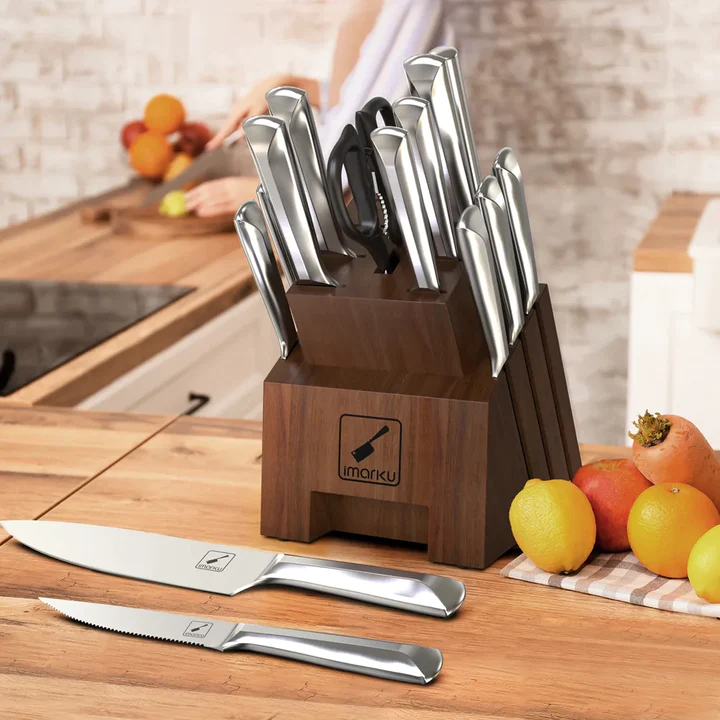
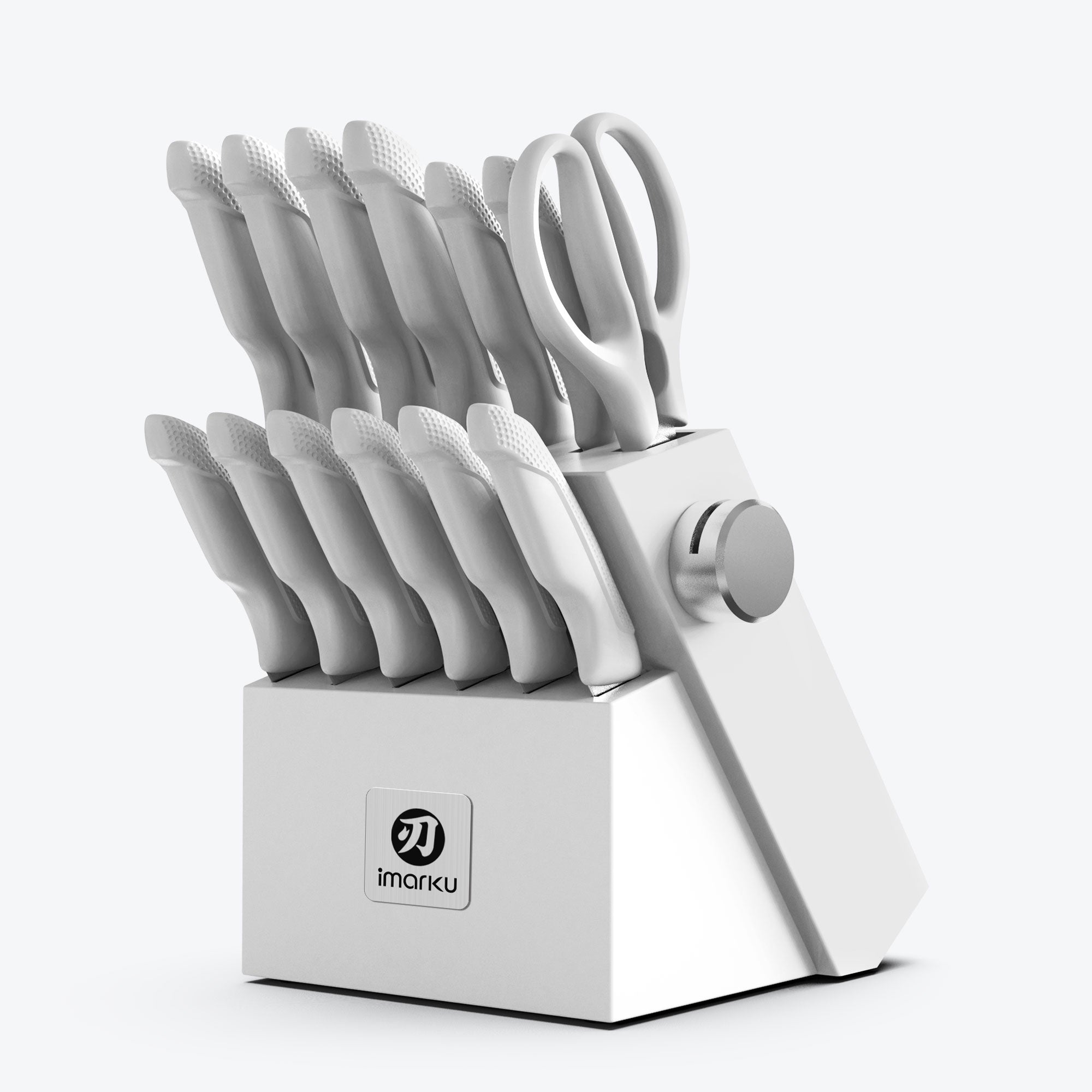
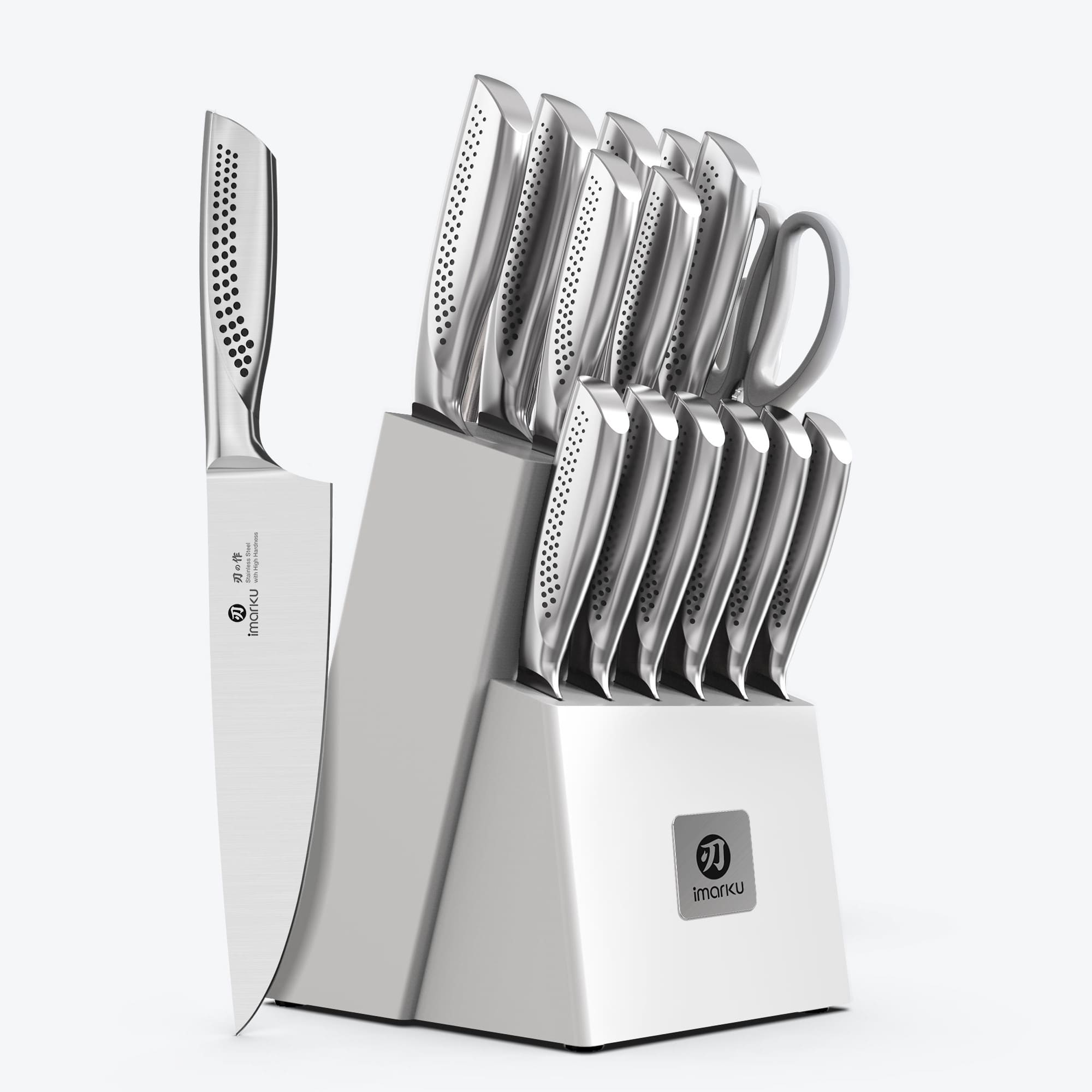
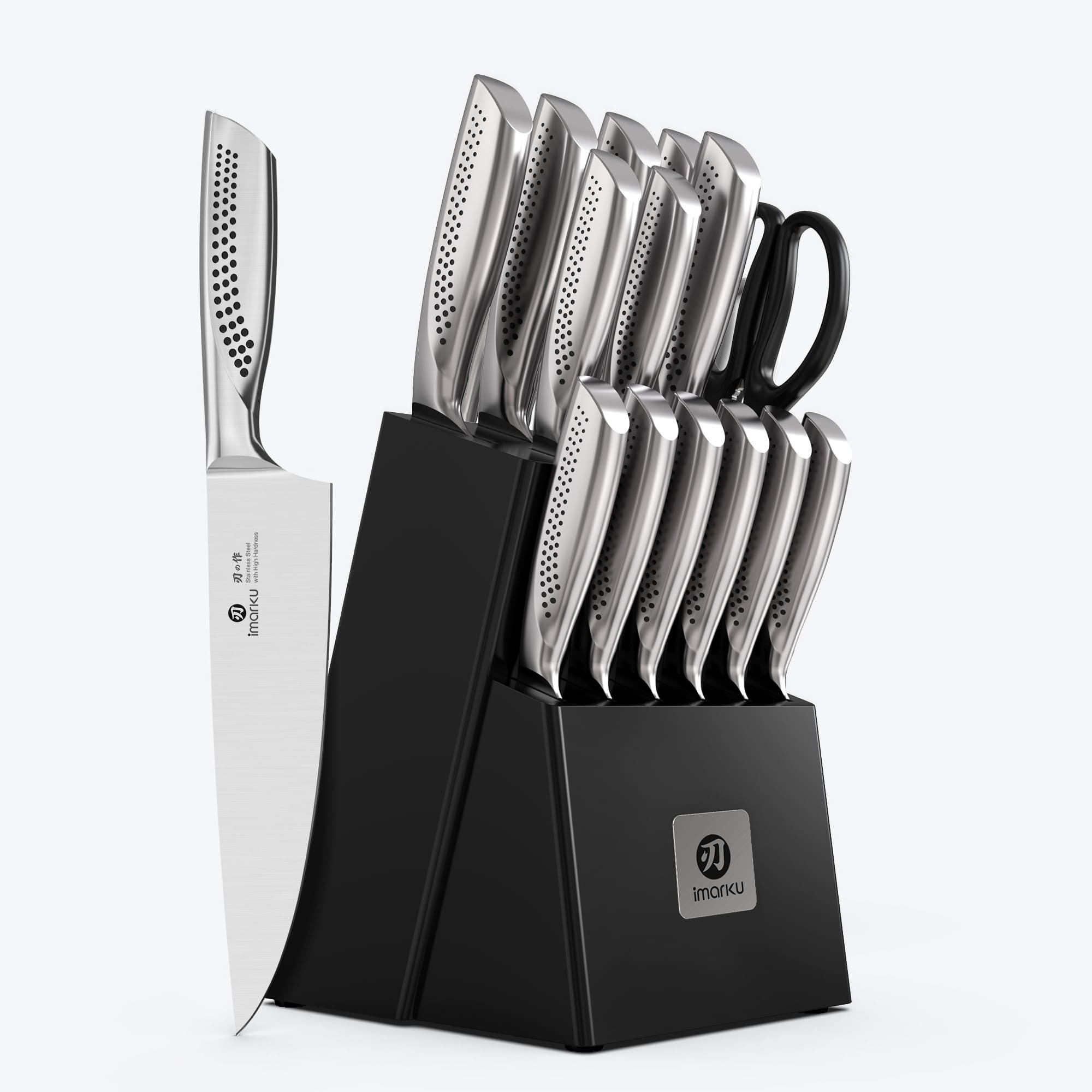
| Imarku Classic Slicing Knife / Fillet | $59.99–$110 | Home cooks wanting versatility | Beautiful balance, easy to use, forgiving edge |
| Global Yanagi-Sashimi Knife | $120–$180 | Beginners exploring sushi | Lightweight, stainless, low maintenance |
| KYOKU Samurai Yanagiba | $100–$160 | Budget-friendly traditional feel | Good entry into single-bevel knives |
| Dalstrong Yanagiba (Gladiator Series) | $90–$140 | Value seekers | Solid performance without overspending |
| Sakai Takayuki Yanagiba | $220–$350 | Serious hobbyists | Traditional craftsmanship, excellent edge |
A quick note: while researching the best sushi knives, you’ll also come across tools like the nakiri knife. That’s not for fish—it’s for vegetables. But if you’re making rolls, it’s fantastic for cutting clean, even strips of cucumber or daikon.
How do you choose the right knife for your kitchen?

This is where I always tell people to slow down.
It’s easy to get caught up in specs—steel types, hardness ratings, brand names. Those things matter, but they’re not the whole story.
What matters more is how the knife fits into your cooking habits.
If you’re just starting out:
- Go for a double-bevel slicing knife
- Keep your budget reasonable
- Focus on comfort and control
If you’re getting more serious:
- Try a yanagiba
- Be prepared to learn sharpening and maintenance
- Pay attention to balance and feel
And when it comes to brands, quality really does make a difference. Some of the finest blades come from Japan, where knife-making is treated as an art. If you’re curious, it’s worth exploring the best japanese knife brands to understand what sets them apart.
How should you care for a sushi knife?
This is the part most people underestimate.
A good knife can last decades—but only if you treat it right. I’ve seen beautiful blades ruined in a few months because someone tossed them in the dishwasher.
Here’s how I handle mine:
- Hand wash immediately after use
- Dry it completely before storing
- Use a wooden sheath or magnetic strip
Sharpening is another piece of the puzzle. I use whetstones, usually starting around 1000 grit and finishing higher. It takes practice, but it’s worth learning.
Food safety matters just as much as maintenance. When you’re working with raw fish, cross-contamination is a real concern. Any professional kitchen follows strict rules about when must a knife be cleaned and sanitized between different ingredients—and at home, you should do the same. It’s a simple habit that prevents bigger problems.
Are sushi knives only for fish?

Not at all—and this is something I love showing people.
Once you get used to a properly sharp sushi knife, you’ll start reaching for it in unexpected situations. Vegetables, herbs, even fruit—it handles them beautifully.
I often use mine for plating fruit because the cuts are so clean. A sharp blade glides through soft ingredients without crushing them. It works especially well for delicate fruits like dragon fruit, where presentation really matters.
The key is control. These knives aren’t about force—they’re about precision.
Common questions I hear from home cooks
Can I make sushi with a regular knife?
Yes, you can. A sharp chef knife will get the job done. But once you try a proper sushi knife, you’ll notice the difference right away.
Is a yanagiba too advanced for beginners?
It can be, but it depends on your patience. If you enjoy learning new techniques, it’s worth trying. Otherwise, start with a double-bevel knife and upgrade later.
How often should I sharpen my sushi knife?
For home use, every few weeks is usually enough. If it starts feeling like it’s dragging instead of gliding, it’s time.
What’s better: stainless or high-carbon steel?
Stainless is easier to maintain. High-carbon gets sharper and holds an edge longer, but it needs more care. I use both depending on the situation.
Do I need multiple knives for sushi?
Not necessarily. You can do a lot with one good slicing knife. But if you get deeper into it, adding a fillet knife and a vegetable knife like a nakiri makes prep easier.
Final thoughts
If there’s one thing I’ve learned after years in the kitchen, it’s this: the right tool doesn’t just make cooking easier—it makes it more enjoyable.
The best sushi knives aren’t about impressing anyone. They’re about giving you control, helping you respect your ingredients, and making the process feel smooth instead of frustrating.
Start simple. Choose something that fits your budget and your skill level. Learn how to use it well. And if you stick with it, you’ll know exactly when it’s time to upgrade.
That’s how every good knife journey begins.







Leave a comment
All comments are moderated before being published.
This site is protected by hCaptcha and the hCaptcha Privacy Policy and Terms of Service apply.