
TABLE OF CONTENTS
- >What Is Ceramic Coated Cookware?
- >Is Ceramic Cookware Safe for Health?
- >Ceramic vs Nonstick Cookware
- >Why Ceramic-Coated Stainless Steel Pans Are Becoming Popular
- >How to Use Ceramic Cookware Safely
- >Is Ceramic Cookware Completely Non-Toxic?
- >Final Verdict: Is Ceramic Coated Cookware Safe?
- >FAQ About Ceramic Cookware
Ceramic cookware has become one of the most popular alternatives to traditional non-stick pans. Many brands advertise it as non-toxic, PTFE-free, and eco-friendly, making it appealing to health-conscious home cooks.
But an important question remains:
Is ceramic coated cookware safe to use every day?
The short answer is yes — but with some important caveats.
Not all ceramic cookware is made the same, and understanding the materials behind the coating can help you choose safer and longer-lasting cookware.
In this guide, we’ll explain:
- What ceramic coated cookware actually is
- Whether ceramic cookware is truly non-toxic
- The hidden durability issue many buyers overlook
- Why many chefs now prefer ceramic-coated stainless steel pans
What Is Ceramic Coated Cookware?

Ceramic coated cookware is not made entirely of ceramic.
Instead, most ceramic cookware uses a metal base (usually aluminum or stainless steel) covered with a sol-gel ceramic coating. This coating is created by converting silica-based minerals into a glass-like surface that provides non-stick performance.
Typical structure:
- Metal core (aluminum or stainless steel)
- Bonding layer
- Ceramic nonstick coating
Because of this design, ceramic cookware behaves differently from both traditional nonstick pans and pure stainless steel cookware.
Is Ceramic Cookware Safe for Health?
In general, high-quality ceramic cookware is considered safe because it usually avoids several chemicals associated with traditional nonstick coatings.
Most reputable ceramic cookware is:
- PTFE-free
- PFOA-free
- PFAS-free
- Free of heavy metals like lead and cadmium
These properties are why ceramic cookware is often marketed as “non-toxic cookware.”
However, there are two details consumers should understand.
1. Safety Depends on Manufacturing Quality
Lower-cost ceramic cookware may use thin coatings or poor bonding processes. When the coating degrades, the pan may lose its nonstick properties quickly.
While this usually does not create a direct toxicity risk, it can shorten the lifespan of the cookware significantly.
2. Overheating Can Damage the Coating
Ceramic coatings tolerate heat better than traditional nonstick, but extreme temperatures can still degrade the surface.
Most manufacturers recommend keeping cooking temperatures below 500°F (260°C) to maintain performance.
Ceramic vs Nonstick Cookware

Many people switch to ceramic cookware because they want to avoid traditional nonstick coatings.
Here is a quick comparison.
| Feature | Ceramic Cookware | Traditional Nonstick |
|---|---|---|
| PTFE | No | Yes |
| PFOA | Usually No | Older pans may contain |
| Heat resistance | Higher | Moderate |
| Durability | Medium | Medium |
| Stick resistance lifespan | Shorter | Longer |
One common criticism of ceramic cookware is that the nonstick effect may fade faster than expected.
This is why some manufacturers now combine ceramic coatings with more durable cookware bases.
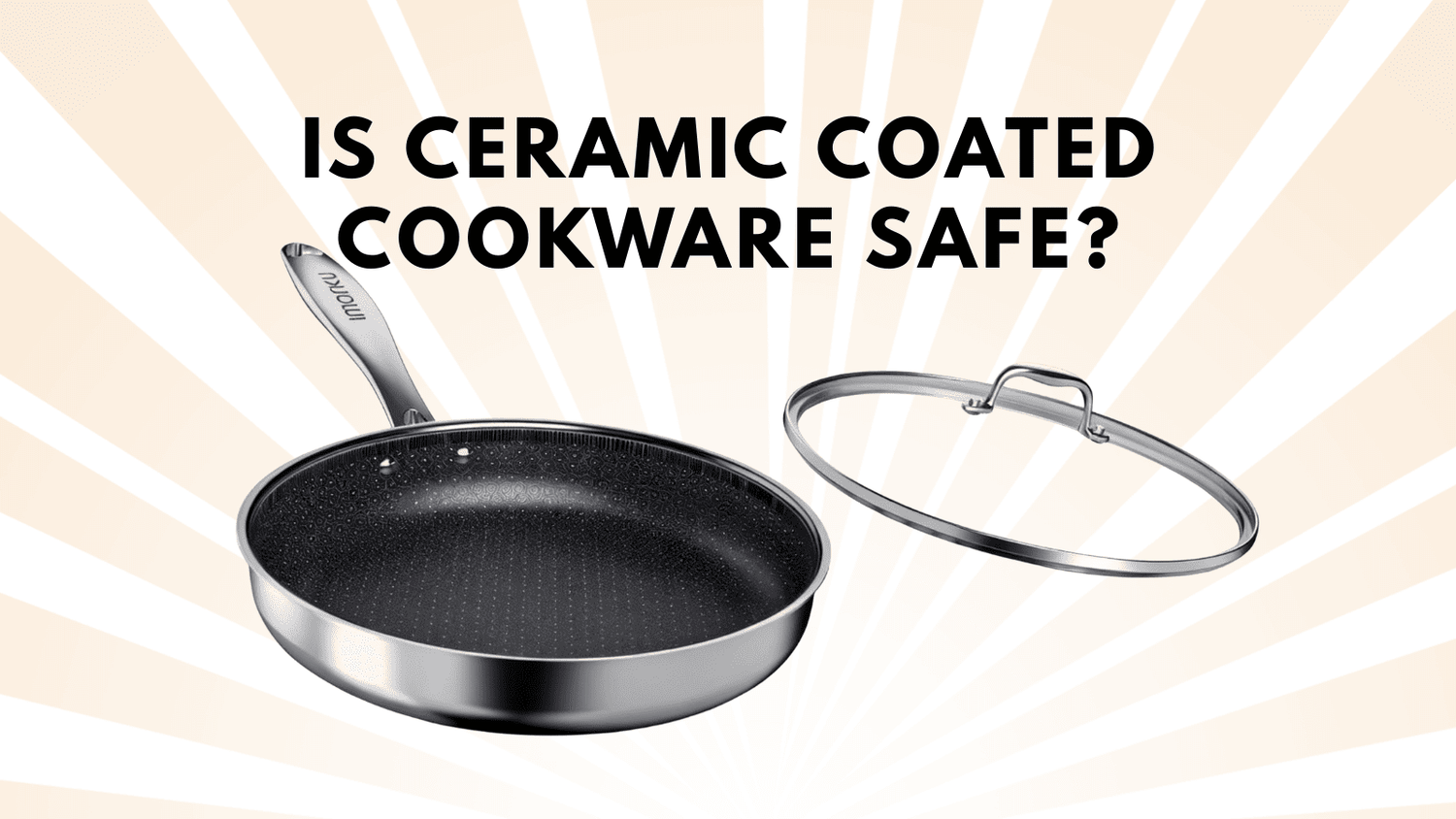
Why Ceramic-Coated Stainless Steel Pans Are Becoming Popular
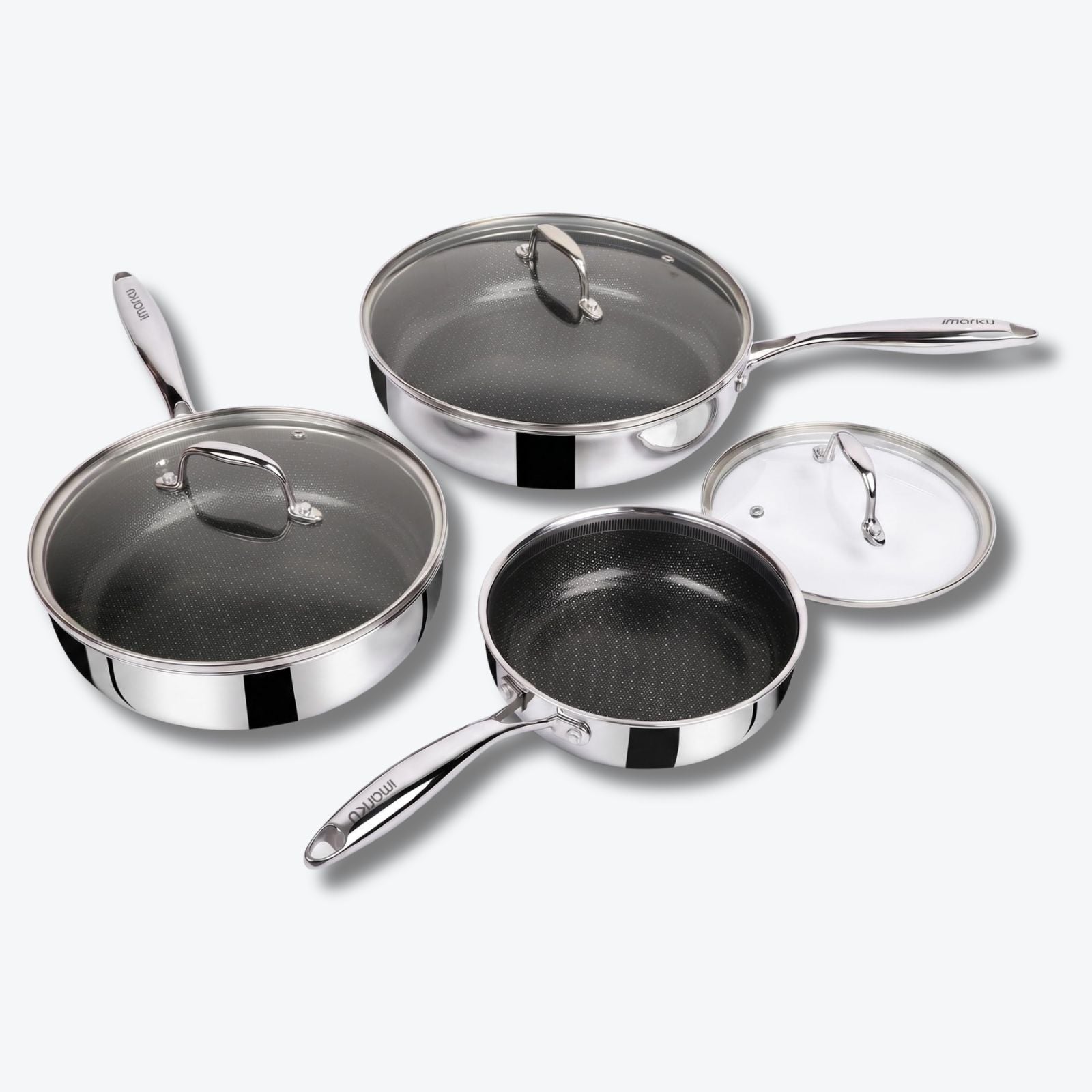
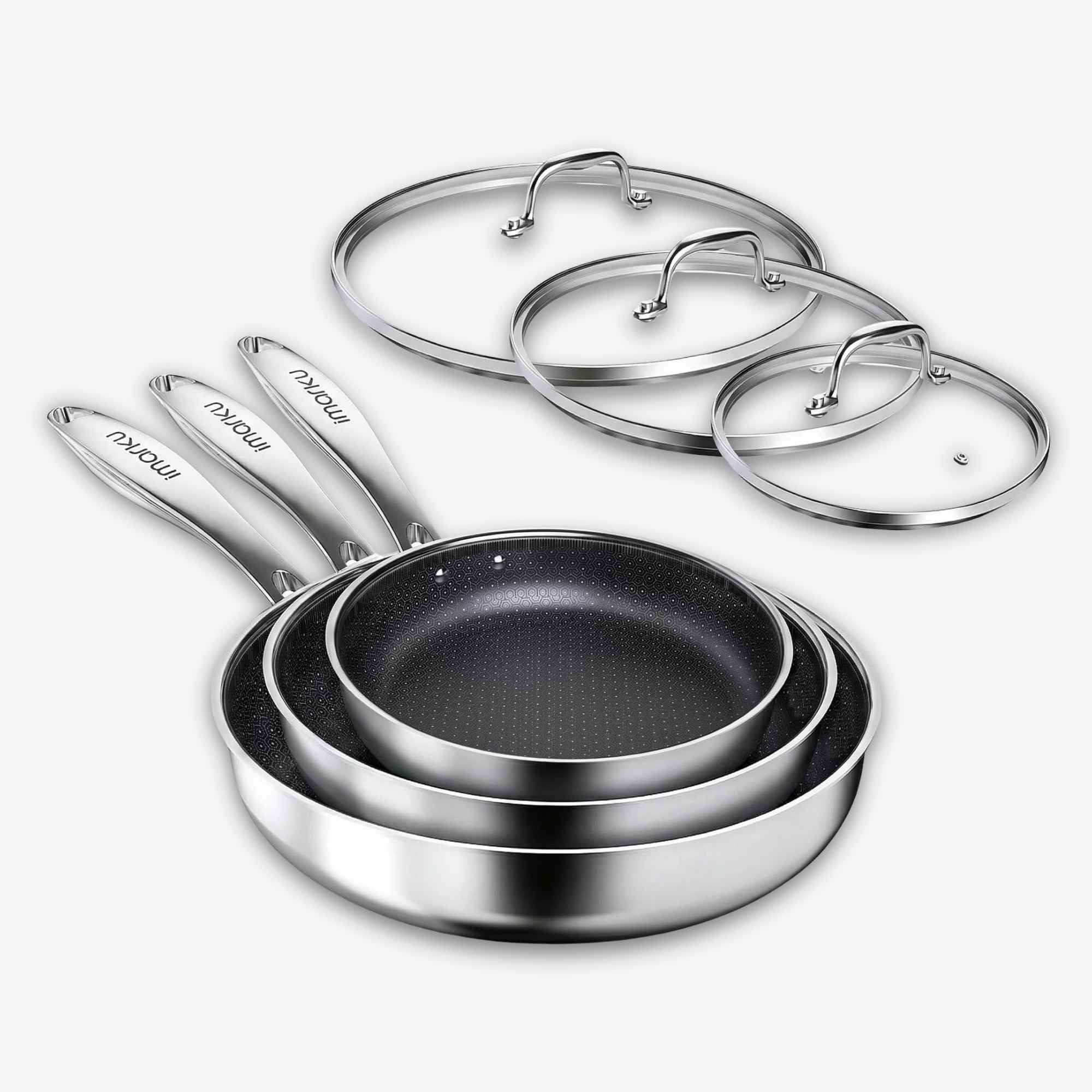
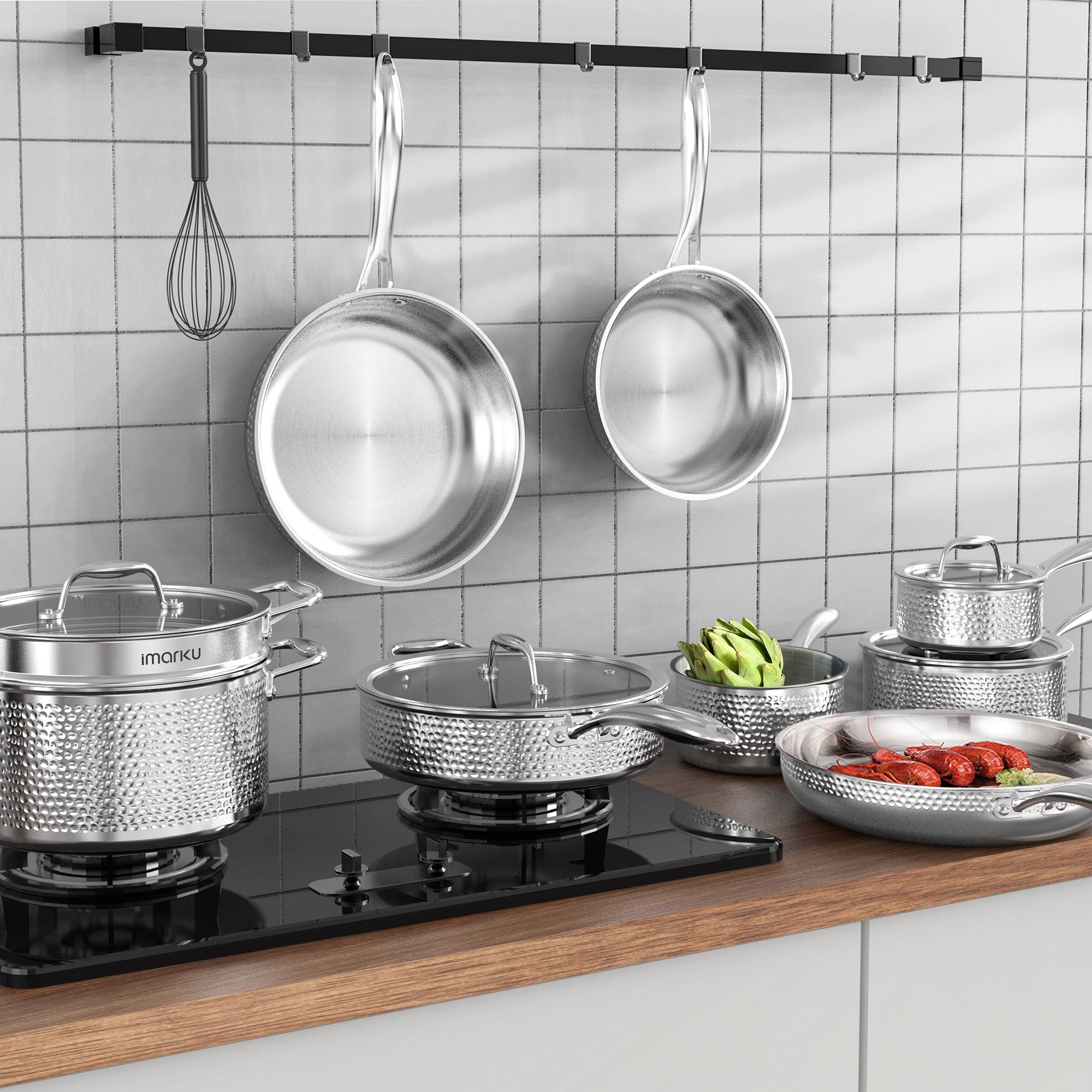
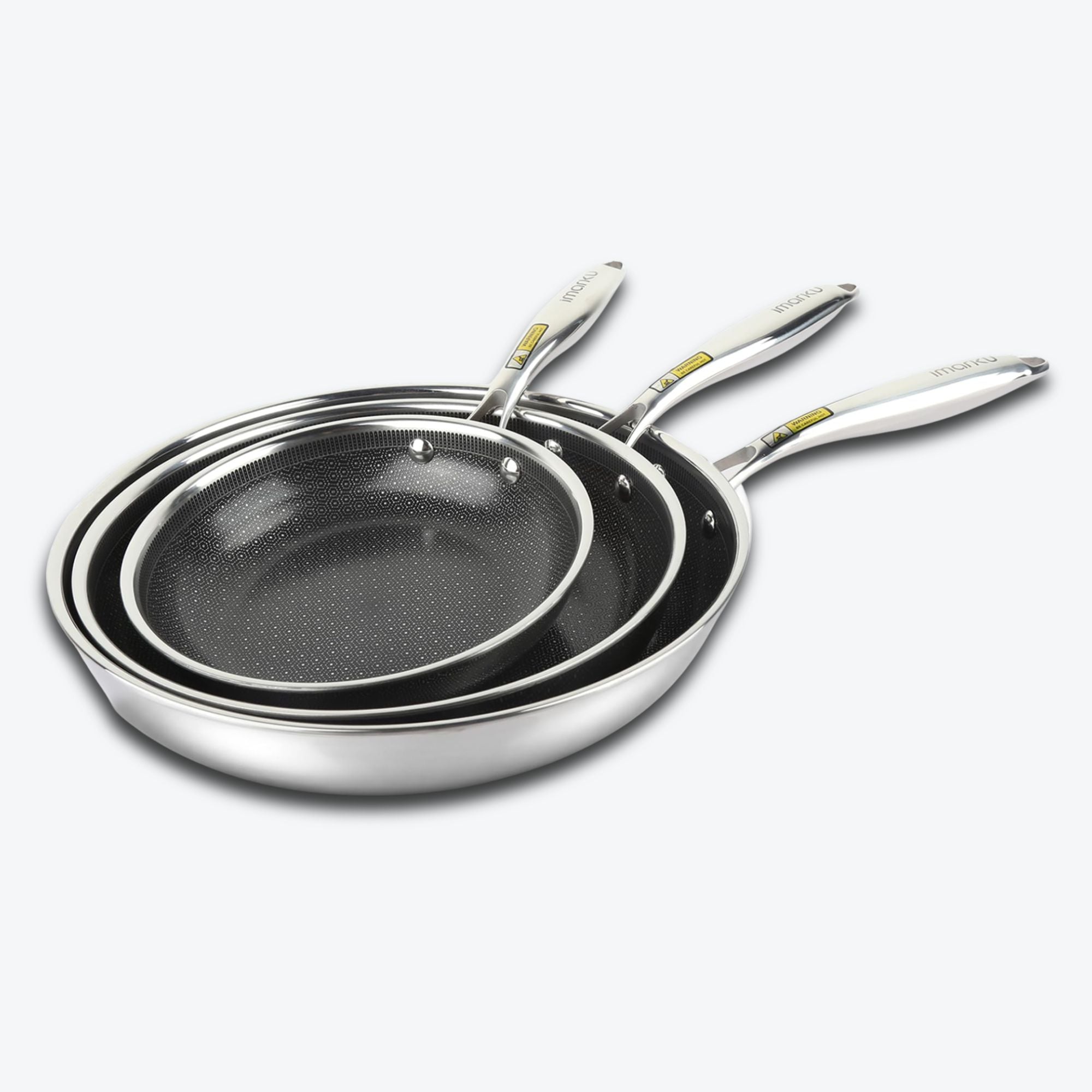
One newer design combines the best parts of both materials:
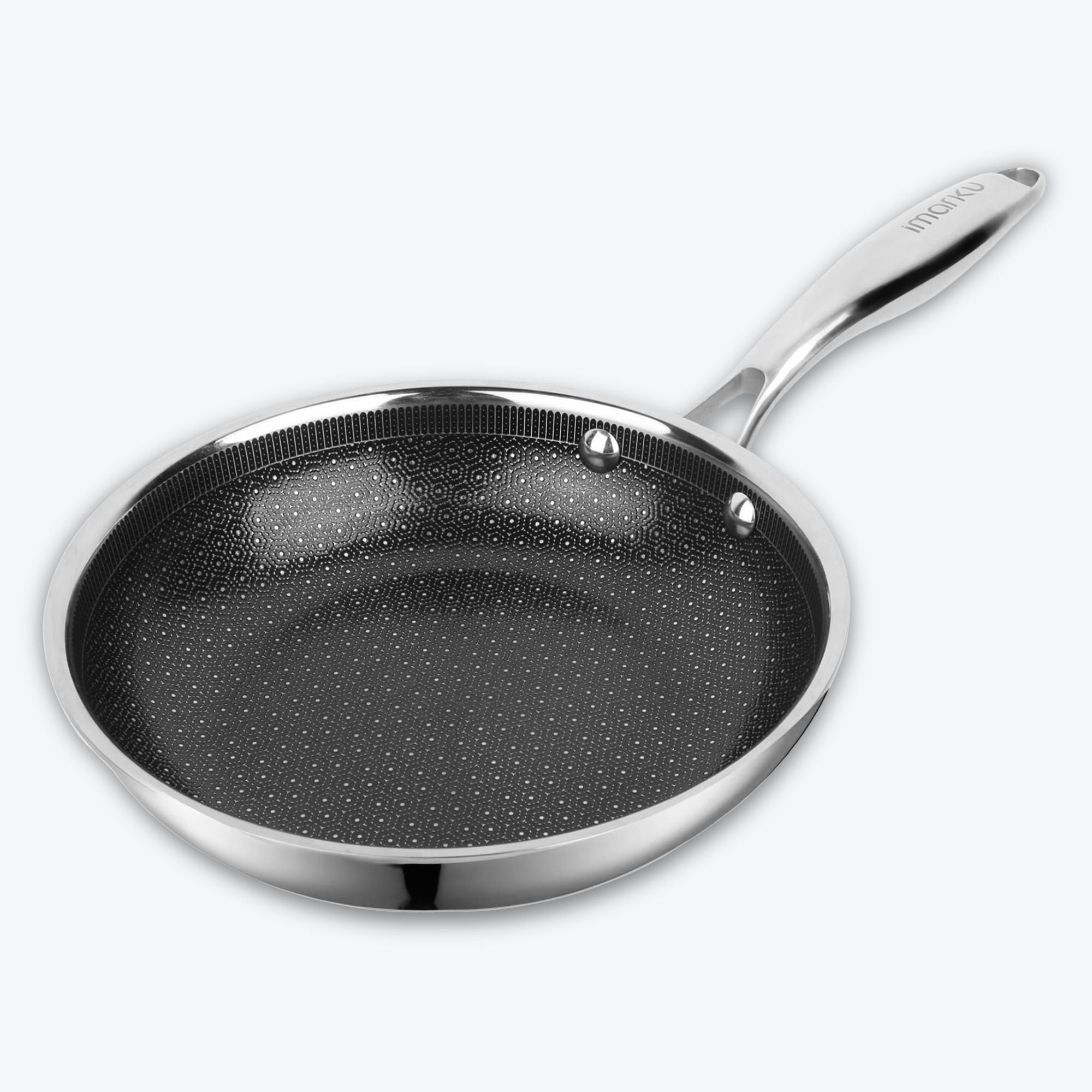
a stainless steel pan with a ceramic coating.
This hybrid approach solves several problems found in standard ceramic cookware.
Benefits include:
Stronger Structural Base
Stainless steel provides better structural stability than aluminum-only pans.
This improves durability and prevents warping over time.
Better Heat Distribution
Many ceramic-coated stainless steel pans include multi-layer construction, helping distribute heat more evenly.
Safer Long-Term Cooking
Because stainless steel is already one of the safest and most inert cookware materials, combining it with a ceramic coating can offer both:
- easier food release
- non-toxic cooking surface
- long-lasting durability
For many home cooks, this hybrid design offers a good balance between convenience and safety.
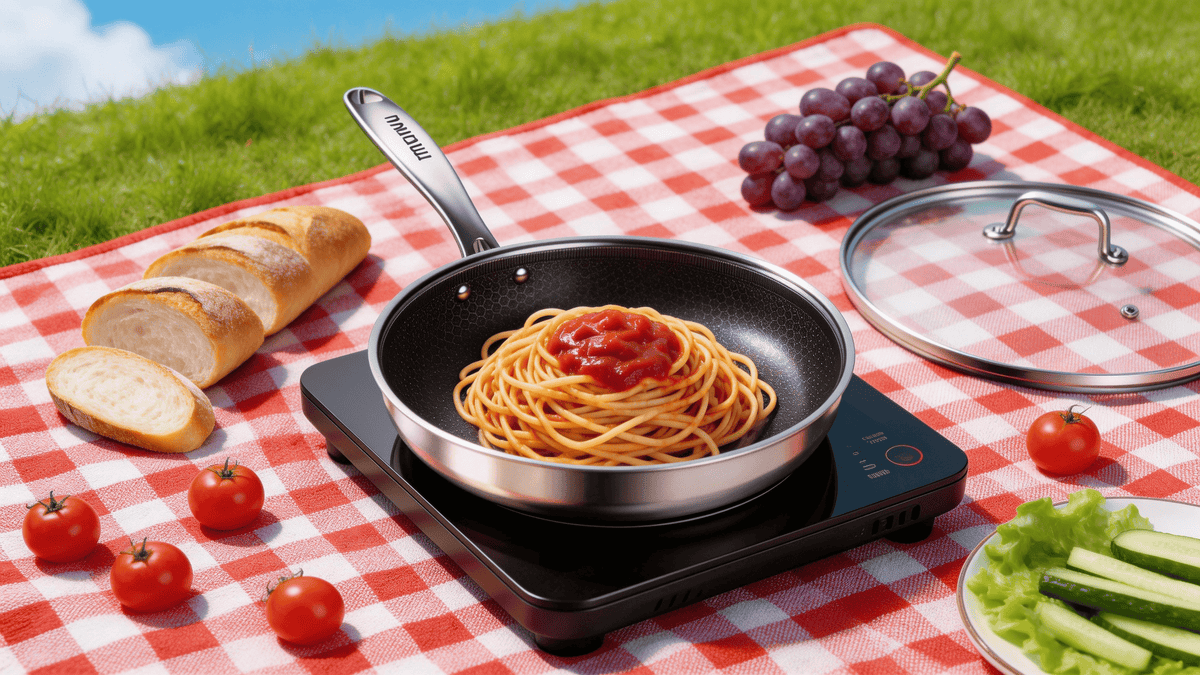
How to Use Ceramic Cookware Safely
Even the safest cookware needs proper care.
To extend the life of ceramic cookware:
✔ Use medium or low heat
✔ Avoid metal utensils
✔ Wash with soft sponges
✔ Avoid sudden temperature shocks
These habits can help ceramic coatings stay effective much longer.
Is Ceramic Cookware Completely Non-Toxic?

Most modern ceramic cookware is marketed as non-toxic, but the claim should be understood correctly.
The ceramic coating itself is typically inert and free from PFAS chemicals.
However, cookware safety also depends on:
- coating quality
- manufacturing standards
- base material
Choosing reputable brands and durable cookware structures can make a significant difference.
Final Verdict: Is Ceramic Coated Cookware Safe?
Yes — ceramic coated cookware is generally safe for cooking when produced by reputable manufacturers and used correctly.
But if you want both long-term durability and a non-toxic cooking surface, many cooks now prefer ceramic-coated stainless steel pans, which combine the strength of stainless steel with the convenience of ceramic nonstick performance.
For everyday cooking, that hybrid design may offer the best balance of safety, longevity, and ease of use.
FAQ About Ceramic Cookware
Is ceramic cookware safer than nonstick?
Ceramic cookware is often considered safer because it is typically PTFE-free and PFAS-free, while traditional nonstick coatings rely on PTFE.
Does ceramic cookware release toxins?
High-quality ceramic cookware generally does not release toxic fumes during normal cooking temperatures.
Why does ceramic cookware lose its nonstick effect?
Over time, cooking oils and high heat can degrade the ceramic surface, reducing its nonstick performance.
Is ceramic cookware better than stainless steel?
They serve different purposes. Stainless steel is more durable, while ceramic cookware offers better food release. Hybrid designs combine both advantages.
What is the safest ceramic cookware?
Cookware that uses high-quality ceramic coatings on durable bases like stainless steel tends to offer the best long-term safety and performance.






Leave a comment
All comments are moderated before being published.
This site is protected by hCaptcha and the hCaptcha Privacy Policy and Terms of Service apply.