
TABLE OF CONTENTS
- >Why Practical Gifts Often Feel More Personal
- >The Rise of Cooking Culture Changed Father’s Day Gifts
- >The Fathers Who Appreciate Knife Gifts Most
- >Why Japanese Knives Feel Different as Gifts
- >The Quiet Appeal of “Practical Luxury”
- >When a Gift Card Actually Feels Thoughtful
- >The Best Father’s Day Gifts Usually Become Ordinary
Every year, Father’s Day creates the same quiet pressure.
You want to give something thoughtful. Something useful. Something that doesn’t immediately disappear into the garage, a closet, or the category of “nice but unnecessary.” Most people are not looking for the most expensive Father’s Day gift. They are looking for the one that feels unexpectedly personal.
That is usually where shopping gets difficult.
Because fathers are often hard to buy for in a very specific way. Many of them do not openly want much. They rarely upgrade things for themselves. And when they do spend money, it is often on practical purchases rather than small luxuries.
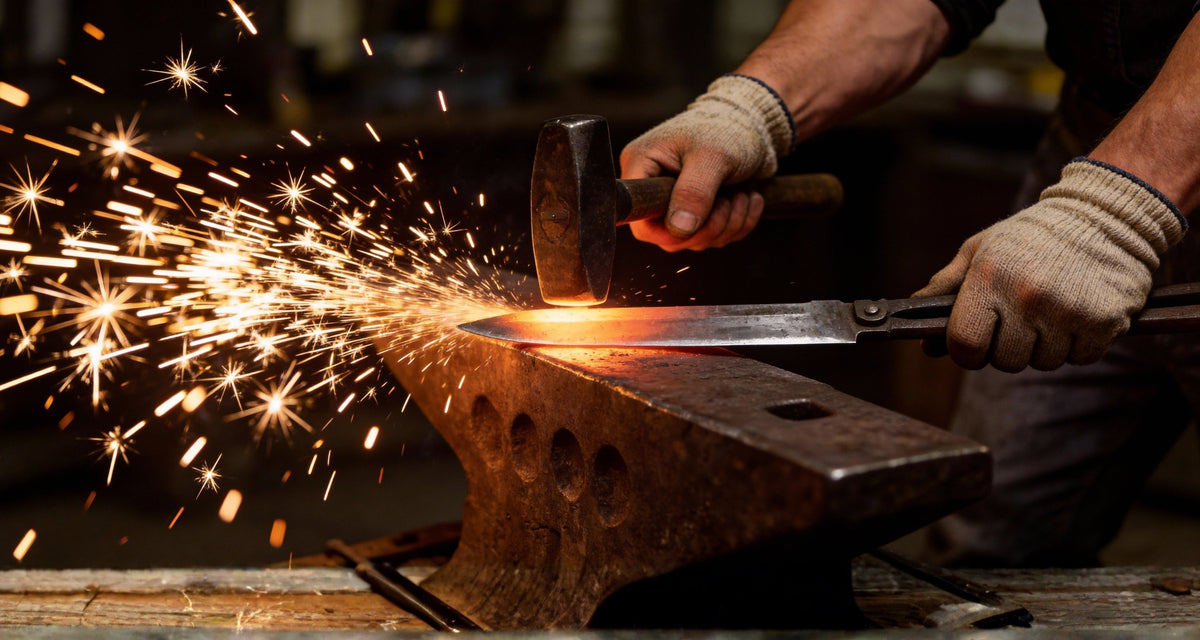
But there is one category of gift that quietly works year after year because it slips naturally into real life: tools connected to ritual.
For some dads, that ritual is coffee. For others, woodworking. For many, it is cooking.
Not performative cooking. Not social media cooking.
Just the deeply familiar rhythm of making dinner after work, trimming meat for a weekend barbecue, slicing brisket while people slowly gather around the patio, or standing at the kitchen counter on a Sunday afternoon with music playing in the background.
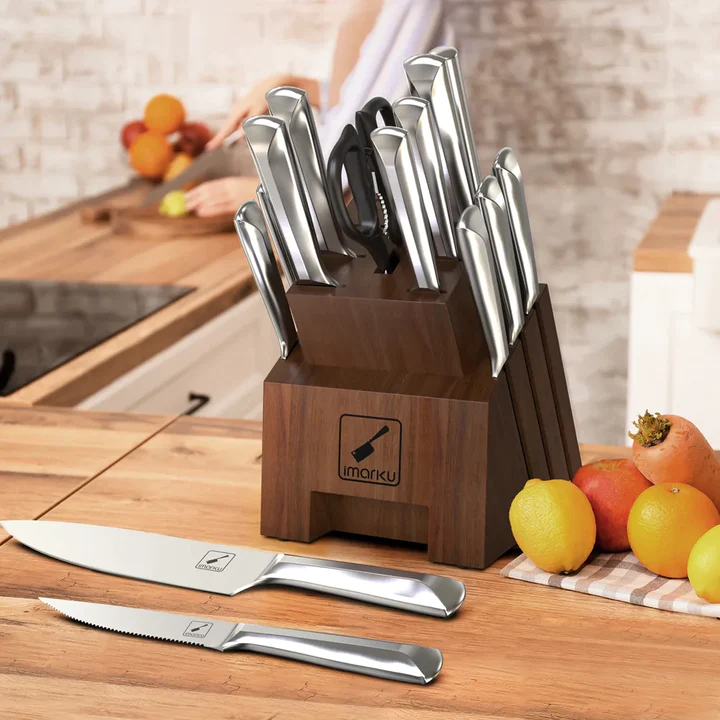
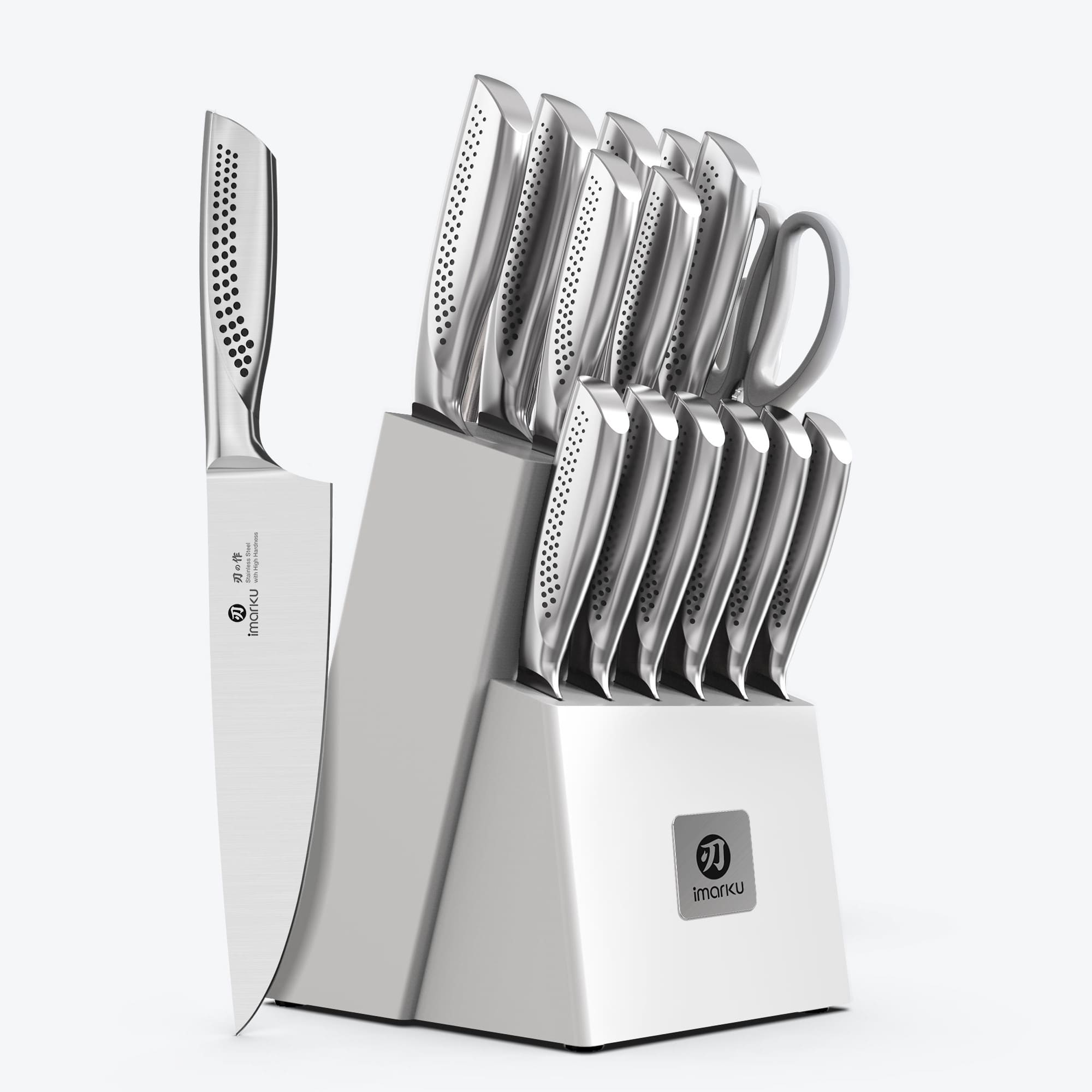
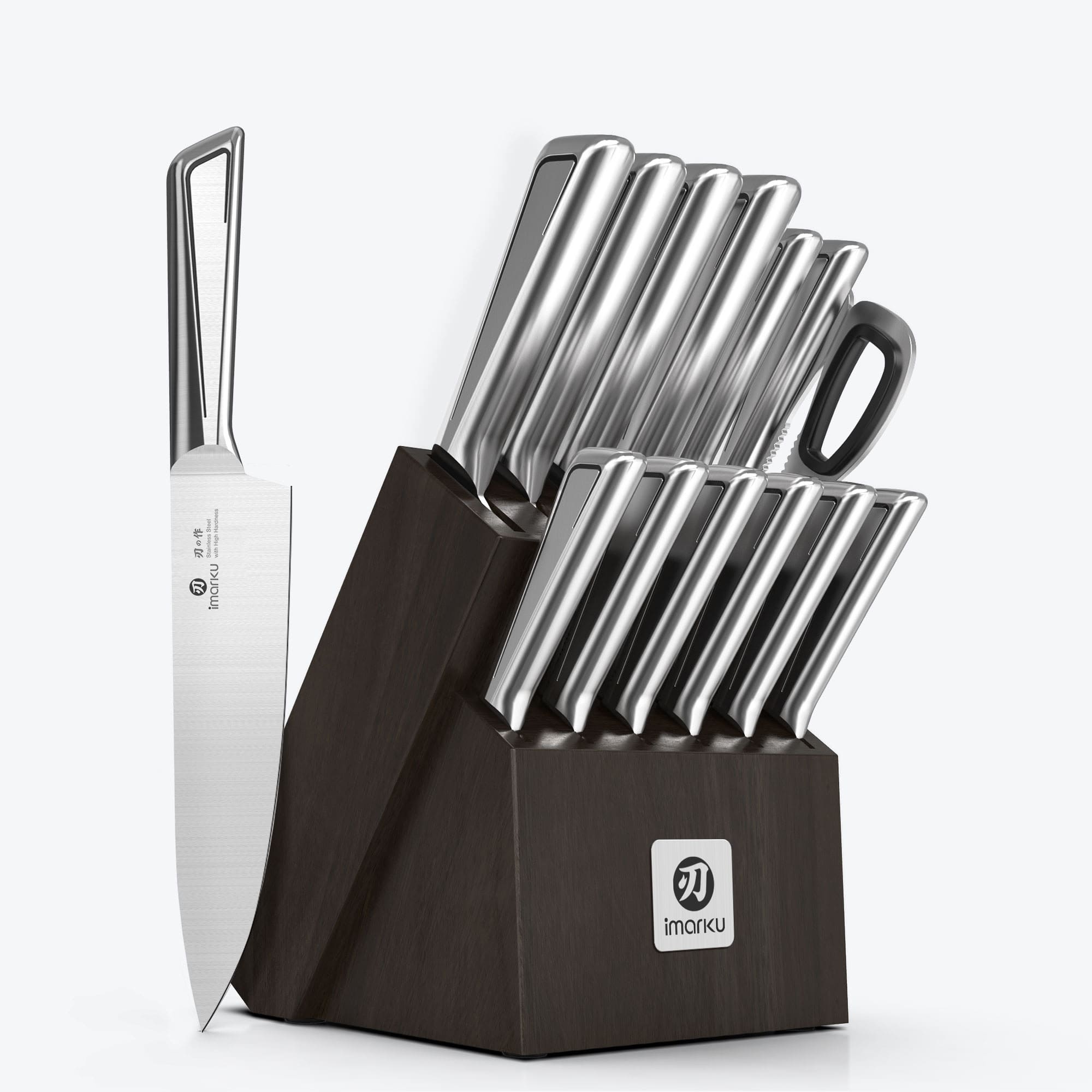
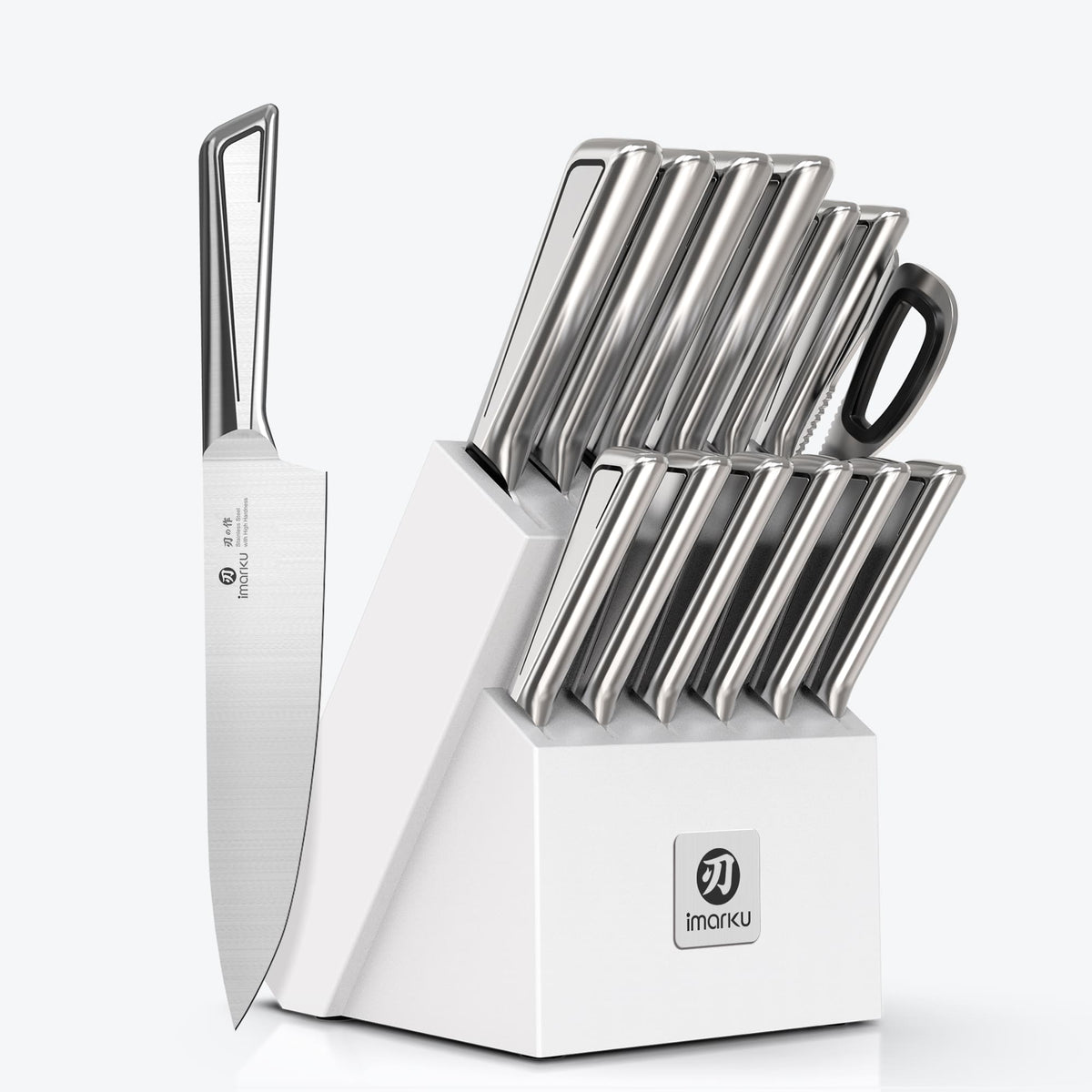
That is why good kitchen knives have gradually become one of the most meaningful Father’s Day gift ideas for modern families — especially for dads who genuinely enjoy the process of cooking.
Not because knives are flashy.
Because they become part of someone’s life almost immediately.
Why Practical Gifts Often Feel More Personal

There is a reason practical Father’s Day gifts tend to stay around longer than novelty gifts.
The best gifts quietly integrate themselves into routine.
A good knife is rarely admired once and forgotten. It becomes the thing he reaches for every single weekend. The thing he notices every time he cooks. The thing that slowly replaces the old dull knife he had been tolerating for years without complaint.
And fathers, maybe more than anyone, tend to keep using things once they trust them.
That is especially true with cooking tools.
Many dads would never spend money on a premium Japanese chef knife for themselves. They will spend hours researching grills, smokers, and outdoor equipment, but continue chopping vegetables with the same aging kitchen knife they have owned forever.
But once they use a genuinely sharp, balanced knife, something changes almost immediately.
Cooking becomes smoother. More satisfying. Less frustrating.
There is a quiet pleasure in precision that many people underestimate.
You see it most clearly during barbecue season.
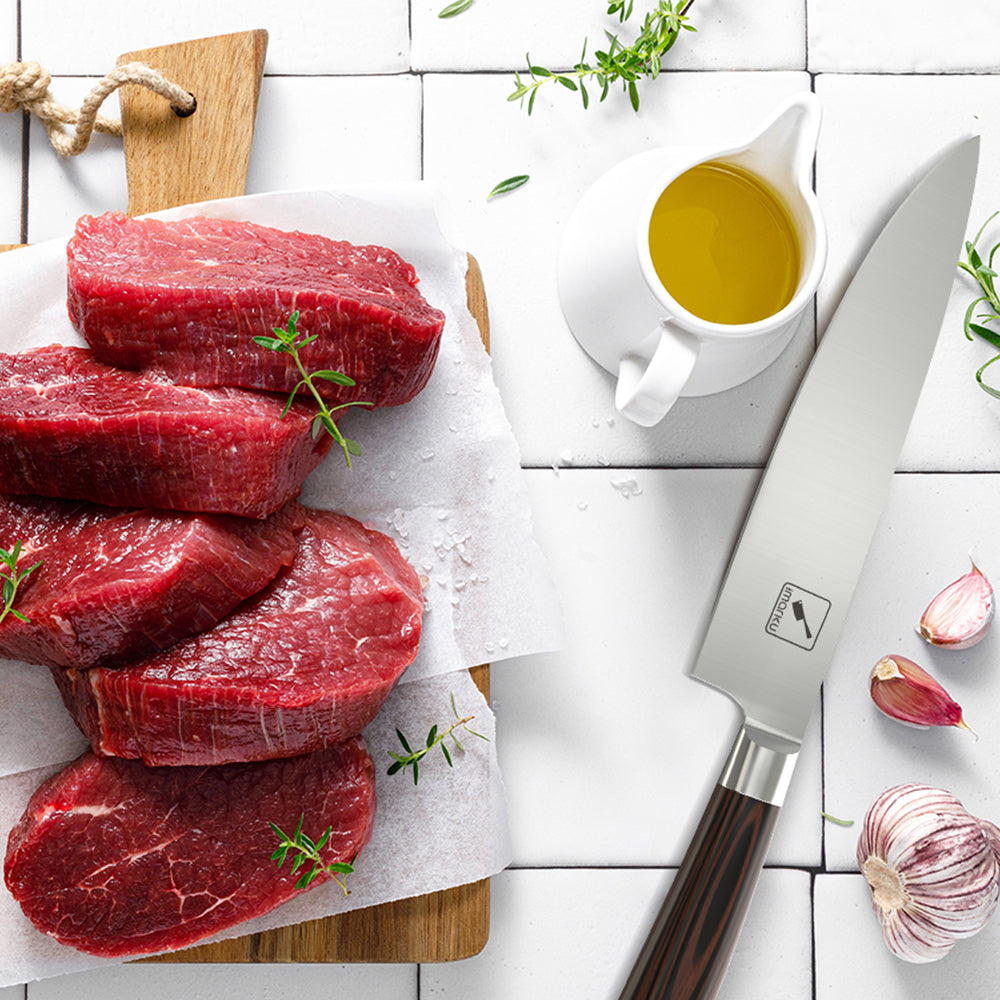
The dad carefully slicing brisket against the grain. Trimming ribs before seasoning. Breaking down salmon with slow, controlled movements. Using the knife the same way someone else might use a favorite watch or well-made hand tool — not for status, but for the feeling of control and craftsmanship.
That emotional connection is what separates meaningful Father’s Day gifts from forgettable ones.
The Rise of Cooking Culture Changed Father’s Day Gifts
A decade ago, Father’s Day gift guides were filled with generic “dad products.”
Novelty mugs. Random gadgets. Decorative items pretending to be useful.
But modern cooking culture changed the psychology of gifting.
Today, cooking is deeply tied to identity for many men. Especially middle-class fathers who see cooking less as obligation and more as decompression.
Backyard grilling became part hobby, part social ritual.
Smoking brisket became an entire weekend activity.
Knife skills became oddly therapeutic.
And unlike trend-driven gadgets, good kitchen tools age well emotionally.
A well-made Japanese chef knife still feels premium years later because it is tied to repeated experience rather than temporary excitement.
That is why premium kitchen gifts work so well for Father’s Day. They live in the overlap between practicality and enjoyment.
Not indulgent enough to feel wasteful.
Not boring enough to feel impersonal.
The Fathers Who Appreciate Knife Gifts Most

Some gifts only make sense for specific personalities.
Kitchen knives are one of them.
The best Father’s Day knife gifts usually work for fathers who already enjoy some form of hands-on cooking culture:
- the dad who grills every weekend
- the father who insists on slicing steak himself
- the one who watches barbecue videos late at night
- the dad who cooks to relax
- the father who quietly takes pride in preparing food properly
- the man who appreciates craftsmanship but rarely buys luxury items for himself
Interestingly, many of these fathers are not looking for “luxury” in the traditional sense.
They are looking for objects that feel reliable.
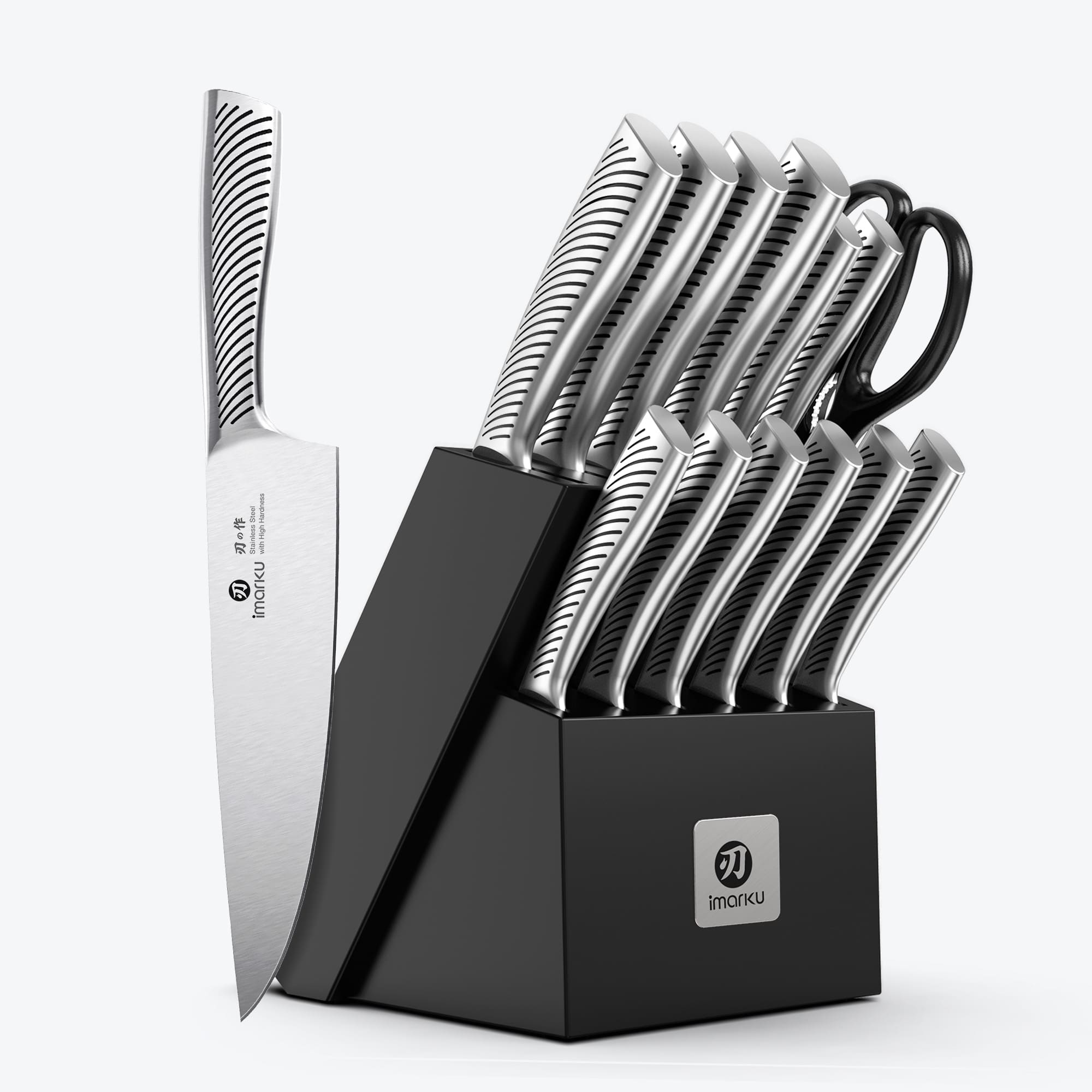
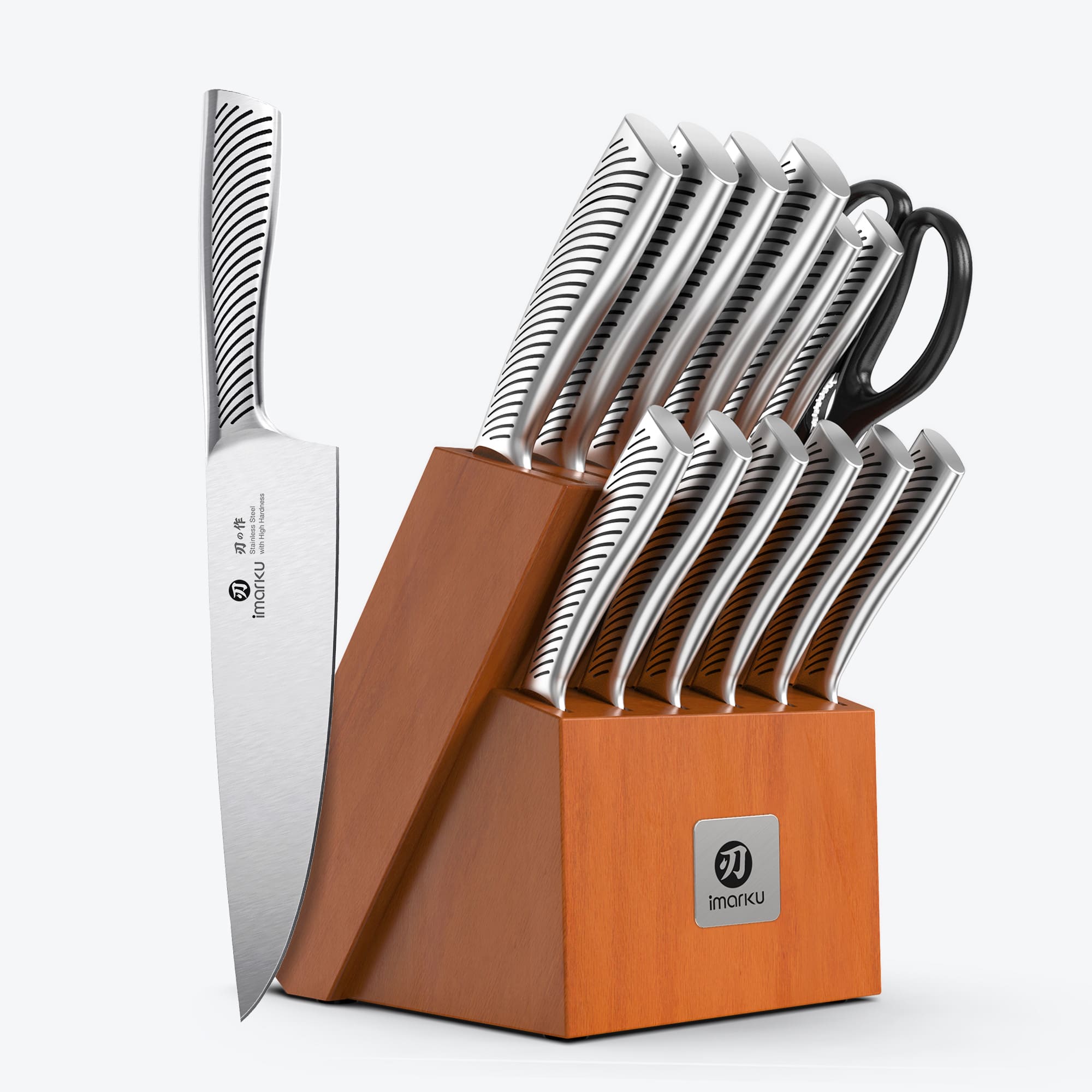
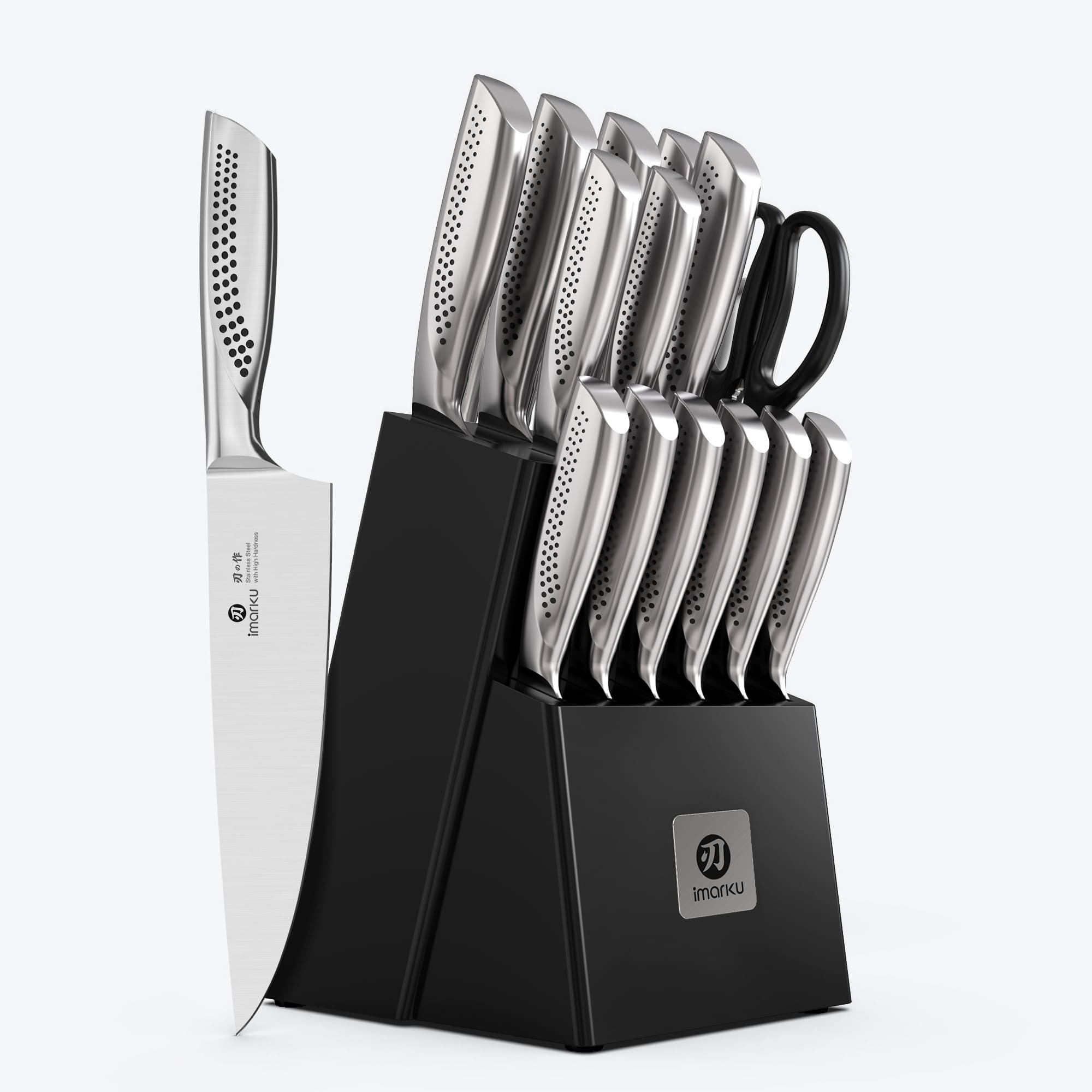
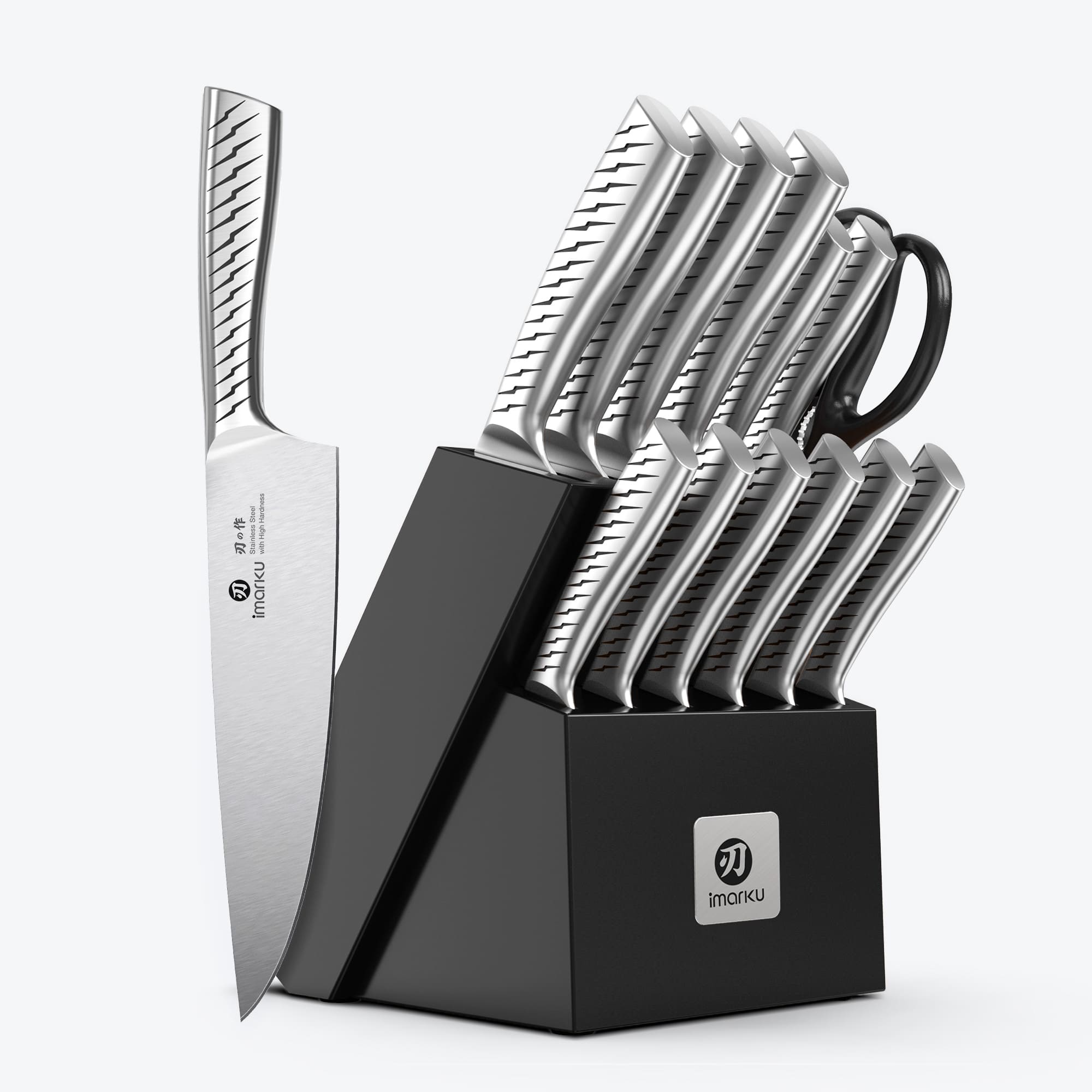
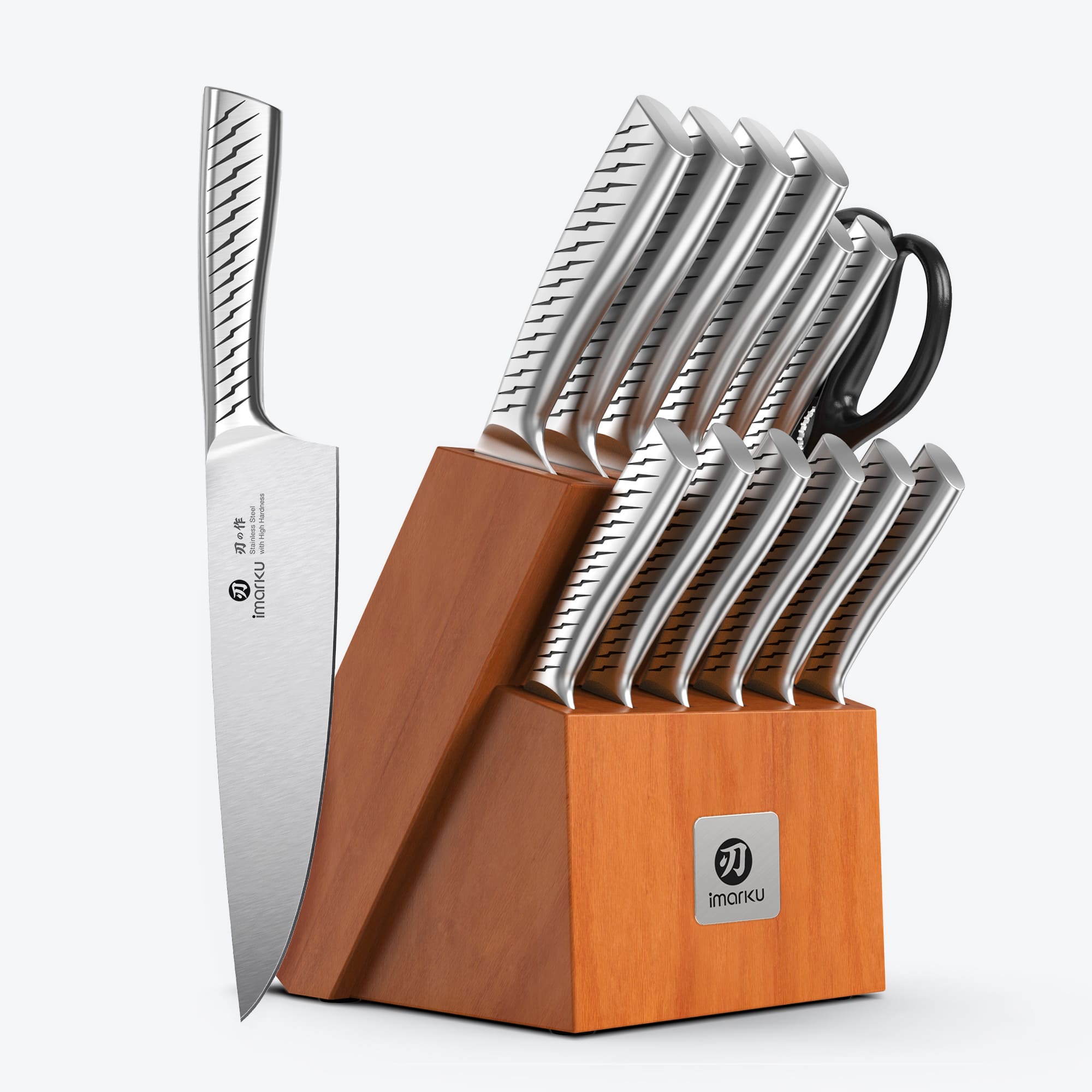
A Japanese chef knife often fits that psychology perfectly because it combines craftsmanship with everyday usefulness. It feels elevated without becoming decorative.
And visually, these knives carry a kind of understated masculinity that works well in gifting.
Not loud. Not overly branded. Just clean steel, balance, sharpness, and purpose.
Why Japanese Knives Feel Different as Gifts

Part of the emotional appeal comes from presentation.
Opening an elegant knife gift box simply feels different from opening another generic gadget.
There is weight to it.
Intention.
Especially when the knife itself looks refined rather than industrial.
A well-designed chef knife gift set feels more personal because it suggests observation. It tells someone:
“I noticed what you actually enjoy doing.”
That matters more than people think.
Because thoughtful gifting is often less about surprise and more about recognition.
You are recognizing a father’s routines. His hobbies. His rituals.
For grill dads, brisket knives and slicing knives make immediate emotional sense because they connect directly to visible moments — carving meat outdoors while everyone waits for dinner.
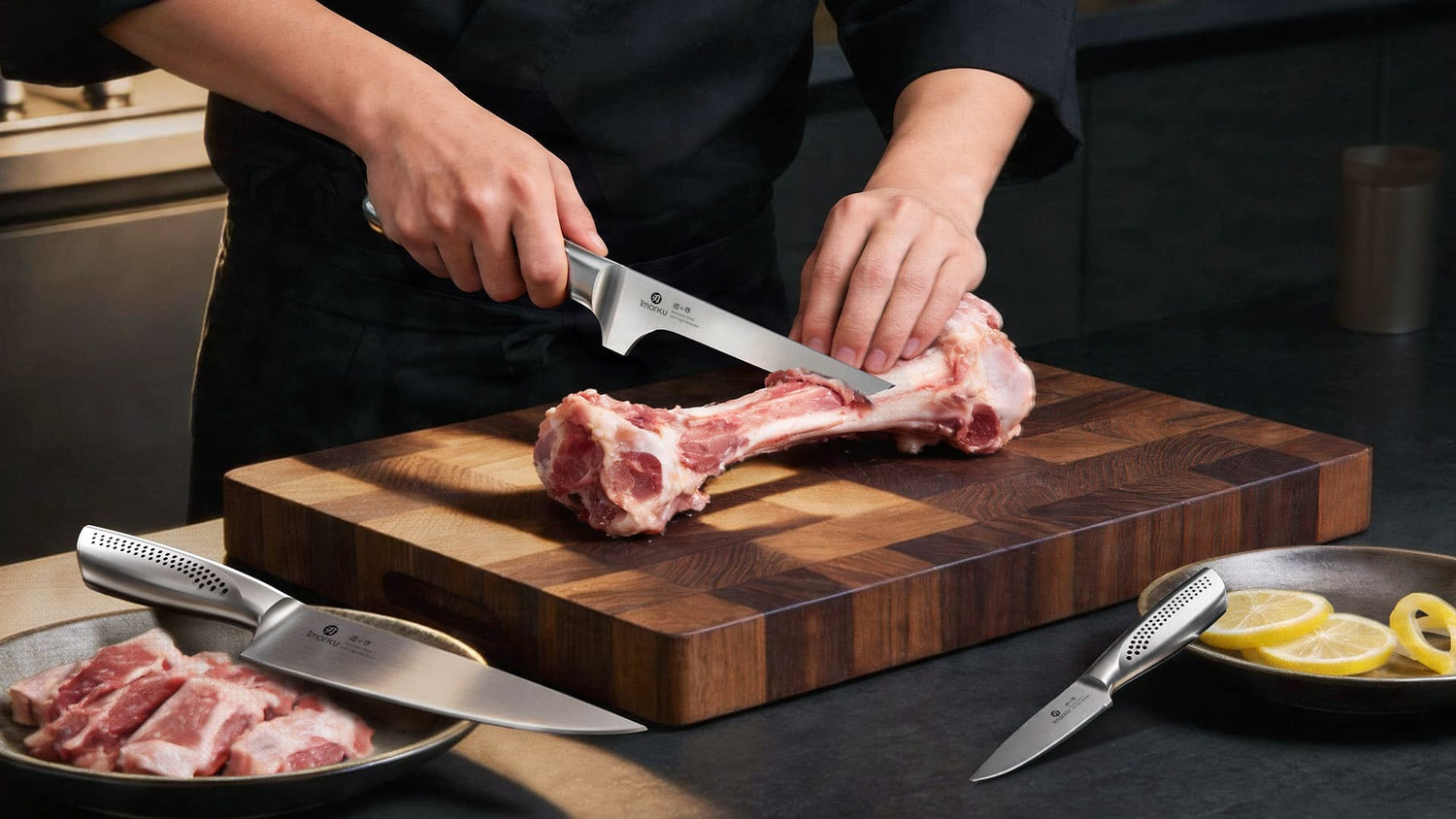
For fathers who enjoy seafood or precision prep work, fillet knives and boning knives carry a different kind of appeal. They feel technical. Focused. Purpose-built.
And for everyday cooking dads, a Japanese chef knife becomes the kind of tool that slowly earns permanent counter space.
Not because it is trendy.
Because it becomes useful enough to deserve it.
The Quiet Appeal of “Practical Luxury”
Most shoppers are balancing the same invisible tension during Father’s Day shopping:
They want the gift to feel premium, but not irresponsible.
That is why “practical luxury” performs so well emotionally.
A good knife occupies a very specific psychological category. It feels elevated, but still rational. Special, but still useful.
It has high perceived value without requiring ultra-luxury pricing.
And importantly, it avoids the awkwardness of decorative gifts that create obligation rather than enjoyment.
Many fathers genuinely prefer gifts they can interact with repeatedly.
Something tactile.
Something functional.
Something that quietly improves ordinary routines.
A good knife does exactly that.
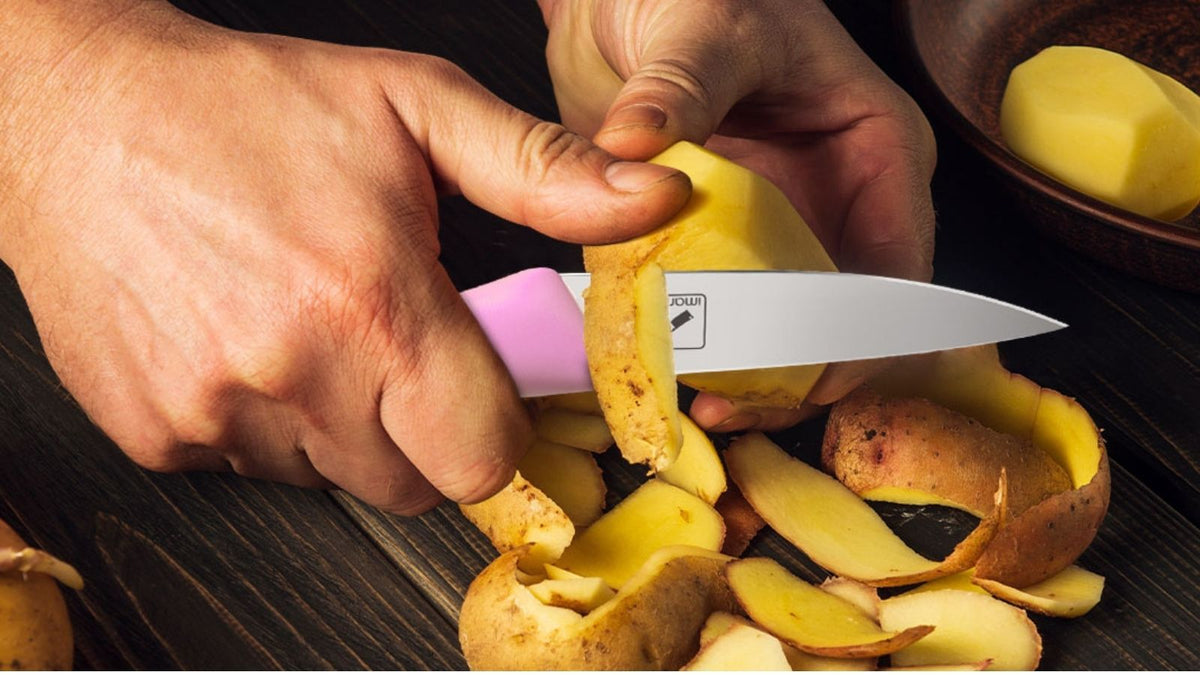
Even months later, he will still use it while preparing weeknight dinners, trimming steaks, or slicing fruit for the family.
The gift survives beyond the holiday.
That is what makes it memorable.
When a Gift Card Actually Feels Thoughtful
Gift cards usually get criticized for feeling impersonal.
But cooking tools are one of the rare categories where a gift card can actually feel considerate when handled correctly.
Anyone who loves knives tends to become particular about them.
Some prefer heavier blades. Others want lighter Japanese profiles. Some care deeply about handle shape, blade length, or balance.
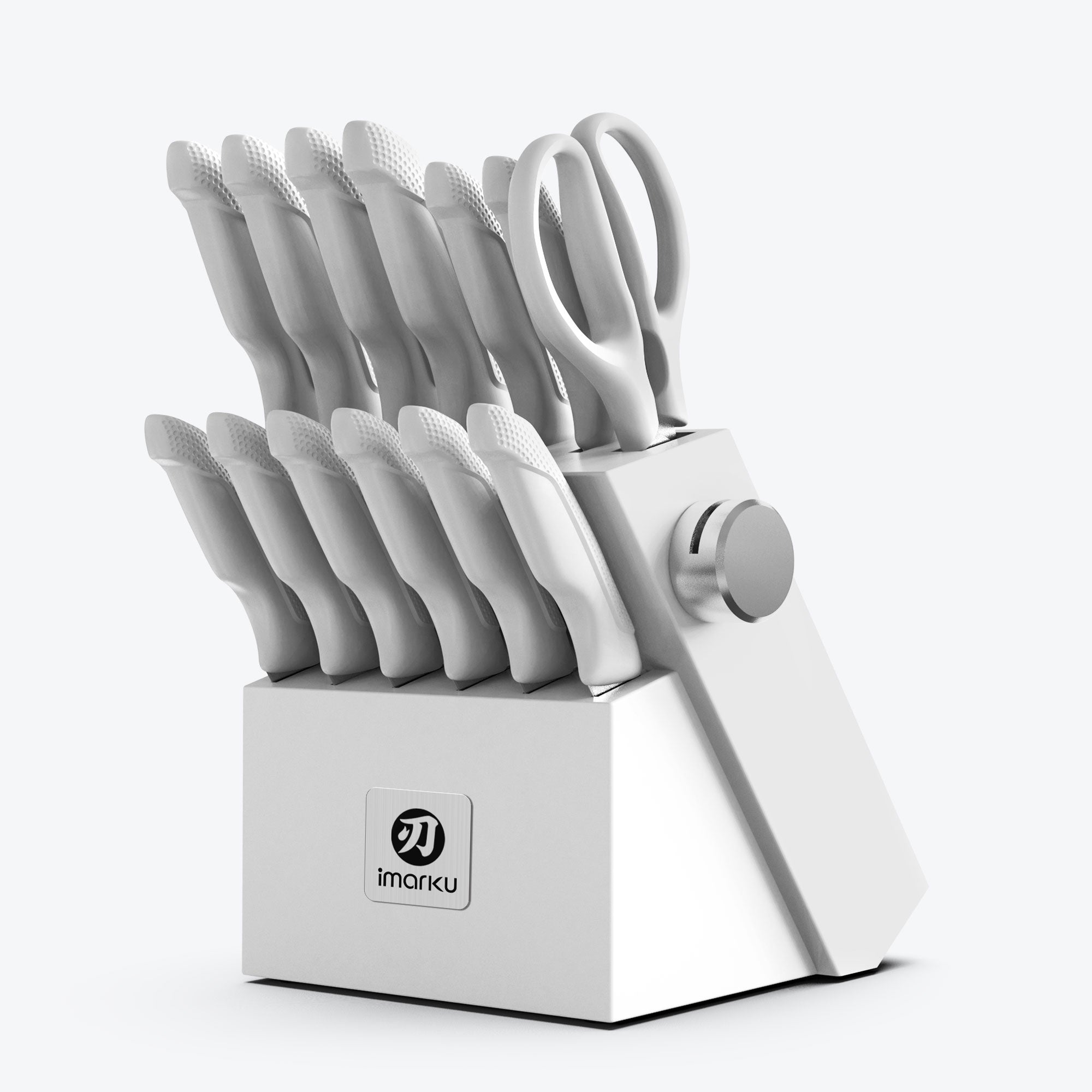
That is where something like an imarku gift card quietly makes sense.
Not as a lazy option.
As a thoughtful fallback for someone who clearly loves cooking, but probably has specific preferences you do not fully understand.
It also works surprisingly well for last-minute Father’s Day shopping because it still connects emotionally to his interests instead of feeling random.
Especially if it is paired with a simple message like:
“I know you’ll pick the one you actually want.”
That subtle acknowledgment of someone’s hobby often feels more respectful than guessing incorrectly.
The Best Father’s Day Gifts Usually Become Ordinary
The strange thing about truly successful gifts is that they eventually stop feeling like gifts.
They simply become part of life.
The favorite coffee mug.
The jacket always hanging near the door.
The grill tools used every summer.
The knife that somehow becomes the default choice for every meal.
That is why premium kitchen knives continue to resonate as meaningful Father’s Day gifts. Not because they create a dramatic emotional moment on one Sunday in June, but because they quietly continue existing in everyday life afterward.
And maybe that is what most people are actually trying to buy during Father’s Day anyway.
Not a reaction.
Not a performance.
Just a small object that makes someone’s ordinary routines feel a little better for a very long time.



Leave a comment
All comments are moderated before being published.
This site is protected by hCaptcha and the hCaptcha Privacy Policy and Terms of Service apply.