
Most people don’t start their search for a kitchen knife set by thinking about steel or specifications. The process usually begins much earlier, in a quieter way — by noticing how their kitchen looks and how they want it to feel.
Color is often the first thing that influences attention. Before function, before durability, before anything technical, people react to visual direction without even realizing it.
Kitchen First Impressions Matter

A kitchen is one of the few spaces in a home where design and daily use overlap constantly. That’s why visual details tend to influence shopping decisions more than people expect.
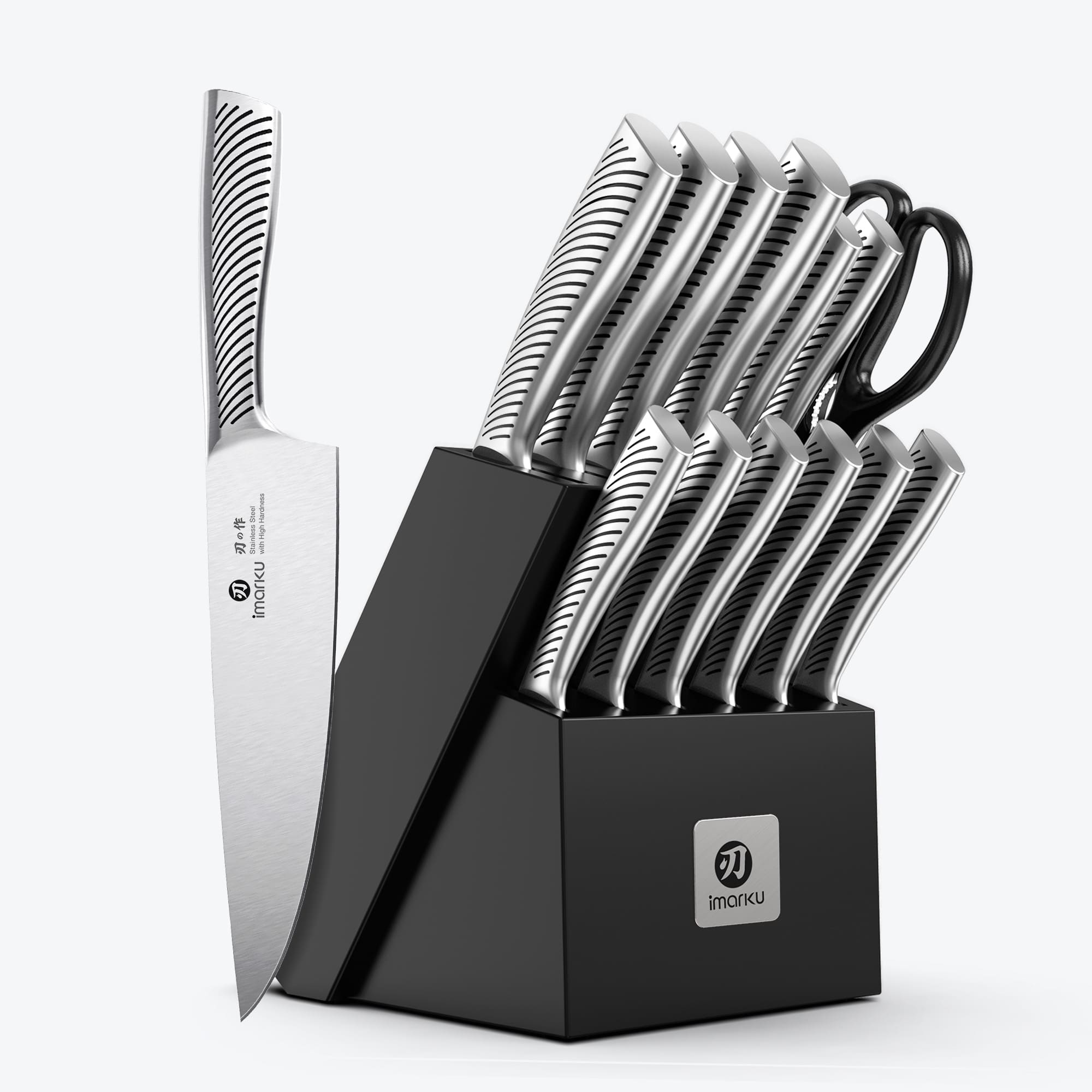
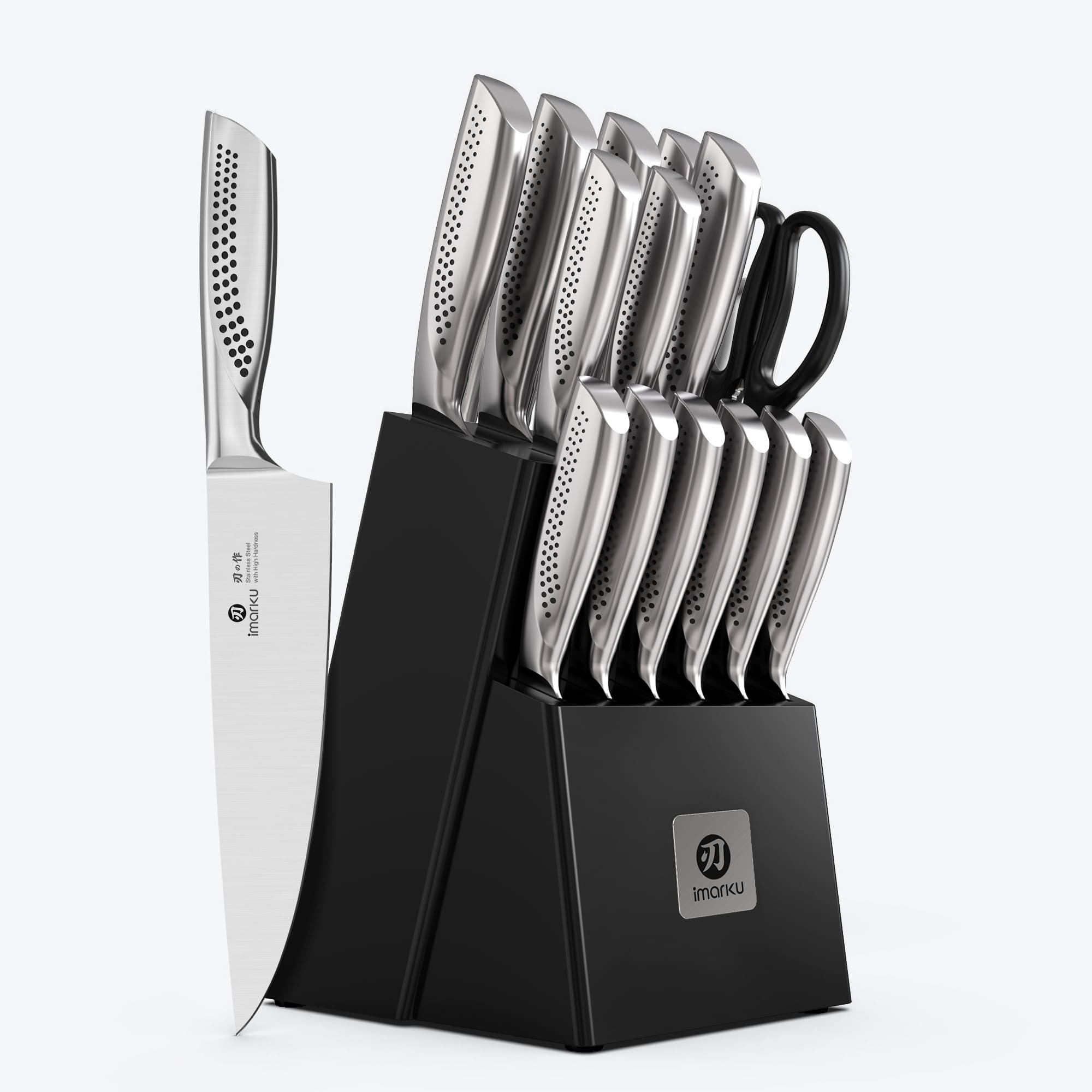
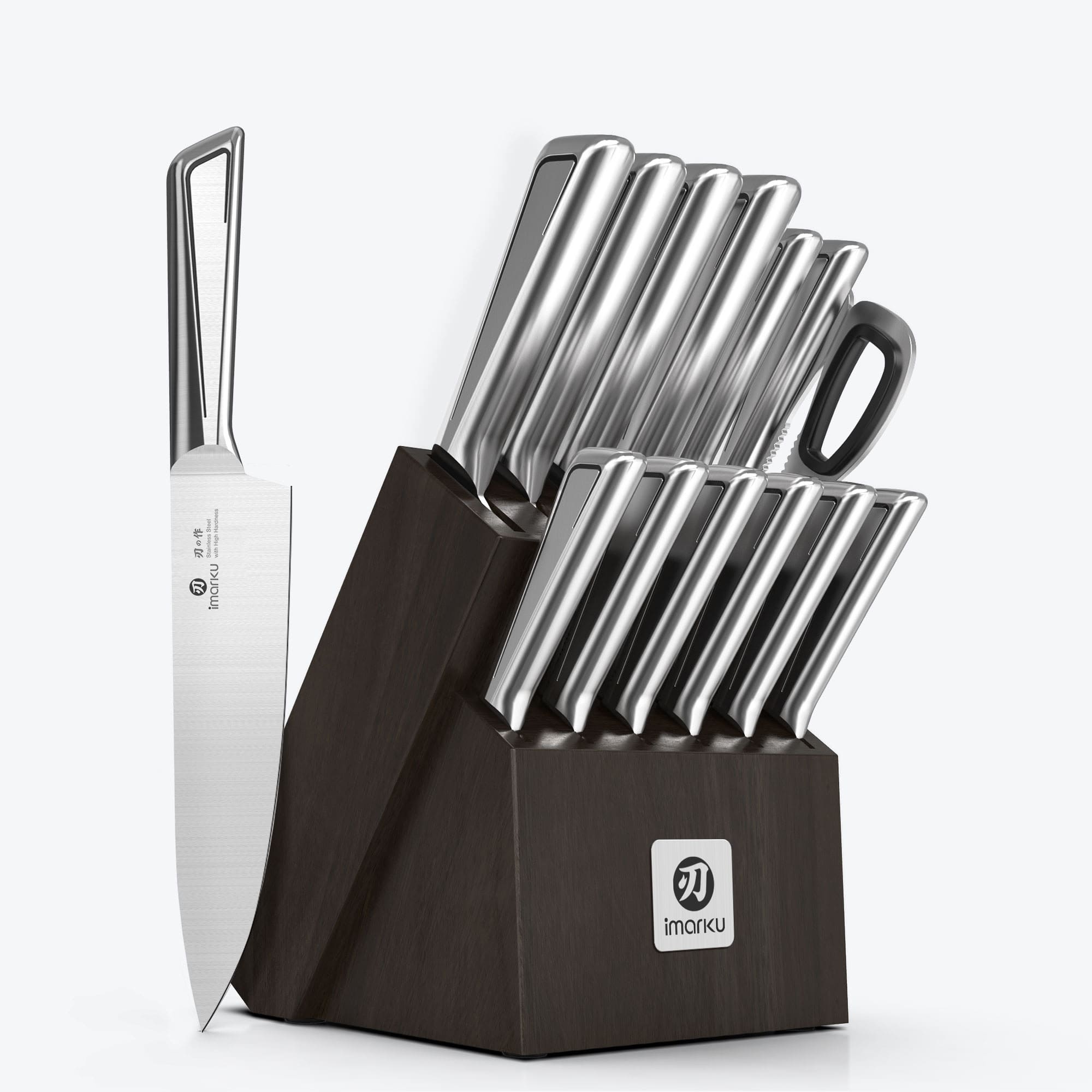
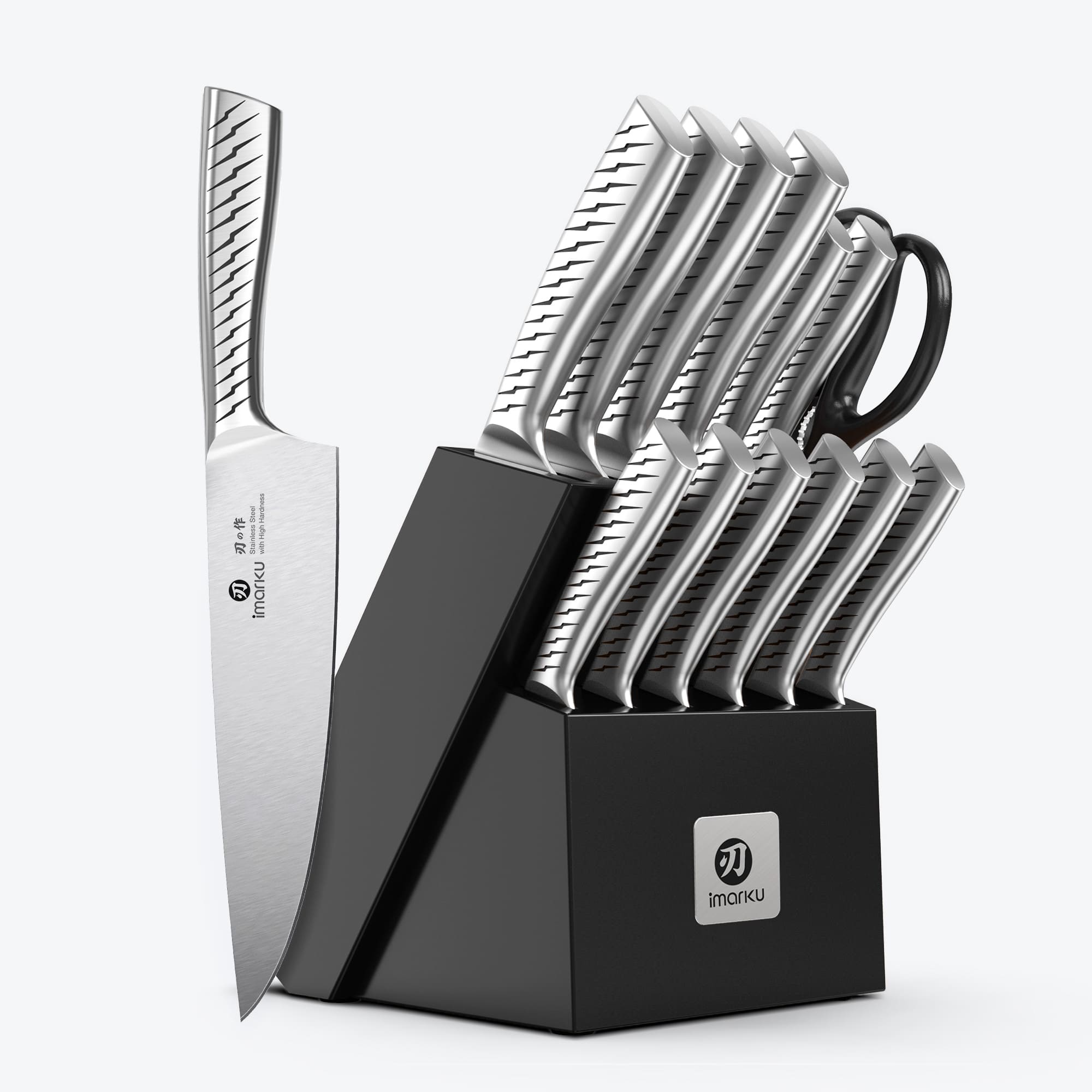
A black knife set often fits into kitchens that lean toward a modern kitchen aesthetic — darker tones, clean surfaces, and a more minimal visual structure. It naturally blends into that environment without standing out too much.
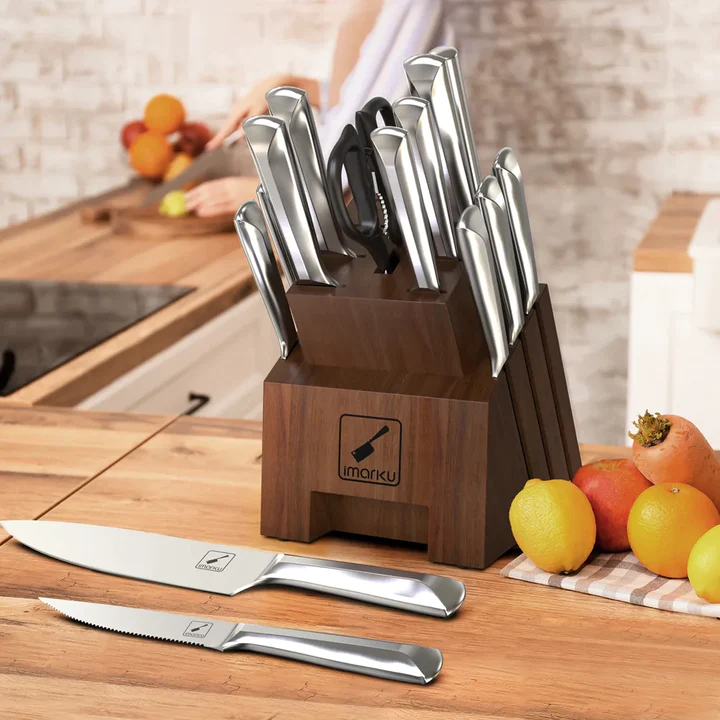
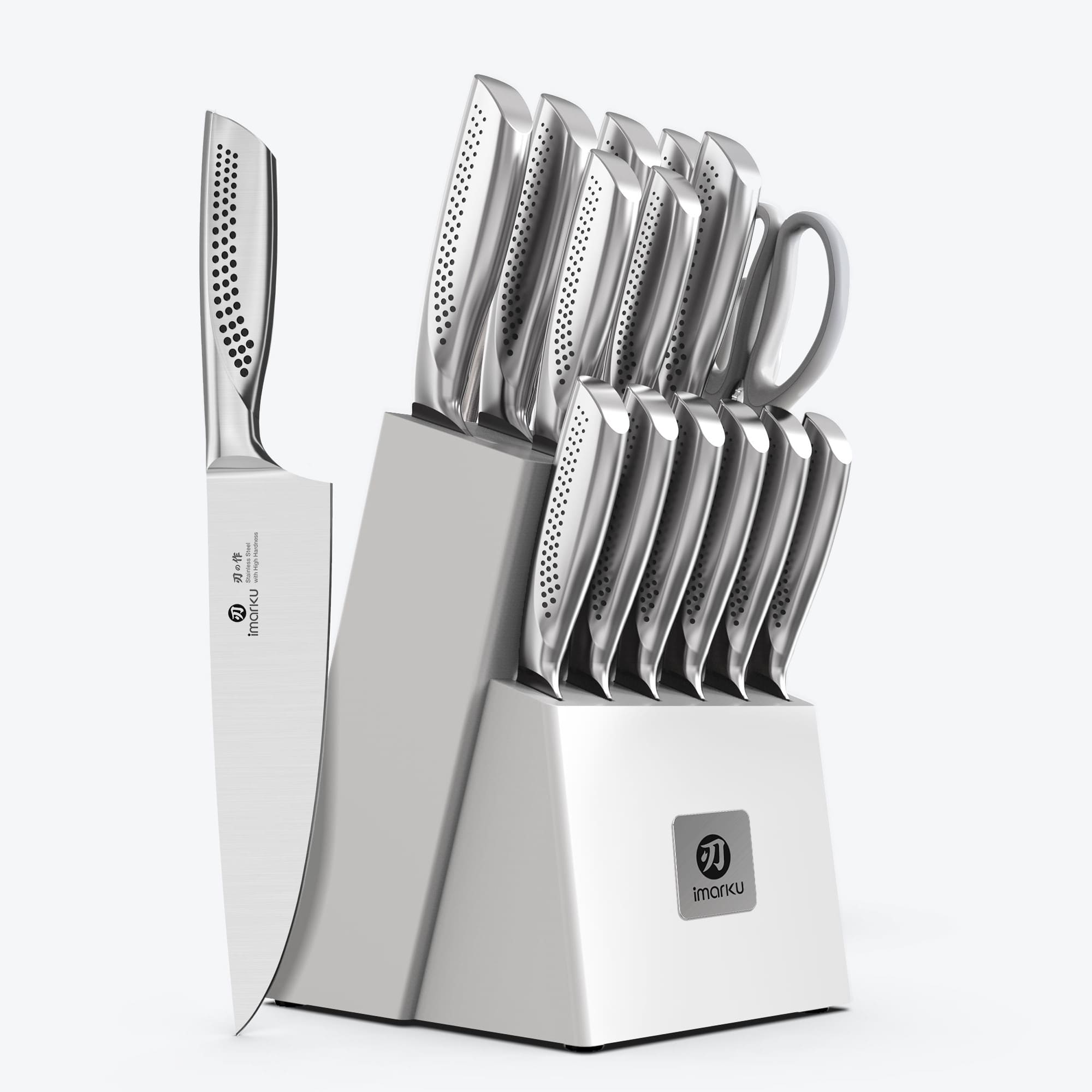
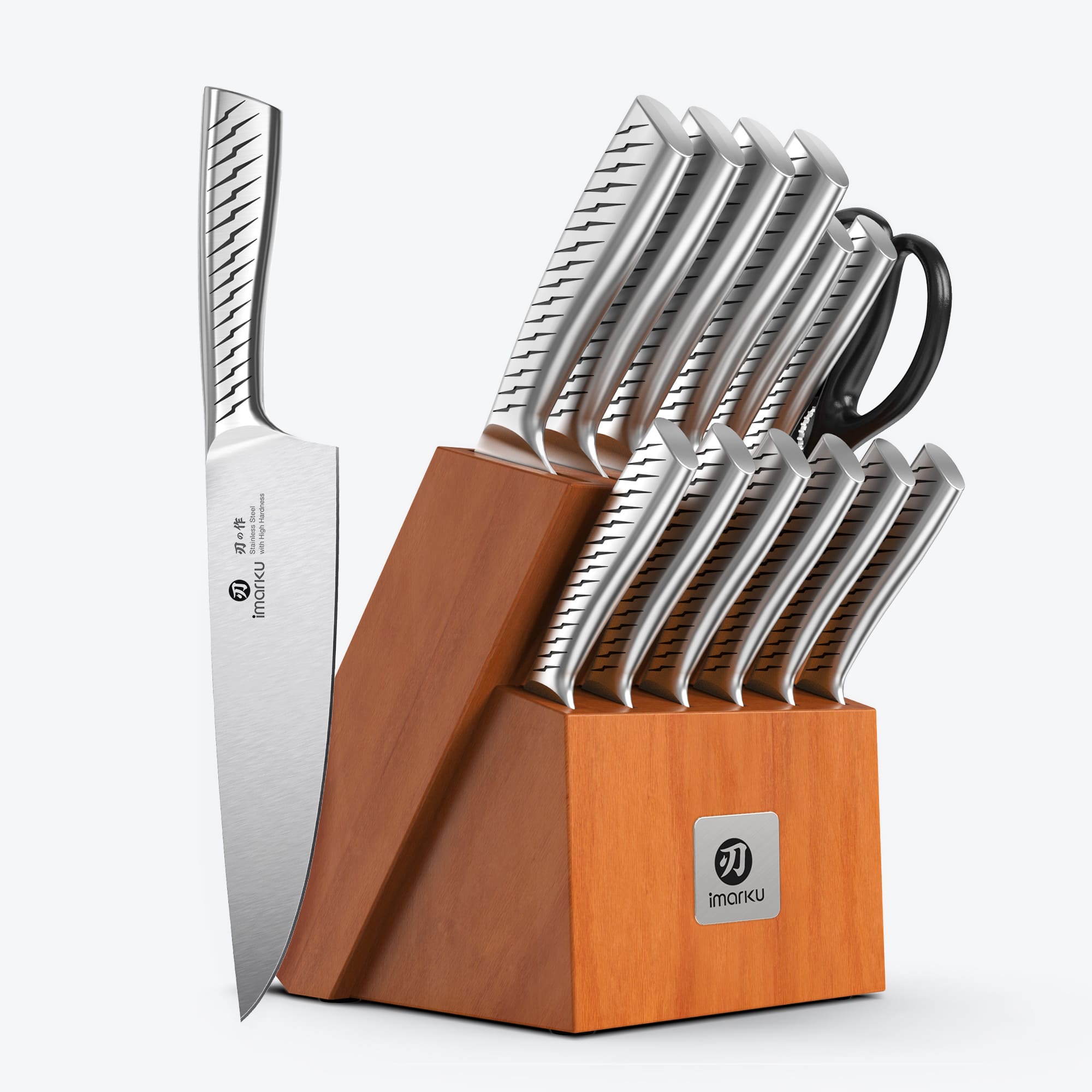
A stainless steel knife set, on the other hand, feels familiar in a different way. It matches the kind of kitchen most people grew up seeing, where tools are visible, practical, and straightforward.
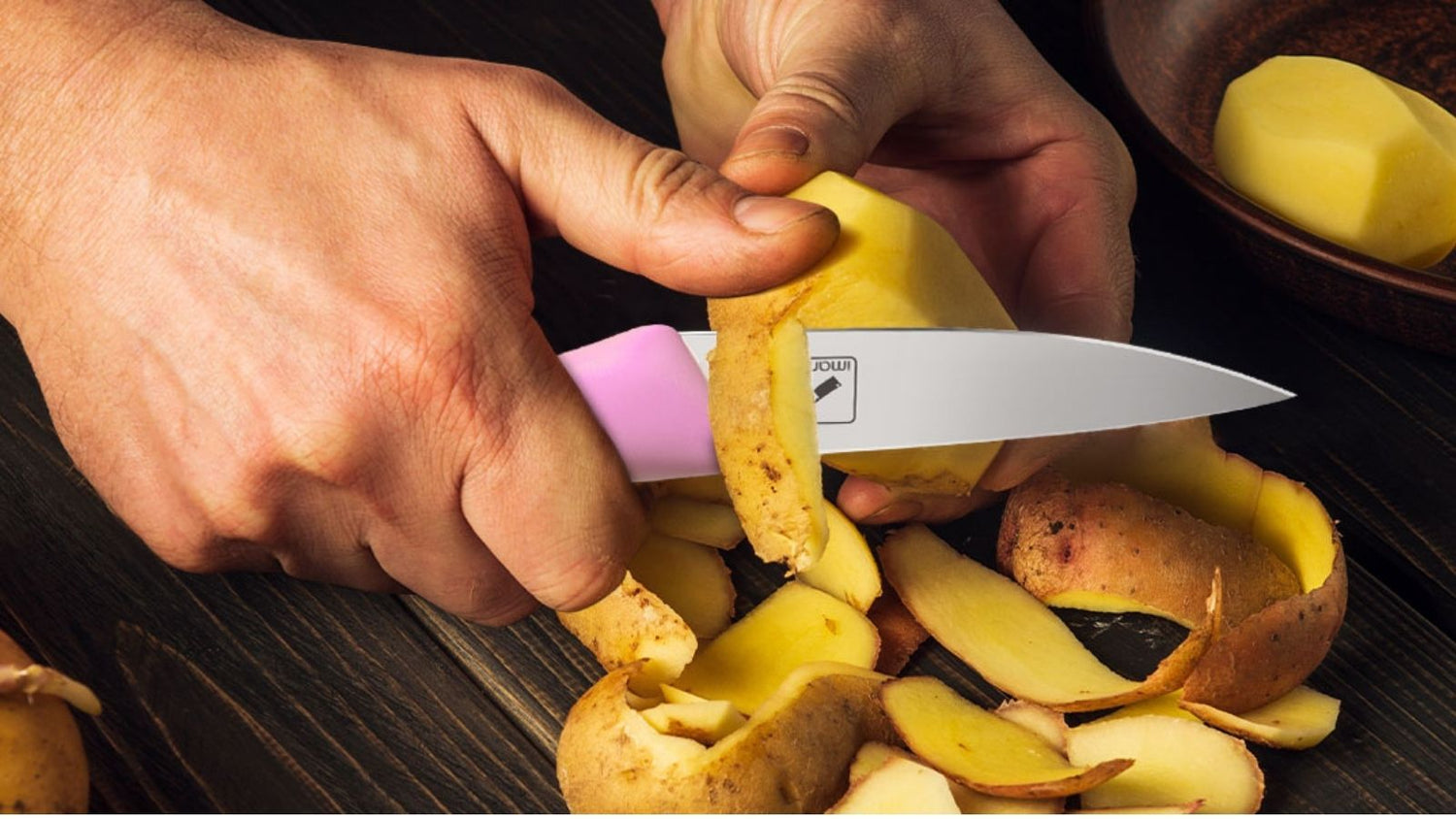
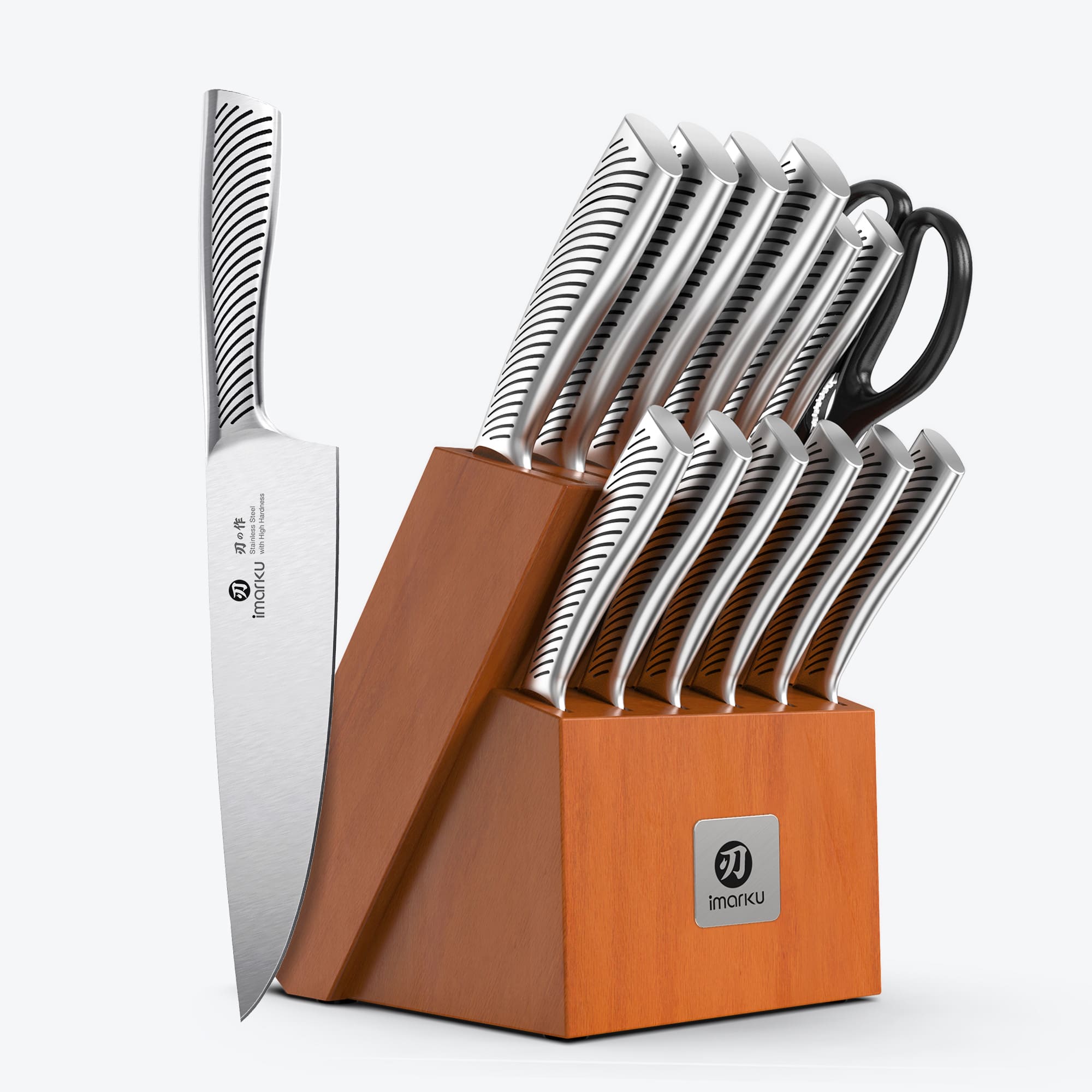
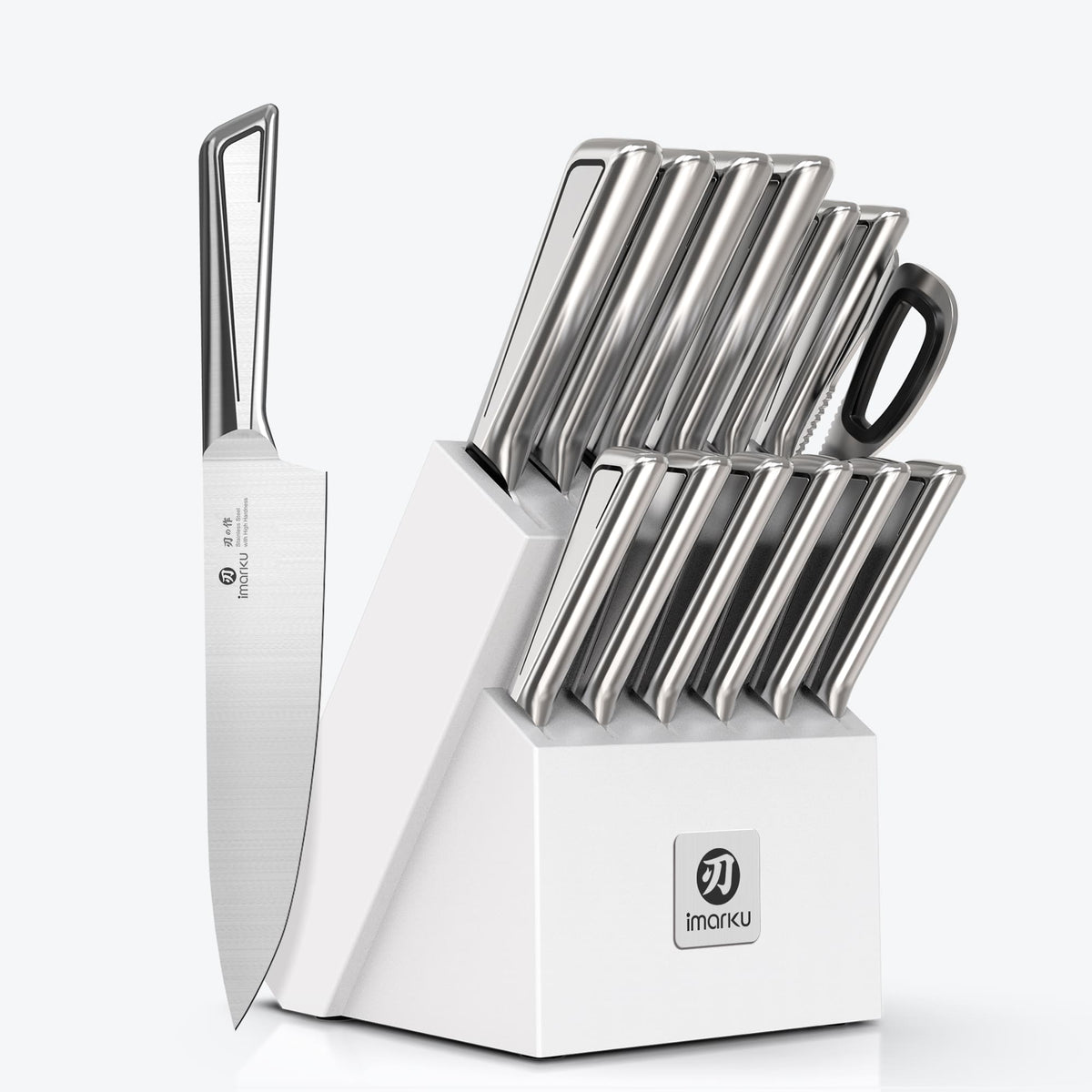
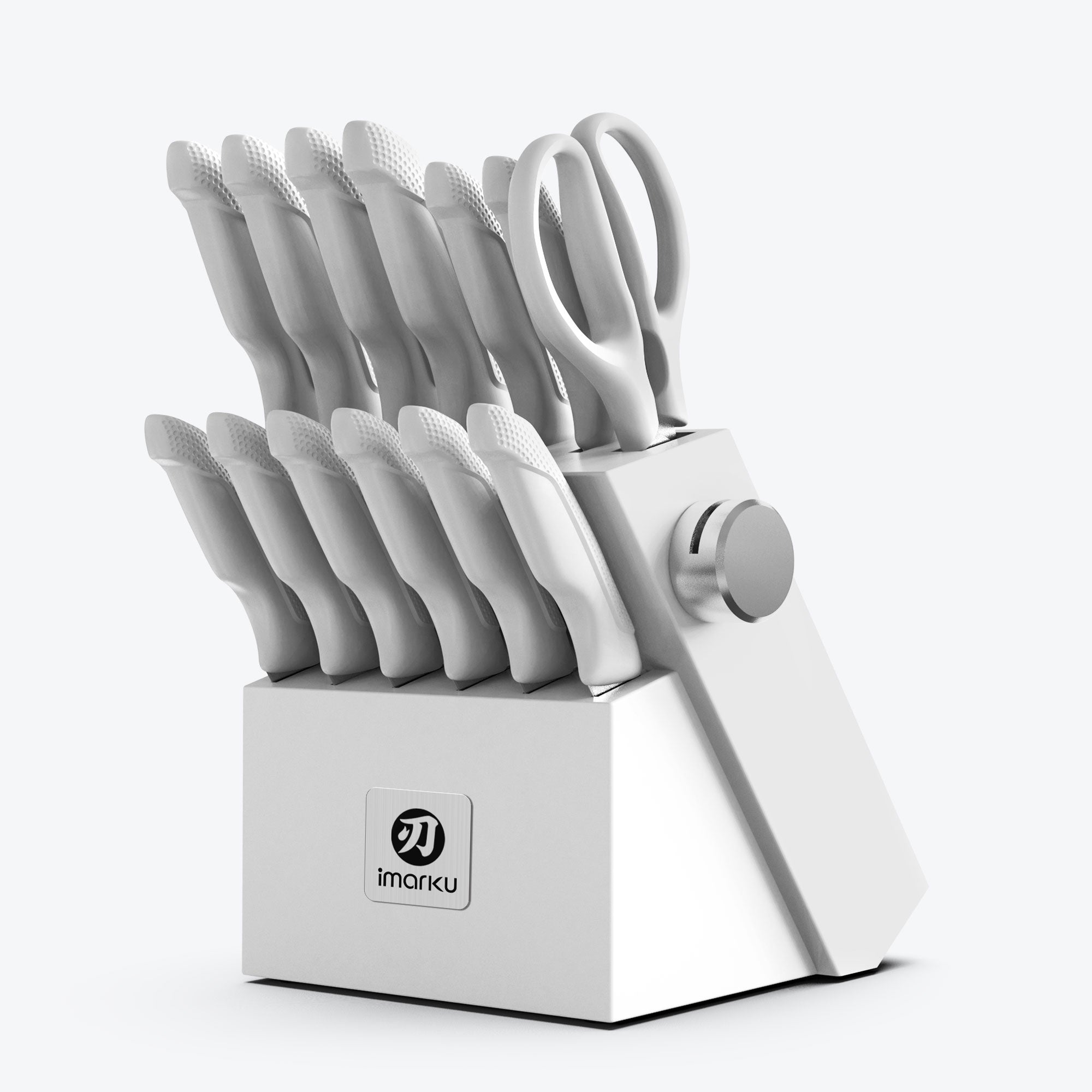
Other color directions appear in shopping behavior too. White kitchens feel light and clean, red or orange accents feel expressive and energetic, while softer tones like pink show up in more personalized kitchen spaces.
At this stage, it’s not really about performance yet. It’s about visual comfort.
Daily Cooking Changes the Perspective
Once a kitchen knife set enters daily use, the way people think about it slowly shifts.
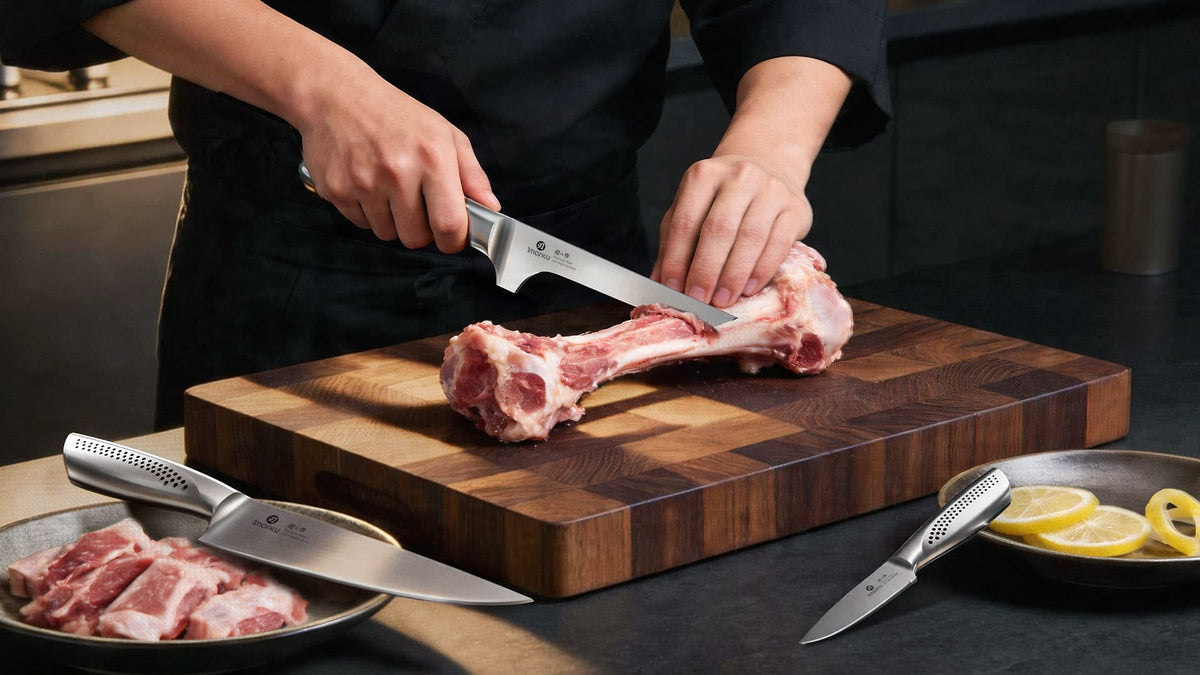
Cooking after work, preparing simple meals, cleaning up quickly — these routines expose how a knife actually behaves under repetition, not how it looks in a product photo.
This is where kitchen knife durability becomes something people start to notice naturally. Not as a specification, but as a feeling over time.
Kitchen knife maintenance also becomes part of the experience. Some knives require almost no thought beyond basic cleaning, while others demand more attention than expected.
Color still exists in the background, but it stops being the main point of evaluation.
Details Become More Noticeable Over Time

After a few months, most people stop reacting to how new a knife set looks and start noticing how it behaves in everyday cooking.
How smoothly it cuts. How it feels during longer prep sessions. How often it needs sharpening or care.
A black knife set may still stand out visually in a modern kitchen aesthetic, especially in carefully designed spaces. But small marks of use can become more noticeable because of contrast.
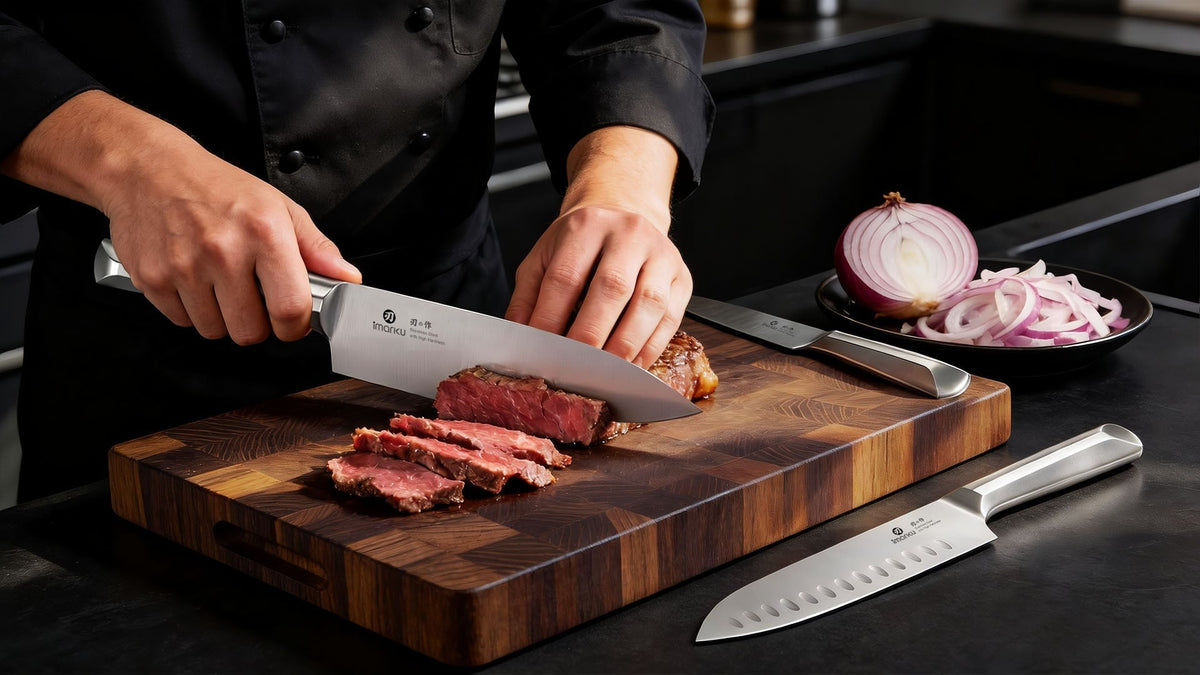
A stainless steel knife set tends to blend into daily kitchen activity more naturally. It doesn’t disappear, but it becomes part of the background routine.
That difference subtly influences how people feel about long-term use.
Cooking Habits Quietly Change Priorities
At the beginning, kitchen choices often feel like design decisions. But real cooking habits gradually reshape what matters.
When cooking becomes frequent, convenience and consistency start to matter more than appearance. When cooking is occasional, visual design tends to stay more important in everyday perception.
The same kitchen knife set can feel completely different depending on how often it is used and how much attention the user gives to maintenance.
Over time, these patterns form naturally without conscious decision-making.
Different Kitchens Lead to Different Choices

There is no single direction that fits every household.
Some kitchens are more design-focused, where visual consistency plays a strong role in daily comfort. In those spaces, color and style naturally influence product choices more strongly.
Other kitchens are more usage-focused, where tools are judged based on how easily they support everyday cooking.
In that context, preferences for a black knife set or a stainless steel knife set often reflect lifestyle more than design taste.
What People Eventually Realize
After enough time, most people stop thinking about kitchen knife sets in terms of color or appearance.
Instead, they think in simpler terms — what feels easy to use, what fits naturally into their routine, and what doesn’t create extra effort during cooking.
That’s where kitchen knife durability and kitchen knife maintenance quietly become the real deciding factors, even if they were never part of the original search.
And in hindsight, the decision usually makes more sense when it’s viewed through everyday cooking behavior rather than first impressions.



Leave a comment
All comments are moderated before being published.
This site is protected by hCaptcha and the hCaptcha Privacy Policy and Terms of Service apply.