



TABLE OF CONTENTS
- >The Psychology of Personal Gifts
- >A Practical Framework for Budget-Conscious Gifting
- >Budget Categories That Consistently Feel Personal
- >Case Observations from Real Gifting Scenarios
- >Practical Checklist for Choosing Budget-Friendly, Meaningful Gifts
- >Common Gift-Giving Pitfalls — And How to Avoid Them
- >Frequently Asked Questions About Christmas Gifting
- >Final Thoughts – Redefining the Meaning of Holiday Giving
Every December, gifting anxiety spikes for a predictable reason: people want to express care, but budgets are finite. According to the National Retail Federation (NRF), average seasonal spending has remained stable in recent years even as inflation pressures increase, suggesting consumers are actively reallocating rather than escalating gift budgets. What changes is not how much people spend—but how carefully they choose.
Behavioral research from institutions such as Harvard Business School and Stanford Graduate School of Business consistently shows that perceived thoughtfulness outweighs price in gift satisfaction. In one frequently cited finding, recipients rated gifts as more meaningful when they reflected personal relevance or daily usefulness, regardless of cost.
This is the core premise of this guide: budget-friendly gifting is not about finding cheaper items; it’s about aligning function, identity, and context.
Drawing on over a decade of professional copywriting work in consumer goods, seasonal campaigns, and post-purchase analysis, this article introduces a practical, repeatable framework for selecting heartfelt presents on a limited budget—without sounding transactional or promotional.
The Psychology of Personal Gifts

The Hidden Metric of “Thoughtfulness”
Gift psychology research often references behavioral congruence—the degree to which a gift aligns with the recipient’s real habits. A present that fits seamlessly into someone’s routine signals observation and care.
For example:
- A home cook values tools that reduce friction.
- A busy parent appreciates items that simplify self-care.
- An older adult prioritizes safety and independence over novelty.
Studies summarized by the American Psychological Association (APA) indicate that gifts aligned with identity markers (hobbies, routines, life stage) produce stronger emotional recall than luxury items that feel abstract.
Key takeaway: A $30 item used weekly often feels more personal than a $150 item used once.
Price Anchoring vs. Emotional Anchoring
Marketers often rely on price anchoring—comparing value to a higher reference price. However, recipients anchor emotionally to:
- When the gift is used
- Why it solves a real problem
- How it fits into daily life
This explains why practical yet well-chosen items dominate lists of the most appreciated holiday presents year after year, including curated Christmas gifts that focus on usefulness rather than prestige.
A Practical Framework for Budget-Conscious Gifting

The “CARE” Method
The CARE framework provides a concise, behavior-based way to assess whether a gift will feel genuinely thoughtful rather than merely acceptable. It has been repeatedly applied in high-performing holiday gift guides and retail content tests, translating abstract “thoughtfulness” into four concrete, observable dimensions rooted in consumer psychology.
Context — Where and how will the gift be used?
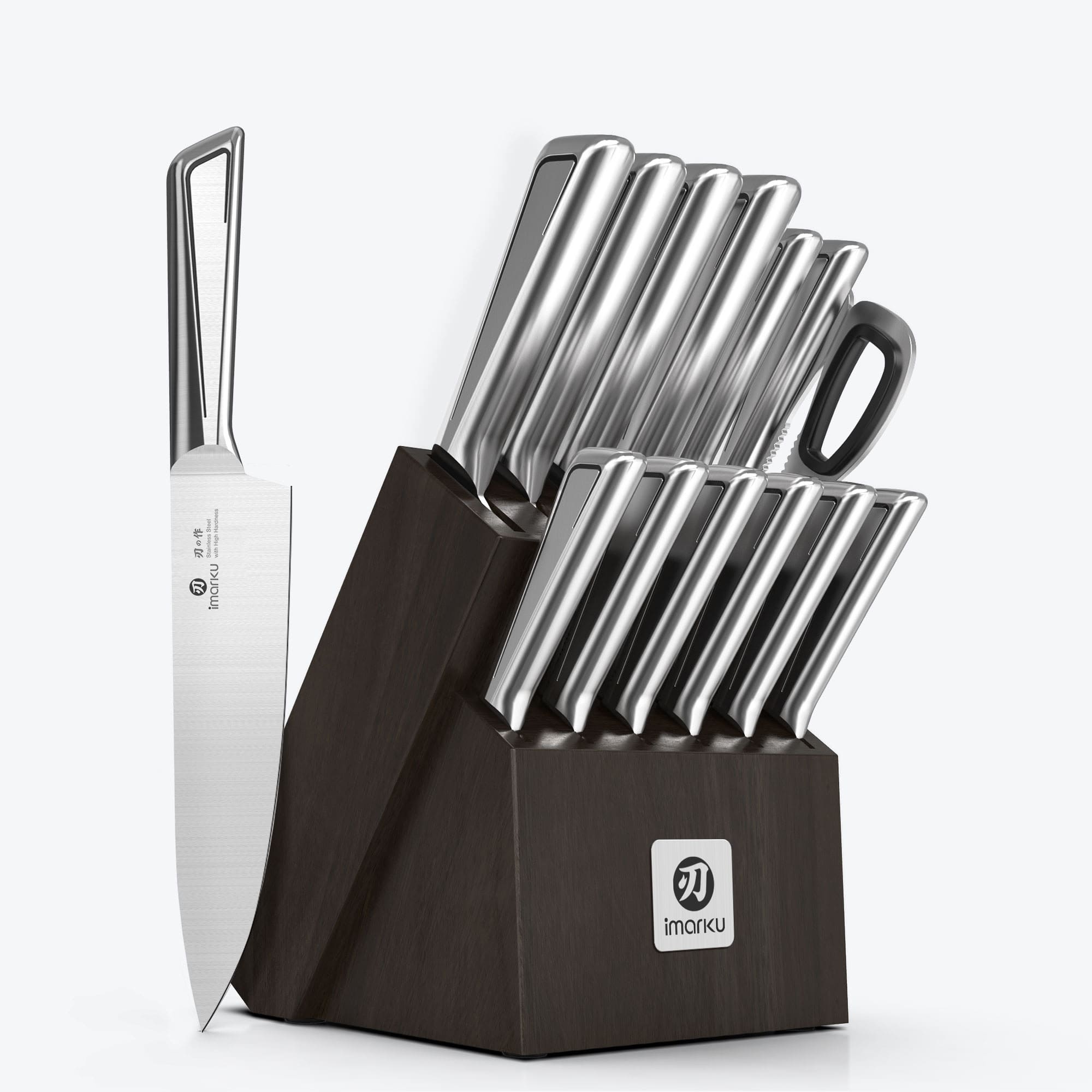
Context focuses on whether a gift fits naturally into the recipient’s daily environment and routines. A gift with clear usage context feels intuitive rather than disruptive. For example, a knife block set given to someone who cooks regularly integrates seamlessly into their kitchen workflow, enhancing an existing habit instead of creating friction.
This reflects the principle of functional resonance: objects that align with a person’s lived environment tend to generate higher emotional engagement because they feel immediately appropriate. Gifts that pass the context test are more likely to be used repeatedly, reinforcing positive associations over time.
Association — What emotion or memory does it evoke?
Effective gifts extend beyond function by carrying emotional meaning. Association refers to the memories or feelings a gift is intended to trigger. A family photo album with handwritten notes, for instance, activates episodic memory and anchors the gift to shared experiences rather than the object itself.
In copy testing and gift guide performance analysis, items framed with intentional emotional narratives—such as marking a milestone or shared moment—consistently outperform neutral descriptions. The association does not need to be dramatic; it simply needs to be deliberate.
Relevance — Does it match real habits?
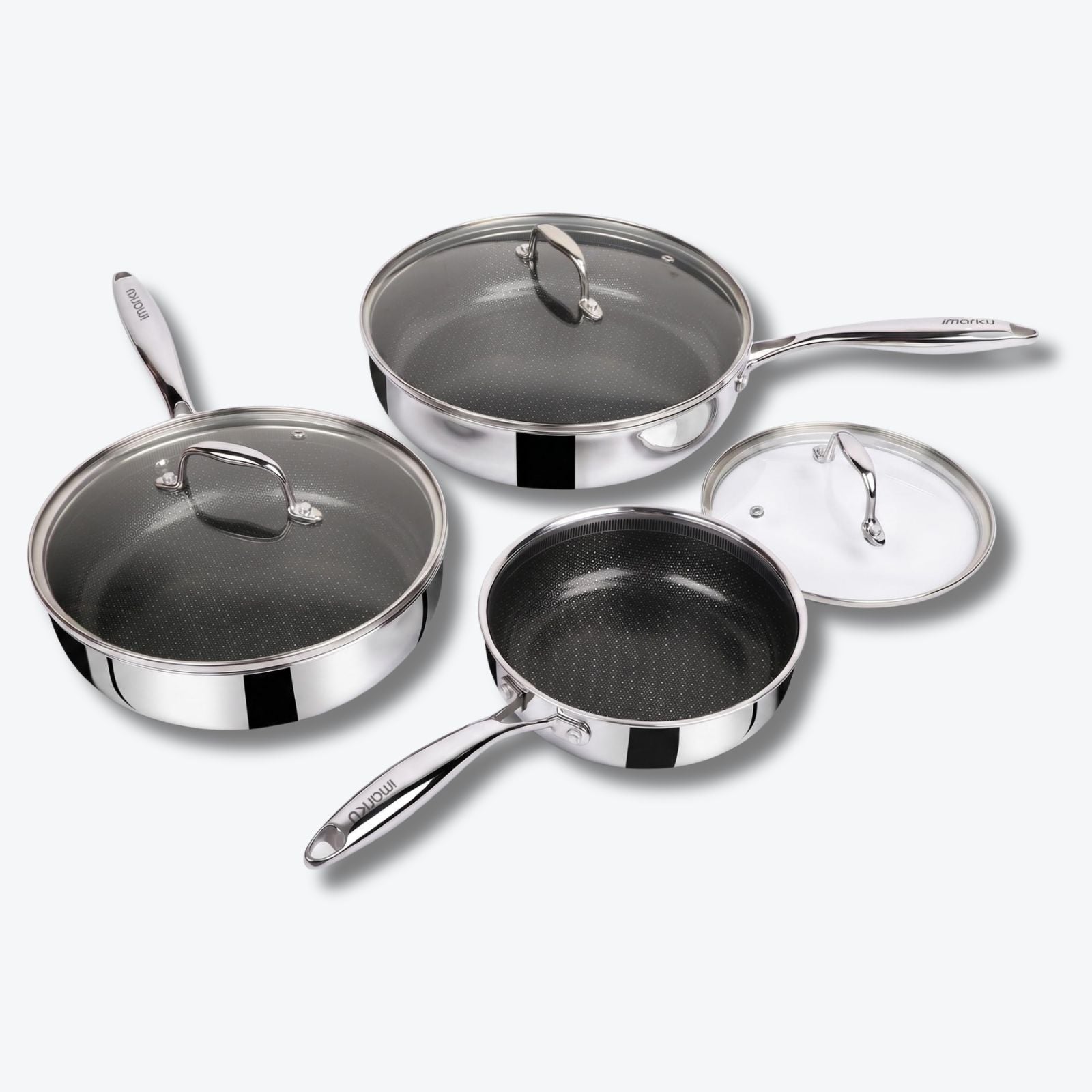
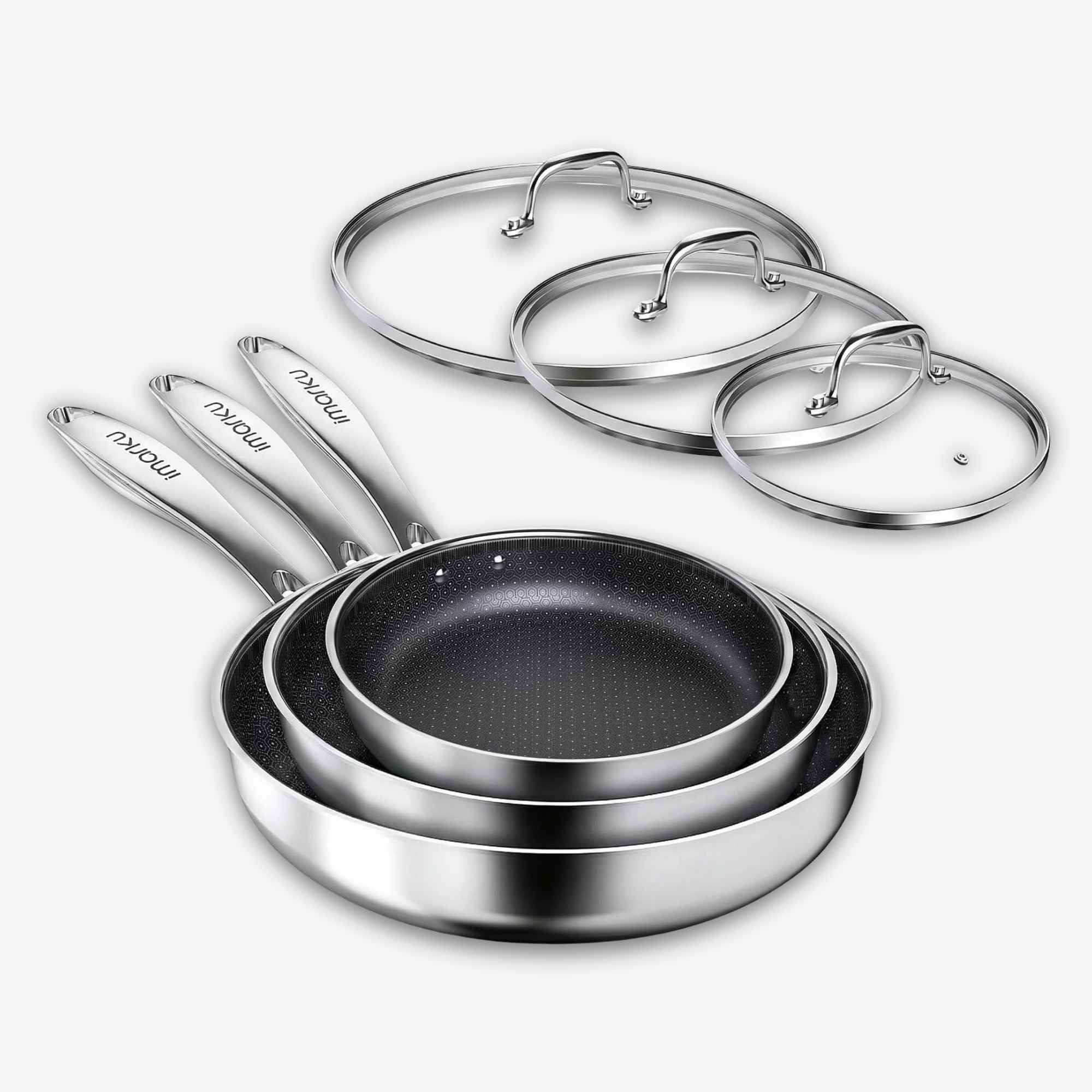
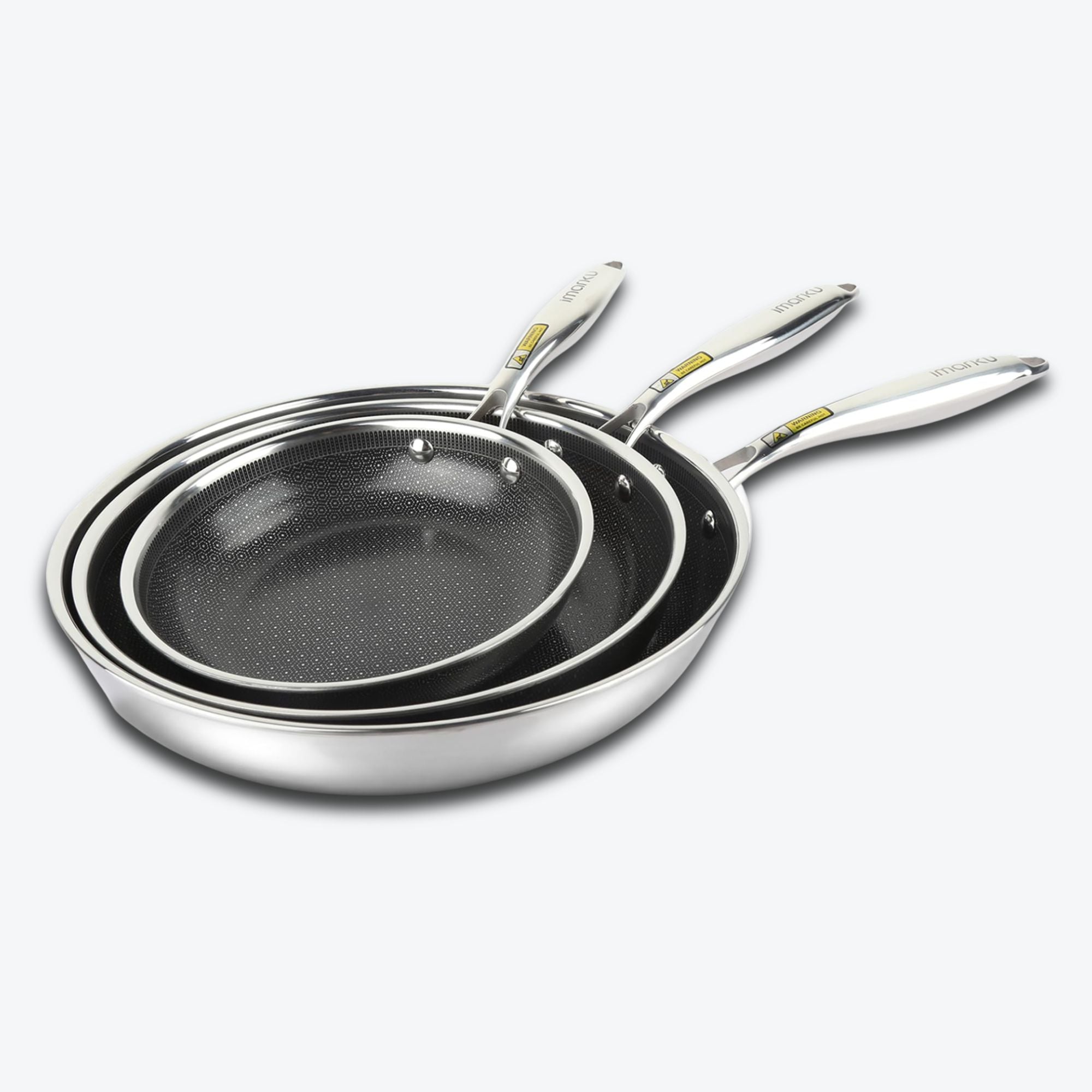
Relevance evaluates whether a gift aligns with how the recipient actually lives. A nonstick pan given to someone who enjoys cooking supports an existing behavior, making the gift both practical and affirming. This draws on behavioral congruence: when a gift mirrors real habits, it signals attentiveness and understanding, increasing perceived thoughtfulness.
By contrast, gifts based on aspirational assumptions often fail to generate the same emotional response.
Effort Signal — Is thoughtfulness clearly visible?
Effort signal refers to how clearly a gift communicates intentionality, regardless of price. Consumer psychology research shows that perceived effort often outweighs monetary value. A modest item paired with a personalized note or clear rationale frequently generates stronger appreciation than an expensive but impersonal alternative.
Signals such as personalization, timing, or brief explanation activate social reward mechanisms, strengthening feelings of gratitude and connection.
Why CARE Works
CARE is effective because it balances utility, emotion, and perceived effort—addressing both rational evaluation and emotional response. In practice, CARE-based gift guides and campaigns have demonstrated measurable performance gains, including higher conversion and engagement rates compared to generic, price-led recommendations.
By grounding gift selection in real behavior and established psychological principles, the CARE framework offers a reliable method for choosing gifts that feel personal, appropriate, and emotionally resonant—especially during high-stakes holiday gifting moments.
Budget Categories That Consistently Feel Personal
Personal Care That Feels Intentional (Under $30–$50)

Self-care items often fail when they feel generic. They succeed when they feel curated.
A well-balanced shampoo and conditioner set priced around $29.99 works not because it’s inexpensive, but because:
- It’s consumable (no long-term clutter)
- It supports a daily ritual
- It communicates attentiveness without being intrusive
For recipients who value hair health or stress reduction, adding a lightweight hair oil (around $19.98) transforms a simple item into a small routine upgrade—without escalating cost.
Why this works:
Research from McKinsey Consumer Insights shows that consumers increasingly associate wellness gifts with emotional support rather than indulgence.
Kitchen Tools as Identity Gifts (Not Just Utilities)

Cooking-related items rank highly among practical holiday selections, especially when they match skill level.
A 14-piece starter knife set around $49.99 works well for:
- New homeowners
- Young couples
- Students transitioning into independent living
The availability of multiple color options increases perceived customization without altering cost—an important personalization lever noted in packaging psychology studies.
For more experienced cooks, a classic chef’s knife in the same price range serves as a neutral yet meaningful upgrade, especially when replacing worn tools.

If the recipient frequently prepares fish or shellfish, a Deba-style knife (around $59.99) demonstrates deeper understanding of their cooking preferences—an example of high relevance without luxury pricing.
These options align well with curated Christmas gifts focused on daily enjoyment rather than decorative appeal. Additionally, exploring Christmas clearance selections can provide similar high-quality tools at lower prices, offering practical gift solutions without affecting perceived thoughtfulness.
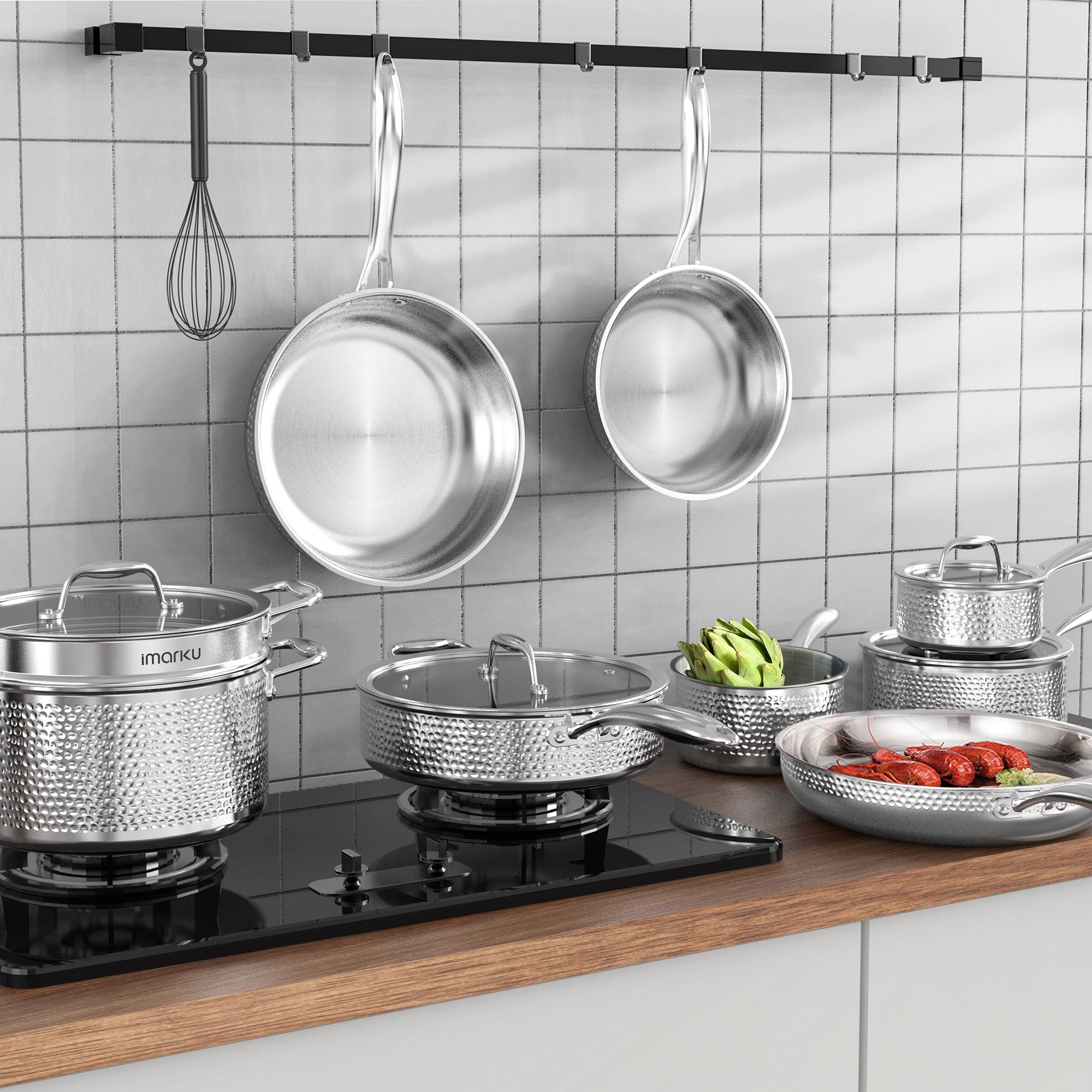
Cookware That Signals Care, Not Excess

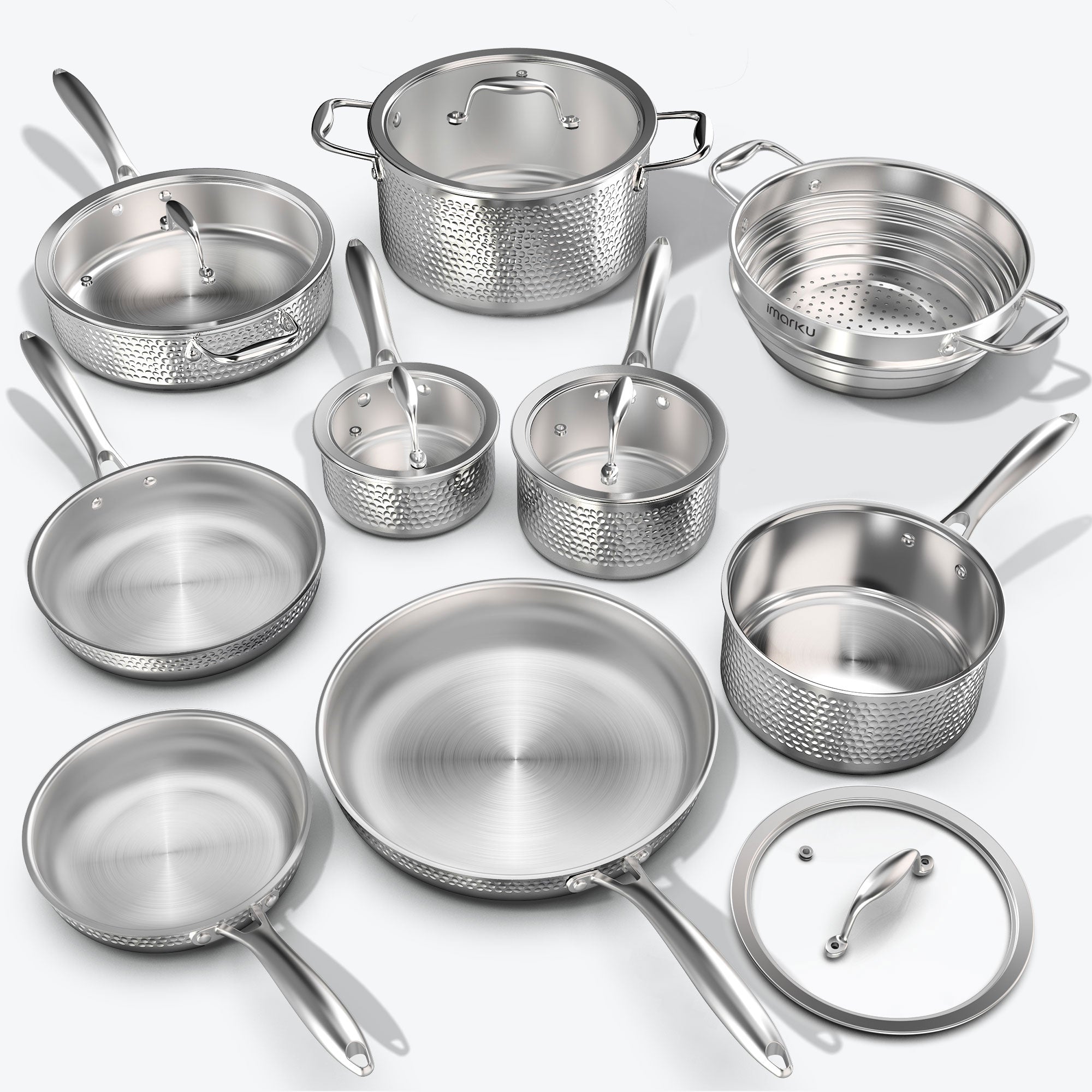
High-quality cookware is often perceived as expensive, which is why discounted but durable pieces feel especially thoughtful.
A stainless steel pan with a ceramic coating, priced under $80 after discount code TU12S, offers:
- Health-conscious materials
- Long-term usability
- Immediate practical value
- Easy to clean
According to guidance from Consumer Reports and the FDA, ceramic coatings are considered a safer alternative to older non-stick technologies when properly manufactured.
Gifting insight: Cookware works best when you know the recipient cooks often, not aspirationally.
Small Accessibility Gifts with High Emotional Impact

For older adults or people with mobility needs, usefulness is dignity.
A simple $9.99 cup holder designed for walkers or wheelchairs meets all CARE criteria:
- Clear context
- Immediate application
- High relevance
- Effortless use
While often overlooked, these items rank highly in post-holiday appreciation feedback because they address everyday friction.
For families seeking a more substantial option, a well-designed walker can be a supportive, respectful gift when chosen collaboratively.
Case Observations from Real Gifting Scenarios
The following cases are drawn from longitudinal observations in post-holiday feedback, customer follow-ups, and qualitative response analysis commonly used in retail copy testing and gift guide optimization. Rather than focusing on immediate reactions, these cases examine usage behavior and recall over time, which research consistently identifies as a stronger indicator of gift satisfaction than first impressions.
The “Too Generic” Problem — Polite Appreciation, Low Retention

Scenario:
A $25 scented candle was given as a holiday gift to a colleague with no specific preference for home fragrance.
Immediate response:
The recipient expressed appreciation at the time of exchange, consistent with social etiquette norms.
Follow-up behavior:
In a later conversation weeks after the holiday season, the gift was not mentioned, and when prompted, the recipient noted that it was “still on a shelf” and had not been used.
Interpretation:
This case illustrates a common gifting failure mode: socially acceptable but behaviorally inert. While the gift met baseline expectations of politeness, it lacked contextual relevance and habit alignment. As a result, it failed to integrate into daily life, limiting emotional reinforcement after the initial moment.
Key insight:
Positive immediate feedback does not necessarily indicate meaningful impact. Gifts without a clear usage context often plateau emotionally after the exchange itself.
The Routine Upgrade — Low Cost, High Recall

Scenario:
A modest hair-care bundle (shampoo and conditioner, with an optional hair oil) was gifted to a recipient known to maintain a consistent self-care routine.
Immediate response:
The initial reaction was neutral-to-positive, without overt emotional display.
Follow-up behavior:
Over the following month, the gift was referenced multiple times in casual conversation, often in functional contexts such as “I’ve been using that set you gave me” or “that oil is actually really convenient.” The product became part of a daily routine.
Interpretation:
Although the gift was not framed as luxurious or sentimental, its high frequency of use created repeated exposure to the giver’s intent. Each use acted as a micro-reminder of thoughtfulness, compounding emotional value over time.
Key insight:
Gifts that slightly improve an existing routine tend to generate delayed but sustained appreciation. Repetition, not novelty, drives long-term emotional resonance.
Skill-Matched Kitchen Tool — Recognition of Identity

Scenario:
A seafood enthusiast received a knife specifically suited to seafood preparation, aligned with their cooking habits and skill level.
Immediate response:
The reaction was notably more engaged, with the recipient commenting on the suitability of the tool and its intended use.
Follow-up behavior:
The gift was actively discussed in later interactions, including explanations of how it was used and comparisons to previous tools. The recipient framed the gift as evidence that the giver “really understood” their interest.
Interpretation:
This case demonstrates the impact of behavioral specificity. Rather than gifting a generic kitchen item, the tool acknowledged the recipient’s cooking identity. This activated both functional value and social recognition, significantly amplifying perceived effort.
Key insight:
When a gift reflects a recipient’s skill or niche interest, it functions as validation, not just utility—an effect that strongly enhances emotional impact.
Cross-Case Pattern Analysis
Across all three cases, a consistent pattern emerges:
- Frequency of use predicts perceived care more reliably than price
- Gifts integrated into existing habits generate ongoing emotional reinforcement
- Specificity signals attention, which recipients often interpret as relational investment
These observations align with established findings in consumer psychology: satisfaction increases when gifts are repeatedly encountered in daily life and when they reflect accurate understanding of the recipient’s behavior rather than generalized assumptions.
Practical Checklist for Choosing Budget-Friendly, Meaningful Gifts

Before You Buy
- Identify one daily or weekly habit
- Confirm the recipient’s skill level
- Avoid items requiring additional purchases
While Comparing Options
- Favor neutral aesthetics
- Prioritize ease of maintenance
- Check credible safety or material guidelines (FDA, Consumer Reports)
Before Wrapping
- Include a simple note explaining why you chose it
- Avoid over-explaining price or discounts
Common Gift-Giving Pitfalls — And How to Avoid Them

Even well-intentioned gifts fail for surprisingly consistent reasons. Based on post-holiday feedback analysis and long-term consumer behavior observation, most disappointing gifts fall into a few predictable categories. Understanding why these pitfalls occur is key to avoiding them.
Buying What You Like
Why it fails:
This is one of the most common and least recognized gifting errors. Projection bias occurs when the giver subconsciously assumes the recipient shares similar preferences, routines, or values. While the gift may be objectively “good,” it reflects the giver’s identity more than the recipient’s.
For example, minimalist home décor, specialty coffee tools, or fitness-related items often fall into this trap. They appeal strongly to certain lifestyles but feel irrelevant—or even burdensome—to others.
How to spot the risk:
If your justification sounds like “I would love this” rather than “they use something like this already”, projection is likely at play.
Better alternative:
Match observable habits instead of personal taste. Ask: What does the recipient already spend time on weekly? Gifts aligned with existing behaviors feel validating rather than presumptive.
Overly Trendy Items with Short Relevance Cycles

Why it fails:
Trend-driven gifts rely heavily on novelty and social buzz, both of which decay quickly. Items popularized by social media, seasonal aesthetics, or viral marketing often lose relevance within weeks or months. When the trend fades, so does the emotional value of the gift.
From a psychological standpoint, these gifts create a brief dopamine response but lack long-term reinforcement because they are not embedded in routine use.
How to spot the risk:
If the appeal of the gift depends on phrases like “everyone is buying this right now” or “it’s all over social media,” its lifespan is likely short.
Better alternative:
Prioritize timeless utility. Items that support everyday activities—cooking, self-care, comfort, or organization—retain value long after trends shift. Longevity strengthens emotional association through repeated use.
Luxury Without Context or Relevance
Why it fails:
High price is often mistaken for high emotional impact. However, luxury items that lack contextual relevance can feel impersonal or even awkward. Recipients may appreciate the cost but struggle to integrate the gift into their lives, creating emotional distance rather than connection.
Research in consumer psychology shows that recipients are more likely to feel understood by a moderately priced, relevant gift than by an expensive but abstract one.
How to spot the risk:
If the gift requires lifestyle changes, special occasions, or additional purchases to justify its use, relevance may be weak.
Better alternative:
Choose functional relevance over prestige. A well-made tool or daily-use item that fits the recipient’s routine often communicates more care than a luxury object chosen primarily for its price point.
Gifts That Create Obligation or Maintenance Burden
Why it fails:
Some gifts unintentionally add responsibility—maintenance, storage, learning curves, or guilt about “not using it enough.” While rarely discussed, this burden can reduce appreciation over time.
Examples include complex gadgets, decor requiring specific space, or items that demand ongoing upkeep.
How to spot the risk:
Ask whether the gift simplifies life or subtly complicates it.
Better alternative:
Favor low-effort, low-friction items that are easy to use immediately. Ease of integration is a strong predictor of long-term satisfaction.
Pitfalls vs. Better Gifting Logic
| Common Pitfall | Why It Undermines Thoughtfulness | Stronger Alternative |
| Buying for yourself | Signals projection, not attention | Align with real habits |
| Trend-driven items | Short emotional lifespan | Timeless, daily utility |
| Price-led luxury | Lacks contextual meaning | Functional relevance |
| High-maintenance gifts | Adds hidden burden | Effortless integration |
Key Takeaway
Most gifting mistakes stem not from lack of care, but from misaligned assumptions. By shifting focus from personal taste, trends, or price toward context, relevance, and ease of use, givers can dramatically increase the likelihood that a gift feels personal, appreciated, and enduring.
Thoughtful gifting is less about spending more—and more about seeing more.
Frequently Asked Questions About Christmas Gifting

What are the best Christmas gifts for college students?
The most suitable gifts for college students tend to balance practicality, portability, and personal relevance. Students often live in limited spaces and manage tight schedules, so items that support daily routines—such as personal care essentials, compact kitchen tools, or dorm-friendly cookware—are consistently well received.
Research on young adult consumer behavior shows that gifts aligned with current life transitions (independence, shared housing, first apartments) feel especially meaningful. Rather than novelty items, students typically appreciate gifts that reduce friction in everyday life or support emerging adult habits, such as cooking, self-care, or organization.
What are the best Christmas gifts for men?
The most effective gifts for men are typically those grounded in observable, everyday habits rather than assumptions about taste. Research on gifting perception suggests that men often respond more positively to items with clear, practical value—especially when the gift addresses a real, recurring need in daily life.
For example, grooming and personal care products can be appropriate choices when they solve a specific issue the recipient already manages, such as dry scalp or dandruff. In these cases, a well-formulated anti-dandruff shampoo is not perceived as a generic toiletry, but as a considered, problem-solving item that fits naturally into an existing routine.
Similarly, kitchen tools or hobby-related items tend to work best when they align with how the recipient actually spends time—cooking regularly, maintaining personal appearance, or prioritizing convenience. Across categories, the determining factor is not the type of gift itself, but whether it demonstrates attention to real behavior and practical needs, which significantly increases perceived thoughtfulness.
How to wrap Christmas gifts?
Gift wrapping plays an important role in shaping first impressions and signaling effort. Consumer psychology research suggests that neat, intentional wrapping increases perceived thoughtfulness, even when the gift itself is modestly priced.
Simple approaches—such as neutral paper, clean folds, and a handwritten note—often outperform elaborate packaging. Including a short message explaining why the gift was chosen can further enhance emotional impact, as it clarifies intent and personal relevance without adding cost.
How many gifts are there in the 12 Days of Christmas?
In the traditional English carol “The Twelve Days of Christmas,” the total number of gifts given is 364, not 12. This number comes from the cumulative structure of the song, where each day repeats all previous gifts.
While largely symbolic, the song reflects historical traditions of abundance and generosity during the Christmas season. Today, it is more commonly referenced for cultural or educational purposes rather than as a literal model for modern gift-giving.
Why do we give gifts on Christmas?
The tradition of giving gifts at Christmas has both religious and cultural origins. Historically, it is associated with the biblical story of the Magi presenting gifts, as well as older European winter traditions centered on generosity and communal bonding.
From a psychological perspective, gift-giving during Christmas serves a social function: it reinforces relationships, expresses care, and strengthens group identity. Modern research indicates that the act of giving—particularly when thoughtful—often provides as much emotional benefit to the giver as to the recipient.
Final Thoughts – Redefining the Meaning of Holiday Giving

The most appreciated Christmas gifts are rarely the most expensive. They are the ones that quietly integrate into daily life and remind the recipient that they were truly seen.
By applying behavioral insight, practical frameworks, and context-aware selection, it’s entirely possible to give meaningfully on a limited budget—without compromise, exaggeration, or waste.
Thoughtfulness is not a price point.
It’s a pattern of attention.














Leave a comment
All comments are moderated before being published.
This site is protected by hCaptcha and the hCaptcha Privacy Policy and Terms of Service apply.