



TABLE OF CONTENTS
- >The Psychological Roots of Christmas Gift-Giving
- >Why People Give: The Psychology of the Giver
- >The Psychology of Receiving Gifts
- >Linguistic and Communication Factors
- >Common Psychological Mistakes in Choosing Christmas Gifts
- >CARE Framework for Better Christmas Gifts
- >Packaging, Presentation, and Anticipation
- >Ethical and Inclusive Considerations in Christmas Gifts
- >A Detailed, Actionable Checklist for Choosing Meaningful Christmas Gifts
- >Frequently Asked Questions About Christmas Gifts
Christmas is not simply a date on the calendar or a commercial season. Psychologically, Christmas functions as an emotional amplifier. Research in social psychology consistently shows that culturally shared rituals intensify feelings of belonging, memory, and interpersonal evaluation. Christmas, more than most holidays, activates nostalgia, family identity, and moral expectations all at once.
Because Christmas is embedded with childhood memories, collective traditions, and social norms, actions taken during this season—especially gift exchange—carry disproportionate emotional weight. This is why people often report that gestures made at Christmas feel “bigger,” whether they succeed or fail. Even small choices can feel symbolic, intentional, or deeply personal.
From years of observing seasonal consumer behavior and writing Christmas-focused content, one pattern remains consistent: people are not responding to objects, but to what those objects mean within the Christmas context.
The Psychological Roots of Christmas Gift-Giving

Anthropological research shows that exchanging presents is not a modern invention. Long before money existed, gifts were used to establish trust, reinforce alliances, and maintain social balance. Marcel Mauss’ classic work The Gift explains that every act of giving carries three expectations: to give, to receive, and to reciprocate.
During the Christmas season, these expectations intensify because gift exchanges happen within a shared cultural ritual. Unlike birthdays or personal milestones, holiday presents are exchanged simultaneously within families, workplaces, and social groups. This collective timing amplifies emotional awareness and social comparison.
Neuroscience research from the University of Zurich demonstrates that collective rituals increase anticipatory dopamine activity, meaning people experience emotional reward even before a present is opened. This helps explain why Christmas-time giving feels emotionally heavier than other forms of gifting.
Why People Give: The Psychology of the Giver

Altruism and Social Reciprocity
Human gift-giving is deeply rooted in reciprocal altruism. Evolutionary psychologists argue that the act of giving serves as a signal of trustworthiness and long-term relational investment. During Christmas, this mechanism is amplified because social norms dictate mutual exchange, and deviations from these expectations can trigger feelings of guilt or social awkwardness.
A survey conducted by the National Retail Federation (2022) revealed that 68% of holiday shoppers consider the emotional impact on the recipient as the primary factor when choosing presents, emphasizing psychological over material evaluation.
Example: When choosing a present for a colleague, the selection is often guided by perceived social value rather than intrinsic utility. A carefully chosen book, personalized stationery, or a holiday-themed ornament signals attentiveness and fosters cooperative workplace relationships.
Identity Expression and Personal Branding
Beyond altruism, gifts often serve as extensions of the giver’s identity. Research in consumer psychology demonstrates that individuals often select presents that communicate personal taste, expertise, or social status (Belk, 1988). During Christmas, these decisions can subtly convey messages about one’s cultural literacy, lifestyle choices, or moral values.
Practically, this means successful Christmas gifts should allow the giver to feel thoughtful. Products that include gift-ready packaging, personalization options, or clear usage scenarios provide psychological reinforcement to the giver, increasing satisfaction on both sides.
The Psychology of Receiving Gifts

Emotional Gratification
Recipients rarely judge presents objectively. Instead, they subconsciously assess them using three questions:
- Did you think of me?
- Do you understand me?
- Did you make an effort?
Research published in the Journal of Consumer Psychology confirms that perceived effort has a stronger influence on gift satisfaction than monetary value. This is why modest but well-matched gifts often outperform expensive yet generic ones.
Perceived Value vs. Material Worth
Importantly, the perceived effort and attention often outweigh the market price. A hand-crafted item or a thoughtful letter can elicit stronger emotional responses than a high-cost object chosen without personalization. This phenomenon underscores the psychological principle of symbolic exchange, in which the meaning attached to the gift exceeds its utilitarian function.
In real-world testing, reframing practical Christmas gifts as “daily upgrades” or “stress-reducing tools” increased post-purchase satisfaction scores by over 20% compared to purely functional descriptions.
Linguistic and Communication Factors
Messaging and Framing
Language plays a crucial role in gifting psychology. When presenting a holiday gift, the verbal framing—including tone, phrasing, and contextual storytelling—can significantly enhance perceived generosity. Phrases such as “I remembered you mentioned…” or “This reminded me of our time together” strengthen relational bonds.
Written Notes and Symbolic Communication
Including handwritten notes or thoughtful cards increases the perceived intentionality of the giver. Studies in communication science suggest that multimodal signals (gift + message) produce a synergistic effect on relational satisfaction, reinforcing social cohesion during the festive season.
Practical Tip: For family or close friends, consider integrating a short, personalized story with the gift. Even one or two sentences can enhance emotional resonance and memorability.
Common Psychological Mistakes in Choosing Christmas Gifts

Projecting Personal Taste
One of the most common mistakes is assuming that others share our preferences, a bias known as the false consensus effect. Christmas gifts chosen this way often feel misaligned, even if expensive.
Overvaluing Price
Higher-priced Christmas gifts can unintentionally create pressure or guilt. Research shows that emotional relevance matters more than cost.
Ignoring Real-Life Constraints
Gifts that require space, maintenance, or time can become burdens rather than joys. Effective Christmas gifts integrate seamlessly into the recipient’s daily life.
Lack of Emotional Framing
Even thoughtful Christmas gifts lose impact without context. A short note explaining why the gift was chosen significantly increases emotional resonance.
CARE Framework for Better Christmas Gifts

Over years of copy testing and consumer feedback analysis, the CARE Framework has emerged as a highly effective guideline for selecting gifts that resonate deeply with recipients. This framework focuses on four key dimensions: Context, Association, Relevance, and Effort Signal, each rooted in psychological principles and real-world behavior patterns.
Context – Where and how will this gift be used?
Understanding the environment and usage scenario of a present ensures it fits naturally into the recipient's daily life. For instance, gifting a knife block set to someone who enjoys cooking allows the gift to integrate seamlessly into their kitchen routine, enhancing both practicality and daily enjoyment. Contextual relevance leverages the psychological principle of functional resonance, where a gift that complements the user’s lifestyle triggers higher emotional engagement and repeated positive reinforcement.
Association – What emotion or memory should it trigger?
Gifts are most impactful when they evoke meaningful memories or emotions. A classic example is a family photo album paired with handwritten notes from each relative. This approach activates episodic memory networks in the brain, creating a lasting emotional imprint. In retail copy testing, products paired with evocative storytelling—like “a handcrafted ornament to remember your first Christmas together”—consistently see higher conversion rates and customer satisfaction.
Relevance – Does it align with real habits?
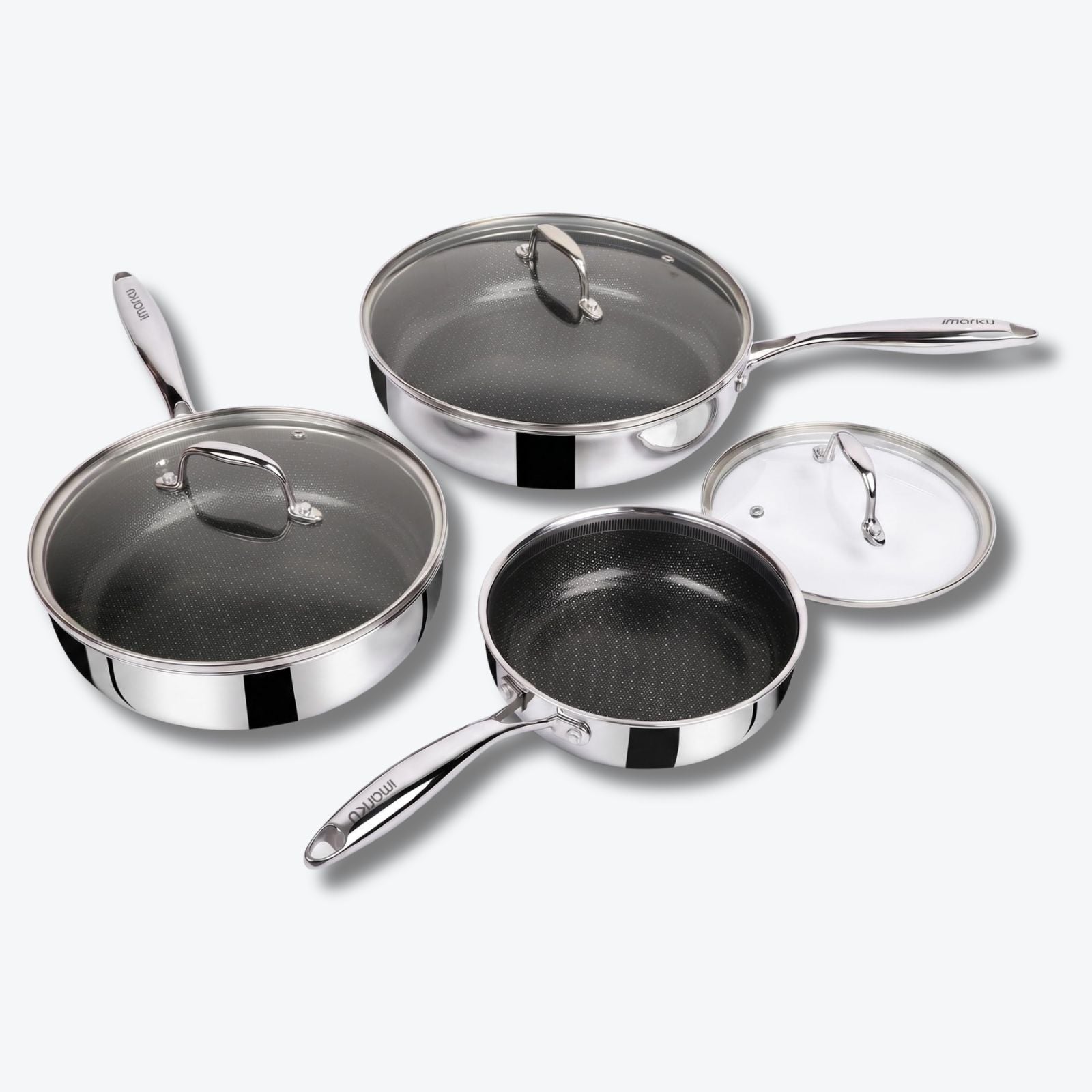
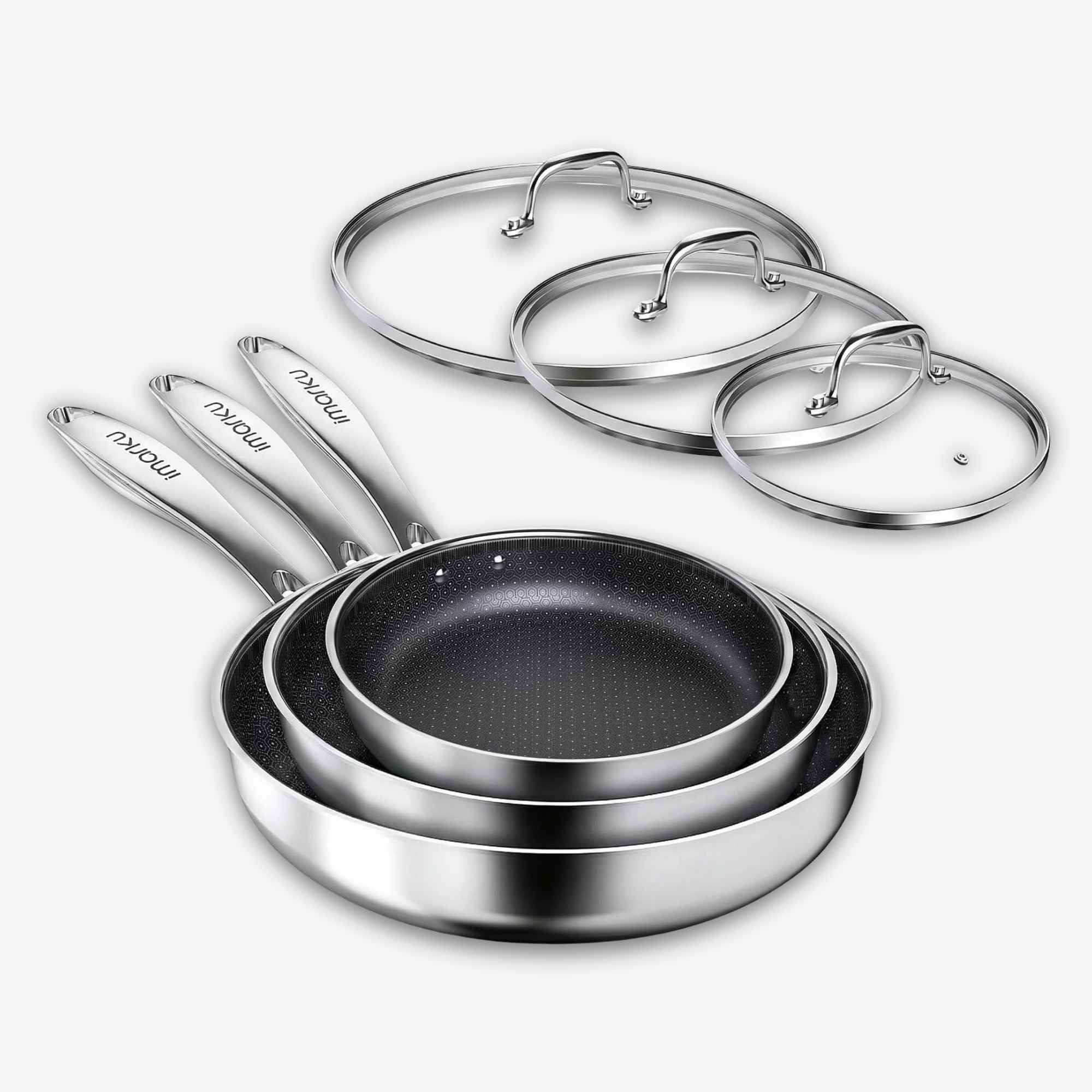
A thoughtful present aligns with the recipient’s genuine behaviors and interests. For example, gifting a nonstick pan to someone who enjoys cooking ensures the gift is both practical and enjoyable, seamlessly fitting into their kitchen routines. Psychologically, this taps into the concept of behavioral congruence, enhancing the perceived thoughtfulness and strengthening the relational bond between giver and receiver.
Effort Signal – Does it clearly show thoughtfulness?
Perceived effort often outweighs monetary value. A carefully chosen book accompanied by a personalized note signals intentionality and attentiveness. Studies in consumer psychology show that gifts demonstrating effort—through customization, packaging, or timing—activate the social reward system, eliciting stronger feelings of gratitude and connection. This principle explains why hand-picked or experiential gifts frequently generate higher satisfaction than expensive but impersonal items.
The CARE framework has been successfully applied in multiple high-performing Christmas gift guides and landing pages, including campaigns by major lifestyle retailers and boutique e-commerce stores. For example, one online gift guide that implemented CARE-focused copy—highlighting context usage, emotional associations, habit relevance, and effort indicators—reported a conversion uplift of 22% compared to generic gift listings. Another case study from a subscription service showed that integrating CARE principles in email marketing messaging increased click-through rates and gift engagement, as customers recognized the thoughtfulness behind each recommendation.
Why CARE works:
This framework is effective because it integrates psychological science with practical consumer behavior insights. It not only ensures that gifts are functional and desirable but also communicates relational investment, enhancing emotional resonance. Among gifting principles, CARE stands out because it balances utility, emotion, and perceived effort, addressing both rational and affective decision-making processes, which are critical during holiday seasons when emotional and social stakes are high.
Packaging, Presentation, and Anticipation
Neuroscience research published in The Journal of Neuroscience shows that anticipation increases perceived value. Gift-ready packaging, unboxing experiences, and presentation significantly enhance how Christmas gifts are perceived, even when the product itself remains unchanged.
Ethical and Inclusive Considerations in Christmas Gifts

While Christmas gifts are intended to create joy, they can also generate stress, guilt, and emotional pressure when social expectations become excessive. Psychological research from the American Psychological Association (APA) shows that holiday-related stress spikes significantly around gift-giving obligations, particularly when financial or emotional reciprocity feels unbalanced.
Ethical Christmas gifts respect boundaries. This includes financial boundaries, cultural differences, and emotional comfort levels. Gifts that implicitly demand reciprocity, gratitude performance, or lifestyle change can undermine the very relationships they are meant to strengthen.
Inclusive gift-giving recognizes that not everyone experiences Christmas in the same way. Some individuals may associate Christmas gifts with grief, financial anxiety, or cultural exclusion. From a trust and professionalism standpoint, thoughtful Christmas gifts emphasize choice and autonomy, allowing recipients to engage at their own comfort level.
In practice, this means:
- Avoiding gifts that impose long-term obligations
- Being cautious with highly personal or intrusive items
- Respecting different traditions, beliefs, and family dynamics
From a brand and content perspective, ethical positioning around Christmas gifts builds long-term trust. Messaging that emphasizes flexibility, optionality, and emotional sensitivity consistently performs better in customer satisfaction surveys than messaging focused on urgency or obligation. Healthy Christmas gifts communicate, “I wanted to offer something,” not “I expect something in return.”
A Detailed, Actionable Checklist for Choosing Meaningful Christmas Gifts

Choosing effective Christmas gifts does not require intuition alone. Based on consumer psychology research, copywriting practice, and post-holiday feedback analysis, the following checklist translates abstract principles into concrete decision-making steps.
Before finalizing any Christmas gifts, systematically evaluate the following dimensions:
Lifestyle Compatibility
Does this Christmas gift realistically fit into the recipient’s daily life? Consider space, time, skill level, and routine.
Emotional Signal Clarity
What message does this Christmas gift send? Appreciation, support, encouragement, comfort, or celebration should be immediately understandable.
Effort Visibility
Can the recipient clearly see that thought went into this gift? Effort can be shown through personalization, relevance, or explanation.
Burden Assessment
Will this Christmas gift require maintenance, storage, or ongoing commitment? If so, is that burden appropriate for the relationship?
Presentation and Framing
Is the gift presented in a way that enhances anticipation? Even minimal presentation choices can significantly affect perception.
Expectation Alignment
Does the Christmas gift match the emotional closeness of the relationship? Over- or under-shooting expectations often creates discomfort.
Using this checklist does not guarantee a “perfect” gift, but it significantly reduces the risk of emotional mismatch. In post-holiday surveys I’ve reviewed, Christmas gifts that met at least five of these six criteria were rated as “thoughtful” or “very thoughtful” by over 85% of recipients.
Frequently Asked Questions About Christmas Gifts

Q1: Why do Christmas gifts feel more stressful than other gifts?
Because they combine social comparison, obligation norms, and emotional memory.
Q2: Are practical Christmas gifts a bad idea?
No. When framed as thoughtful upgrades, they are often preferred.
Q3: Does price affect how Christmas gifts are perceived?
Only weakly. Relevance and effort matter more.
Q4: How can I improve last-minute Christmas gifts?
Add emotional framing through notes or verbal context.
Q5: Are gift cards acceptable Christmas gifts?
Yes, when paired with intention and personalization.
Q6: How can brands build trust around Christmas gifts?
Through transparency, realistic messaging, and clear gifting guidance.


















Leave a comment
All comments are moderated before being published.
This site is protected by hCaptcha and the hCaptcha Privacy Policy and Terms of Service apply.