
TABLE OF CONTENTS
- >Why Dull Knives Cause More Accidents Than Sharp Ones
- >30-Second Check: Are Your Kitchen Knives Too Dull to Be Safe?
- >What Makes a Home Knife Safe? It’s About More Than Sharpness
- >Imarku: Razor-Sharp Japanese Steel Knives Built for Home Kitchen Safety
- >Built for real households, not just display counters
- >5 Simple Habits for Safer Home Cooking
- >Final Thought: Safety Starts With the Right Tool
If you’ve ever thought “sharp knives are too risky for everyday home cooking,” you’re far from alone. Most American households assume a dull blade is the safer choice — less likely to slip, less likely to cause a serious cut. But the data tells a completely different story.
According to the U.S. Consumer Product Safety Commission, over 410,000 knife-related injuries are treated in American emergency rooms every yearCPSC. And the leading cause isn’t overly sharp blades — it’s dull ones. Professional cutlers, hand surgeons, and kitchen safety experts all agree: a sharp knife is a safe knife, and a dull knife is the most overlooked hazard in your kitchen.
This isn’t just about making meal prep easier. For families, home cooks, and anyone who steps up to the cutting board, upgrading to a properly sharp, well-made knife is one of the simplest and most effective kitchen safety upgrades you can make.
Why Dull Knives Cause More Accidents Than Sharp Ones

The science is straightforward, and it all comes down to force and control.
A sharp blade bites into food the moment it touches the surface. It requires minimal downward pressure, stays on a predictable path, and lets you guide each cut with precision. A dull blade does the opposite: it skates, deflects, and refuses to penetrate unless you apply significant force. When that force finally breaks through the food’s surface, the knife lurches forward — often straight toward your supporting hand.
Here are the three biggest safety risks of cooking with dull knives:
1.Slippage is unpredictable and high-force
Round, smooth, or slippery foods — tomatoes, onions, chicken skin — are where dull knives become most dangerous. Instead of cleanly piercing the skin, the blade slides sideways. Because you’re already pressing hard to make the cut, there’s no time to correct your grip. This is the number one cause of finger and thumb lacerations in home kitchens, which make up 66% of all knife injuries.
2.Bad technique becomes a habit
When a knife won’t cut straight down, people improvise. They saw back and forth, rock the blade at awkward angles, or lean their body weight onto the handle. Every one of these compensations violates basic safe cutting form and raises your chance of injury over time. What starts as “this knife just needs a little extra push” slowly becomes a risky routine.
3.Dull knives cause worse wounds
It’s a common myth that sharp blades do more damage. In reality, a sharp knife makes a clean, narrow cut that typically heals quickly with minimal scarring. A dull blade tears and crushes tissue instead of slicing cleanly, resulting in wider, ragged wounds that take longer to heal and carry a higher risk of infection.
30-Second Check: Are Your Kitchen Knives Too Dull to Be Safe?

Most home cooks don’t notice their blades dulling until they’re already well past safe. You don’t need any special tools to test them — try these three quick checks:
1.The paper test
Hold a sheet of standard printer paper by one edge. If your knife can’t slice straight down through it cleanly without tearing or catching, the edge is already dull.
2.The tomato test
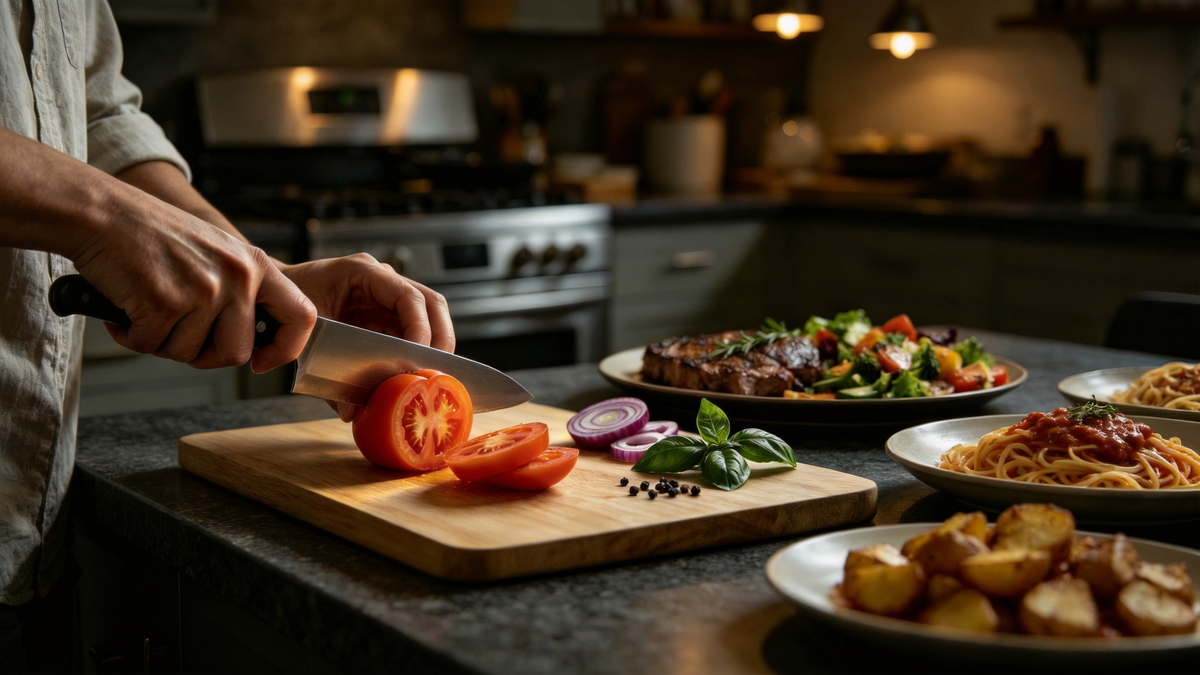
Rest the blade lightly on a ripe tomato. A sharp knife will break through the skin with its own weight. If you have to press down or saw to get through, your blade has lost its working edge.
3.The feel test
If you find yourself pressing harder than you did when the knife was new, or if food regularly squishes instead of slicing cleanly, dullness is already affecting both your results and your safety.
If any of these sound familiar, your knives aren’t just underperforming — they’re putting you at unnecessary risk every time you cook.
What Makes a Home Knife Safe? It’s About More Than Sharpness
A safe everyday kitchen knife doesn’t need to be a professional chef’s tool or cost hundreds of dollars. It does need three things: reliable sharpness out of the box, long edge retention so it stays safe between maintenance, and a design that reduces user error.
This is where Japanese-style stainless steel knives have pulled ahead for American home kitchens. Traditional Western factory knives often come with a 20–22 degree edge angle — durable, but not especially sharp. Japanese-style blades ground to a 15-degree angle deliver a much keener, more predictable cut with far less force required.
The catch? Many thin, ultra-sharp blades chip easily or dull quickly with regular home use, which sends owners right back to the same dull-knife safety problem. What you actually want is a blade that stays sharp, stands up to daily use, and doesn’t demand constant sharpening.
Imarku: Razor-Sharp Japanese Steel Knives Built for Home Kitchen Safety

This is exactly the gap Imarku set out to fill: restaurant-level sharpness, built for the realities of everyday American family cooking.
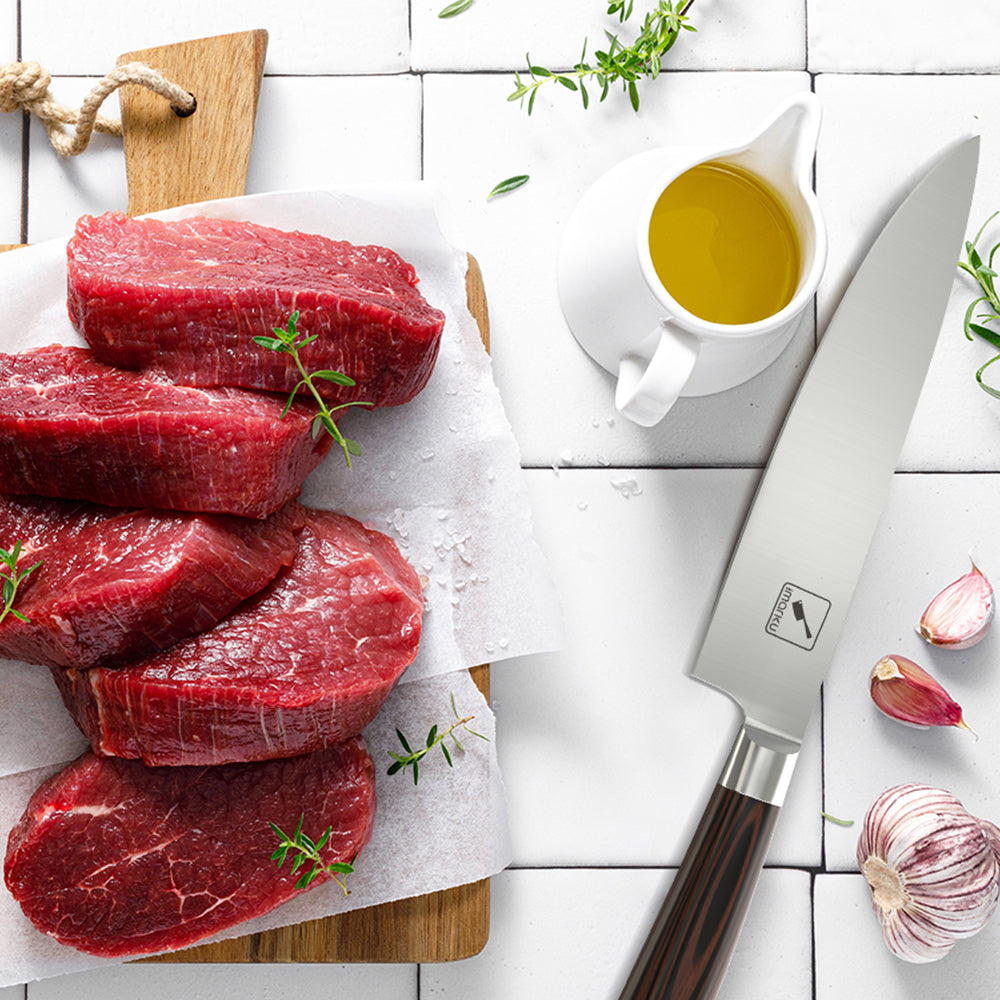
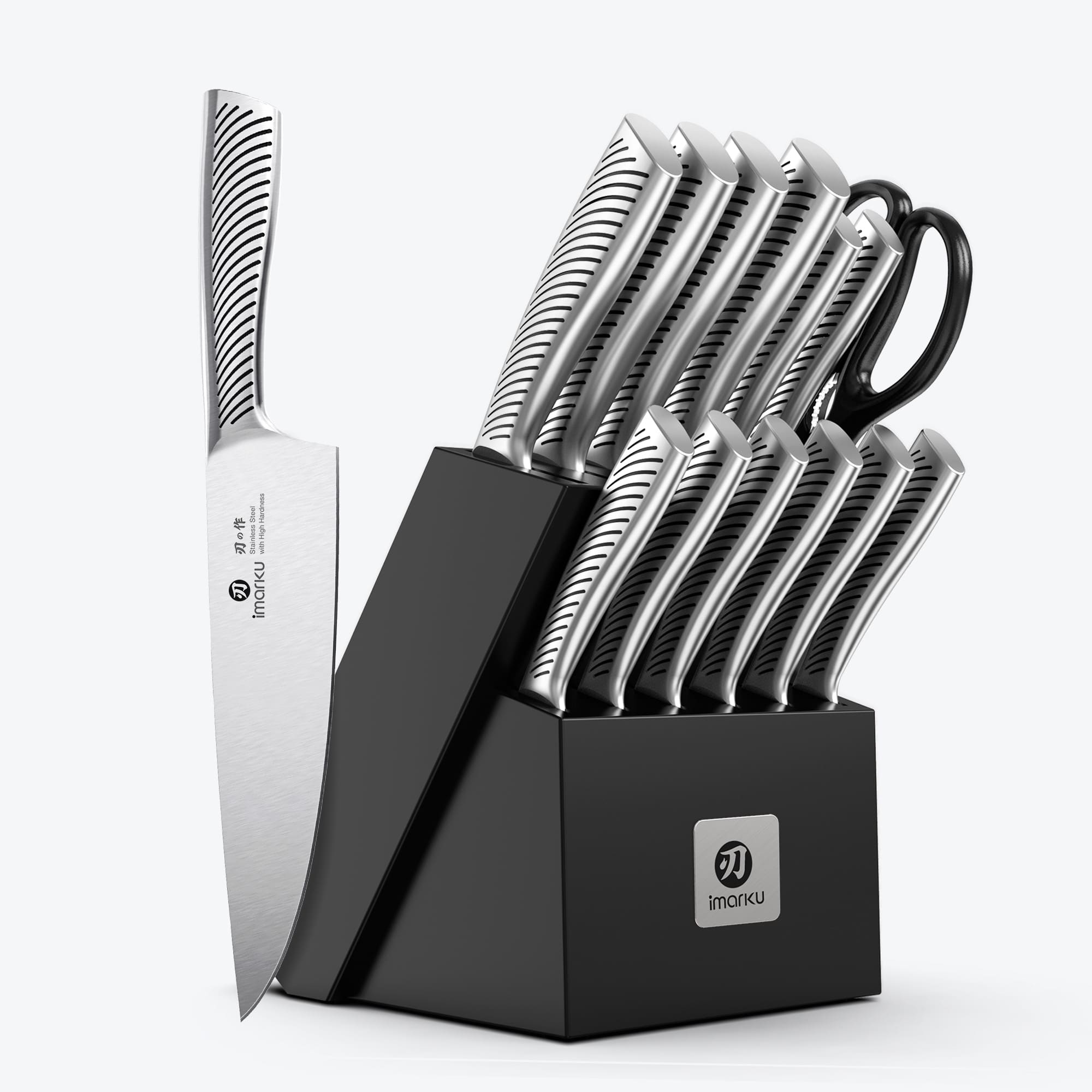
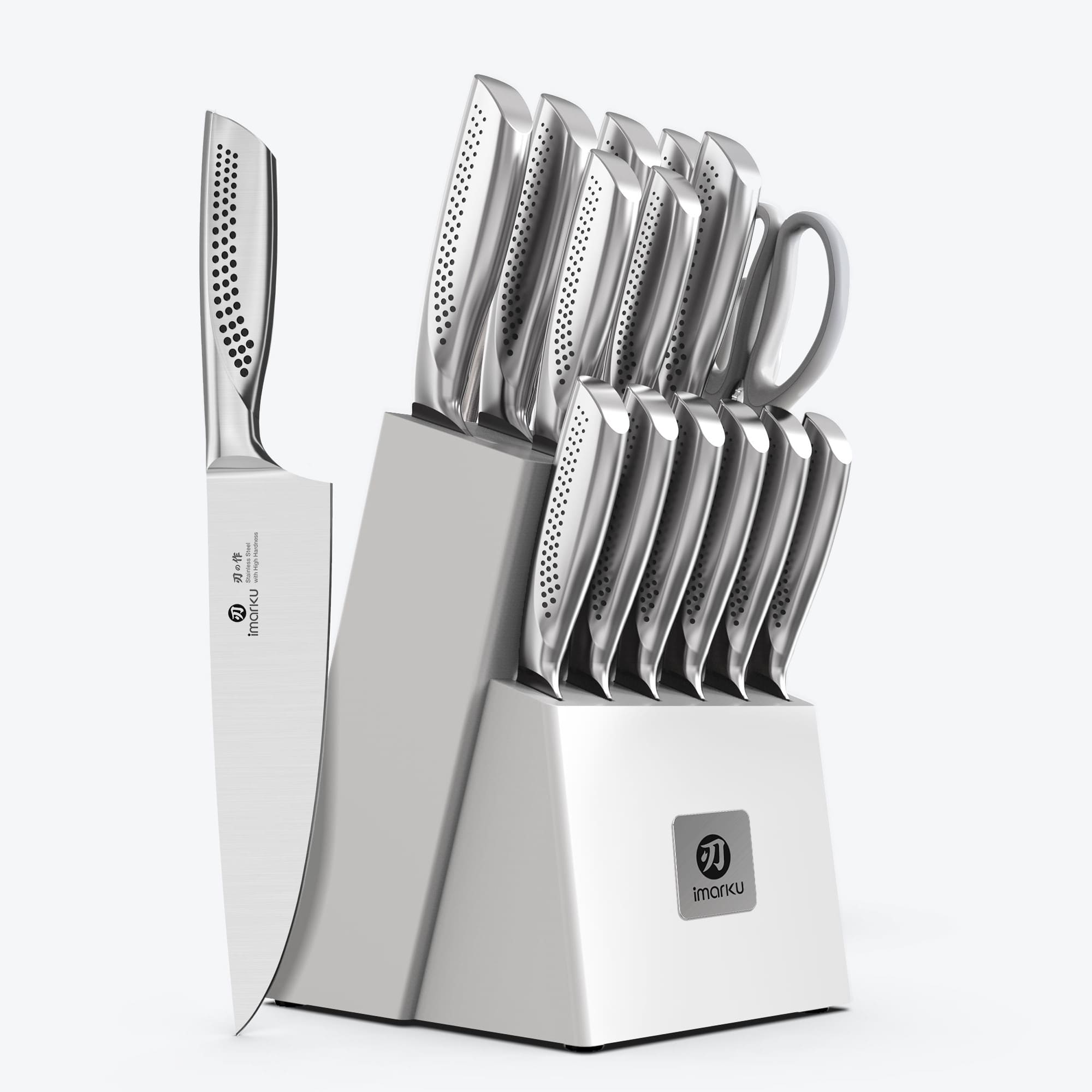
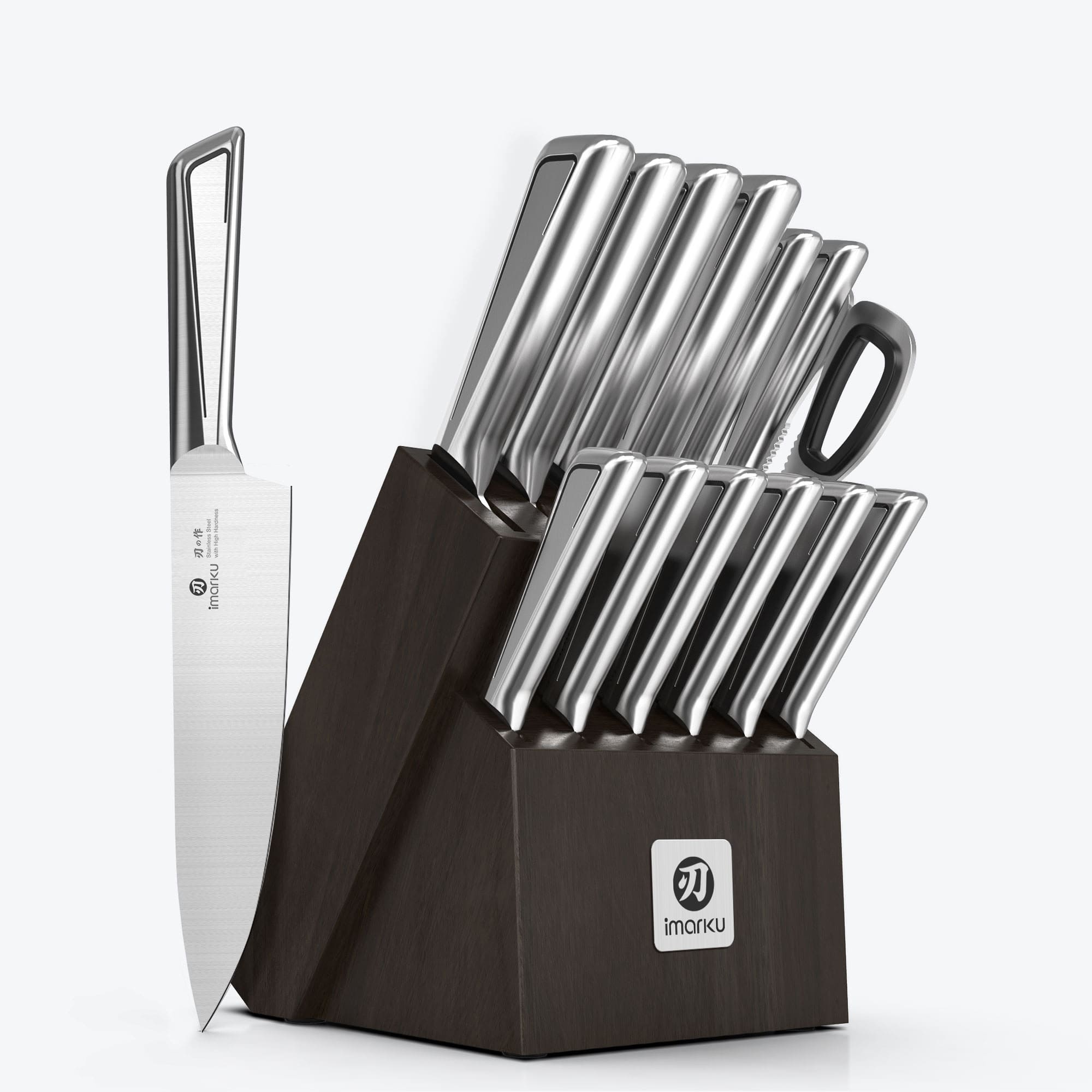
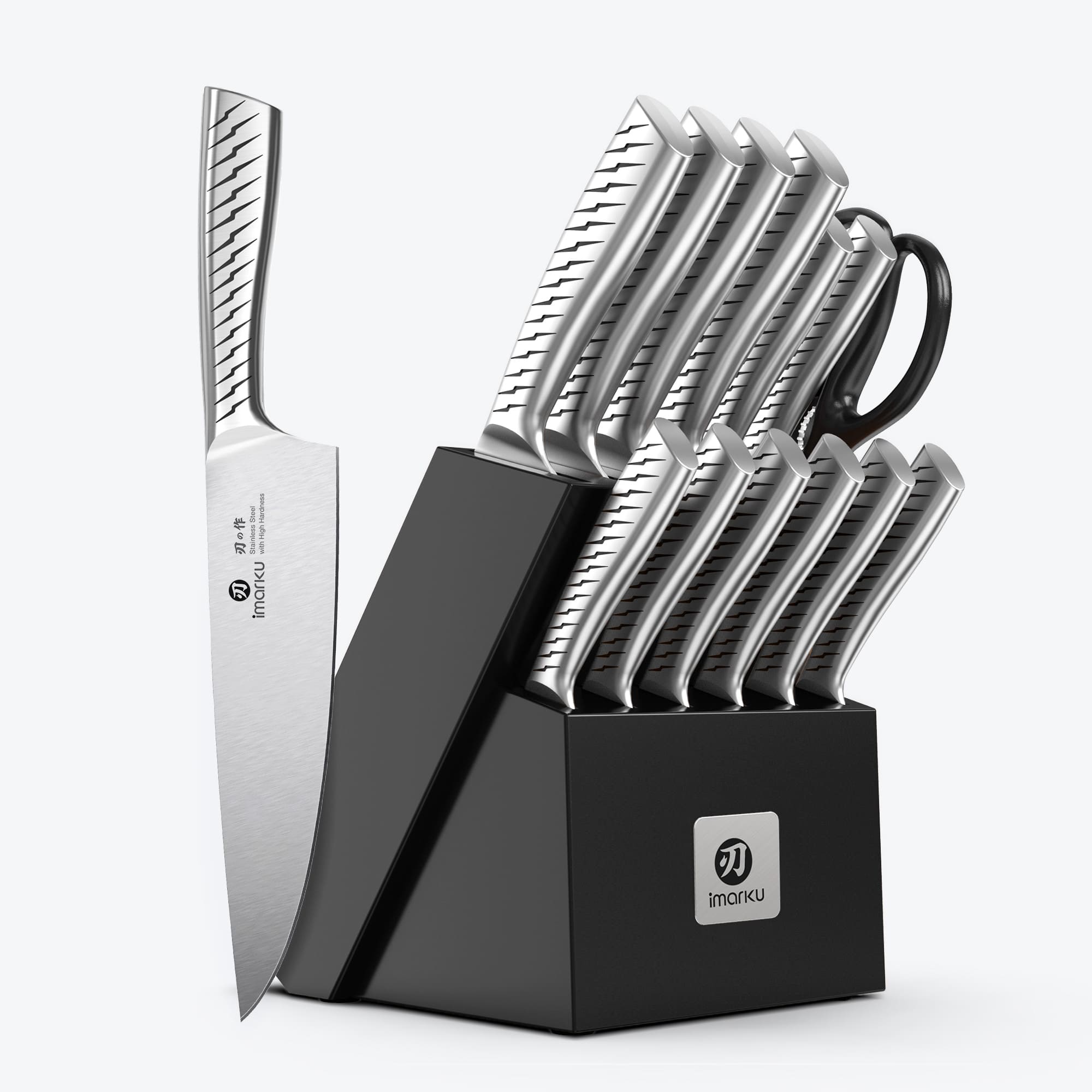
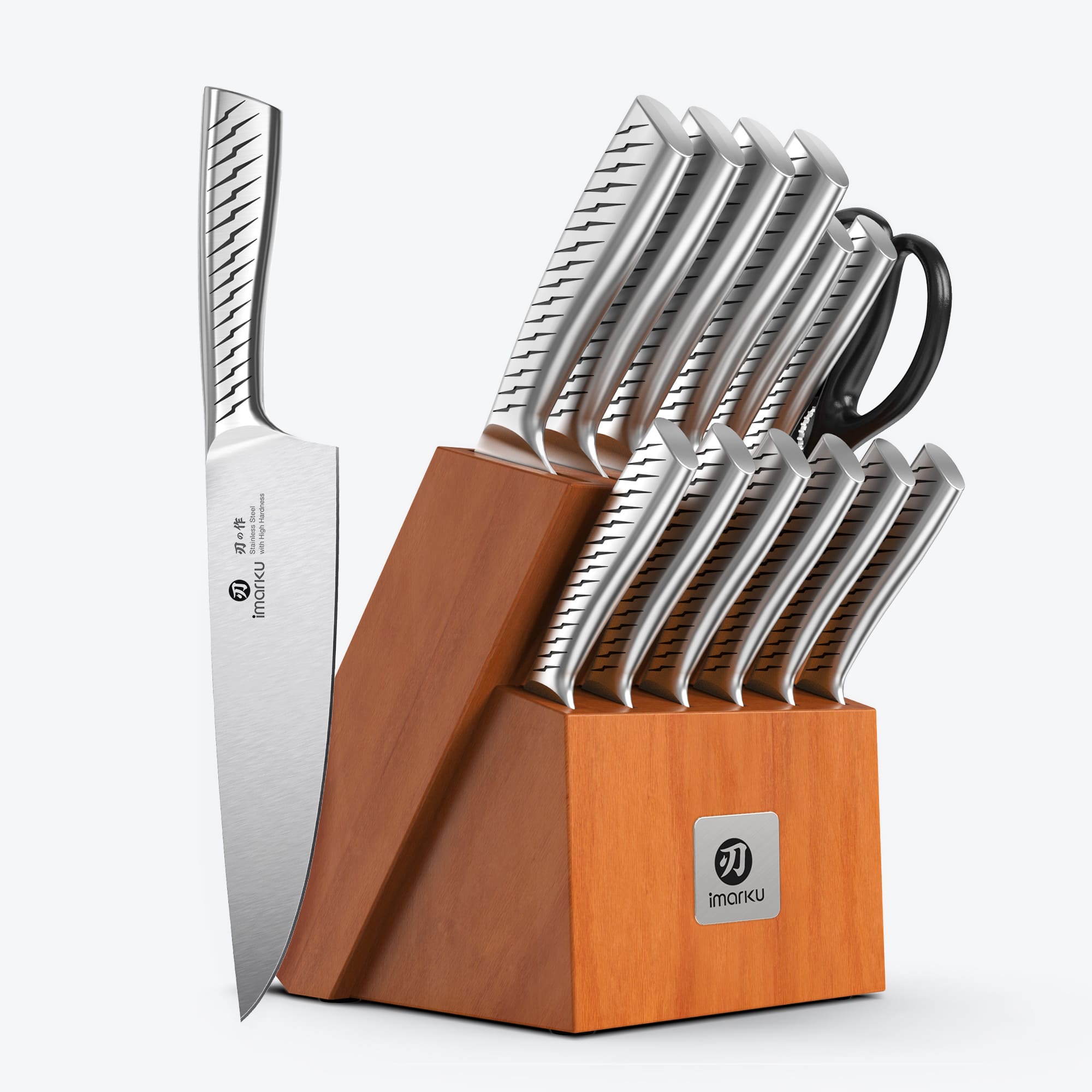
Each Imarku blade is forged from high-carbon Japanese stainless steel and refined through a vacuum heat-treatment process that hardens the edge without making it brittle. Ground to a precision 15-degree angle and hand-finished through traditional forging steps, the blades arrive razor-sharp straight out of the box — no initial sharpening required.
For home safety, that matters a lot. You don’t have to “break in” the blade or spend an afternoon sharpening before use. From the first slice of onion to the last cut of steak, the edge bites predictably and cuts with minimal pressure.
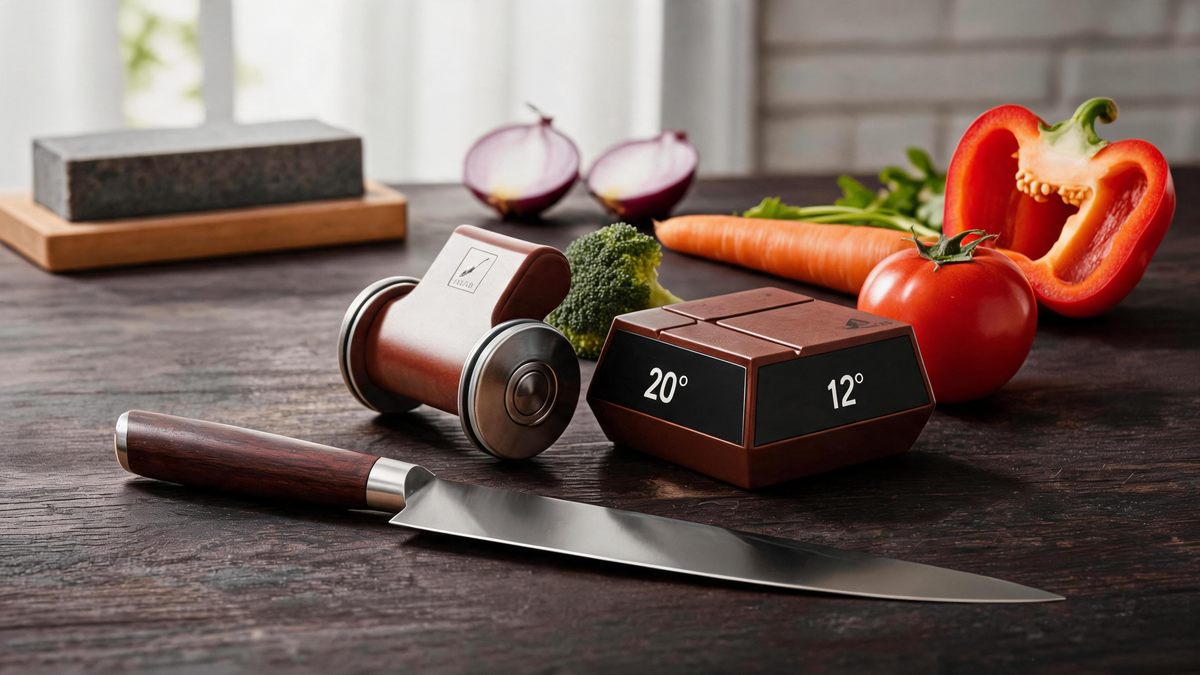
Better yet, the high-carbon steel formula holds that sharp edge far longer than standard budget knife sets. Instead of dulling noticeably after a few weeks of use, Imarku blades maintain their cutting performance for months of regular meal prep. The included honing rod lets you refresh the edge at home in 30 seconds, so you never slip back into the unsafe “dull knife zone” without realizing it.
Built for real households, not just display counters

Safety isn’t only about the blade. Imarku knife sets are designed for how families actually cook:
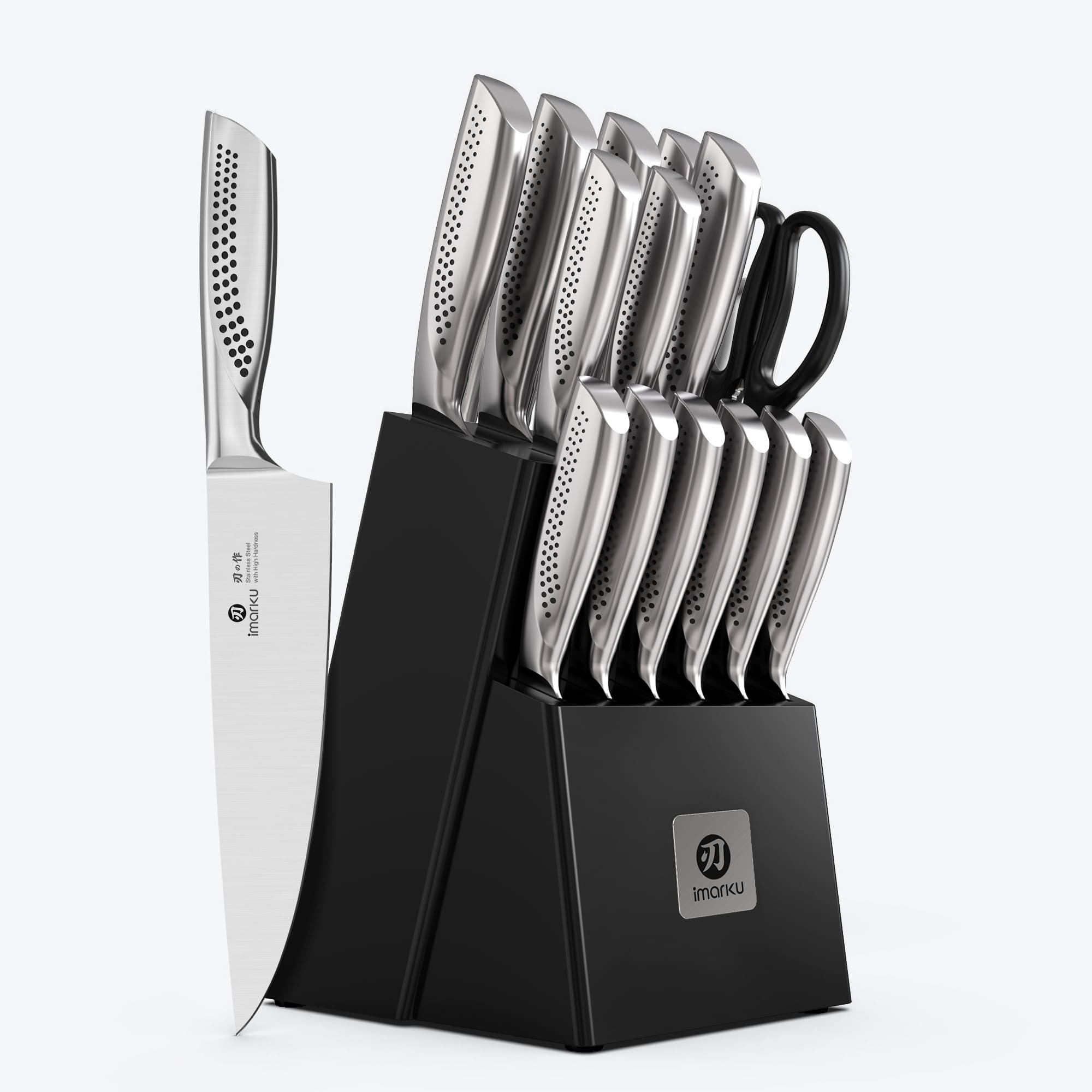
- Ergonomic non-slip handles reduce hand fatigue and lower the chance of slipping during long prep sessions, even with wet or greasy hands.
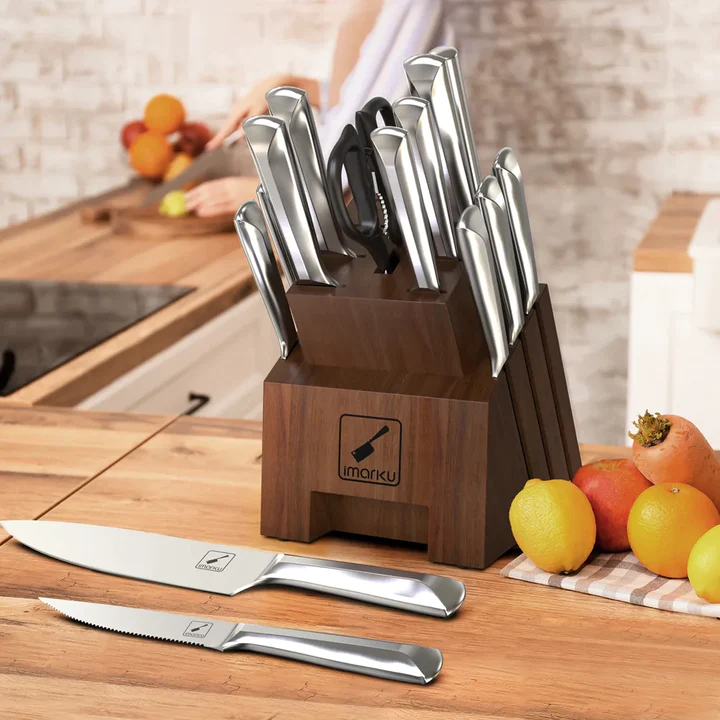
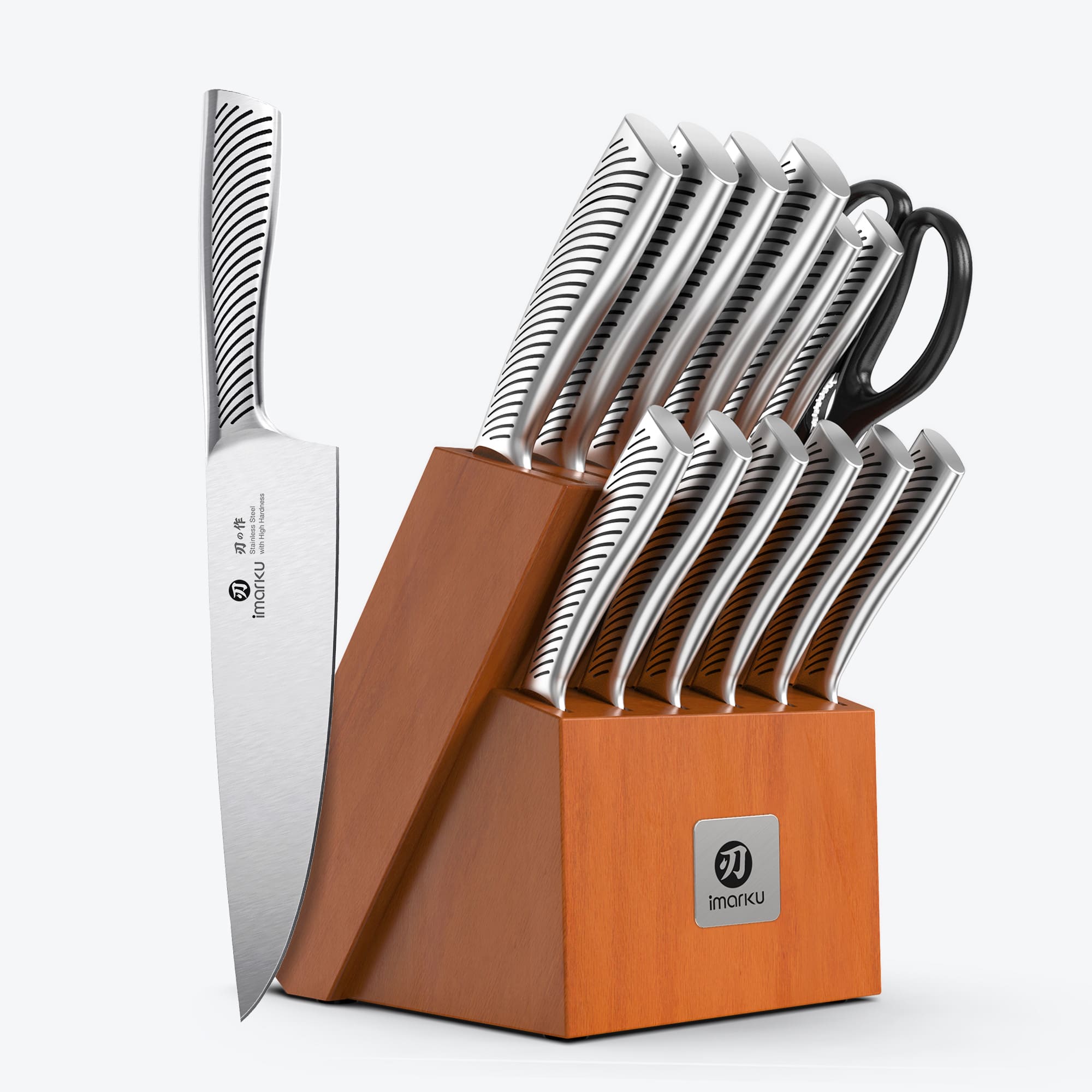
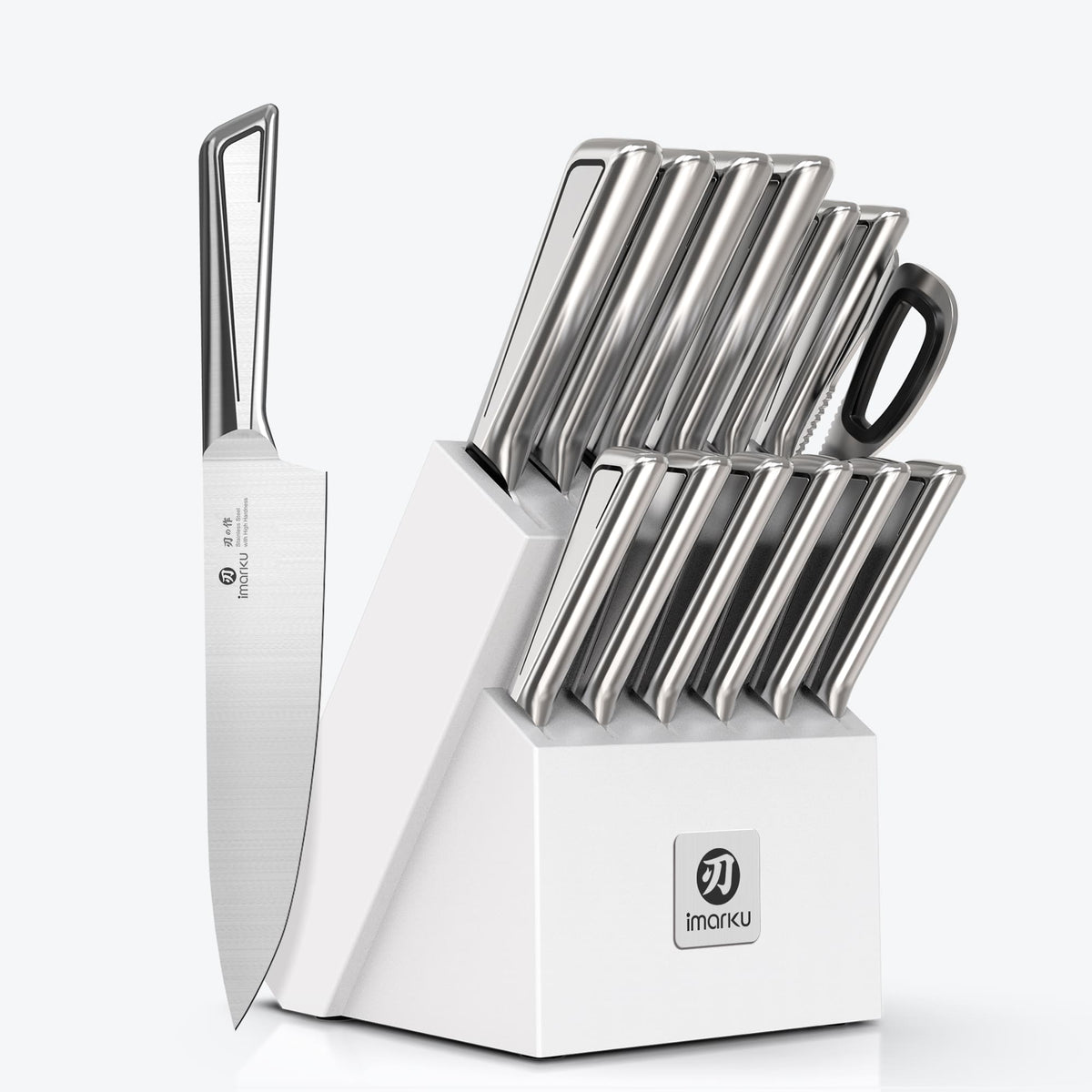
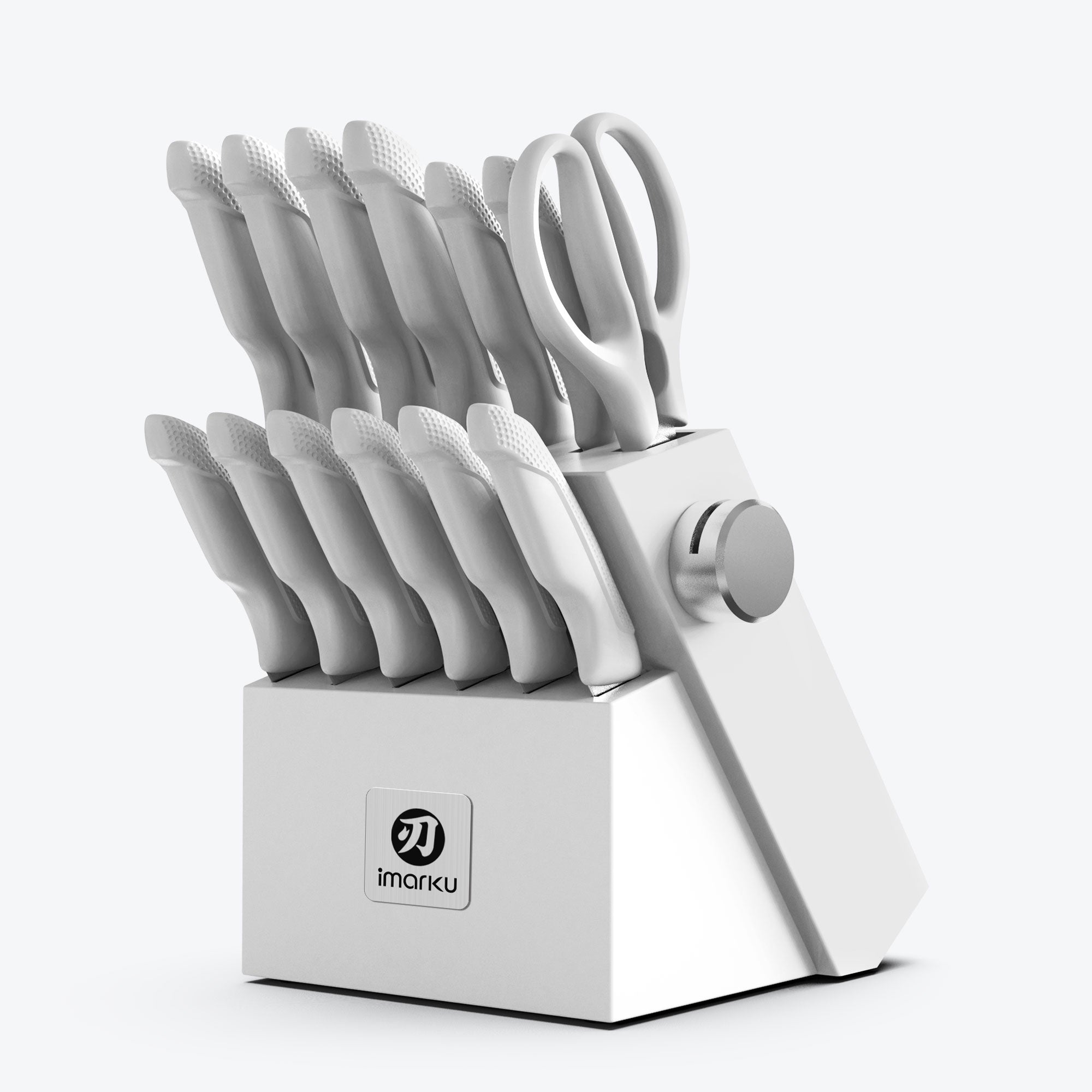
- Waterproof wood storage blocks keep blades protected, organized, and out of reach of small hands — no loose blades rattling in drawers where they can dull or cause accidents.
- Complete 16-piece sets give every task its proper tool, so you never reach for the wrong knife just because it’s the only one clean. From paring knives to steak knives, bread knives to boning knives, having the right blade for the job is itself a safety measure.
5 Simple Habits for Safer Home Cooking

Upgrading to a sharp, well-made knife set is the biggest step you can take — and a few basic habits will keep you even safer:
- Always cut on a stable cutting board, never plates, counters, or glass surfaces.
- Keep your fingertips curled under when guiding food, so the flat of the blade rests against your knuckles.
- Never leave knives loose in a sink full of soapy water — they’re easy to grab by accident.
- Hone your blades regularly; a quick pass on a honing rod keeps the edge aligned and safe.
- If a knife is falling off the counter, let it fall. Trying to catch it is how many serious hand injuries happen.
Final Thought: Safety Starts With the Right Tool
Most of us were taught that kitchen safety means “be careful with sharp knives.” The real lesson should be: be careful with dull ones.
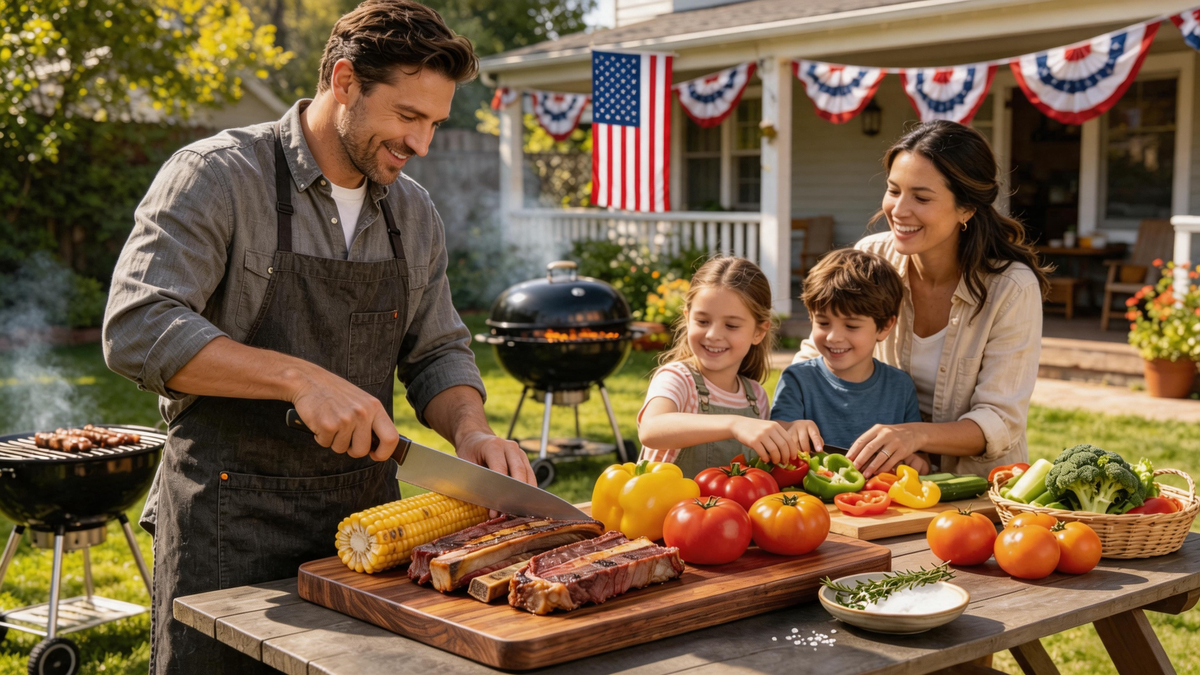
Cooking for your family shouldn’t come with hidden risks. It shouldn’t mean squeezing hard through every tomato, sawing through every potato, and hoping the blade doesn’t slip. A properly sharp, well-balanced knife doesn’t just make food better — it makes the whole process calmer, faster, and far less likely to end with a trip to urgent care.
Imarku’s mission is to bring professional Japanese steel performance to every American home kitchen, at a price that makes sense. Whether you’re replacing a beat-up old set, upgrading your go-to chef knife, or building your first real collection, every blade is built to be sharp, reliable, and safe for the people you cook for.
If you can’t remember the last time your knives felt truly sharp — or if you’ve just accepted that kitchen cuts are part of cooking — it might be time to see what a difference a properly made blade makes. Your fingers will thank you.



Leave a comment
All comments are moderated before being published.
This site is protected by hCaptcha and the hCaptcha Privacy Policy and Terms of Service apply.