
TABLE OF CONTENTS
If you’ve ever stood in your kitchen wondering what Japanese knives do I need, you’re not alone. Most home cooks don’t need a drawer full of blades—they need a few that actually work. Over time, I’ve realized that the best Japanese knives for home cooks aren’t about quantity, but about choosing the right combination.
In fact, many setups sold today are either overkill or underwhelming. What most people really want is something practical, something that fits into everyday cooking without slowing them down.
The good news is, there’s a straightforward answer.
Why Most Home Cooks Only Need 3 Japanese Knives
There’s a reason experienced cooks tend to settle into a rhythm with just a few tools. It’s not about limiting yourself—it’s about removing friction. When your knives cover everything you need, cooking becomes smoother, faster, and more enjoyable.
A well-chosen trio works as a one-stop solution. You don’t have to think about switching tools constantly, and you don’t end up buying knives you rarely touch. If you’ve ever browsed through different best japanese knife brands, you’ll notice that the most practical setups always come back to a few essential shapes.
That’s where the idea of three knives comes in. It’s enough to handle almost everything, without overcomplicating your kitchen.
The 3 Essential Japanese Knives Explained

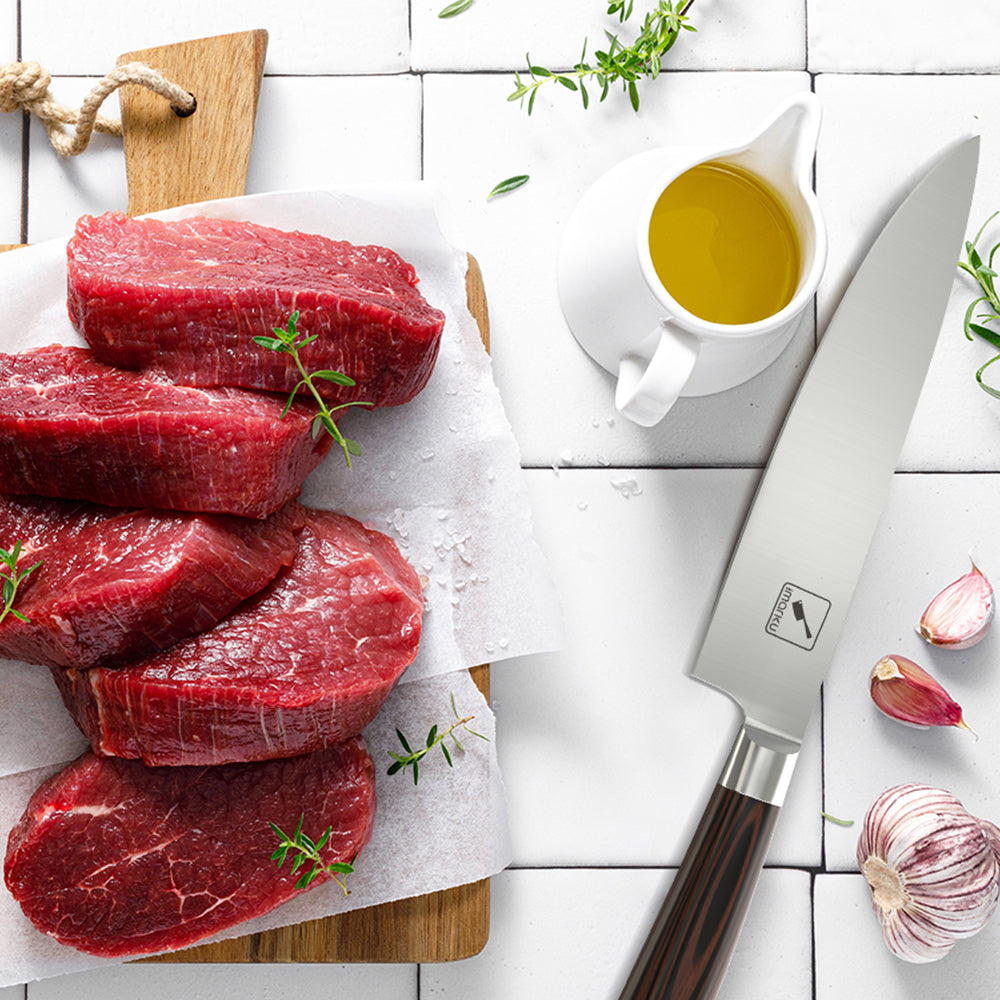
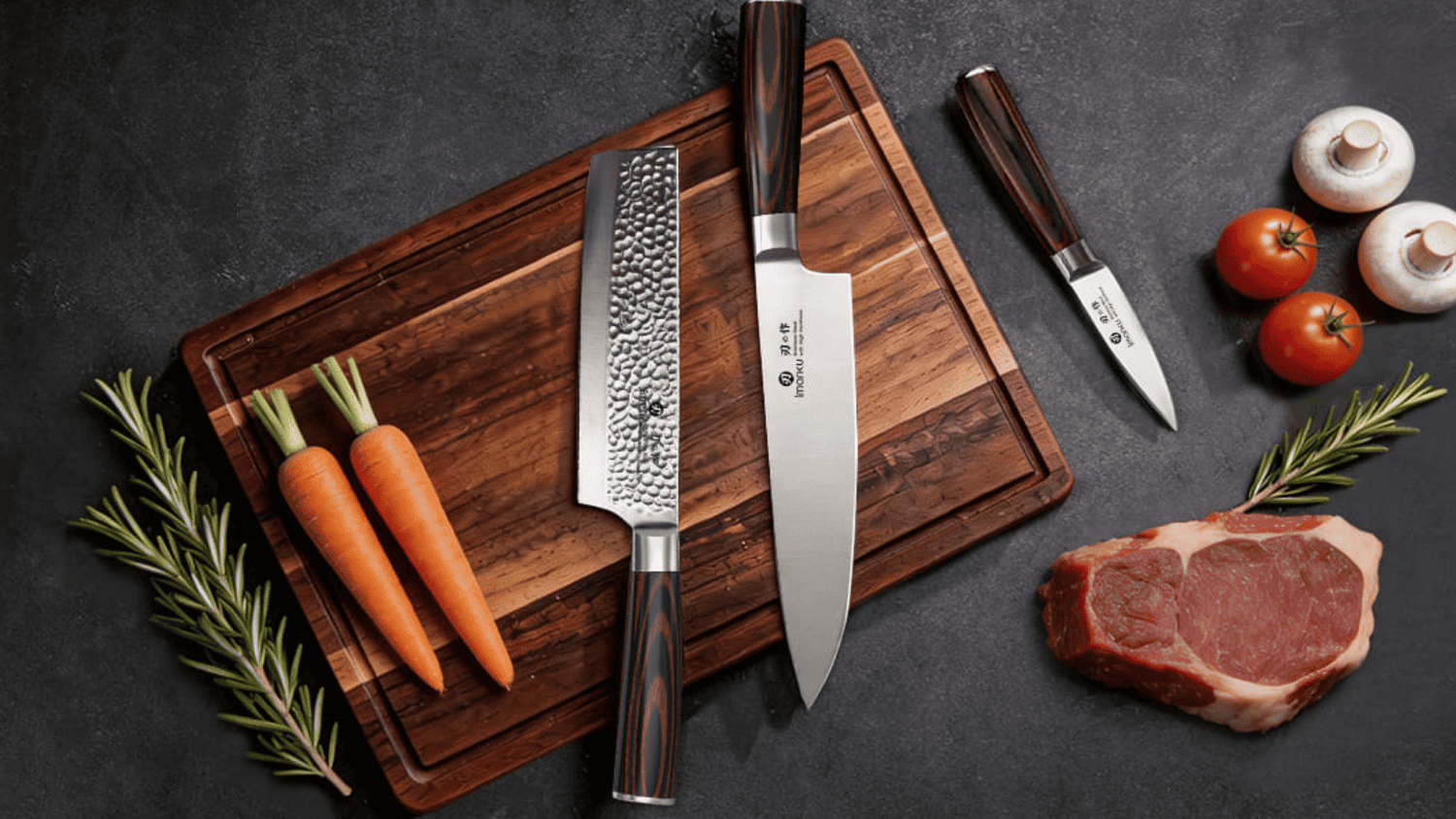
The first knife most people reach for is the chef’s knife, or Gyuto. It’s the one that lives on your cutting board. Whether you’re slicing chicken, dicing onions, or breaking down vegetables, this is the blade that does the heavy lifting. A good Gyuto feels balanced, glides through ingredients, and doesn’t fight you.
Then there’s the Nakiri. If you’ve ever prepped a pile of vegetables and felt like your knife was slowing you down, this is where things change. The flat edge makes full contact with the board, so you get clean, consistent cuts. It’s especially satisfying when working through greens, carrots, or anything that benefits from precision. You’ll notice the difference immediately when comparing rough cuts to more refined ones—almost like understanding the subtle gap between chopped vs diced.
The third knife is smaller, but just as important. A paring knife, or petty knife, handles the details. Peeling fruit, trimming meat, or doing any kind of delicate work becomes much easier when you’re not forcing a large blade into a small task. It’s one of those tools you don’t think about until you have it—and then you use it constantly.
Together, these three create a rhythm in the kitchen. You stop adapting your technique to your tools, and instead your tools start working for you.
Best Value Japanese Knife Sets (One-Step Solution)
Instead of overthinking, this 3-knife setup covers everything.
For many home cooks, buying knives individually sounds appealing at first. But once you add up the cost—and the time spent choosing—it often makes more sense to start with a complete set that’s already balanced.
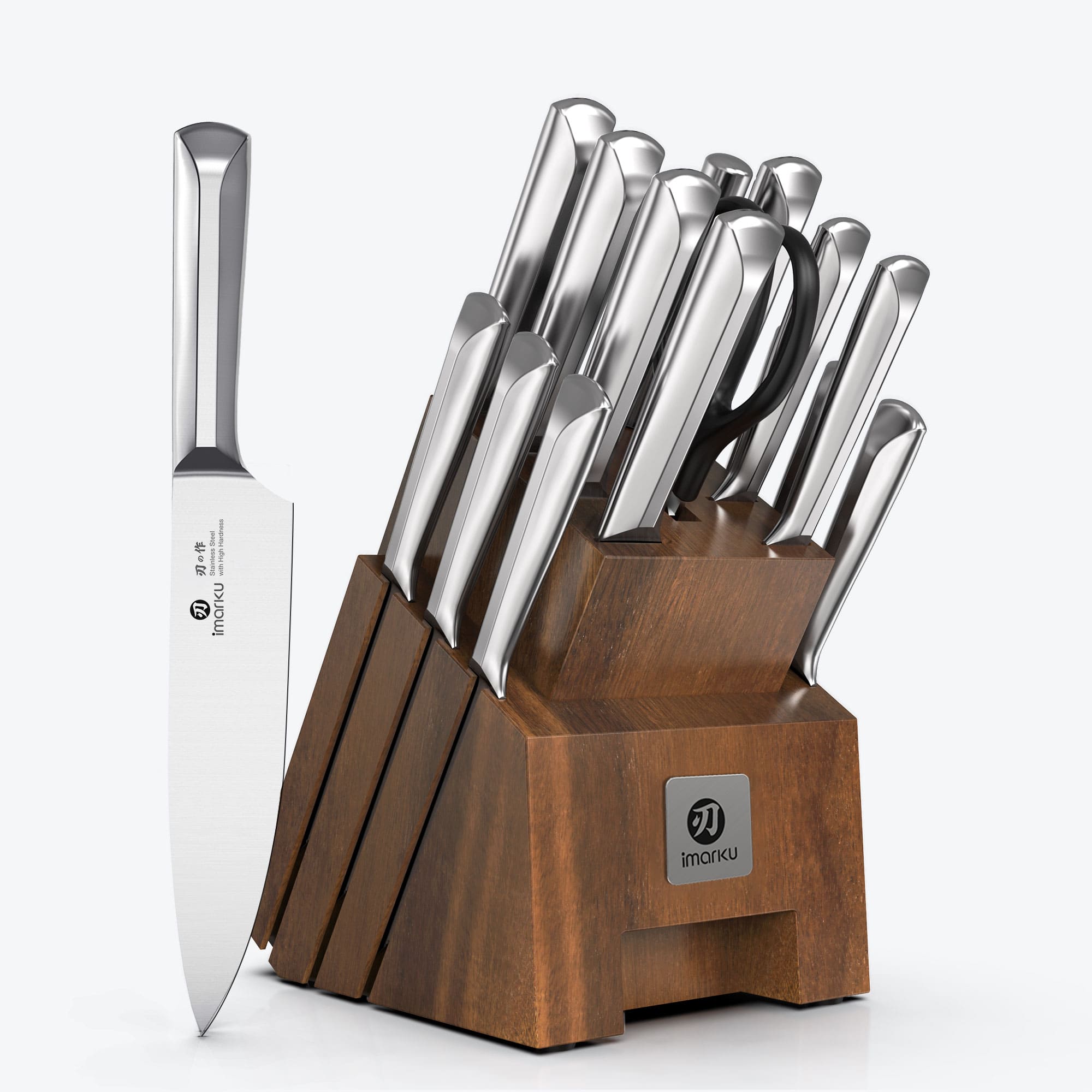
The first combination brings together a Nakiri, a chef knife, and a paring (petty) knife. Originally priced at $249.99, it’s currently available at $179.99 for a limited time, ending April 30, 2026. This setup handles nearly everything you’ll do in a home kitchen. Vegetables, proteins, and fine prep all fall into place without needing anything extra. It’s a practical choice for cooks who want efficiency without compromise.
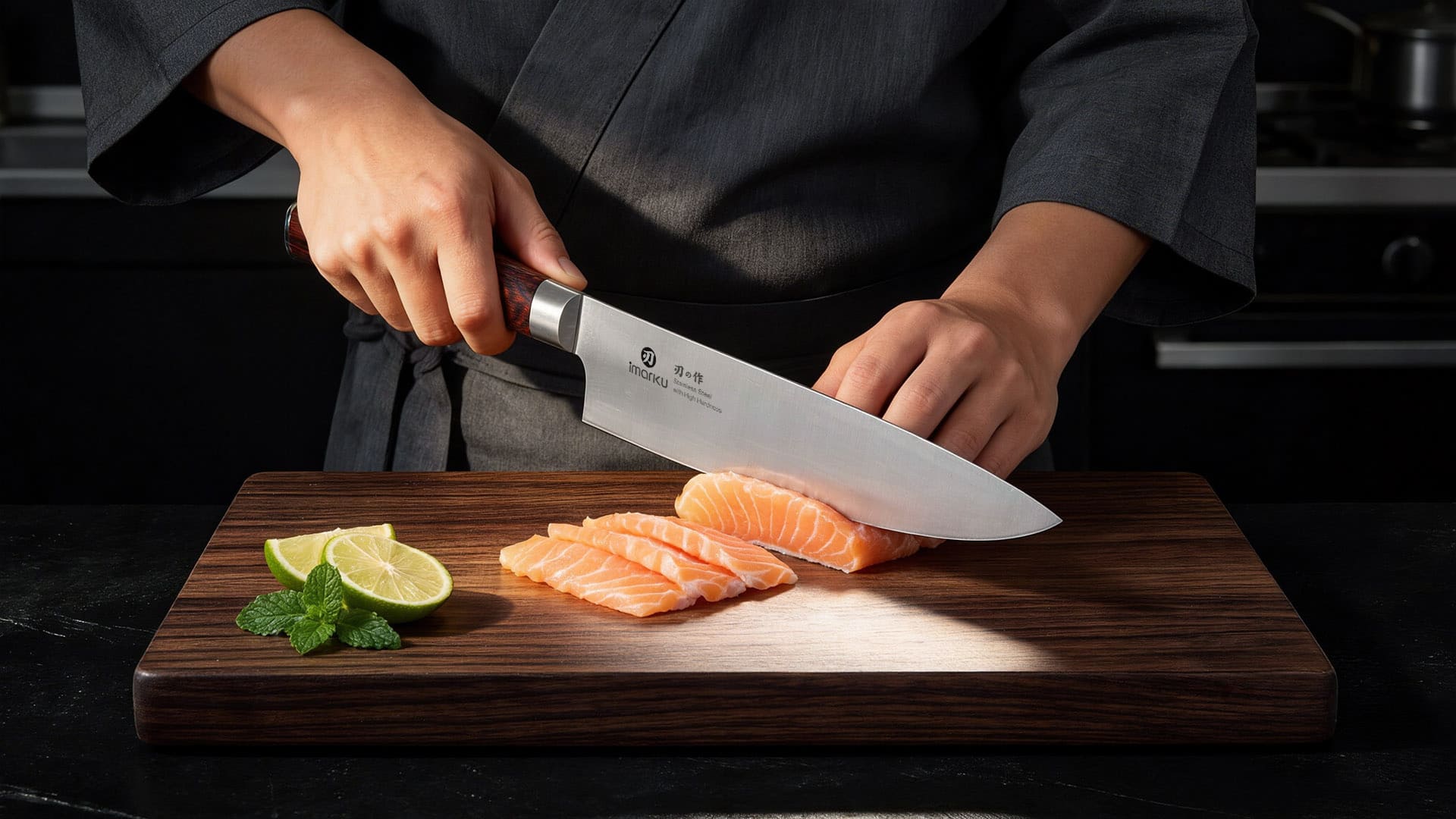
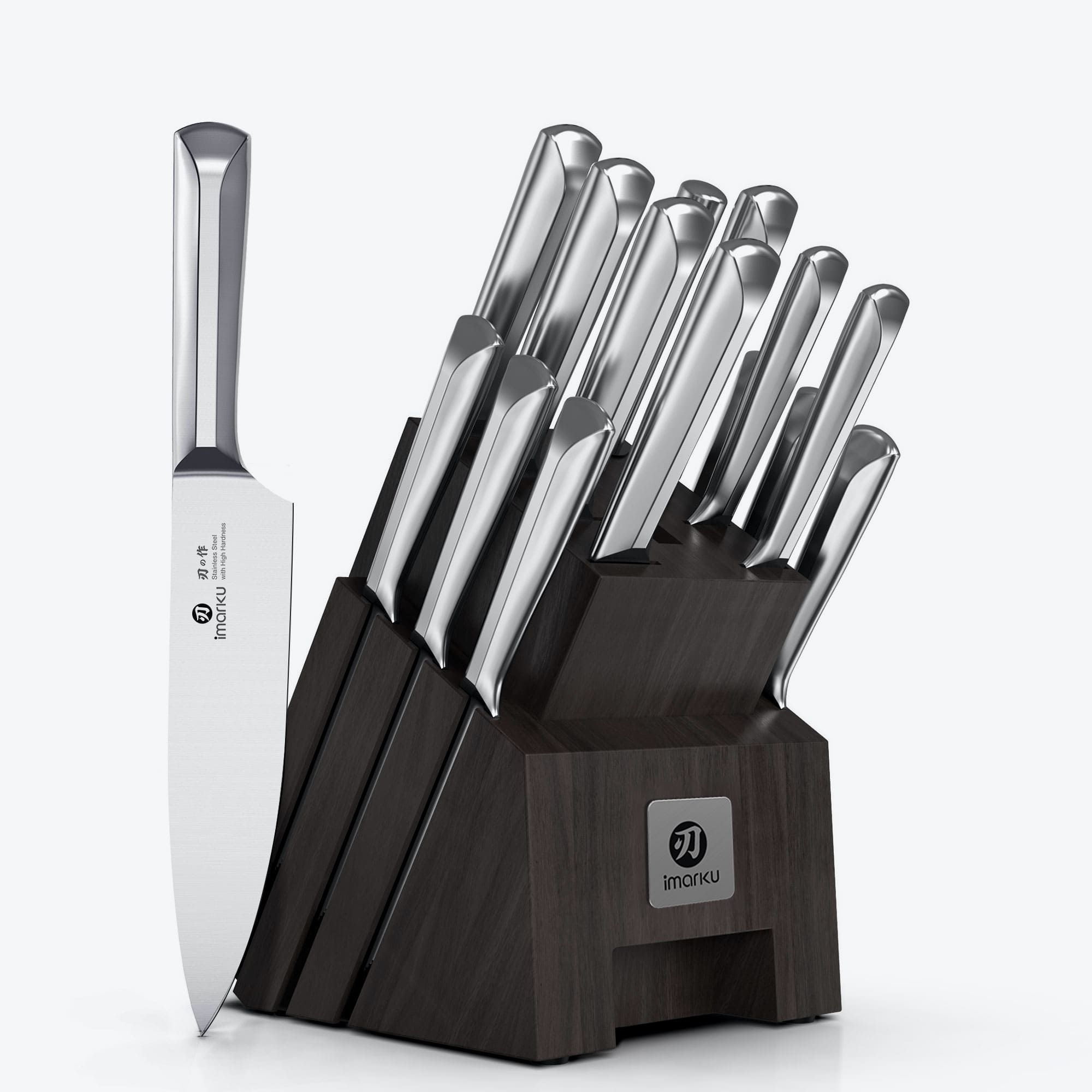
The second set takes a slightly different direction. A chef knife, bread knife, and fillet knife create a more specialized setup, priced at $199.99. This combination is especially useful if you’re working with meats, crusty bread, or fish. If you’ve ever explored dishes like sushi at home, understanding the difference between nigiri vs sashimi becomes much easier when you have the right knife for clean, precise cuts.
Both options lean into the idea of best value Japanese knives—not just in price, but in how much they simplify your workflow.
Japanese Knife Set vs Individual Knives
There’s no single right way to build your kitchen. Some people prefer starting with one knife, learning it inside and out, and slowly adding more. That approach works, especially if you’re still figuring out your cooking style.
But if you’re already cooking regularly, the limitations start to show. You switch tasks more often, you adjust your technique, and things take longer than they should. That’s usually the point where a full japanese knife set for home use starts to make sense.
It’s not about owning more—it’s about working smarter. Once each knife has a clear role, everything feels more natural.
Why imarku Japanese Knives Stand Out

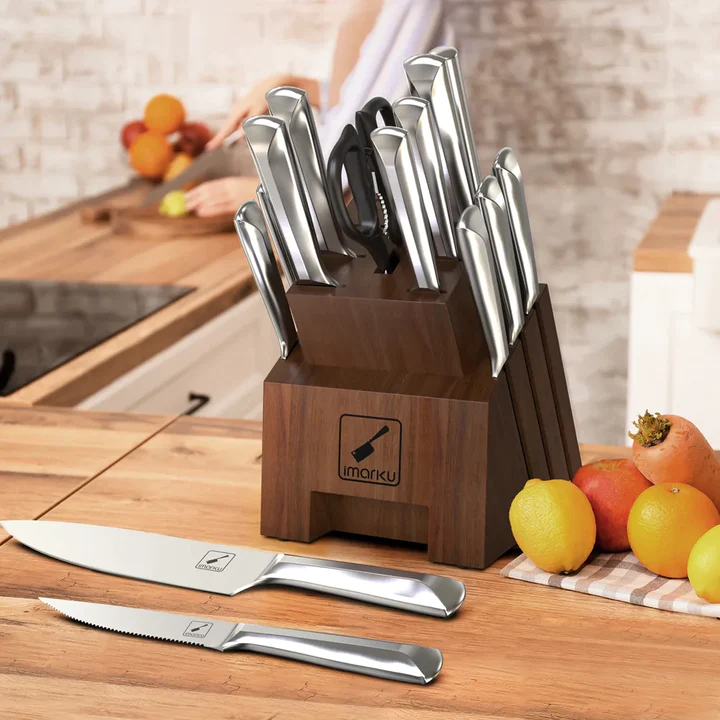
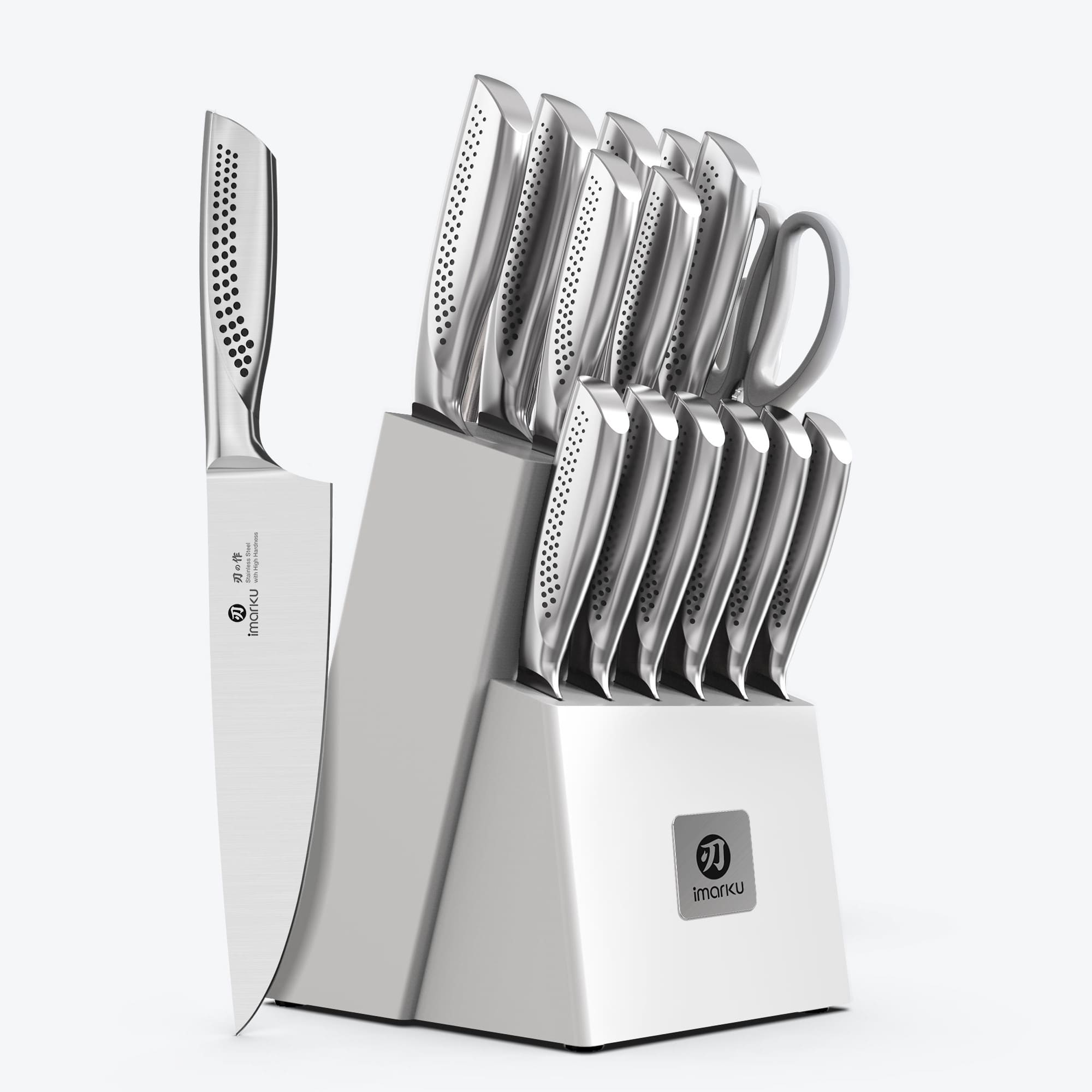
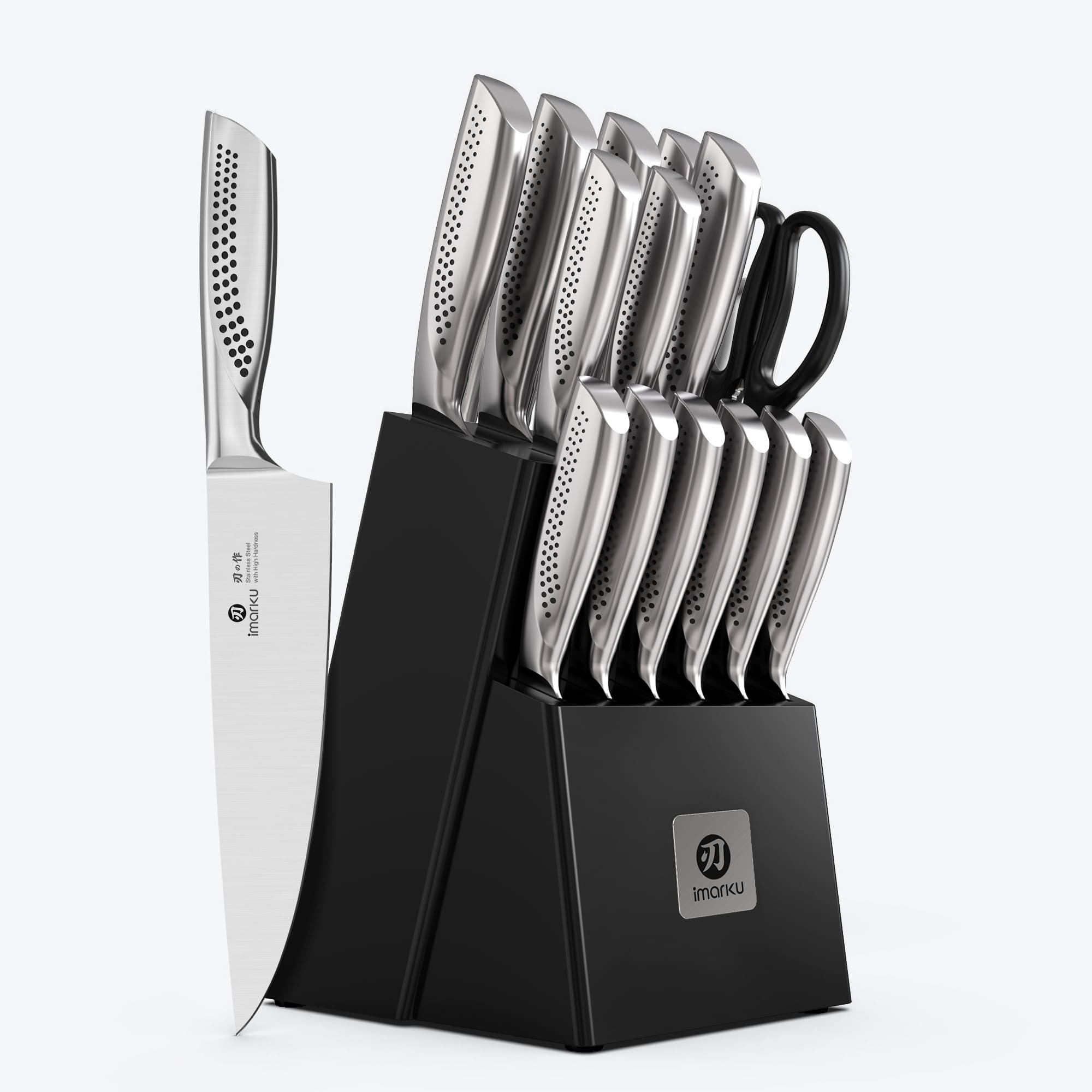
imarku is a Japanese knife brand that focuses on practical performance rather than unnecessary complexity. The first thing you notice is how the blade moves. It’s thinner, sharper, and cuts with less resistance, which means cleaner slices and less damage to ingredients.
The steel itself plays a big role. High-carbon stainless steel offers a balance between sharpness and durability, while precision grinding ensures the edge stays consistent. It’s the kind of detail you don’t always see, but you feel it every time you cut.
Comfort matters too. A knife that looks good but feels awkward won’t last long in your routine. These knives are shaped for long prep sessions, reducing fatigue and keeping control steady.
What stands out most, though, is the balance between quality and price. It delivers high-end performance at a practical price, which is exactly what most home cooks are looking for.
Single Knife Recommendations (Upgrade Options)
Even with a solid set, there’s always room to expand. Some cooks like adding a Deba for heavier fish work, especially when breaking down whole cuts. Others lean toward a Gyuto upgrade for even smoother slicing, or a Santoku for a slightly different feel during everyday prep.
These knives aren’t essential at the start, but they become interesting once you’ve built confidence. They’re less about necessity and more about refining your workflow.
Knife Safety Tips
Sharp knives are safer than dull ones—but only if you use them correctly. Keeping your fingers tucked, maintaining a stable cutting surface, and respecting the blade all make a difference. If you’re unsure where to start, it’s worth taking a closer look at basic knife safety techniques.
It doesn’t take much to build good habits, and once they’re there, they stay with you.
At the end of the day, choosing the right knives isn’t about chasing perfection. It’s about making cooking feel easier, more intuitive, and a little more enjoyable every time you step into the kitchen.





Leave a comment
All comments are moderated before being published.
This site is protected by hCaptcha and the hCaptcha Privacy Policy and Terms of Service apply.