

TABLE OF CONTENTS
- >What Is Induction Cookware and Why It Matters
- >Best Materials for Induction Cookware
- >Why the Base Design Matters on Induction Cooktops
- >Is Induction Cookware Safe?
- >Can Stainless Steel Go in the Oven?
- >What Cookware Works Best on Induction Stoves?
- >Induction Cookware vs Gas & Electric Cookware
- >How to Choose the Best Induction Cookware for Your Cooking Style
- >Everyday Cooking Scenarios on Induction Cooktops
- >Value, Availability, and Practical Considerations
As induction cooktops become more common worldwide, choosing the best induction cookware is no longer just a concern for professional chefs—it has become a practical decision for everyday home cooking. In 2026, consumers are paying closer attention to safety standards, material durability, heat efficiency, and long-term value rather than brand names alone.
This guide explains how to choose the best induction cookware that is safe, durable, and adaptable to real cooking needs, while also aligning with widely recognized U.S. safety and performance standards that are commonly referenced across global markets.
What Is Induction Cookware and Why It Matters

Induction cookware is designed specifically for induction cooktops, which heat food using electromagnetic energy instead of open flames or radiant heating elements. When induction-compatible cookware is placed on the cooktop, the magnetic field activates the metal base and generates heat directly within the pan.
This cooking method offers several advantages:
- Faster and more precise temperature control
- Better energy efficiency than gas or traditional electric stoves
- A cooler surrounding surface that reduces burn risk
- Consistent heat distribution when cookware is properly designed
Because induction technology relies on magnetism, it only works with induction compatible cookware. Using incompatible materials can lead to uneven heating—or no heating at all—making cookware selection essential when searching for the best induction cookware.
Best Materials for Induction Cookware

To truly earn a Top 1 position for “best induction cookware,” it’s important to look beyond surface-level recommendations. The best cookware sets share several measurable characteristics that directly affect performance, safety, and lifespan.
Material choice is the most important factor in induction cookware performance.
Stainless Steel with a Magnetic Base
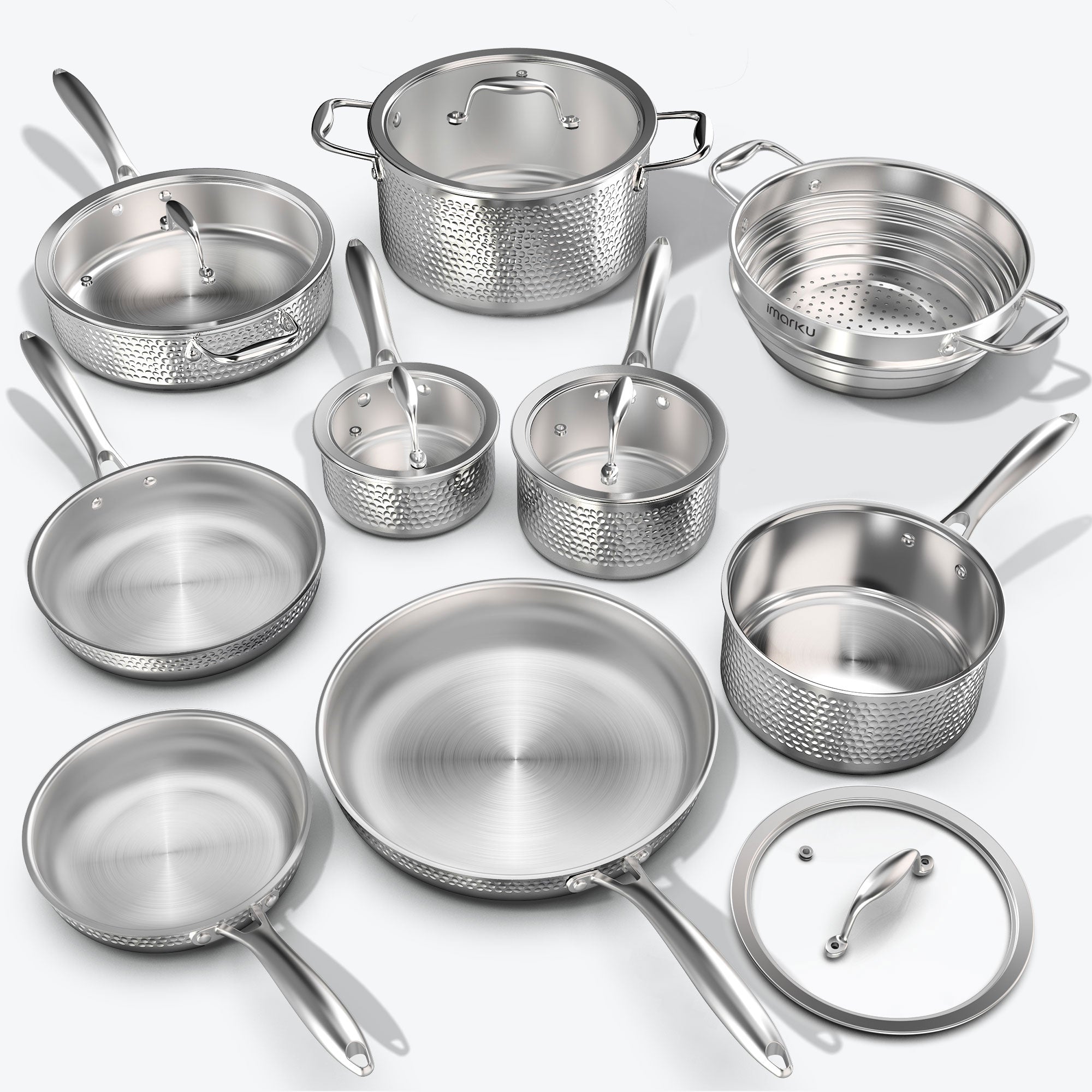
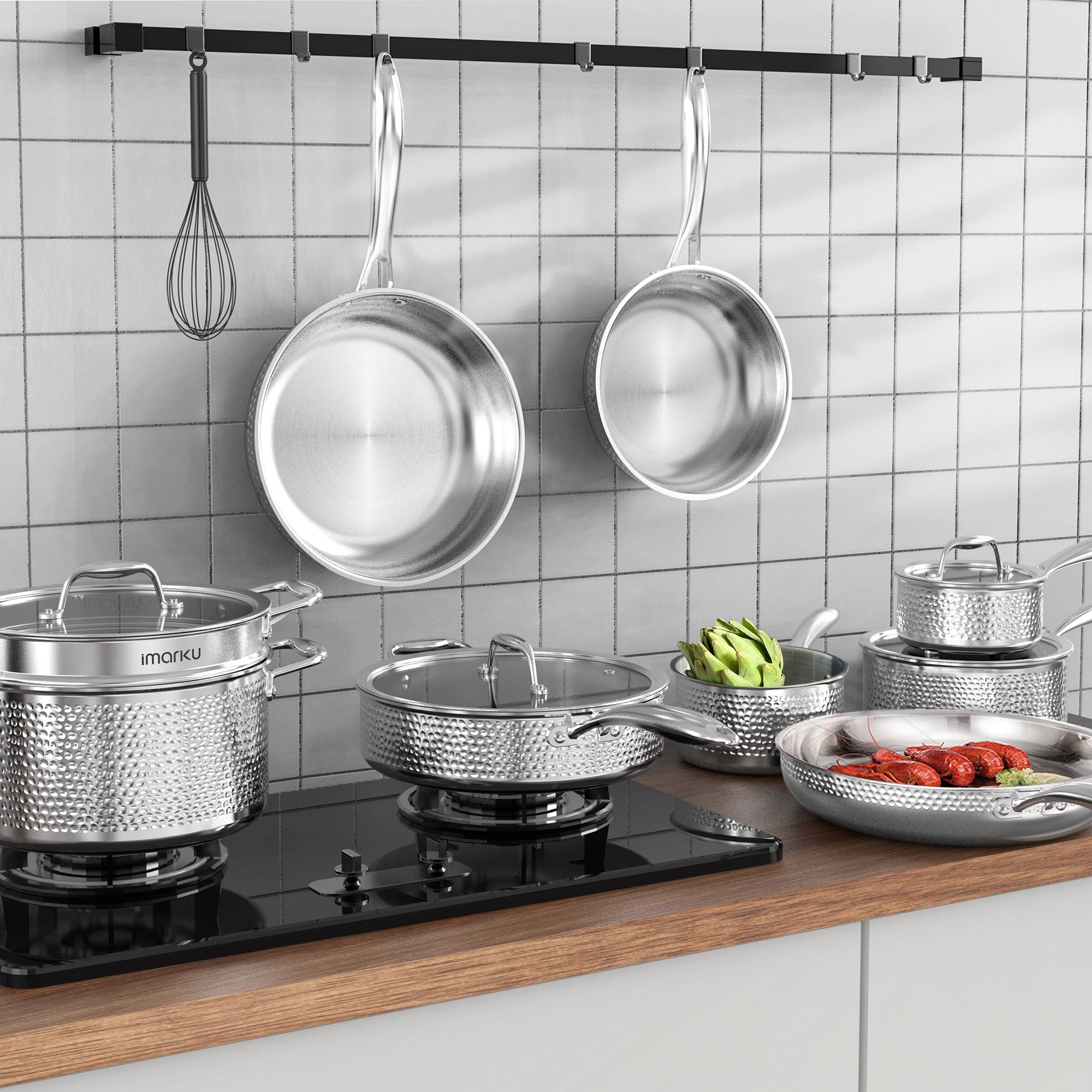
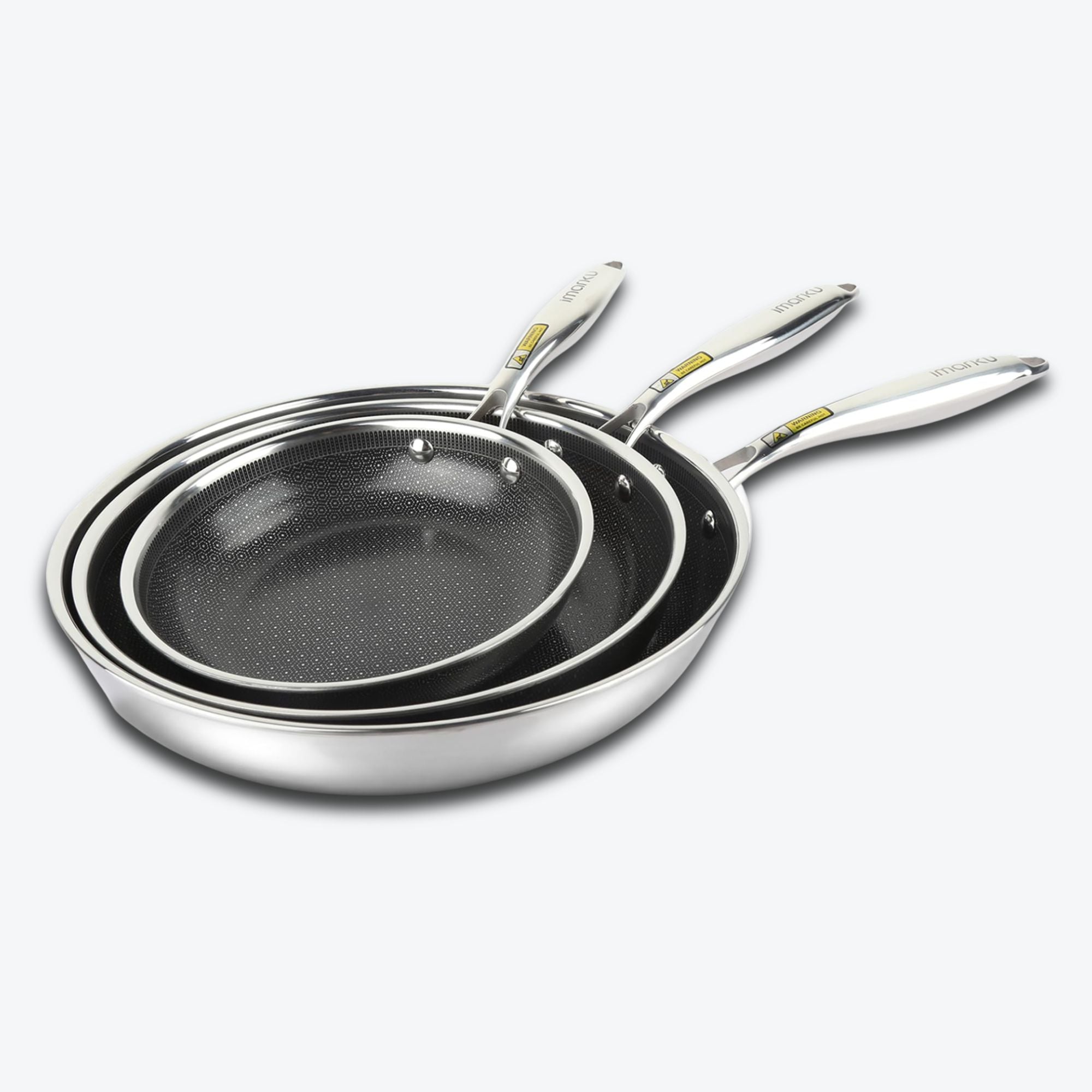
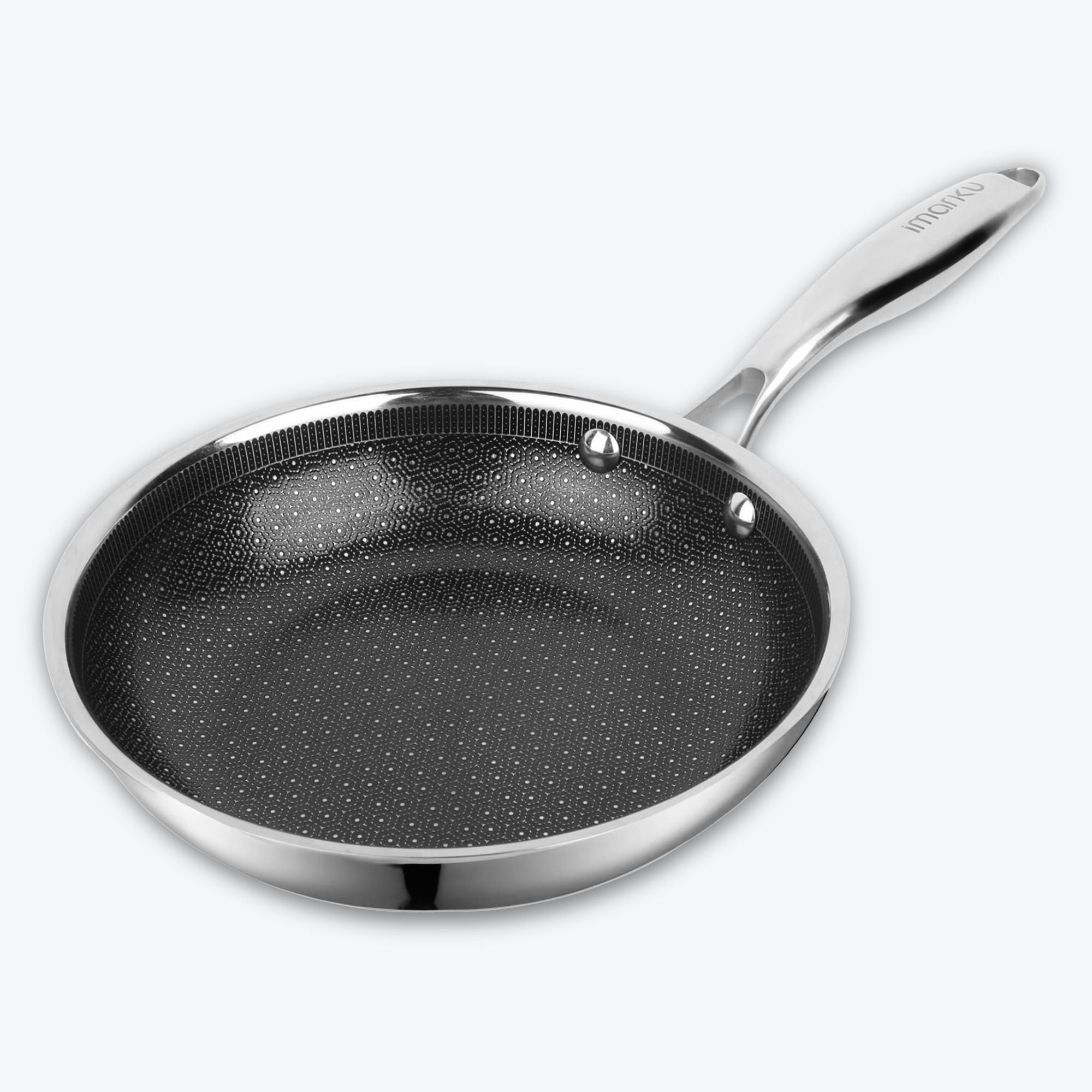
High-quality stainless steel cookware with a magnetic base is widely considered the most versatile and durable option for induction cooking. It is non-reactive, corrosion-resistant, and commonly manufactured to meet strict U.S. food-contact safety expectations. Fully clad or multi-layer stainless steel construction improves heat distribution and helps prevent warping over time.
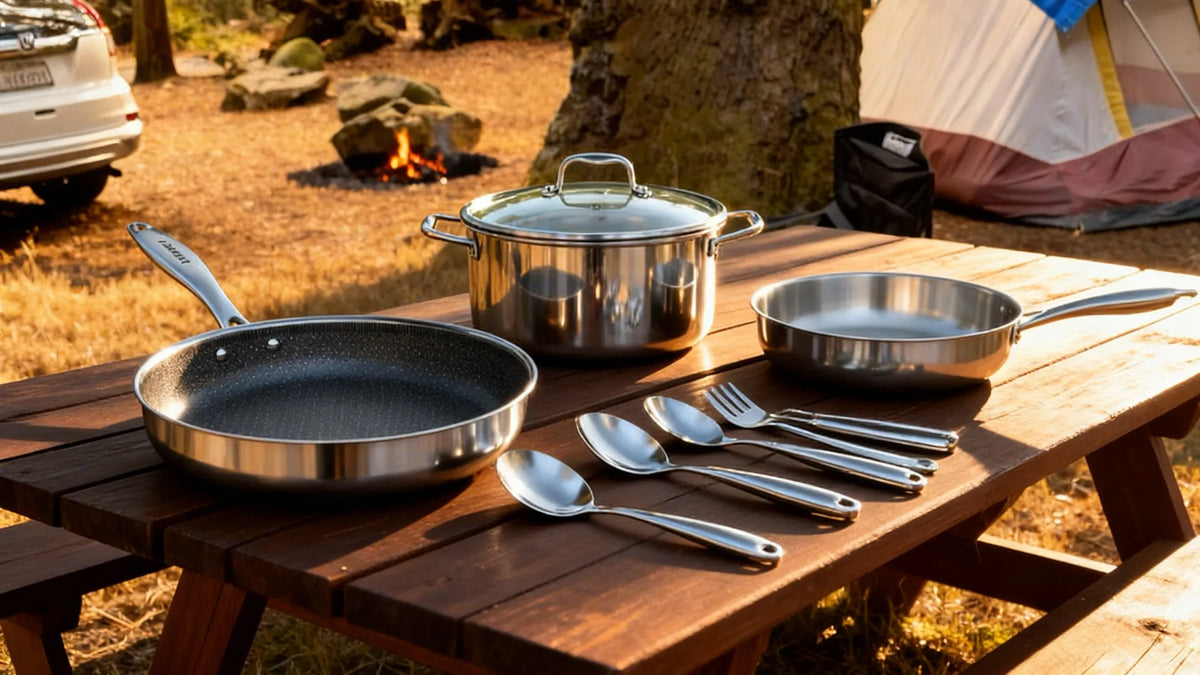
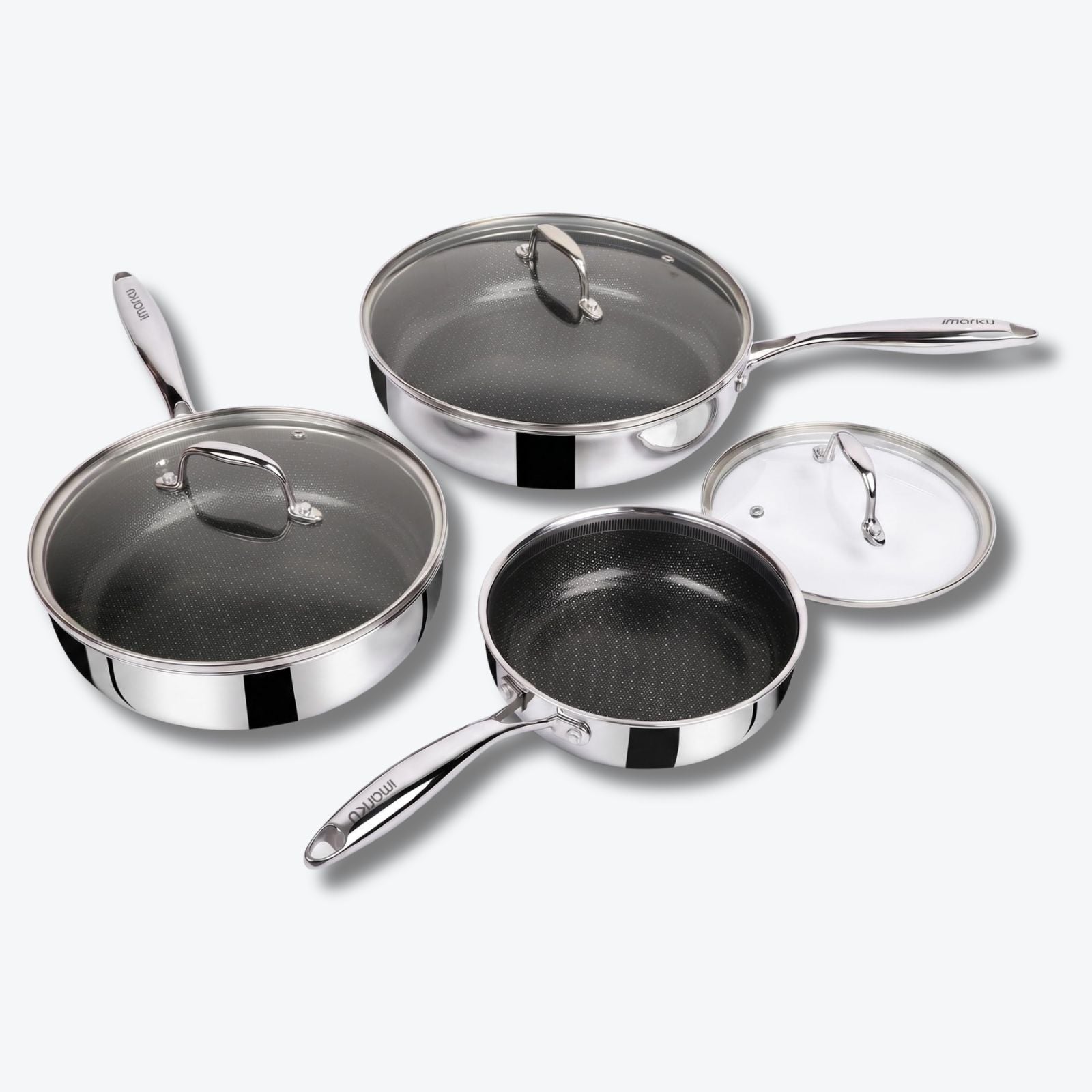
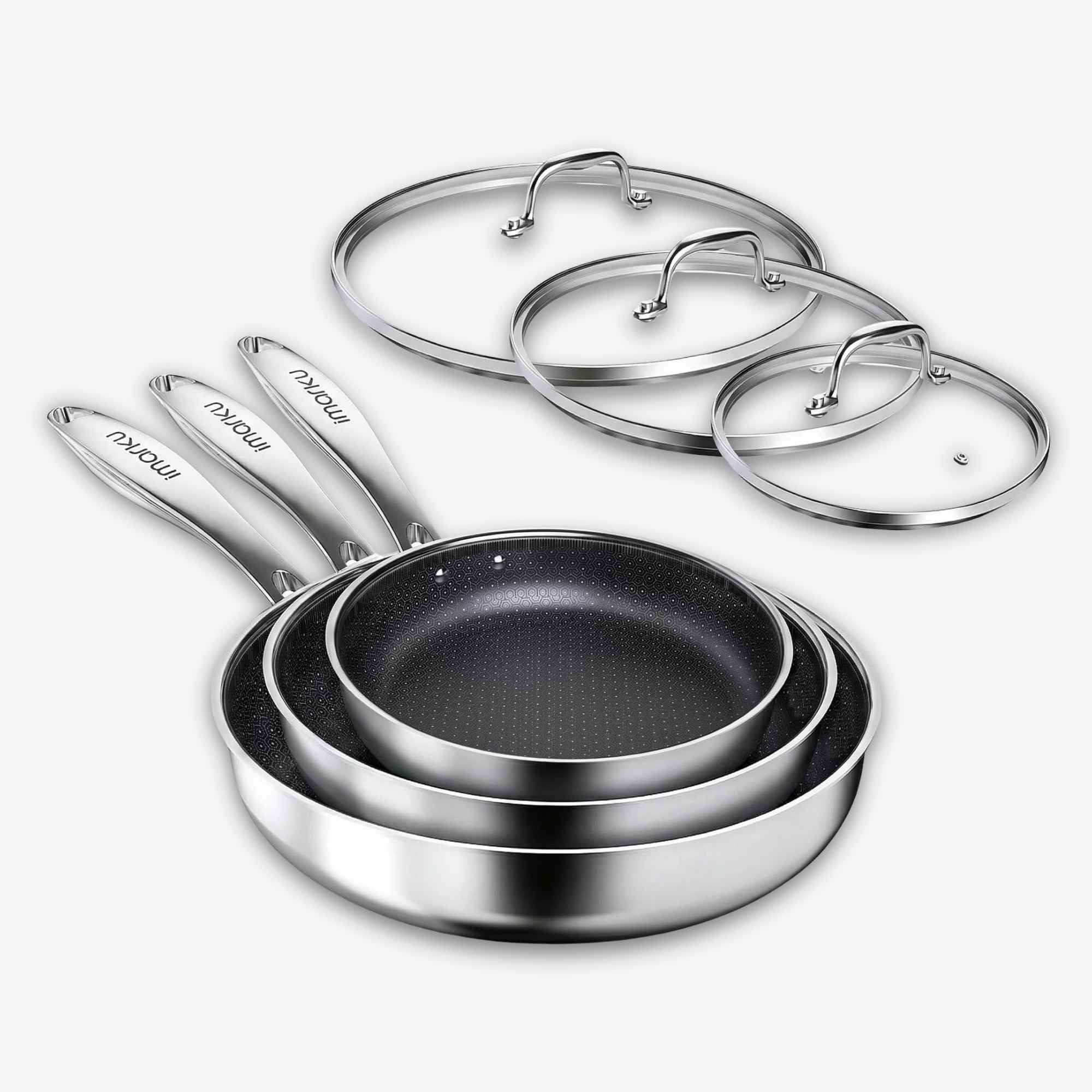
Many modern induction cookware sets combine stainless steel with a ceramic nonstick coating. This design maintains the strength and induction compatibility of stainless steel while offering easier food release and simplified cleanup. Ceramic-coated stainless steel is often chosen by home cooks who want convenience without relying on traditional chemical-based nonstick surfaces.
Cast Iron (Including Coated Cast Iron)
Cast iron works extremely well on induction cooktops due to its natural magnetic properties and excellent heat retention. Today, coated cast iron cookware that is clearly labeled PFOA-free provides similar performance with easier maintenance, making it more practical for everyday use.
Aluminum Cookware with Induction Base (PFOA-Free Coating)
Aluminum alone does not work on induction, but aluminum cookware bonded with a magnetic stainless steel base can be fully induction compatible. For many consumers asking is aluminum cookware safe, the answer depends largely on construction and coating quality. When paired with a PFOA-free, food-safe coating, this type of cookware offers fast heat responsiveness, lighter weight, and easier handling while meeting modern safety expectations commonly referenced in U.S. and international cookware standards.
Why the Base Design Matters on Induction Cooktops
The base construction plays a critical role in induction performance.
- Fully clad bases distribute heat more evenly and improve long-term durability.
- Impact-bonded bases can work but may develop uneven heating with extended use.
- A perfectly flat base ensures full contact with the induction surface, improving efficiency and reducing vibration or noise.
Cookware designed to meet U.S.-aligned appliance compatibility standards typically emphasizes flatness, warp resistance, and consistent magnetic response across the base.
Is Induction Cookware Safe?

Safety is a defining concern when choosing the safest induction cookware.
Uncoated vs Coated Cookware
Uncoated stainless steel and cast iron are naturally free from surface coatings, appealing to users who prefer minimal material complexity. Coated cookware—such as ceramic-coated stainless steel, PFOA-free coated cast iron, and PFOA-free coated aluminum—can also be safe when manufactured responsibly and used within recommended temperature limits.
PFOA and PFAS Considerations
Many modern cookware products are labeled as PFOA-free. While regulations differ by region, these claims are closely tied to U.S. consumer safety standards. It’s important to evaluate safety based on material transparency and usage guidelines rather than marketing language alone.
Can Stainless Steel Go in the Oven?

In most cases, yes. High-quality stainless steel cookware is generally oven-safe, provided it does not include plastic components or temperature-sensitive parts.
Ceramic-coated stainless steel cookware is also often oven-safe within specified temperature limits. Always check manufacturer recommendations, as safe oven temperatures may vary depending on handle materials and coating composition.
This oven compatibility is one reason stainless steel remains a core component of many best induction cookware sets.
What Cookware Works Best on Induction Stoves?

Does stainless steel work on induction?
Yes, as long as the stainless steel contains sufficient magnetic material. A simple magnet test can confirm compatibility.
Can you use nonstick cookware on induction cooktops?
Yes, if the cookware has a magnetic base designed for induction use. Performance depends heavily on base construction.
What cookware does not work on induction?
Glass, ceramic, and cookware made entirely from pure aluminum or copper will not function unless bonded with a magnetic base.
Induction Cookware vs Gas & Electric Cookware
Induction cookware must meet stricter material and structural requirements than cookware designed only for gas or traditional electric stoves.
- Heat efficiency: Induction cookware heats faster and wastes less energy.
- Energy usage: Induction systems often consume less electricity overall when paired with efficient cookware.
- Indoor safety: No open flame or combustion gases, making induction suitable for apartments and enclosed kitchens.
These factors explain why induction cooking is increasingly promoted under energy-efficiency and safety frameworks aligned with U.S. standards.
How to Choose the Best Induction Cookware for Your Cooking Style

The best induction cookware set depends on how and where you cook.
- Everyday home cooking: Stainless steel cookware with a ceramic coating offers durability with easier cleanup.
- Family meals: Larger induction cookware sets with consistent heat distribution support multi-dish cooking.
- Apartments and condos: Lighter cookware with stable, flat bases helps protect glass cooktops.
- High-heat or professional-style cooking: Uncoated stainless steel or cast iron provides precise heat control.
Pan size also matters more than many users expect.
How do you measure a fry pan?
Fry pans are measured across the top rim from inner edge to inner edge—not the flat cooking base. On induction cooktops, the base diameter must align with the magnetic cooking zone for optimal heating efficiency.
Everyday Cooking Scenarios on Induction Cooktops
The best induction cookware should perform reliably in everyday situations, not just ideal test conditions.
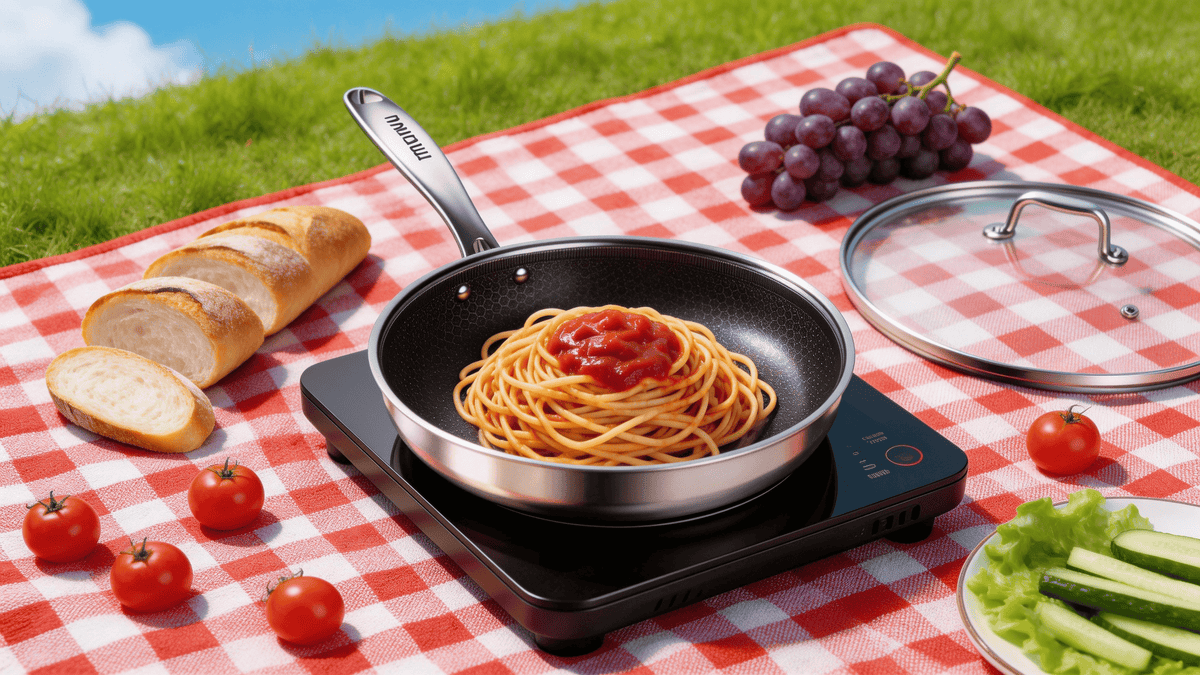
Many users ask how to reheat frozen pizza on an induction cooktop without drying it out. Using an induction-compatible stainless steel or ceramic-coated pan on low to medium heat, combined with a lid to retain moisture, allows the pizza to reheat evenly while preserving texture. Induction’s precise temperature control makes this process more consistent than traditional electric stovetops.
These real-life scenarios highlight why stable materials, responsive heating, and well-designed bases are essential qualities in the best induction cookware.
Value, Availability, and Practical Considerations
In 2026, induction cookware is available in a wide range of material combinations to suit different preferences. Stainless steel with ceramic coating balances durability and convenience. PFOA-free coated cast iron offers strong heat retention with easier maintenance. Uncoated stainless steel delivers maximum longevity, while PFOA-free coated aluminum provides lightweight handling with modern safety assurances.
From a value perspective, timing matters. Some high-quality induction cookware sets are periodically available with discounts of up to 45% off, making long-lasting, well-constructed cookware more accessible without compromising safety or performance.



Leave a comment
All comments are moderated before being published.
This site is protected by hCaptcha and the hCaptcha Privacy Policy and Terms of Service apply.