
TABLE OF CONTENTS
- >What is 18/10 stainless Steel?
- >What Difference Among 18/0, 18/8 and 18/10?
- >Why Choose 18/10 Stainless Steel Cookware?
- >Common Concerns and Mistakes about Stainless Steel Cookware
- >Stainless Steel Using Tips and Tricks
- >Top 5 Best 18/10 Stainless Steel Cookware and Real Review
- >FAQ – Beginner Concerns
- >Conclusion
Choosing the best 18/10 stainless steel cookware is not just about brand names or price—it’s about understanding materials, construction, and how cookware performs in real kitchens. 18/10 stainless steel is widely recognized by professional chefs and culinary experts for its durability, corrosion resistance, and food safety, making it one of the most trusted materials for cookware worldwide.
However, many buyers still feel overwhelmed by questions like: What does 18/10 really mean? Is stainless steel cookware safe? Why does food stick, and is that normal? Without clear explanations, even premium stainless steel cookware can feel difficult to use or maintain.
In this in-depth guide, we combine expert-backed information, real user experiences, and practical cooking advice to help you make an informed decision. From comparing 18/0, 18/8, and 18/10 stainless steel to reviewing the top-rated cookware sets, this article will help you confidently choose, use, and maintain the best 18/10 stainless steel cookware for your kitchen—whether you’re a beginner or an experienced home chef.
What is 18/10 stainless Steel?

If you’ve ever looked at cookware labels and wondered what does 18/10 stainless steel mean, you’re not alone. Many home cooks encounter this term when researching 18/10 stainless steel cookware, especially when upgrading from non-stick pans for the first time. The numbers may look technical, but the concept is actually simple—and very important for cooking performance.
What "18/10" Really Means
-
18 refers to 18% chromium, which helps the cookware resist rust and corrosion
- 10 refers to 10% nickel, which adds durability, shine, and long-term stability
Together, they create 18/10 stainless steel cookware that is strong, non-reactive, and safe for everyday cooking
Understanding what does 18/10 stainless steel mean helps explain why this material is widely used in professional kitchens and premium home cookware. Unlike lower-grade stainless steel, 18/10 stainless steel cookware maintains its appearance and structure even after years of regular use.
For many buyers searching for the best 18/10 stainless steel cookware, this composition is a key indicator of quality. It affects how the cookware handles heat, how it reacts with acidic foods, and how easy it is to maintain over time.
What Difference Among 18/0, 18/8 and 18/10?

When shopping for stainless steel cookware, many home cooks quickly notice labels like 18/0, 18/8 and 18/10—but few brands clearly explain what these numbers mean in real-life cooking. If you’re standing in a store or comparing products online, it’s natural to wonder which one actually makes sense for everyday home use.
Understanding the Key Differences at a Glance
| Grade | Chromium (%) | Nickel (%) | Rust Resistance | Durability | Ease of Cleaning | Cost Level | Typical Use |
| 18/0 | 18 | 0 | Moderate | Lower | Easy | Low | Budget cookware, utensils |
| 18/8 | 18 | 8 | High | Good | Easy | Medium | Mid-range cookware |
| 18/10 | 18 | 10 | Very High | Excellent | Very Easy | Medium | Premium home cookware |
At first glance, higher nickel content may seem better—but cookware performance is about balance, not extremes.
How These Differences Affect Real Cooking
- 18/0 stainless steel contains no nickel, making it more affordable but also more prone to discoloration and long-term wear
- 18/8 stainless steel improves corrosion resistance and stability, often found in mid-tier cookware
- 18/10 stainless steel offers a strong balance of durability, shine, rust resistance, and low maintenance
Why Choose 18/10 Stainless Steel Cookware?

18/10 stainless steel cookware is widely recognized by manufacturers, chefs, and consumer safety organizations as the most suitable option for home use because it:
- Offers excellent rust and corrosion resistance without specialty maintenance
- Is easier to clean with standard household methods
- Maintains performance over time without professional care
- Provides a more accessible price-to-performance ratio
This is why most experts agree that 18/10 represents the safest and most practical standard for families, making it the foundation of what consumers typically consider the best 18/10 stainless steel cookware.
Common Concerns and Mistakes about Stainless Steel Cookware

1. Why Is My Food Sticking to the Pan?
Why it happens:
Stainless steel does not have a chemical non-stick coating. When the pan is not preheated properly, microscopic pores on the surface remain open, allowing food proteins—especially eggs, rice, and pasta—to bond to the metal.
What impact it has:
Food sticking can lead to frustration, uneven cooking, and the false impression that stainless steel cookware is low quality. In reality, sticking is usually a temperature and timing issue, not a cookware defect.
Is it harmful to your health?
No. Food sticking does not release toxins or harmful substances. Stainless steel is non-reactive and food-safe. The issue is purely functional, not related to food safety.
2. Why Are There Some White Spots and Chalky Residue on Stainless Steel Pans After Washing?

Why it happens:
White spots are typically caused by mineral deposits from hard water. When water evaporates on a hot surface, minerals like calcium remain behind, creating visible marks.
What impact it has:
These spots affect appearance only and may make users worry about corrosion or contamination. They do not affect cooking performance.
Is it harmful to your health?
No. Mineral residue is not toxic and does not transfer harmful substances to food. It can be easily removed with mild acids like vinegar, which confirms it is a surface-level issue only.
3. Why Is There Rainbow or Blue Discoloration After Cooking On Stainless Steel Cookware? Will it be Harmful to My Health?

Why it happens:
Rainbow discoloration is a natural reaction between stainless steel and high heat or certain minerals. It occurs when the chromium oxide layer on the surface changes thickness due to temperature exposure.
What impact it has:
This discoloration often causes unnecessary concern, making users think the cookware has overheated or degraded. In fact, it does not affect durability, structure, or cooking safety.
Is it harmful to your health?
No. The discoloration is purely visual. Stainless steel remains chemically stable and safe for cooking, even with visible color changes.
4. Can Stainless Steel Cookware Overheat or Warp If You Use High Heat? Does it Shorten Its Lifespan?

Why it happens:
Many users apply high heat too quickly, often out of habit from non-stick cookware. Sudden temperature changes—especially placing a hot pan under cold water—can increase stress on the metal.
What impact it has:
Extreme temperature shock may affect flatness over time, but occasional overheating does not immediately ruin stainless steel cookware. It is designed to handle high temperatures when used correctly.
Is it harmful to your health?
No. Overheating does not cause stainless steel to release harmful chemicals. The concern here is longevity, not safety.
5. What’s the Right Way to Clean Stainless Steel Cookware Without Damaging It?

Cleaning stainless steel cookware doesn’t have to be complicated. With a few simple techniques, you can keep your pans looking great and performing well, while solving common issues like discoloration, residue, or food sticking.
Simple Cleaning Methods:
- Regular Cleaning: After the pan has cooled, wash with warm water, mild dish soap, and a soft sponge or cloth after each use. This removes most food residue without scratching the surface.
- Avoid Harsh Scrubbers: Steel wool or abrasive pads can scratch the pan. Use nylon brushes or non-abrasive pads instead.
- Dry Immediately: After washing, dry with a soft towel to prevent water spots and rainbow discoloration.
Removing Rainbow or Blue Discoloration:
This occurs when the metal surface heats unevenly or interacts with certain minerals.
Solution: Rub a small amount of white vinegar onto the surface or use a baking soda paste. Rinse thoroughly and dry. The pan is safe to use afterward.
Removing White Spots or Chalky Residue:
White spots are usually caused by mineral deposits from hard water.
Solution: Soak the pan in a mixture of equal parts water and vinegar for 10–15 minutes, then scrub gently with a soft sponge. Alternatively, a paste of baking soda and water works as well.
Preventing Food from Sticking:
- Preheat the pan gradually before adding oil or butter.
- Make sure the cooking surface is properly heated; test by adding a few drops of water—if they dance and evaporate, the pan is ready.
- Let proteins like eggs or meat release naturally before flipping or stirring. Overcrowding the pan can also cause sticking, so cook in batches if needed.
Key Takeaway: Proper cleaning and cooking techniques keep your stainless steel cookware safe, functional, and visually appealing. These methods prevent common issues while preserving the non-reactive, durable 18/10 stainless steel surface, ensuring safe daily use for years.
Why These Concerns Are Normal—and Temporary
From a user standpoint, it’s important to clarify that stainless steel cookware is widely used in professional and home kitchens because it is stable, non-toxic, and long-lasting. Most concerns arise during the learning phase, not because the cookware is unsafe or defective.
Once you understand why these issues occur, stainless steel becomes predictable, reliable, and easy to live with—especially for long-term, health-conscious cooking.
Stainless Steel Using Tips and Tricks

Switching to stainless steel cookware doesn’t require professional skills—just a few simple habit changes. Once you understand how stainless steel reacts to heat and food, cooking becomes smoother and more predictable.
1. Preheat First, Then Add Oil
Before adding oil or food, allow the pan to heat gradually over medium heat. A properly preheated pan helps reduce sticking and improves browning.
User tip: If the pan is hot enough, oil will spread smoothly instead of pooling.
2. Use Medium Heat More Often
Stainless steel retains heat efficiently, so high heat is rarely necessary. Medium or medium-high heat provides better control and helps prevent burning.
3. Let Food Release Naturally
Proteins like eggs, chicken, or fish will initially stick, then release once properly cooked. Trying to flip too early is one of the most common beginner mistakes.
4. Don’t Overcrowd the Pan
Too much food lowers the pan temperature and increases sticking. Cooking in batches improves texture and consistency.
5. Adjust Expectations from Non-Stick Cooking
Stainless steel is not designed to behave like coated cookware. Once you adapt your timing and heat control, it becomes one of the most reliable tools in the kitchen.
Top 5 Best 18/10 Stainless Steel Cookware and Real Review
When looking for reliable 18/10 stainless steel cookware, it’s easy to get overwhelmed by the choices. From home cooks to busy families, these five brands consistently appear in trusted reviews and consumer recommendations.
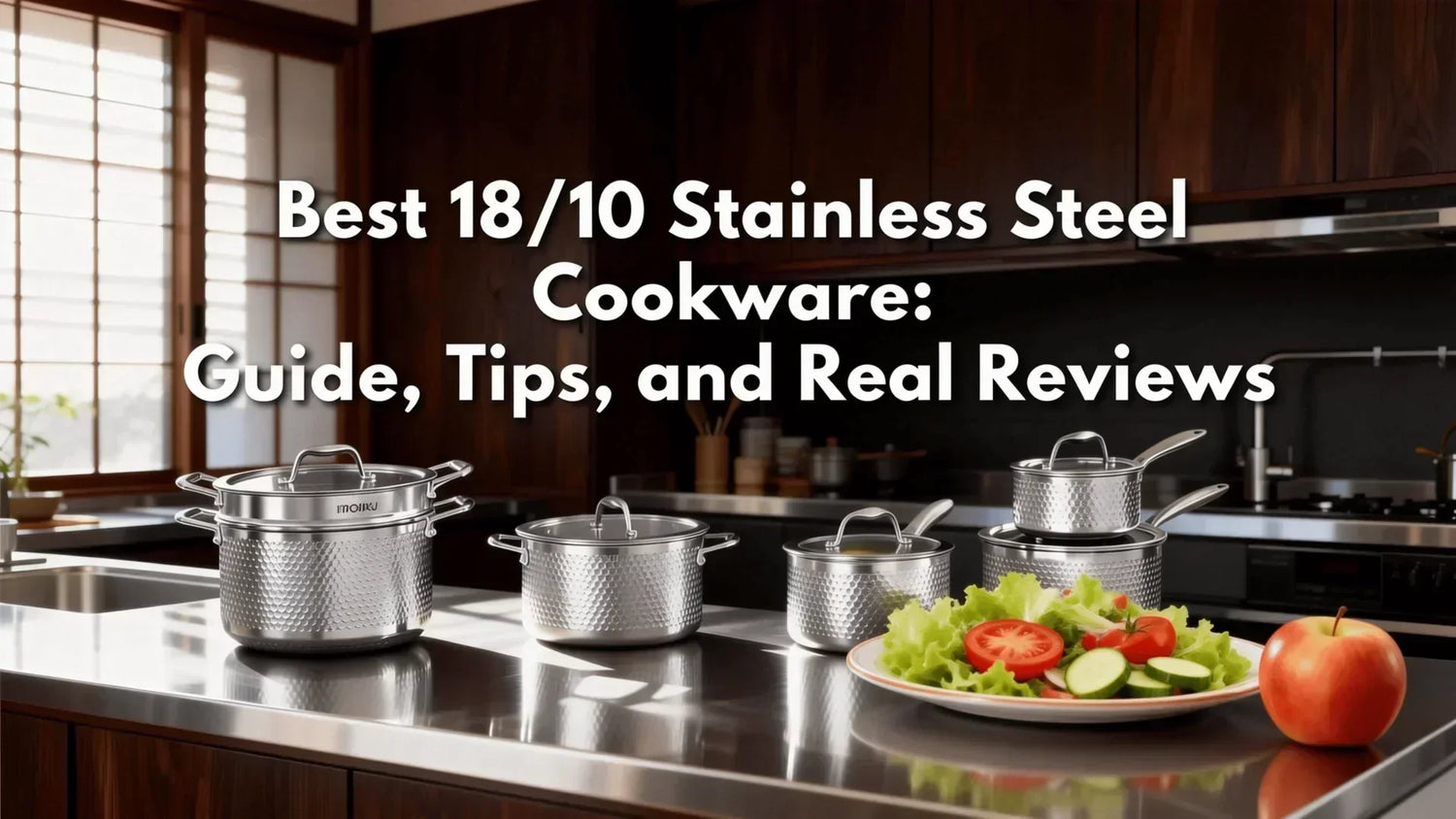
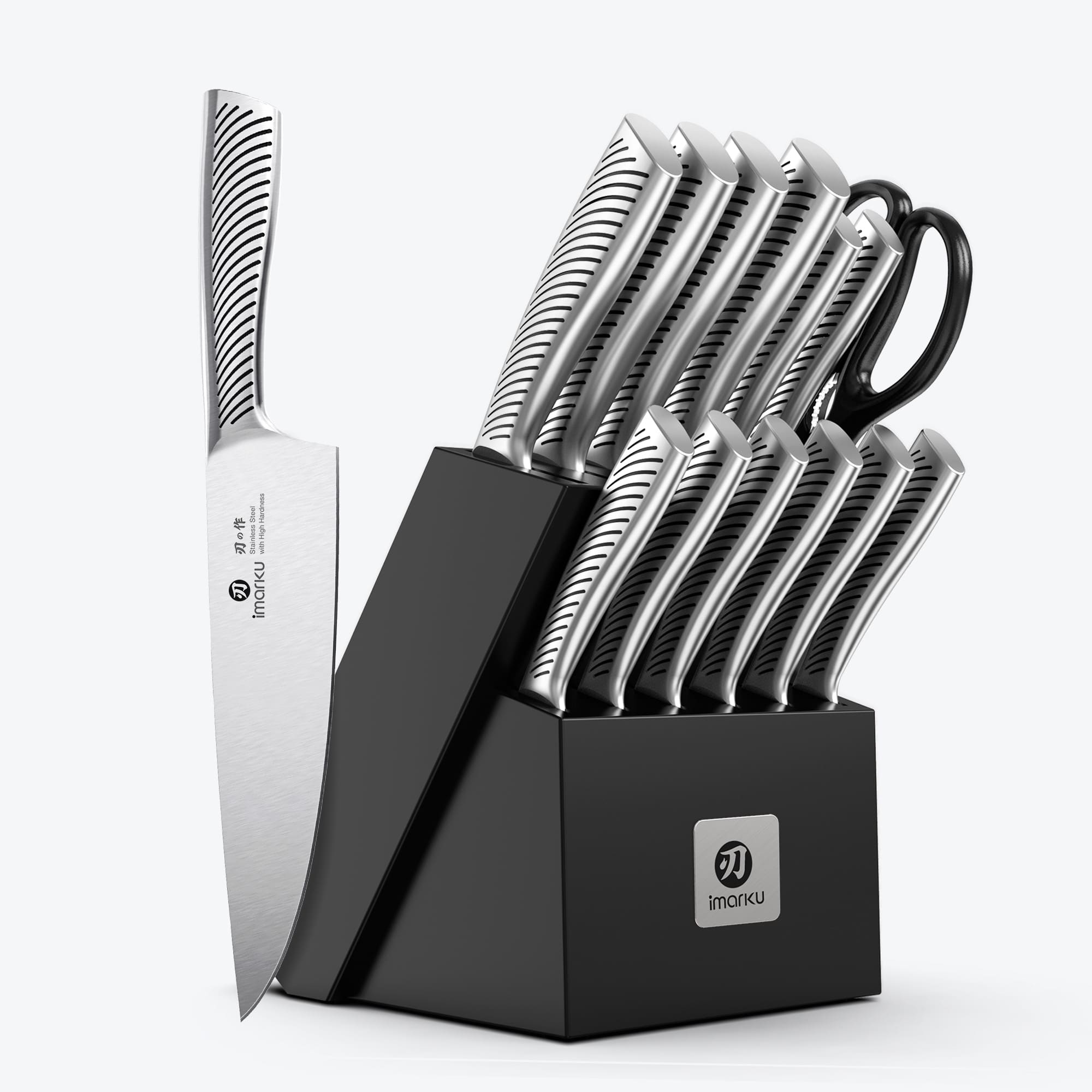
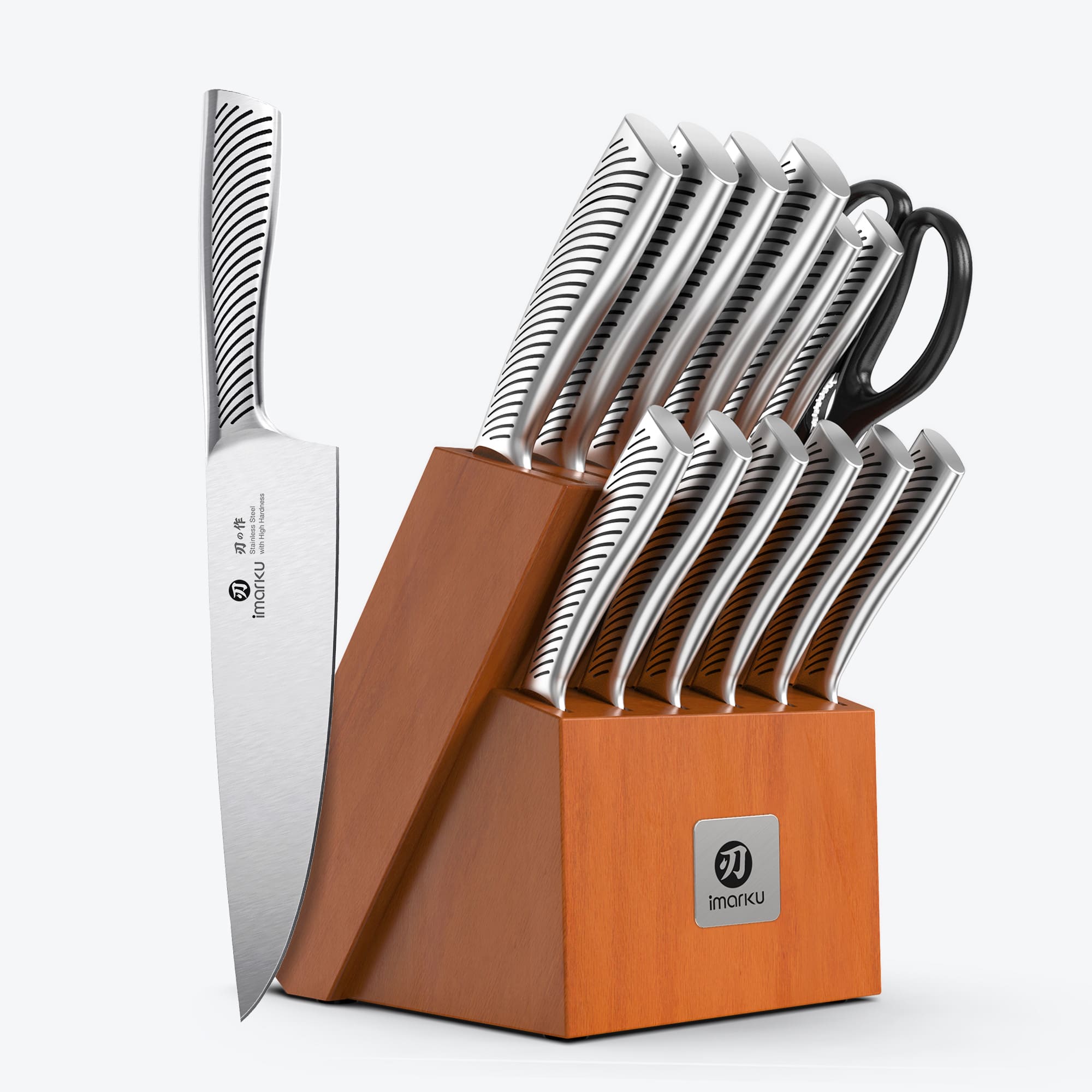
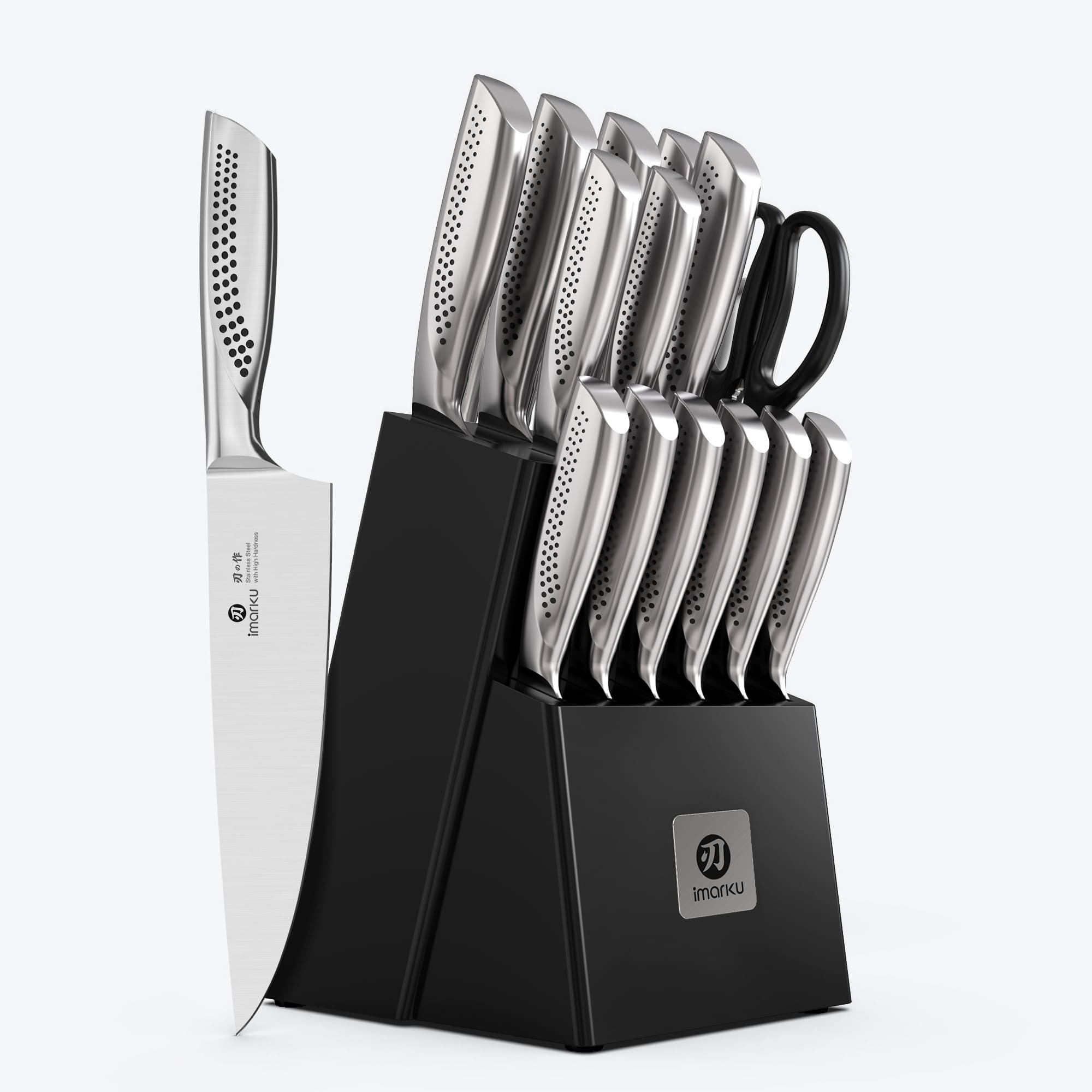
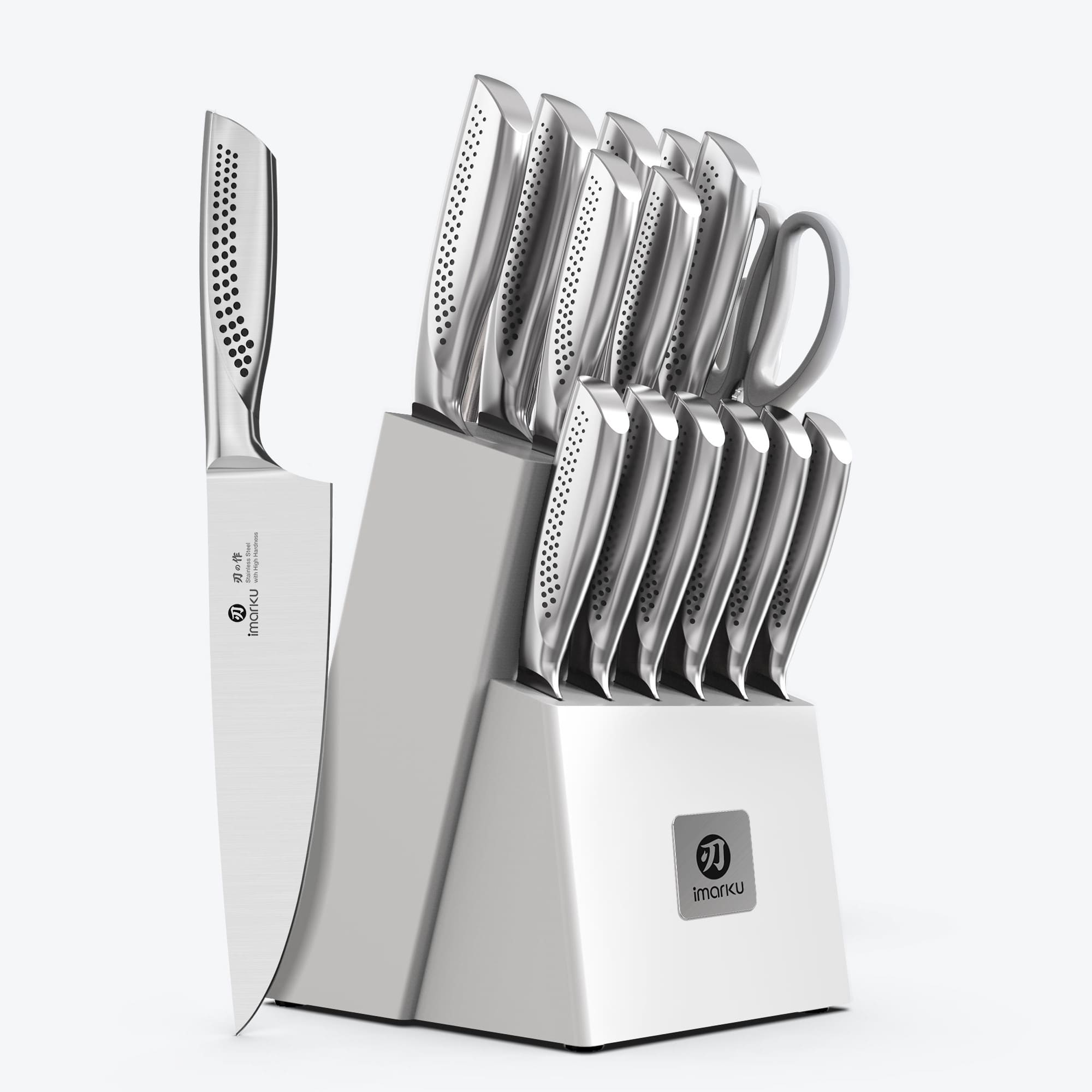
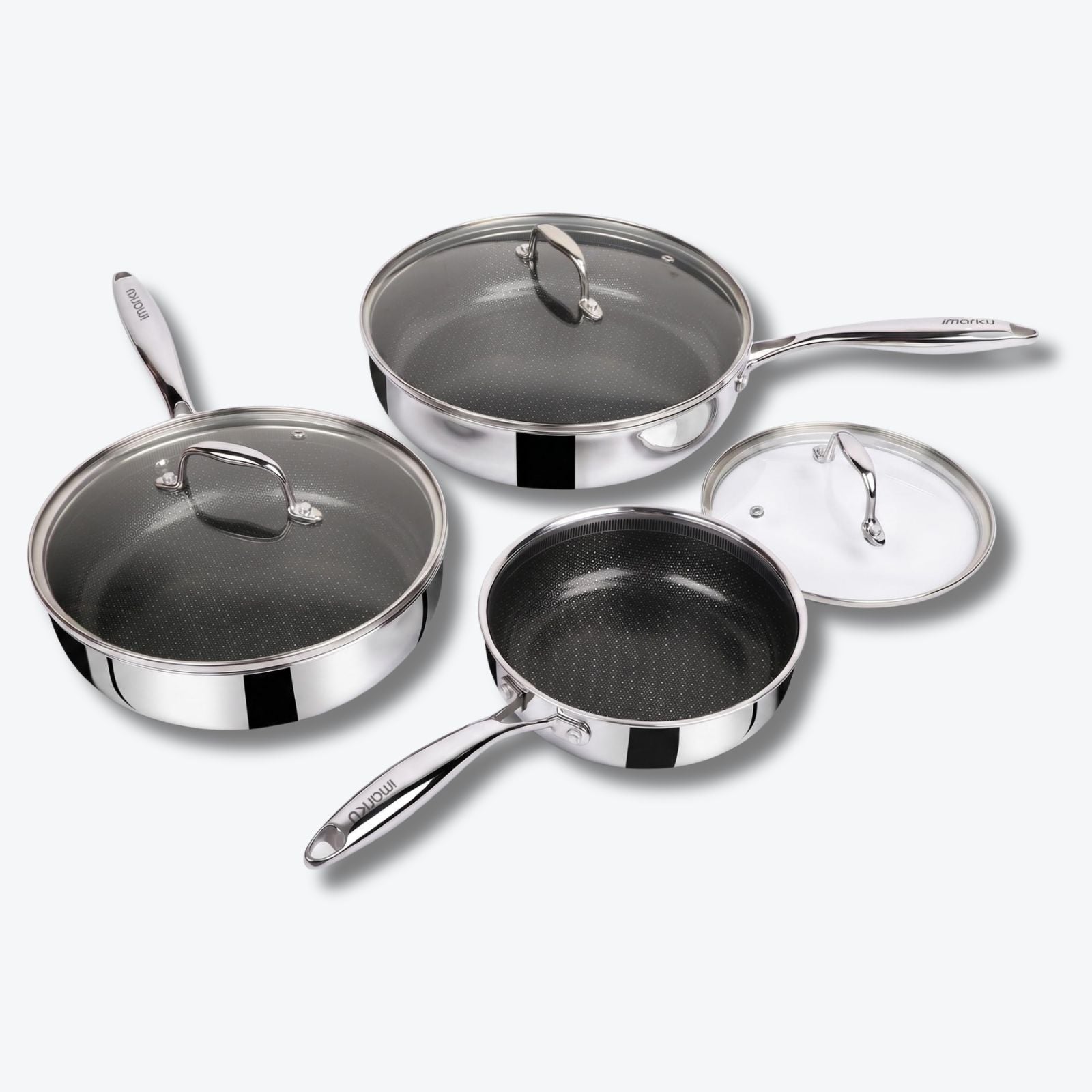
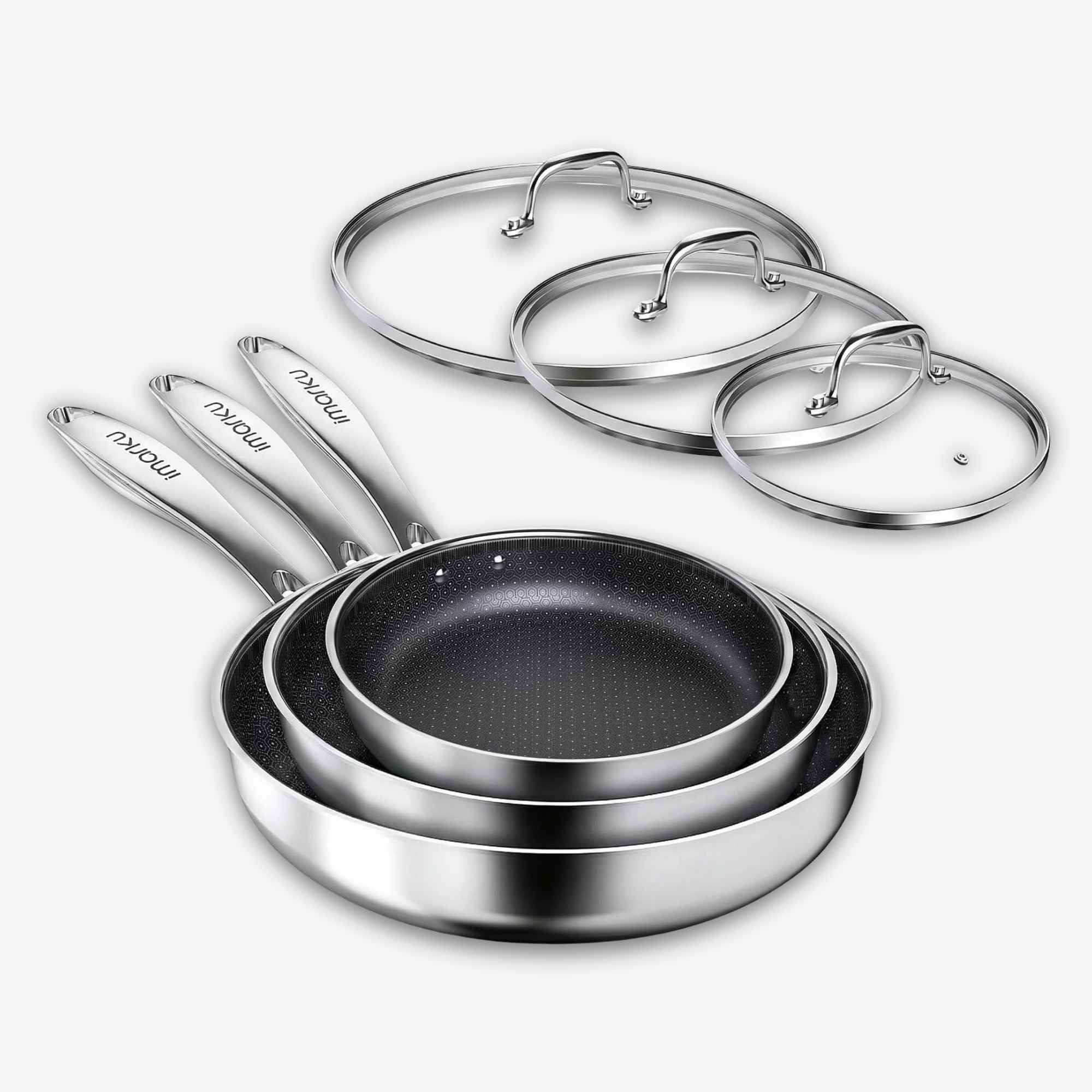
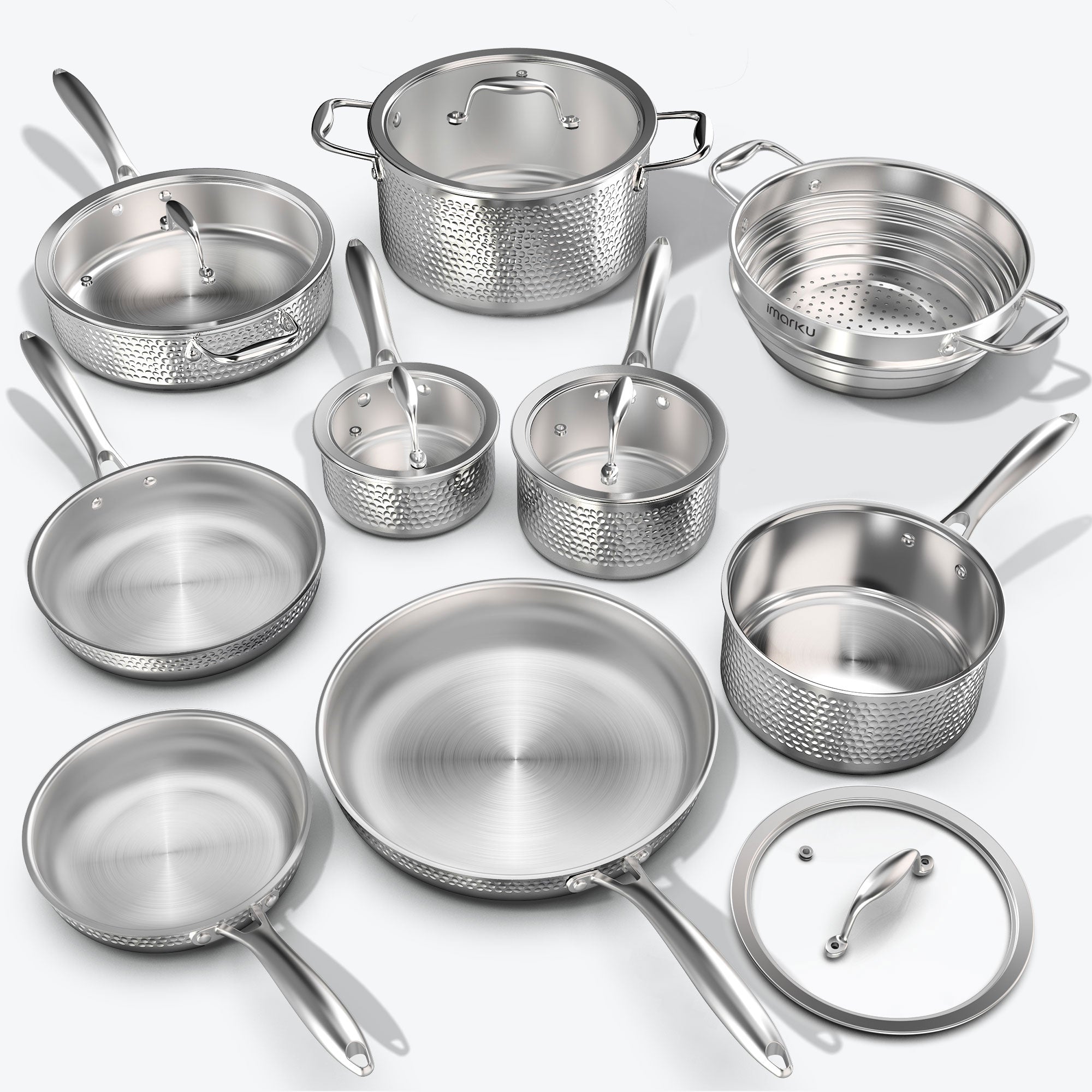
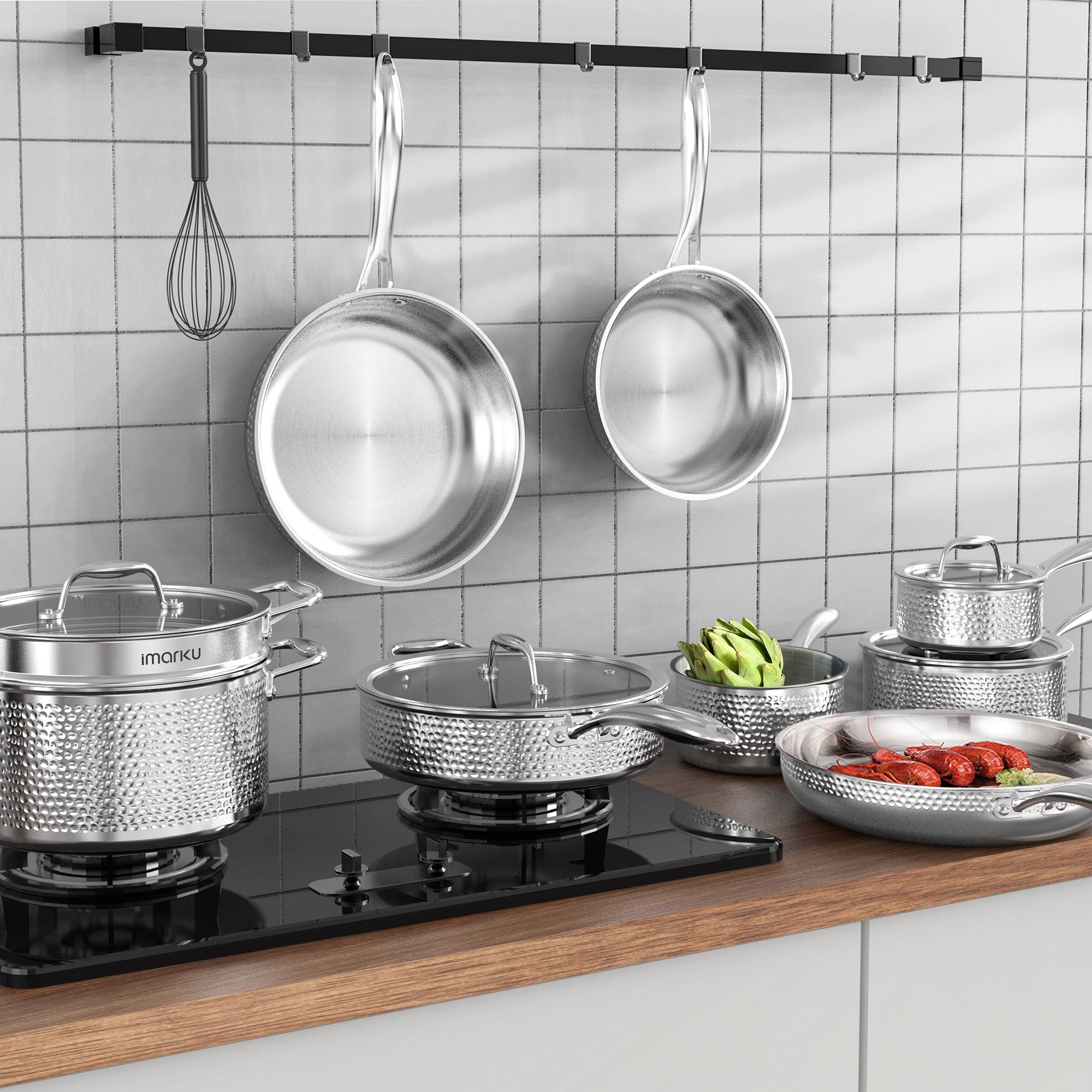
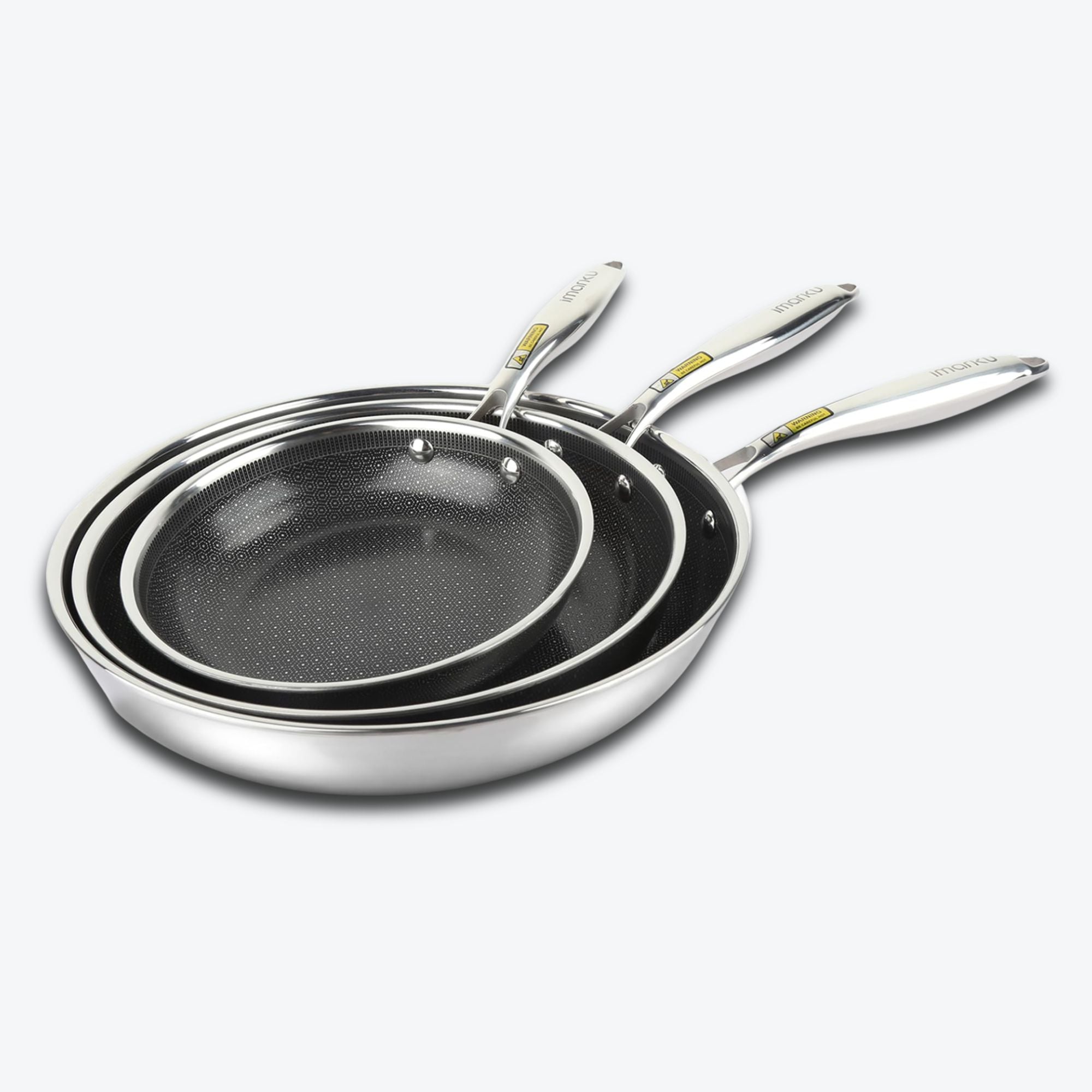
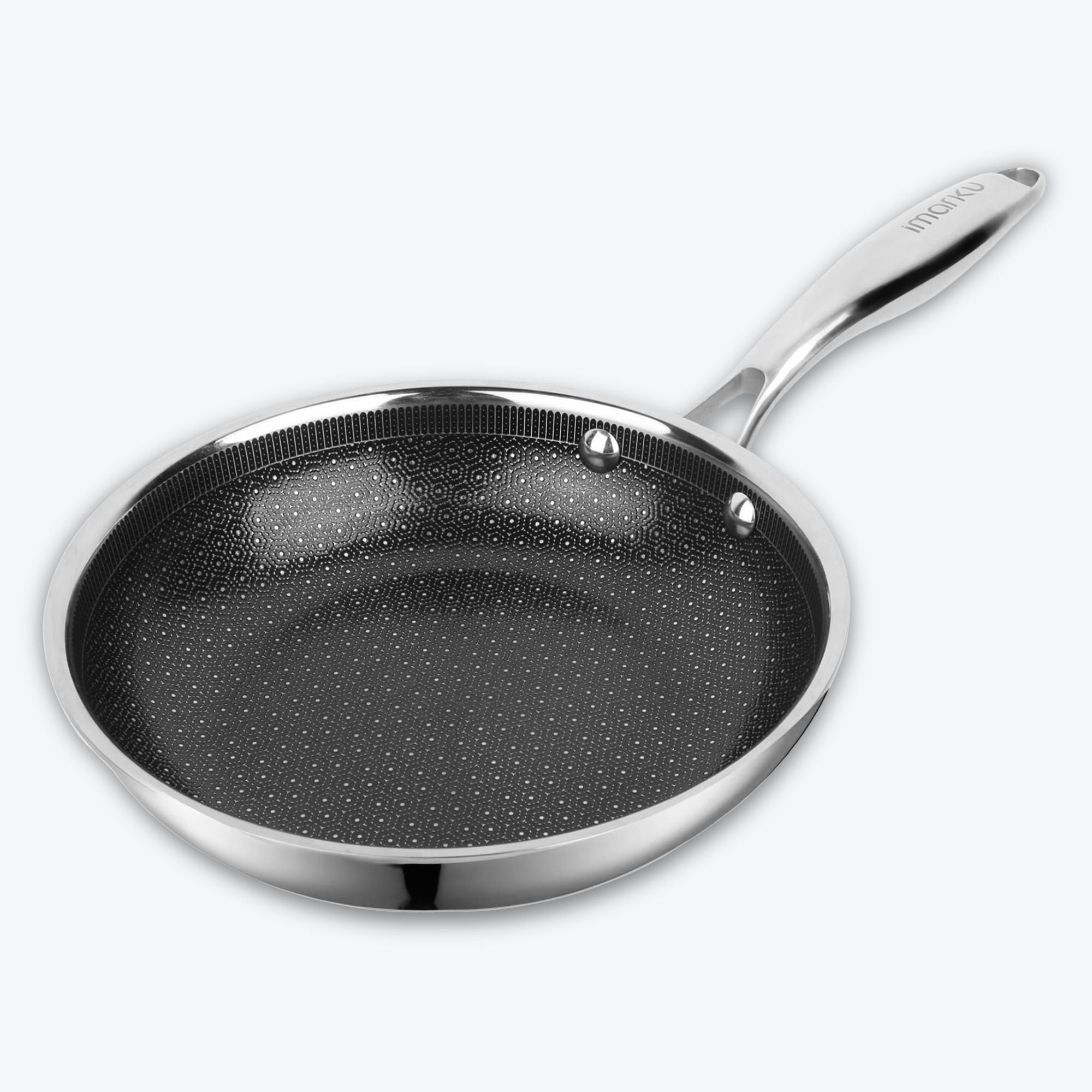
Imarku Stainless Steel Cookware

Imarku cookware is often recognized for delivering dependable performance at a more accessible price point, which makes it appealing to home cooks who want long-term reliability without a premium-level investment.
From a construction standpoint, Imarku uses a tri-ply structure, meaning the cookware is built with three bonded layers rather than a simple base plate. The interior cooking surface is made from 18/10 stainless steel, valued for its corrosion resistance, stability, and non-reactive properties. This ensures the cookware remains safe for everyday use, including acidic foods, while maintaining its appearance over time.
At the core, an aluminum layer is pressure-bonded between the stainless steel layers, allowing heat to spread quickly and evenly across the pan. This layered manufacturing process helps minimize hot spots and improves temperature control, which is especially useful for tasks like sautéing vegetables, simmering sauces, or boiling pasta. The outer stainless steel layer adds structural strength and compatibility with gas, electric, and induction cooktops.
In real kitchen use, many users note that Imarku pans respond predictably to heat once properly preheated. Food tends to release more easily as the stainless steel surface reaches the correct temperature, and cleanup is straightforward with standard washing methods. The combination of 18/10 stainless steel durability and tri-ply heat conduction makes the cookware versatile for daily cooking without requiring professional-level care.
At the time of writing, Imarku is also offering a $100 off promotion (code: TU14) on the 14-piece stainless steel cookware set, which further strengthens its value proposition for home kitchens looking to upgrade to 18/10 stainless steel.
Made In Stainless Steel Cookware

Made In cookware is recognized for professional-grade quality, designed for cooks who want premium materials but home-friendly usability.
Made In uses 18/10 stainless steel with a full aluminum core for optimal heat conduction. The layered design ensures consistent temperature across the base and sides. Handles are often stainless steel with a hollow design to reduce heat transfer and improve handling safety.
Home cooks find these pans efficient for both high-heat searing and gentle simmering. The even heat distribution helps prevent scorching, while the polished stainless surface allows for simple cleaning. Its thoughtful design balances durability with ergonomics, making it suitable for everyday cooking.
All-Clad Stainless Steel Cookware

All-Clad is a trusted brand in both professional and home kitchens due to its long-lasting performance and uniform heating, which reduces cooking errors.
All-Clad cookware typically uses full-clad 3-ply or 5-ply construction, with 18/10 stainless steel encapsulating an aluminum or copper core. This ensures consistent heat across the pan’s surface and along the walls, ideal for temperature-sensitive recipes. Riveted stainless steel handles provide secure grip and oven safety.
Users report that All-Clad pans perform predictably, whether simmering sauces or searing proteins. The craftsmanship allows precise control over cooking, making it a go-to option for home chefs who prioritize consistency and durability.
Viking Stainless Steel Cookware

Viking cookware is often chosen for its robust construction and reliable heat response, making it a versatile choice for both casual and detailed cooking tasks.
Viking sets feature tri-ply stainless steel with an aluminum core and an 18/10 stainless steel cooking surface. The pans are designed for even heat conduction and resistance to warping. Ergonomically shaped handles ensure a comfortable grip during long cooking sessions.
Many users appreciate how Viking pans handle delicate and precise cooking, such as reducing sauces or searing steaks, without creating hot spots. The durability and balance make it a practical choice for cooks who want consistent performance over time.
Calphalon Stainless Steel Cookware

Calphalon cookware is tailored for home kitchens that require both durability and ease of use, making it a convenient choice for families or frequent cooks.
Calphalon uses multi-ply stainless steel with an aluminum core, ensuring fast, even heat distribution. The 18/10 stainless steel interior resists corrosion and provides a smooth surface for easy food release. Handles are riveted and stay relatively cool during moderate cooking.
Users often note that Calphalon pans are simple to clean and maintain, even after cooking sticky foods or boiling starchy dishes. Its combination of heat efficiency and low-maintenance surface makes it reliable for weeknight dinners and larger meals alike.
FAQ – Beginner Concerns

What is 18/10 stainless steel, and why is it preferred for cookware?
18/10 stainless steel contains 18% chromium and 10% nickel, which makes it highly resistant to rust and corrosion, maintains a shiny surface, and ensures durability. For home cooks, this means cookware that lasts longer, is safe for food contact, and requires minimal maintenance compared to other materials.
How many layers (plies) of stainless steel cookware are ideal?
Stainless steel cookware usually comes in 2-ply, 3-ply, or 5-ply construction. A 3-ply pan, with an aluminum core between layers of 18/10 stainless steel, offers a good balance of heat conduction, durability, and price, making it the most practical choice for home kitchens.
Is stainless steel safe compared to non-stick or ceramic cookware?
Yes. 18/10 stainless steel is safe and non-reactive, does not release harmful chemicals, even at high temperatures. Ceramic coating is also considered a healthy material, though over time it may darken—this does not affect safety. If you like ceramic coating but also want the even heat distribution of stainless steel, choosing a stainless steel pan with ceramic coating can be a great option for safe, efficient cooking.
Can stainless steel cookware go in the dishwasher?
While some sets are labeled dishwasher-safe, frequent dishwasher use may cause water spots, rainbow discoloration, or dulling. Hand washing with warm water, mild soap, and soft cloths ensures longer-lasting shine and performance.
Can stainless steel cookware be used on all stove types, including induction?
Most 18/10 stainless steel cookware with a magnetic base works on gas, electric, ceramic, and induction stoves. Check the product specifications, but full-clad sets with 18/10 stainless steel are usually highly versatile for any kitchen setup.
How should I clean and maintain stainless steel cookware to keep it performing well?
Rinse while the pan is warm, use mild soap and a soft sponge, and dry immediately to prevent water spots. For stubborn stains or rainbow discoloration, a paste of baking soda and water or a small amount of vinegar works well. Proper maintenance ensures durable, safe, and hygienic cookware for years.
Conclusion

Choosing the best 18/10 stainless steel cookware can transform your everyday cooking experience. Compared to other materials like non-stick or ceramic, 18/10 stainless steel offers superior durability, even heat distribution, and long-term safety, making it ideal for both beginners and experienced home cooks. While ceramic coating is also a healthy option, it may darken over time, whereas stainless steel maintains its integrity and performance for years. For those who want the benefits of both, stainless steel pans with ceramic coating provide even heat conduction along with easy food release.
Ultimately, investing in high-quality 18/10 stainless steel cookware—whether full-clad, tri-ply, or a reputable brand like Imarku, Made In, All-Clad, Viking, or Calphalon—ensures reliable, safe, and versatile performance in the kitchen. With proper care, these pans can handle everything from sautéing and searing to simmering sauces, giving you consistent results and a cookware set that lasts a lifetime.




Leave a comment
All comments are moderated before being published.
This site is protected by hCaptcha and the hCaptcha Privacy Policy and Terms of Service apply.