
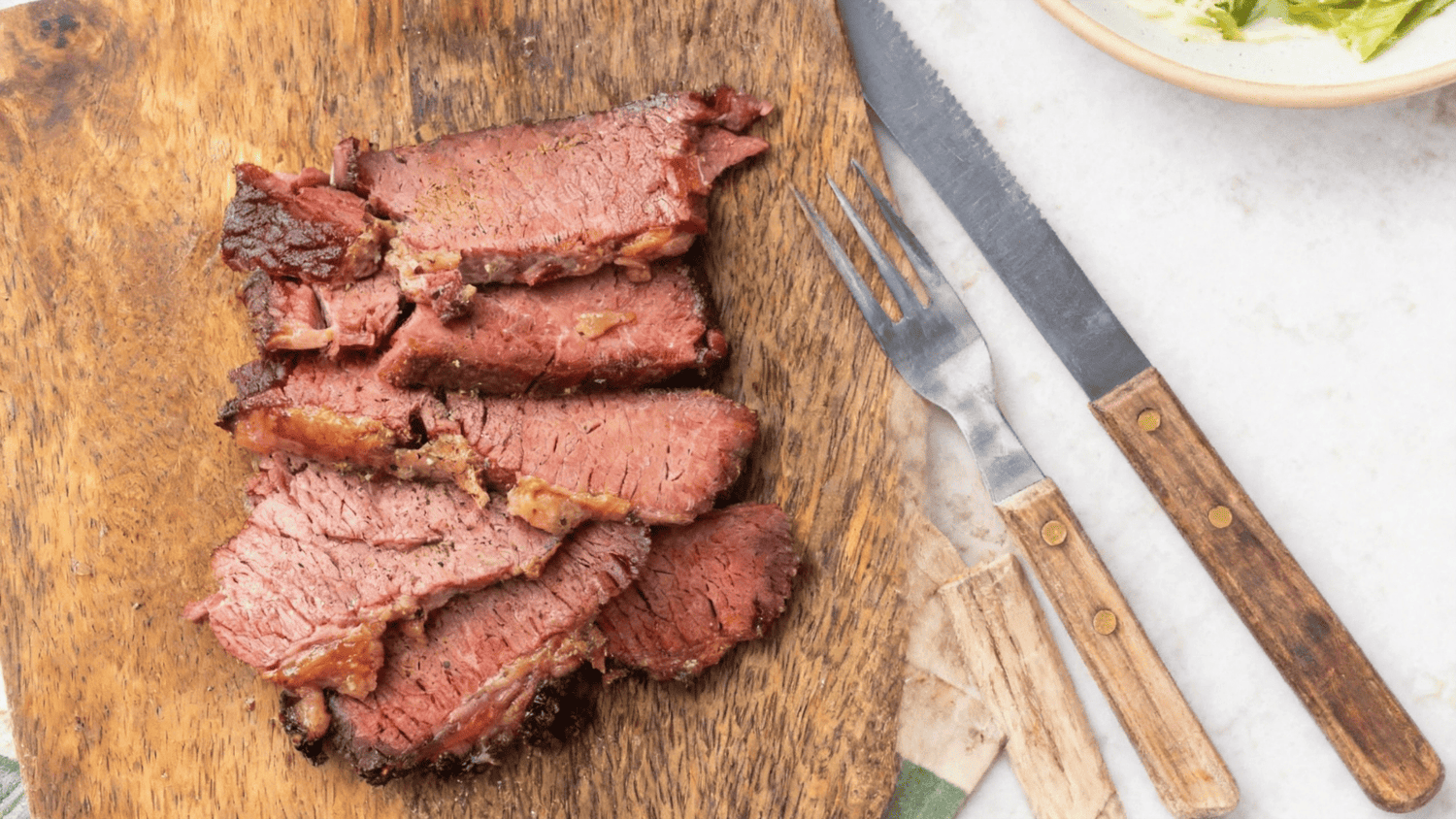
For stovetop: 45–60 minutes per pound. For Crockpot: 8–10 hours on LOW. For Instant Pot: 90 minutes. This corned beef cooking time guide gives you exact timings, temperature targets, and real chef-tested checkpoints so your brisket turns out tender—not tough or mushy.
| Cooking Method | Time | Internal Temperature |
|---|---|---|
| Stovetop (Simmer) | 45–60 min per lb | 145°F safe, 190–205°F ideal |
| Slow Cooker (LOW) | 8–10 hours | 190–205°F |
| Instant Pot (High) | 90 minutes | 190–205°F |
Stovetop Method (Best Control Over Corned Beef Cooking Time)

This method gives you the most control over heat and timing, which directly affects texture.
Step-by-Step
- Rinse the corned beef to reduce excess salt.
- Place in a Dutch oven or heavy pot.
- Cover with water (1–2 inches above meat).
- Add spice packet and aromatics.
- Bring to a boil, then reduce to a gentle simmer.
- Cook 45–60 minutes per pound.
Timing Breakdown (3–4 lb brisket)
- 1 hour: Firm, not ready
- 2 hours: Fibers begin to relax
- 3 hours: Start fork testing
- 3.5–4 hours: Ideal tenderness
Real Test Checkpoints
- At 2.5 hours: Fork meets resistance
- At 3 hours: Check every 20 minutes
- At 4 hours: Fork slides in easily
Critical Tip: Never boil aggressively. A rolling boil tightens muscle fibers and ruins texture.
Slow Cooker/Crockpot Method
This is the easiest way to manage corned beef cooking time with consistent results.
Timing Variations by Weight
- 2–3 lbs: 6–8 hours on LOW
- 3–4 lbs: 8–10 hours on LOW
- 4–5 lbs: 10–11 hours on LOW
Step-by-Step
- Place brisket fat side up.
- Add 1–2 cups liquid.
- Add spices and optional vegetables.
- Cook on LOW for best texture.
Real Cooking Timeline
- At 6 hours: Still slightly firm
- At 8 hours: Tender and ready
- At 10 hours: Very soft, slice carefully
Chef Insight: HIGH setting shortens time but reduces tenderness consistency.
Pressure Cooker/Instant Pot Method
The fastest way to hit ideal corned beef cooking time without sacrificing tenderness.
Step-by-Step
- Add trivet and 1 cup liquid.
- Place corned beef on top.
- Seal lid and cook on HIGH pressure.
- Cook for 90 minutes.
- Natural release for 15–20 minutes.
Timing Adjustments
- Under 3 lbs: 75–80 minutes
- 3–4 lbs: 90 minutes
- Over 4 lbs: 100 minutes
Real Cooking Checkpoints
- At 60 minutes: Tough
- At 90 minutes: Perfect
- 100+ minutes: Over-soft risk
How to Tell When Corned Beef Is Done
- Fork Test: Slides in easily with slight resistance
-
Internal Temperature:
- Minimum safe: 145°F (per :contentReference[oaicite:0]{index=0})
- Ideal tenderness: 190–205°F
- Slice Test: Clean cuts, not shredding
Signs Your Corned Beef Is Undercooked
- Tough and chewy
- Fibers don’t separate
- Knife resistance is high
Signs Your Corned Beef Is Overcooked
- Falls apart when slicing
- Dry, stringy texture
- Loses structure
Common Mistakes That Ruin Cooking Time
- Boiling instead of simmering → tough meat
- Undercooking → chewy texture
- Overcooking → dry or mushy
- Skipping rest time → moisture loss
- Too little liquid → uneven cooking
What You'll Need

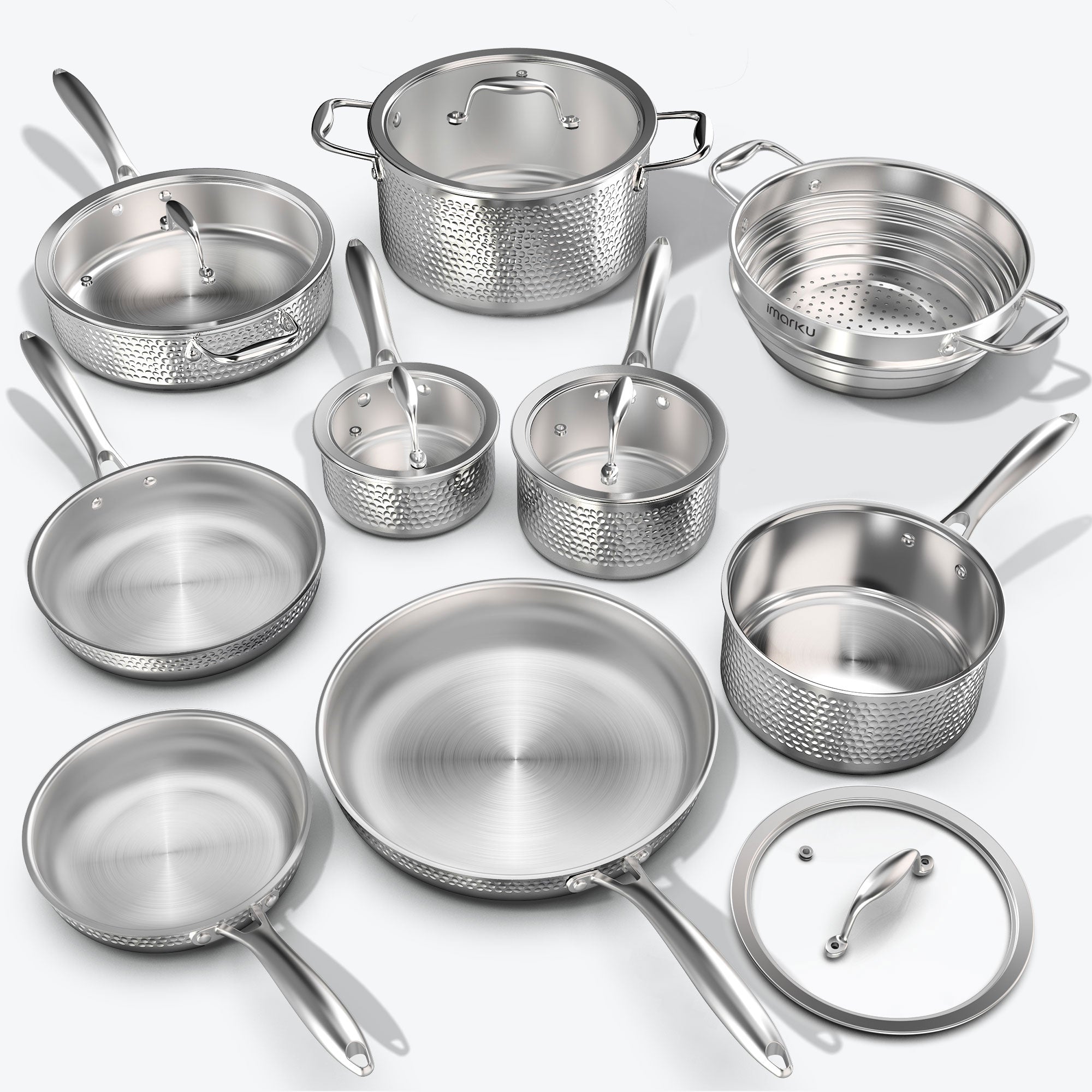
- Dutch oven: Thick base and tight-fitting lid for even simmering
- Slow cooker: 6-quart ideal for 3–4 lb brisket
- Instant Pot: 6qt or 8qt models handle full cuts efficiently
- Meat thermometer: Essential for perfect results ($15–30)
- Heavy-duty aluminum foil: Helps retain moisture during resting
Frequently Asked Questions
Does corned beef get more tender the longer you cook it?
Yes, up to a point. Around 190–205°F, connective tissue breaks down. Beyond that, it dries out.
Should corned beef be submerged?
Yes. Submerging ensures even cooking and consistent corned beef cooking time.
Can you overcook corned beef?
Yes. It becomes mushy and loses structure when overcooked.
How long should it rest?
Let it rest 10–15 minutes wrapped in foil before slicing.
Related Tips
- While your corned beef rests, you might wonder if your cookware can handle high heat – learn can stainless steel go in the oven
- If you're meal prepping, knowing how to reheat frozen pizza microwave style saves time
- After handling raw meat, you must know when must a knife be cleaned and sanitized
- This dish can leave stubborn residue – here's how to clean stainless steel pans
- Cooking in aluminum pans? Read is aluminum safe to cook with first
- Choosing the right vessel matters – understand saucepan vs pot
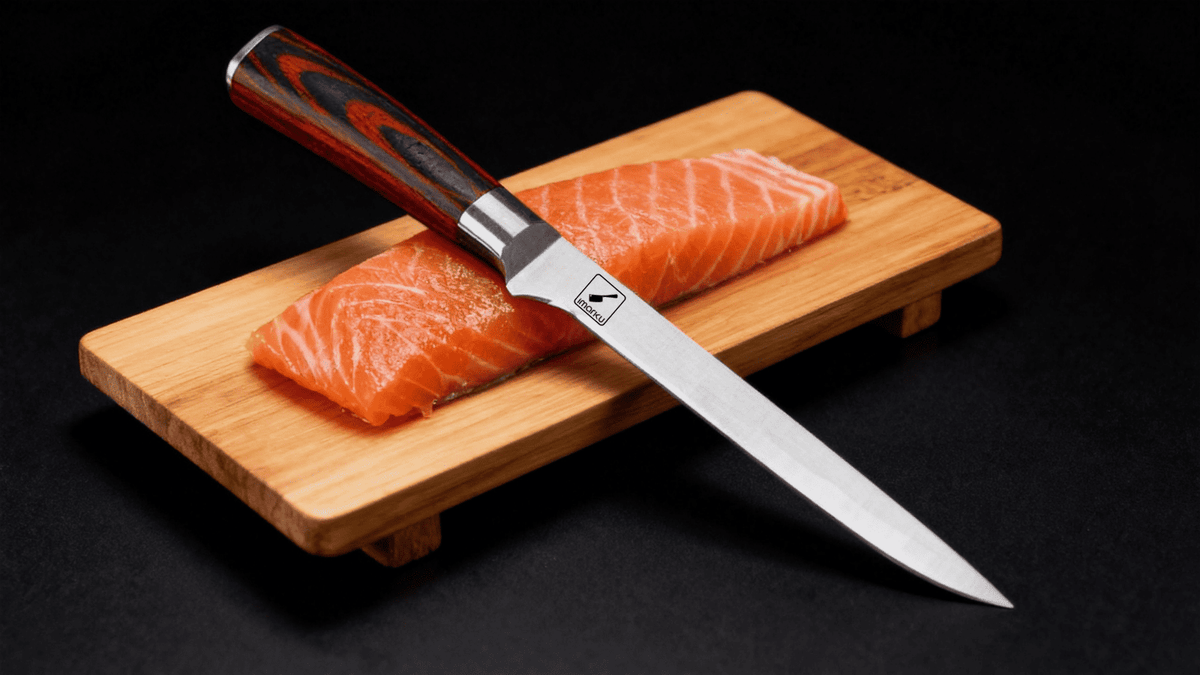
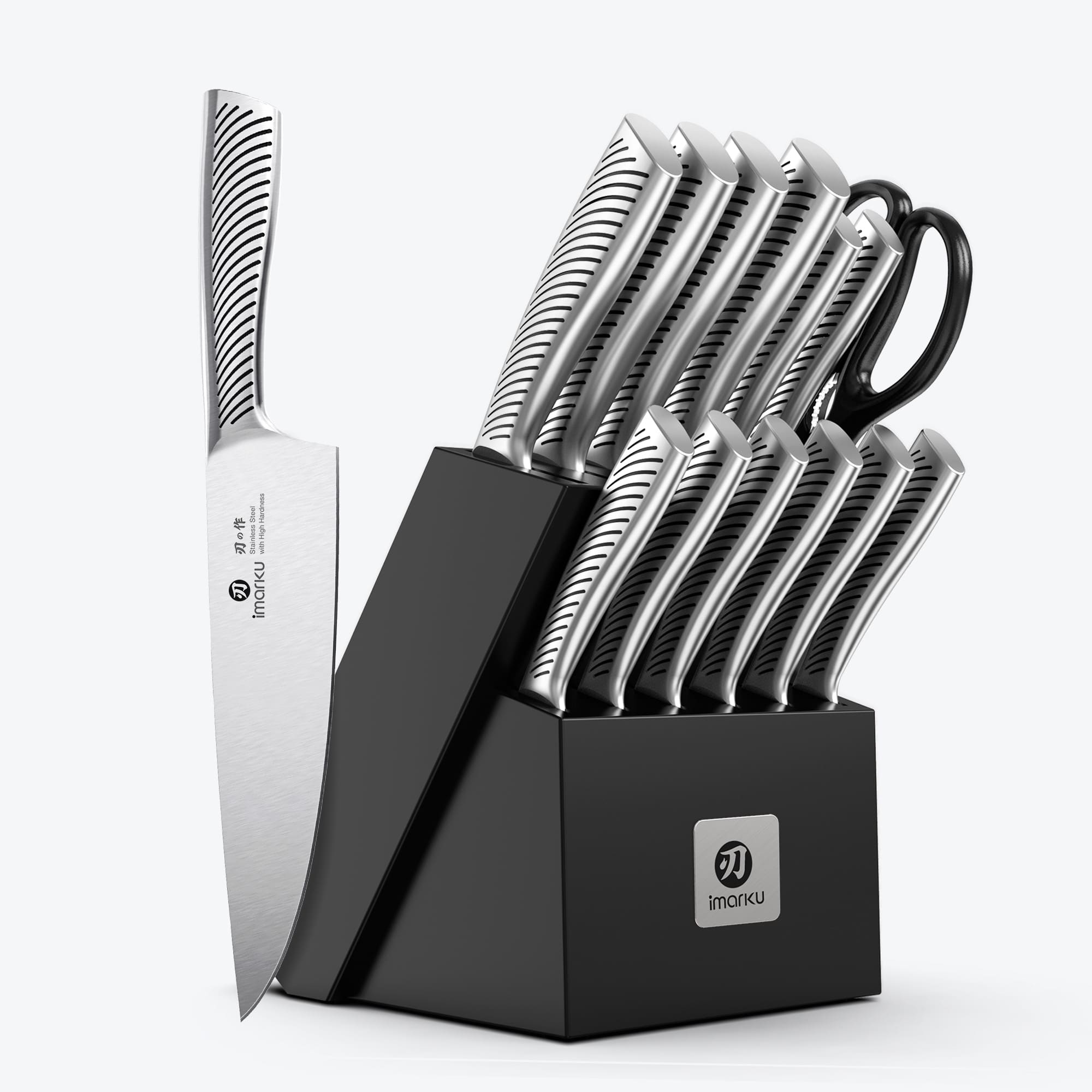
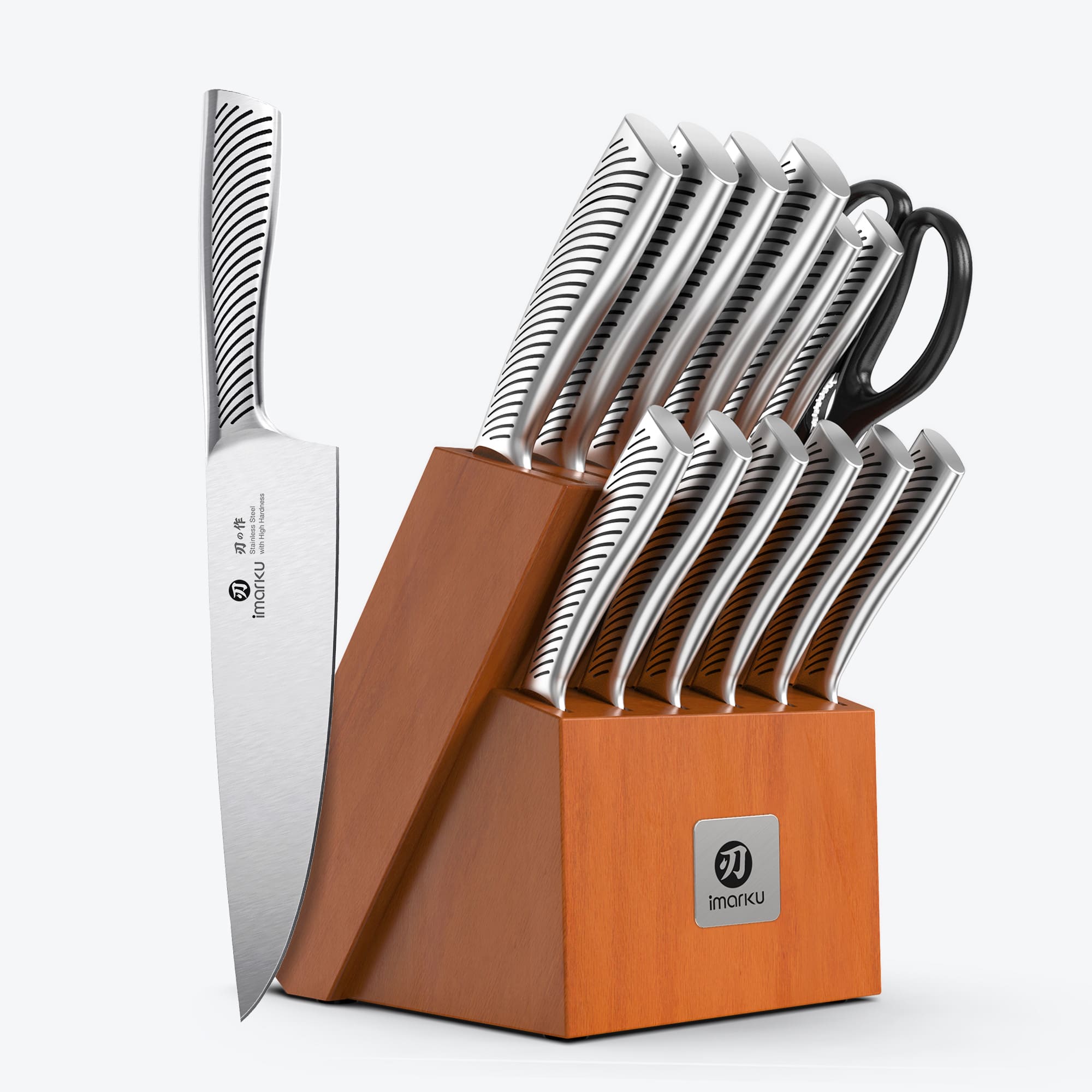
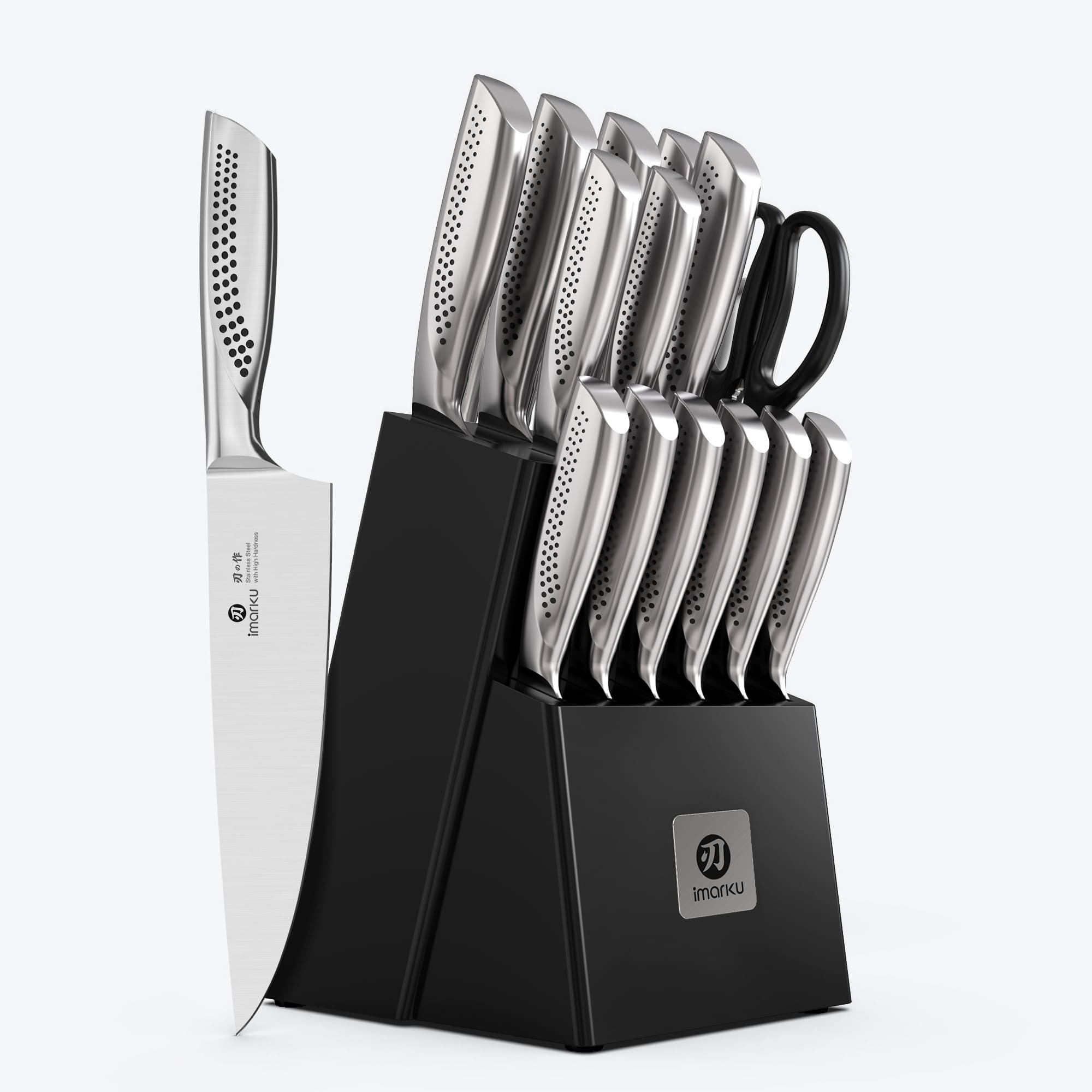
- A sharp knife makes corned beef slicing effortless – see best japanese knife brands



Leave a comment
All comments are moderated before being published.
This site is protected by hCaptcha and the hCaptcha Privacy Policy and Terms of Service apply.